The latest round of U.S.-Iran negotiations has reached a critical impasse after President Donald Trump formally rejected a seven-day peace roadmap proposed by Tehran, significantly increasing the risk of renewed military conflict in the Middle East.
Key Takeaways
- Diplomatic Breakdown: President Trump rejected Iran’s proposal for a seven-day ceasefire and the phased reopening of the Strait of Hormuz.
- Maritime Volatility: Uncertainty regarding tanker movement through the Strait of Hormuz has pushed Brent crude oil prices above $100 per barrel.
- economic Warfare: The U.S. is implementing “Operation Economic Outcast,” targeting Iran’s aviation and financial sectors through secondary sanctions.
- Regional Escalation: Conflict is expanding, with intensified fighting in Yemen and a suspected terror plot involving a U.S.-used air base in the United Kingdom.
- Economic Strain: High oil and diesel prices are impacting U.S. consumers, while the Iranian rial has hit an all-time low against the dollar.
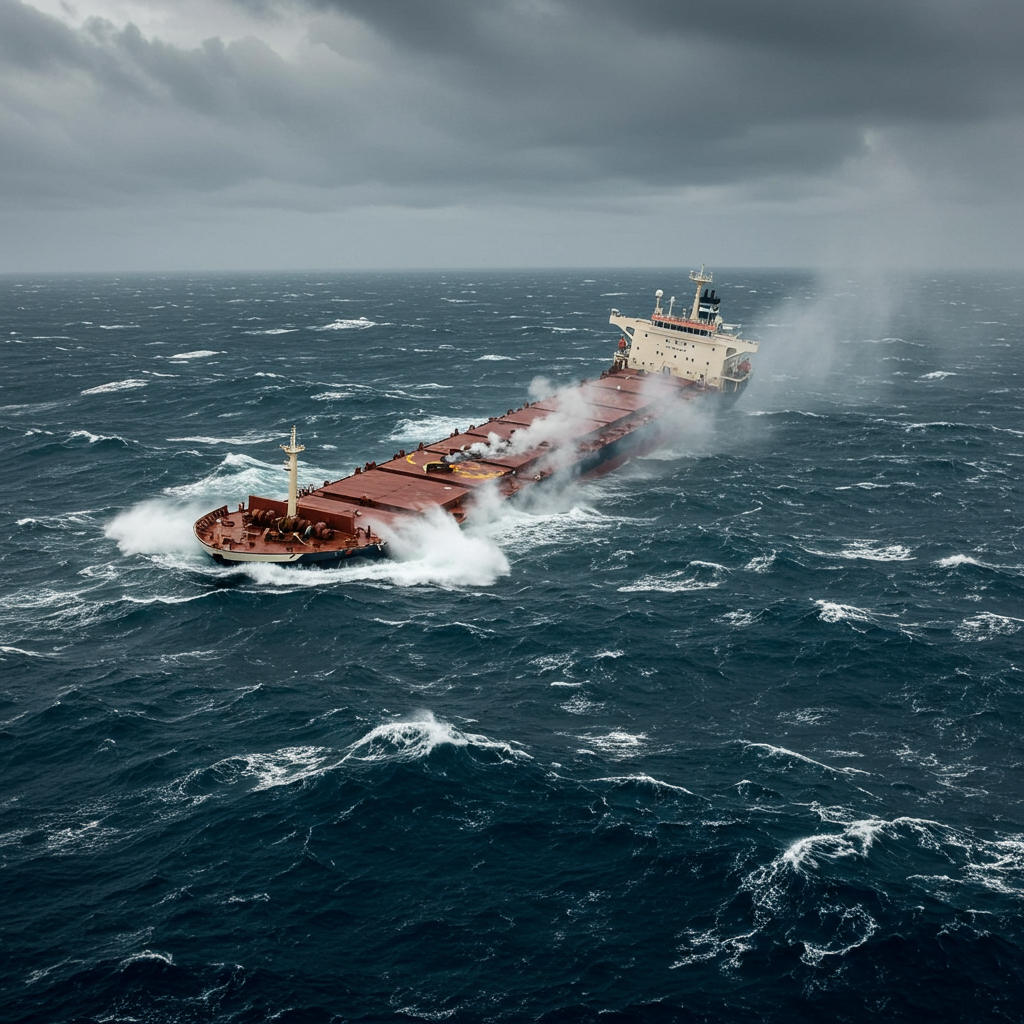
- 19 vessels have been targeted by Iranian armed forces over a two-day period.
- Ship traffic has fluctuated between 5 to 8 vessels passing through at a time, according to Safavi.
- The IRGC has claimed to have captured a U.S. Remus 600 autonomous underwater vehicle, though CENTCOM has denied this, stating they maintain “positive control” of all assets.
- Investors: Expect continued volatility in the energy and commodities sectors. The high yields in the bond market suggest that investors are pricing in significant geopolitical risk, which may impact mortgage rates and general borrowing costs.
- Motorists and Farmers: With diesel and gasoline prices remaining at or near record highs, the cost of transporting goods and operating machinery will continue to rise, potentially contributing to broader food inflation.
- Travelers: If you are planning travel through the Middle East, be aware that new U.S. sanctions have caused short-notice flight cancellations. Iranian travelers, in particular, are facing arduous land journeys to reach destinations like Turkey due to grounded aviation services.
- U.S. Military Activity: President Trump has indicated that renewed strikes on Iran are “not off the table” and could occur before the November midterm elections.
- Maritime Security: Any increase in the targeting of commercial vessels in the Strait of Hormuz will likely trigger a more significant U.S. naval response.
- Economic Policy: The potential implementation of a formal ban on U.S. diesel exports by the Trump administration.
- timesofindia.indiatimes.com
- www.cbsnews.com
What Happened
On September 28, 2026, the diplomatic efforts to de-escalate the seven-month war between the United States and Iran stalled. President Trump used his platform on Truth Social to deny reports that he had offered Iran any concessions, stating, “I offered them NOTHING!” This denial directly contradicted an earlier report from Axios and claims from a U.S. official who suggested the administration might be open to granting Iran sanctions relief and releasing frozen assets in exchange for concrete progress on the Iran nuclear program.
According to reports from CBS News, while indirect talks have been occurring through mediators—specifically involving Qatari intermediaries—the two sides remain fundamentally divided. The core of the disagreement lies in the timing of commitments and the sequence of actions. An Iranian diplomatic source told CBS News that the primary obstacle is a perceived lack of a clear position from the U.S. President, which has made moving from discussions to a formal agreement difficult.
Tehran’s proposal, which included a seven-day ceasefire and the phased reopening of the Strait of Hormuz, was rejected by Mr. Trump over the weekend. The Iranian Foreign Minister, Abbas Araghchi, who is currently in New York for the U.N. General Assembly, stated that Iran expects a formal response from the United States by Tuesday regarding the proposal. While ISNA reported that Iran has proposed reopening the strait in exchange for the release of blocked assets, the U.S. administration remains skeptical of Iranian intentions following the collapse of a previous memorandum of understanding in mid-June.
Why It Matters
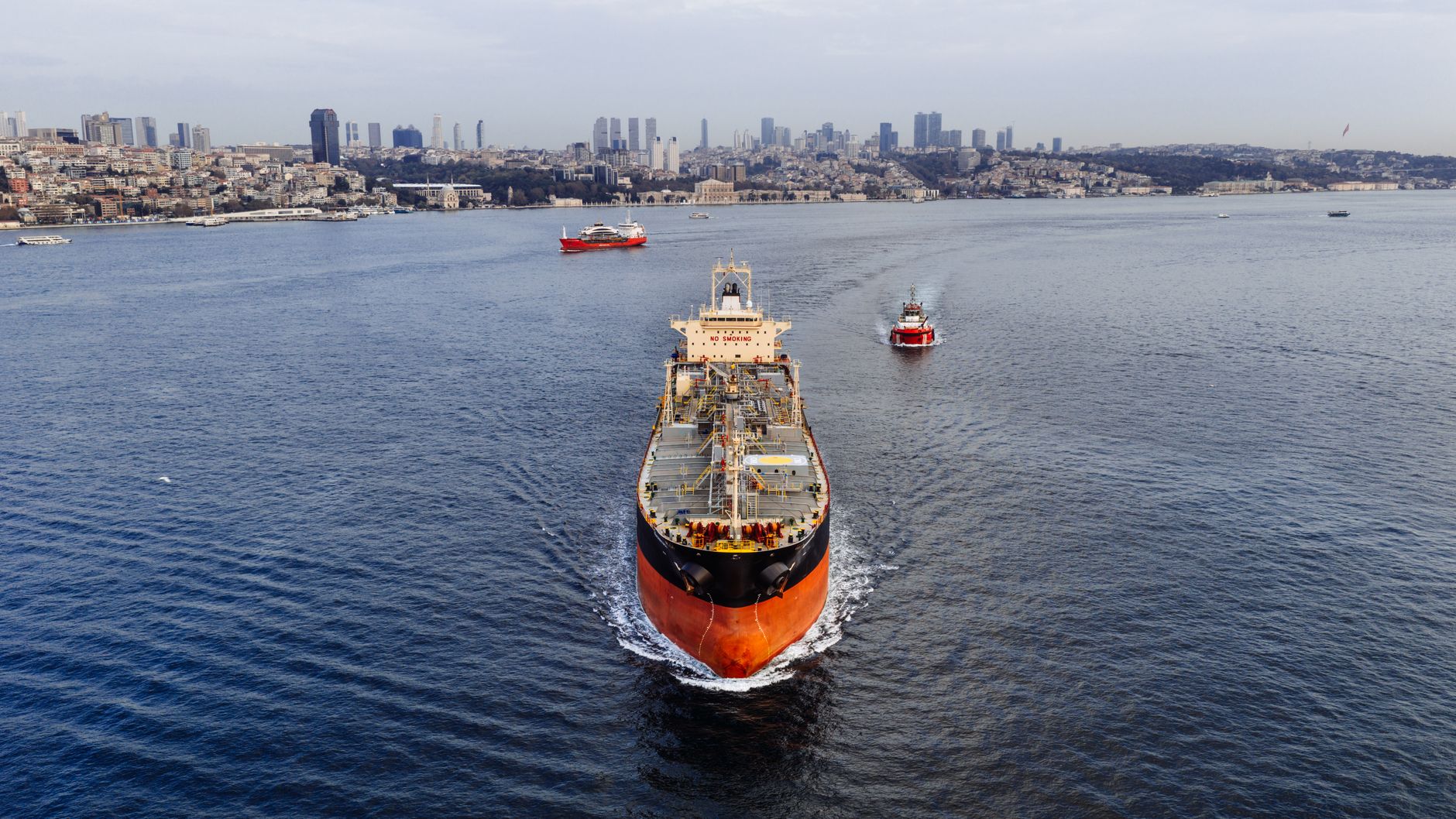
The failure of these U.S.-Iran negotiations has immediate and profound implications for global energy security and international financial markets. The uncertainty surrounding the freedom of navigation in the Strait of Hormuz—a vital artery for the world’s oil supply—has sent shockwaves through the economy.
On Monday, yields in the U.S. bond market reached their highest levels in approximately two decades, a move that simultaneously pressured U.S. stocks further away from their record highs. The S&P 500 fell 0.8%, while the Dow Jones Industrial Average dropped 372 points. This market volatility is largely driven by the “yo-yoing” of oil prices. Brent crude oil climbed above $101 per barrel on Monday morning, driven by fears that the conflict will prevent tankers from delivering oil to global customers.
For the average consumer, the cost of energy is rising. According to AAA data, diesel hit a record $6.53 a gallon on September 22, 2026, and remained high at $6.45 on Monday. Economists from Goldman Sachs have warned that while a temporary ban on diesel exports by the U.S. might lower immediate costs, a prolonged ban could inadvertently drive up domestic gasoline prices.
Deep-Dive: The Economic and Military Landscape
The Maritime Conflict in the Strait of Hormuz
The Strait of Hormuz has become a primary theater of asymmetric warfare. While U.S. Energy Secretary Chris Wright reported that oil flow through the strait is averaging 13 million barrels per day, the reality on the water is increasingly volatile. Yahya Rahim Safavi, an adviser to Iran’s leader, has characterized the strait as “a weapon more dangerous than a nuclear weapon.”
Recent data indicates significant disruption:
Economic Warfare: Operation Economic Outcast
The U.S. has shifted toward a strategy of intense economic isolation. U.S. Treasury Secretary Scott Bessent has spearheaded “Operation Economic Outcast,” which utilizes secondary sanctions to pressure third-party nations—such as Turkey, Oman, and the UAE—to decouple from the Iranian economy.
This economic pressure has had a devastating effect on Iran’s domestic stability. The Iranian rial has plummeted to a historic low, with free-market rates surpassing 2.4 million rials per U.S. dollar. This currency collapse is compounded by massive inflation; while President Trump has claimed inflation in Iran has reached nearly 300%, data from Iran’s Statistical Center shows annual inflation reached 61.4% in August, with food prices rising 128% year-over-year.
Regional Escalation and the Expanding War
The conflict is no longer contained to the Persian Gulf. In Yemen, the defense ministry reported carrying out 356 strikes against Houthi military targets in a 24-hour period, resulting in an estimated 476 casualties. Meanwhile, in the United Kingdom, authorities are investigating a suspected terror plot near RAF Fairford, a base used by U.S. bombers to conduct strikes against Iranian missile sites. Five men were arrested on suspicion of preparing a terrorist act, and while British counter-terrorism police have released them on bail, the investigation into potential Iranian links remains ongoing.
| Key Conflict & Economic Indicators | Data Point | Source |
|---|---|---|
| Brent Crude Oil Price | ~$100.19 per barrel | The Associated Press |
| Daily Oil Flow (Strait of Hormuz) | 13 million barrels (avg) | Chris Wright (U.S. Energy Sec) |
| Iranian Inflation (August) | 61.4% | Iran’s Statistical Center |
| U.S. Diesel Price (Sept 22) | $6.53 per gallon | AAA |
| Gaza Death Toll | 74,000+ | Gaza health ministry |
| Iranian Rial Value | 2.4m per USD | Pashizi |
What It Means for You
The instability resulting from the stalled U.S.-Iran negotiations affects various sectors of society:
Counterpoints and Open Questions
While the U.S. administration maintains a hardline stance, there are significant points of contention. The U.S. government expresses deep skepticism regarding Iran’s ability to adhere to any agreement, citing the collapse of the previous memorandum of understanding after Iran fired on commercial vessels.
Conversely, Iranian officials, including Abbas Araghchi, argue that they have not violated the Non-Proliferation Treaty (NPT) and that their uranium enrichment—currently at 60%—is for peaceful purposes. The fundamental question remains: Can a deal be reached that addresses the U.S. demand for nuclear non-proliferation while meeting Iran’s demand for the lifting of economic sanctions, or is the region headed toward a “doomsday war” as Araghchi has warned?

What Happens Next
The immediate window for diplomacy is narrow. All eyes are on Tuesday, when Iran expects a formal response from the United States via Qatari mediators. The outcome of this response will determine whether the parties return to the negotiating table or if the conflict escalates into direct military engagement.
Observers should also watch for:
Frequently Asked Questions
What was Iran’s seven-day peace proposal?
Tehran proposed a seven-day roadmap that included a ceasefire and the phased reopening of the Strait of Hormuz to commercial shipping. In exchange, Iran sought the release of its frozen assets and the lifting of economic and aviation-related sanctions. The proposal was intended to serve as a precursor to more formal, long-term negotiations.
Why are oil prices increasing during this conflict?
Oil prices are rising due to the high level of uncertainty regarding the Strait of Hormuz. Because this waterway is a critical transit point for global oil, any threat of conflict or attacks on tankers leads to fears of supply shortages. This speculation has pushed Brent crude prices above the $100 mark.
What is “Operation Economic Outcast”?
“Operation Economic Outcast” is a U.S. economic strategy aimed at isolating Iran. It involves the use of secondary sanctions to pressure other countries and companies to stop doing business with Iran, specifically targeting its financial and aviation sectors to limit its ability to generate revenue and maintain international connectivity.
Is the Strait of Hormuz currently closed?
No, the strait is not closed, but it is highly volatile. While oil is still flowing—averaging about 13 million barrels per day—the number of ships passing through has been significantly reduced due to the threat of attacks, and multiple vessels have been targeted by Iranian forces recently.
As the deadline for a U.S. response approaches, the world remains caught between the hope for a diplomatic breakthrough and the reality of a deepening regional war
References
Featured image: Photo by RDNE Stock project on Pexels