The Ed sheeran tour controversy reached a boiling point this past weekend as the global pop superstar performed his first concert following intense scrutiny over his decision to remove rapper Macklemore from his current U.S. tour. Performing in Philadelphia on Saturday night, the musician addressed a crowd amidst mounting allegations that his touring lineup was altered due to pressure from influential NFL stadium owners, including Robert kraft.
Key Takeaways
- Macklemore’s Removal: The rapper was reportedly removed from the tour following pressure from NFL owners, a move that has led to the abandonment of several of Sheeran’s previous supporting acts.
- The Philadelphia Performance: Sheeran performed without any opening acts and with a new backing band, marking a significant shift in his touring structure.
- The Public Apology: During the show, Sheeran read a prepared statement addressing the Israel-Palestine conflict, describing the situation in Gaza as “catastrophic and unjustifiable.”
- Allegations of Influence: Reports suggest that Robert Kraft and other stadium owners may have influenced the decision to drop pro-Palestine performers.
- Financial Scrutiny: Questions remain regarding the specific allocation of a $4 million donation announced by Sheeran and Kraft, contrasting with Macklemore’s more specific $1 million pledge.
- Family Criticism: Sheeran’s cousin, reggae producer Jethro Sheeran, has publicly criticized the singer, calling him a “coward.”
- For Music Fans: Expect potential changes in tour lineups and a heightened sense of political tension at live events. The era of “apolitical” concerts may be fading as artists and venues navigate global crises.
- For Touring Artists: This serves as a cautionary tale regarding the influence of venue and stadium ownership. Artists may need to consider the political alignment of their venues and the potential for corporate interference in their creative decisions.
- For Concert Promoters: There is an increasing need to manage the complex relationship between artist content, political activism, and the interests of venue stakeholders to avoid tour disruptions.
- Where is the money going? The specific beneficiaries of the $4 million donation have yet to be clearly identified.
- How much influence do owners truly have? While allegations against Robert Kraft are significant, the exact extent of the pressure applied to the tour remains unconfirmed.
- Will the tour continue to see departures? With the upcoming shows in Foxborough, it remains to be seen if any further supporting acts or crew members will distance themselves from the production.
- defector.com
The Philadelphia Performance: A Night of Tension
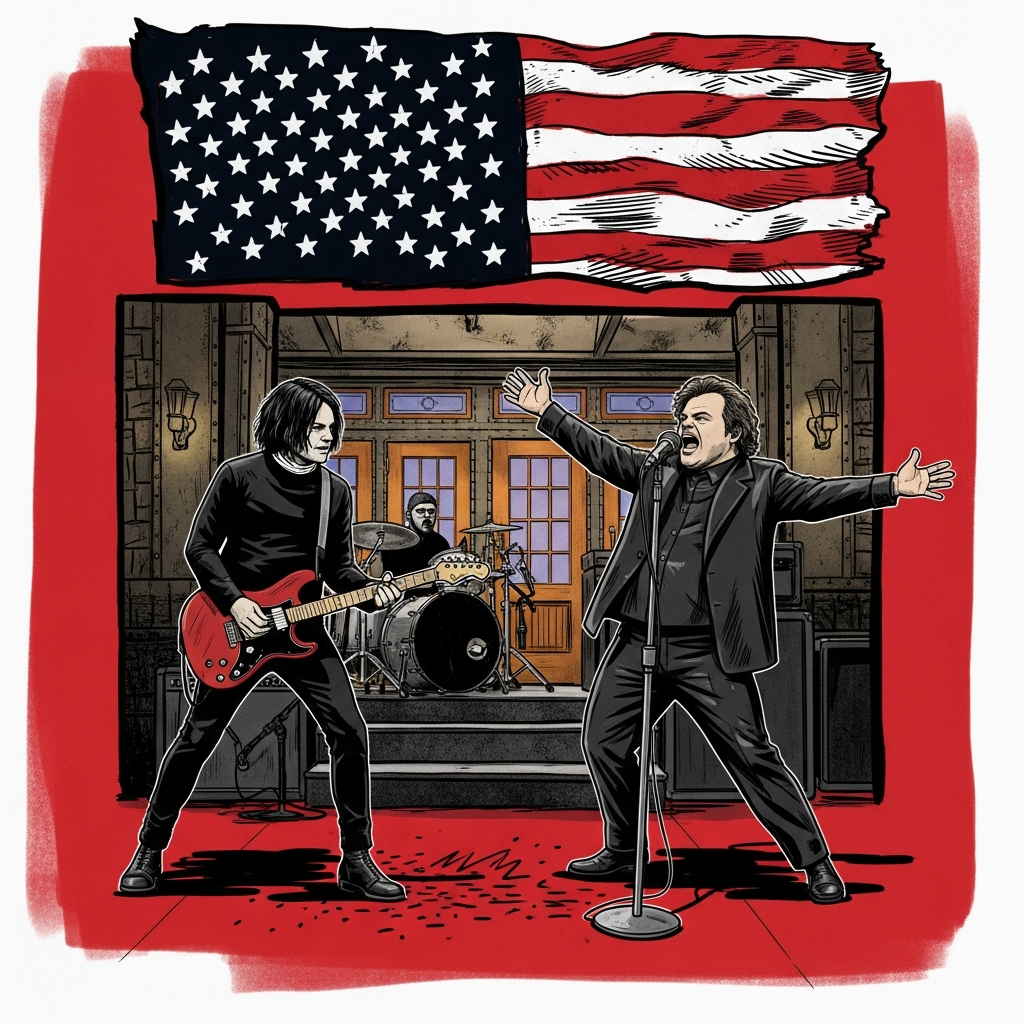
On Saturday night, the atmosphere in Philadelphia was markedly different from the typical high-energy atmosphere associated with an Ed Sheeran concert. For the first time in recent months, the singer took the stage without any supporting artists, performing instead with a newly assembled backing band. This change comes in the wake of a series of departures by his previous supporting acts, who reportedly walked away from the tour following the decision to exclude Macklemore.

According to reports surrounding the tour, the absence of opening acts was not a creative choice but a direct consequence of the political friction currently surrounding the production. The tension was palpable as Sheeran addressed the audience, moving away from his usual lighthearted banter to deliver a somber, prepared statement. The performance was characterized by an air of apology and an attempt to navigate the complex intersection of celebrity, humanitarian crisis, and corporate influence.
Analyzing the Apology: Unity or Evasion?
The centerpiece of the Philadelphia show was a prepared statement read by Sheeran, which attempted to reconcile his desire for musical “unity” with the intense political pressures facing him. In the statement, Sheeran expressed regret for the mistakes made during the tour’s planning and the fallout regarding his political neutrality.
“This week, the criticism was about something much more important, and I’ve had to take and make difficult decisions, and I am making mistakes, and I’m so, so sorry,” Sheeran told the crowd. He noted that while he has never desired to be an “activist musician,” the current global climate has forced him into the center of a debate regarding freedom of speech and the humanitarian crisis in the Middle East.
Sheeran’s statement touched on several sensitive points. He acknowledged the “horrific” events of the October 7 attacks on Israel and the Nova Music Festival, noting they “compounded centuries of Jewish pain.” However, he was equally blunt regarding the situation in Gaza, calling it “catastrophic and unjustifiable and disproportionate.” He also addressed the “systemic injustice” occurring in the West Bank, stating that he is “listening and learning” to better understand how to contribute to the situation.
Critics of the statement have characterized the remarks as “equivocating,” suggesting that the singer is attempting to maintain a middle ground that satisfies both his political critics and the corporate entities that control the venues where he performs. The tension between his message of “unity, not division” and the reality of his tour’s lineup changes remains a central point of contention for his fanbase.
The Core of the Ed Sheeran Tour Controversy
To understand the gravity of the current situation, one must look at the catalyst: the removal of Macklemore from the tour. While Sheeran initially attributed the change to promoter decisions, claiming he was “powerless” in the matter, subsequent reports have pointed toward a more direct influence from the owners of the stadiums where the tour is scheduled to play.
Specifically, allegations have surfaced that Robert Kraft, owner of the New England Patriots, and other NFL stadium owners exerted pressure to ensure that the tour’s content remained politically neutral. This has led to accusations that the music industry is being subject to a form of soft censorship, where the financial interests of venue owners dictate the artistic and political expression of performers.

This dynamic creates a significant challenge for touring artists. If a performer’s political stance—or the stance of their supporting acts—conflicts with the interests of the stadium owners, the artist may face the choice of losing access to major venues or altering their creative team. The decision to drop a high-profile, politically active artist like Macklemore is seen by many as a concession to this corporate pressure.
The Stakeholders and Their Positions
| Stakeholder | Position / Action | Reported Impact |
|---|---|---|
| Ed Sheeran | Claims a desire for “unity” and “humanity” over politics. | Facing loss of supporting acts and public criticism. |
| Robert Kraft / NFL Owners | Allegedly pressured tour organizers to remove Macklemore. | Influence over content in major U.S. stadiums. |
| Macklemore | Removed from the tour due to political misalignment. | Publicly announced a $1 million donation to specific groups. |
| Supporting Acts | Abandoned the tour in protest of the Macklemore decision. | Reduced scale of the tour and change in production. |
| Jethro Sheeran | Publicly called his cousin a “coward.” | Increased familial and public scrutiny. |
The Financial Divide: Transparency in Philanthropy
A significant portion of the backlash against Sheeran involves the financial aspect of his response to the humanitarian crisis. Following the controversy, Sheeran and Robert Kraft announced a $4 million donation intended to help victims of the ongoing conflict. However, the lack of specificity regarding where these funds are going has drawn criticism from activists and fans alike.
In contrast, Macklemore recently announced a $1 million donation specifically earmarked for six distinct humanitarian groups. This level of transparency has provided a point of comparison for critics who argue that Sheeran’s larger sum is more of a public relations maneuver than a targeted humanitarian effort. The ambiguity surrounding the $4 million remains an open question that continues to fuel the Ed Sheeran tour controversy.
Family Ties and Public Fallout
The controversy has not been confined to the music industry and political circles; it has also entered the realm of personal and familial conflict. Jethro Sheeran, a musician and reggae producer related to the singer, has emerged as a vocal critic. By publicly labeling his cousin a “coward,” Jethro has added a layer of personal scrutiny to the situation, suggesting that the fallout from the tour’s decisions is being felt even within the Sheeran family.
This familial rift highlights the intense emotional and moral weight of the issue. When even close family members begin to score points against a public figure, it often indicates that the controversy has moved beyond mere professional disagreement and into a fundamental clash of values.
What It Means for You
For different segments of the public, the implications of this controversy vary:
Counterpoints and Open Questions
While the criticism of Sheeran is intense, there are counterarguments to be considered. Supporters of the singer argue that his primary responsibility is to his music and to providing a “safe space” for all fans, regardless of their political leanings. From this perspective, attempting to turn a concert into a political rally could alienate large portions of the audience and undermine the intended purpose of the music.
However, several questions remain unanswered:
What Happens Next
The immediate focus for the Sheeran camp will be the upcoming performances at the New England Patriots’ stadium in Foxborough, Massachusetts. These shows will be closely watched by both the music industry and political observers, as they represent a direct confrontation between the artist and the very stakeholders (the NFL stadium owners) who are at the center of the allegations.
Any further statements from Sheeran, or any updates regarding the $4 million donation, will likely serve as the next major catalysts in this unfolding story. The results of the Foxborough shows will provide a clear indication of whether the singer can successfully maintain his “unity” message or if the tour will continue to be defined by political and social division.
Frequently Asked Questions
Why was Macklemore removed from the Ed Sheeran tour?
According to reports and the current controversy, Macklemore was removed from the U.S. leg of the tour following pressure from NFL stadium owners, including Robert Kraft. The removal is widely believed to be linked to Macklemore’s pro-Palestine stance and the desire of venue owners to maintain a politically neutral environment.
What did Ed Sheeran say about the situation in Gaza?
In a statement read during his Philadelphia concert, Sheeran described the situation in Gaza as “catastrophic and unjustifiable and disproportionate.” He also noted the “systemic injustice” in the West Bank and expressed his heartbreak over the scale of devastation and the loss of civilian lives, including children.
Who is Robert Kraft and how is he involved?
Robert Kraft is the owner of the New England Patriots. He has been linked to the Ed Sheeran tour controversy through allegations that he, along with other NFL stadium owners, pressured tour organizers to remove politically active performers like Macklemore to ensure the tour remained non-controversial.
How much is Ed Sheeran donating to humanitarian causes?
Sheeran and Robert Kraft have announced a $4 million donation to help victims of the conflicts in the region. However, unlike Macklemore’s $1 million donation, which was directed to six specific groups, the exact allocation of Sheeran’s $4 million has not yet been publicly detailed.
Closing
The Ed Sheeran tour controversy is more than just a dispute over a concert lineup; it is a reflection of the growing tension between global political movements and the corporate structures that power the entertainment industry