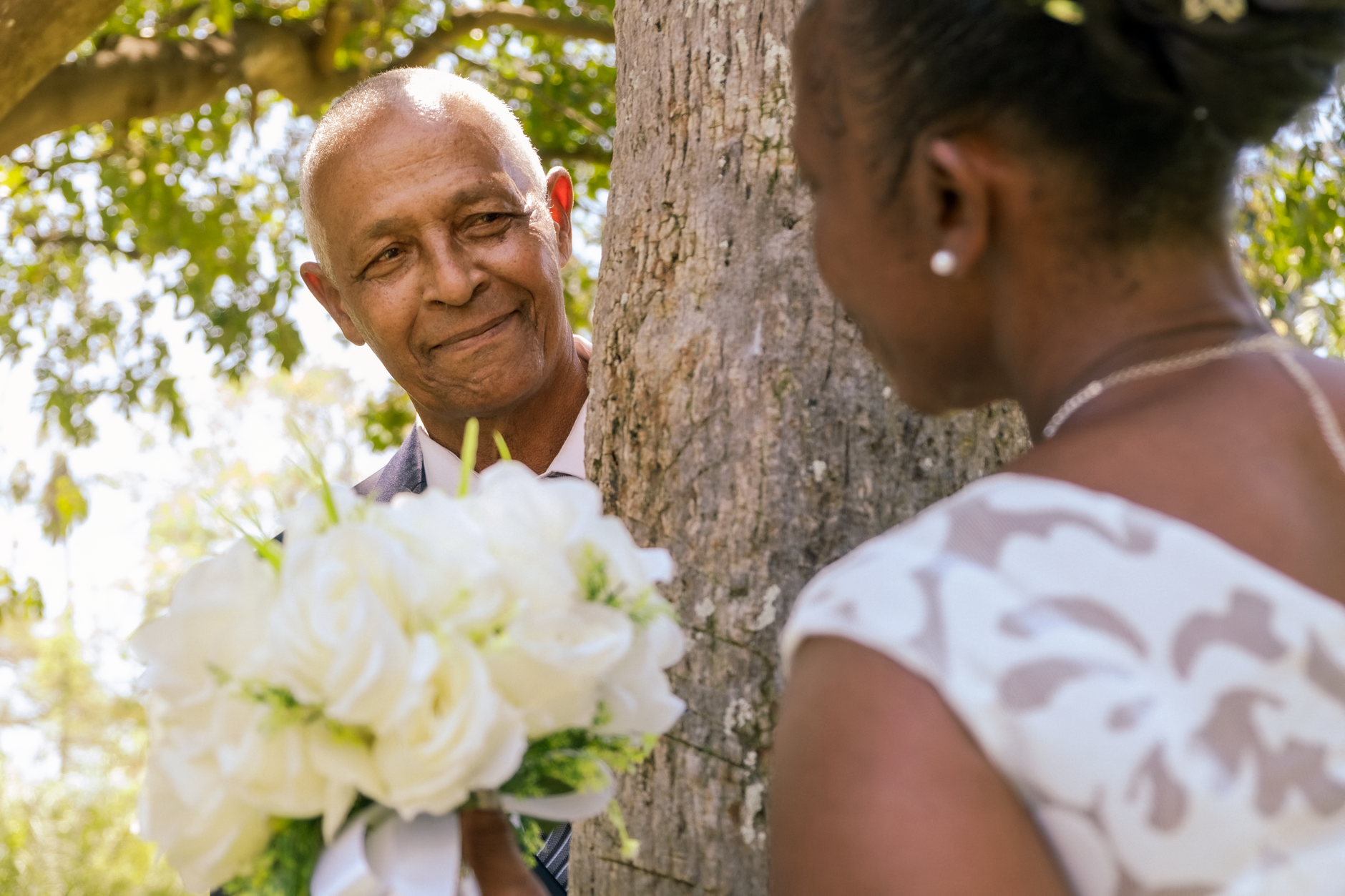
The recent Michigan lifelong singles marriage of Al sager and Susan Guc has provided a heartwarming testament to the idea that companionship can arrive at any stage of life, even after decades of intentional solitude.
Key Takeaways
- Unexpected Union: Al Sager, 65, and Susan Guc, 76, both spent their entire adult lives as single individuals before marrying this week in Bay City, Michigan.
- Unlikely Meeting Place: The couple met while undergoing heart procedures and participating in the same cardiac rehabilitation program.
- A Unique Connection: The relationship began when Guc used a stone etched with the word “smile” to get the attention of Sager, who was focused on an exercise bike.
- Breaking Social Expectations: The marriage has surprised close relatives, who had long viewed both individuals as committed to their independent lifestyles.
- A Message of Hope: Both Sager and Guc are using their story to encourage others that it is never too late to find a partner.
- For Seniors: The story serves as a reminder that life transitions are possible at any age. If you have spent years embracing independence, it does not preclude the possibility of finding meaningful partnership later.
- For Families: Be prepared for the unexpected. The reactions of Sager and Guc’s relatives highlight that even when a person’s character seems fixed, their life path can change. Supporting these late-life transitions can be a way to celebrate a loved one’s newfound happiness.
- For Healthcare Providers: The social aspect of rehabilitation should not be overlooked. While the primary goal of cardiac rehab is physical, the social environment can play a significant role in the overall well-being and unexpected life changes of patients.
- Integration of Routines: The couple will need to balance Sager’s history of travel and independence with Guc’s established lifestyle.
- Community Impact: Their story is likely to continue circulating in Bay City and beyond, potentially serving as a local inspiration for others in similar age brackets.
- Continued Health Management: Given that their meeting was precipitated by cardiac health issues, maintaining their physical health will remain a central component of their shared journey.
- www.cbsnews.com
What Happened
In an event that has surprised many in their local community, Al Sager and Susan Guc have officially wed in Bay City, Michigan, ending decades of lifelong singlehood. According to a report from CBS News on November 6, 2026, the couple had both been happily unattached for their entire adult lives, leading many to believe their status as “uncommitteds” was permanent.
Al Sager, 65, spent his career as a truck driver, a profession often characterized by long periods of solitude on the road. He told CBS News that while he was often alone, he never felt lonely, noting that seeing relationships turn sour in the past made him hesitant to pursue long-term commitment. “You see relationships sour and it’s like, ‘Nah, I don’t want that,'” Sager said.
Susan Guc, 76, shared a similar sentiment of contentment in her independence. A former nurse, Guc had devoted her life to her patients and had previously felt that there might not be anyone she truly wanted to partner with. “If there would be anybody out there, who would I really want?” Guc said, adding that she was genuinely happy with her decision to remain single.
The transition from lifelong independence to marriage was sudden enough to leave their families in disbelief. One relative reported to CBS News that the news was “shocking,” while another stated they “about fell out of my chair,” unable to have anticipated such a development in the lives of two people so long established in their singlehood.

Why It Matters
This Michigan lifelong singles marriage matters because it challenges prevailing social narratives regarding aging, loneliness, and the predictability of human connection. For many seniors, the assumption is that life patterns established in one’s 30s, 40s, and 50s are set in stone. Sager and Guc’s story suggests that personal identity and lifestyle preferences can shift unexpectedly due to new connections.
Furthermore, the story highlights the importance of community-based health settings, such as cardiac rehabilitation, as unexpected venues for social interaction. While these programs are designed for physical recovery, they also serve as vital hubs for social engagement among older adults, potentially mitigating the risks of isolation that often accompany aging.
The Cardiac Rehab Encounter: A Deep-Dive
The catalyst for this union was not a traditional dating scenario but a shared journey toward physical recovery. Both Sager and Guc had recently undergone heart procedures, which led them to the same cardiac rehab program in Bay City.
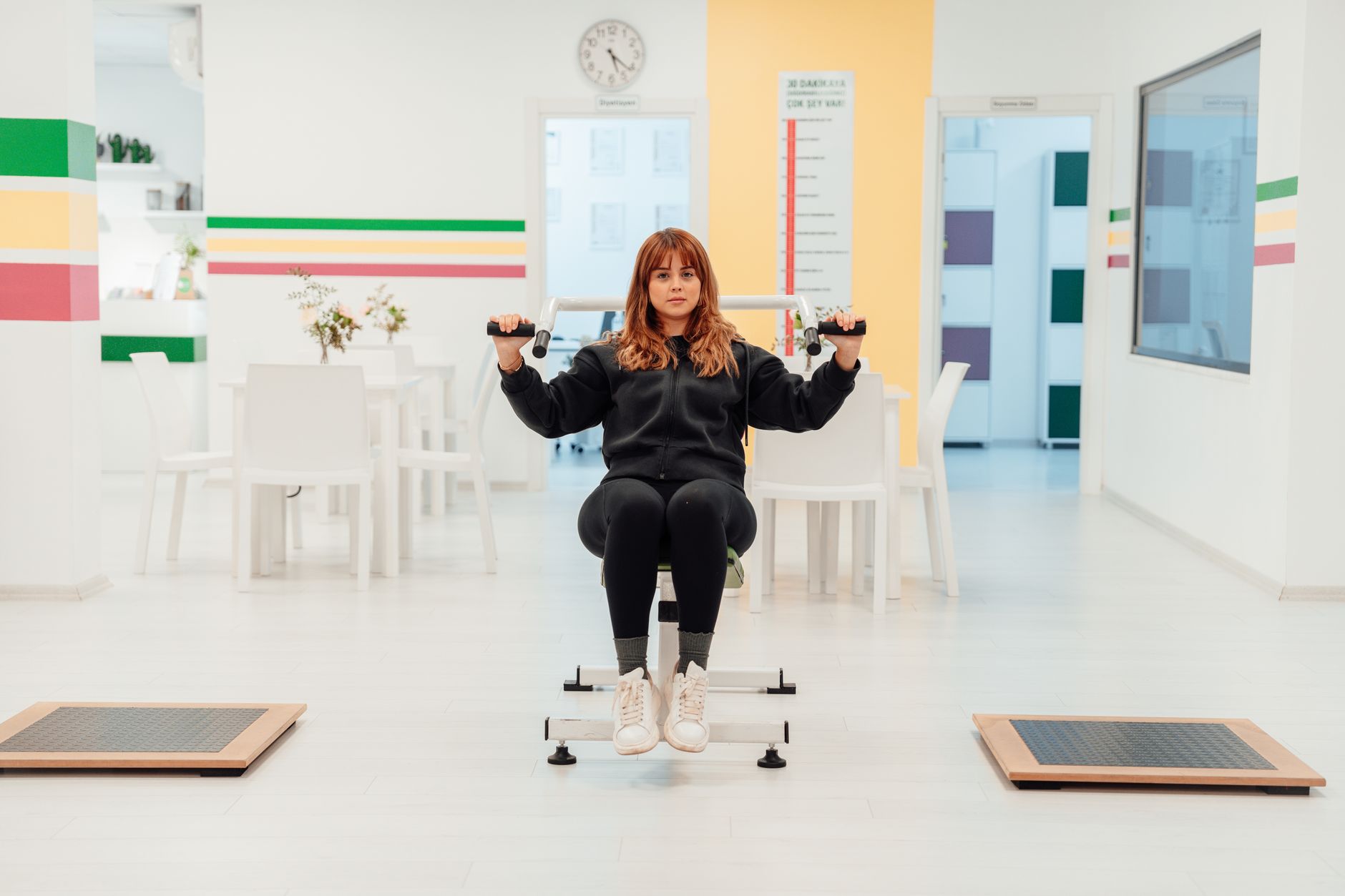
It was during a routine exercise session that the connection was first sparked. While Guc was working on a treadmill, she observed Sager on an exercise bike. According to Guc, she was immediately drawn to his smile, though Sager remained entirely oblivious to her presence at the time.
In a move that was both unconventional and effective, Guc used a physical object to break the ice. She presented Sager with a rock that had the word “smile” etched into it. While Sager initially interpreted the gesture as a critique—thinking she was suggesting he did not smile enough—the interaction served its purpose. “I thought she was trying to tell me, ‘Hey, you don’t smile enough,'” Sager told CBS News. “And I said, ‘Well, I better look into this more.'”
This encounter illustrates how a moment of vulnerability—recovering from heart procedures—can create a unique opening for connection that might not exist under different circumstances.
The “Uncommitted” Lifestyle: Analyzing the Background
To understand the impact of this marriage, one must look at the specific lifestyles the couple maintained prior to their meeting. Both Sager and Guc were not merely “single” in the sense of being available; they were actively content in their autonomy.
Professional and Personal Autonomy
| Individual | Age | Profession | Primary Lifestyle Trait |
|---|---|---|---|
| Al Sager | 65 | Truck Driver | Valued independence; comfortable with solitude |
| Susan Guc | 76 | Nurse | Devoted to professional service; content with singlehood |
Sager’s life as a truck driver provided a level of mobility and self-reliance that aligned with his desire to avoid the complexities of traditional relationships. Similarly, Guc’s career in nursing required a high level of emotional labor and dedication, which she had balanced with a solitary personal life.
Their ability to be “alone, but not lonely,” as Sager described it, is a distinction that sociologists often make when discussing high-functioning single individuals. This distinction is crucial; it suggests that their decision to marry was not a flight from loneliness, but a choice to add companionship to an already fulfilling life.
What It Means for You
Whether you are an individual navigating your own relationship status or a family member supporting an older loved one, the story of Sager and Guc offers several practical takeaways:
Counterpoints and Open Questions
While the story is overwhelmingly positive, the transition from a lifetime of independence to a shared life presents unique challenges and questions that remain unaddressed by the current reporting.
The Challenge of Merging Lifestyles
When two people who have been fiercely independent for decades decide to marry, they face the complex task of merging two established routines, homes, and social circles. How Sager and Guc will navigate the logistics of shared living after a lifetime of solo existence is an open question.
Potential Risks of Late-Life Transitions
There are also broader questions regarding the stability of late-life marriages. While many find profound joy in such unions, others may find the sudden shift in autonomy difficult to manage. However, in the case of Sager and Guc, their shared experience of health recovery may provide a foundation of mutual understanding and resilience.
What Happens Next
As Sager and Guc begin their new life together, several factors will likely shape their future:
Frequently Asked Questions
Can you find love for the first time in your 70s?
Yes. As demonstrated by Susan Guc, who is 76, it is entirely possible to find a significant partner later in life, even if you have previously felt that no one would be the right fit. The key often lies in being open to unexpected circumstances and meeting people in new environments.
How did the couple meet?
Al Sager and Susan Guc met in a cardiac rehabilitation program in Bay City, Michigan. Both were recovering from heart procedures and were participating in the same exercise program when they first interacted.
What was the “smile” rock incident?
To get Sager’s attention, Guc handed him a rock that had the word “smile” etched into it. This unconventional icebreaker helped initiate their connection, even though Sager initially thought she was critiquing his facial expressions.
Is it common for lifelong singles to marry later in life?
While many people seek partnership earlier, there is a growing demographic of individuals who are content in singlehood for decades. The marriage of Sager and Guc is a notable example of how these individuals can still experience significant life changes and find companionship when the opportunity arises.
Closing
The Michigan lifelong singles marriage of Al Sager and Susan Guc reminds us that the human capacity for connection is not bound by age or previous life choices. By moving from the solitude of the road and the dedication of nursing into a shared life, they have shown that even the most established patterns can be rewritten by a simple, unexpected encounter.
References
Featured image: Photo by Fredy Teixeira on Pexels