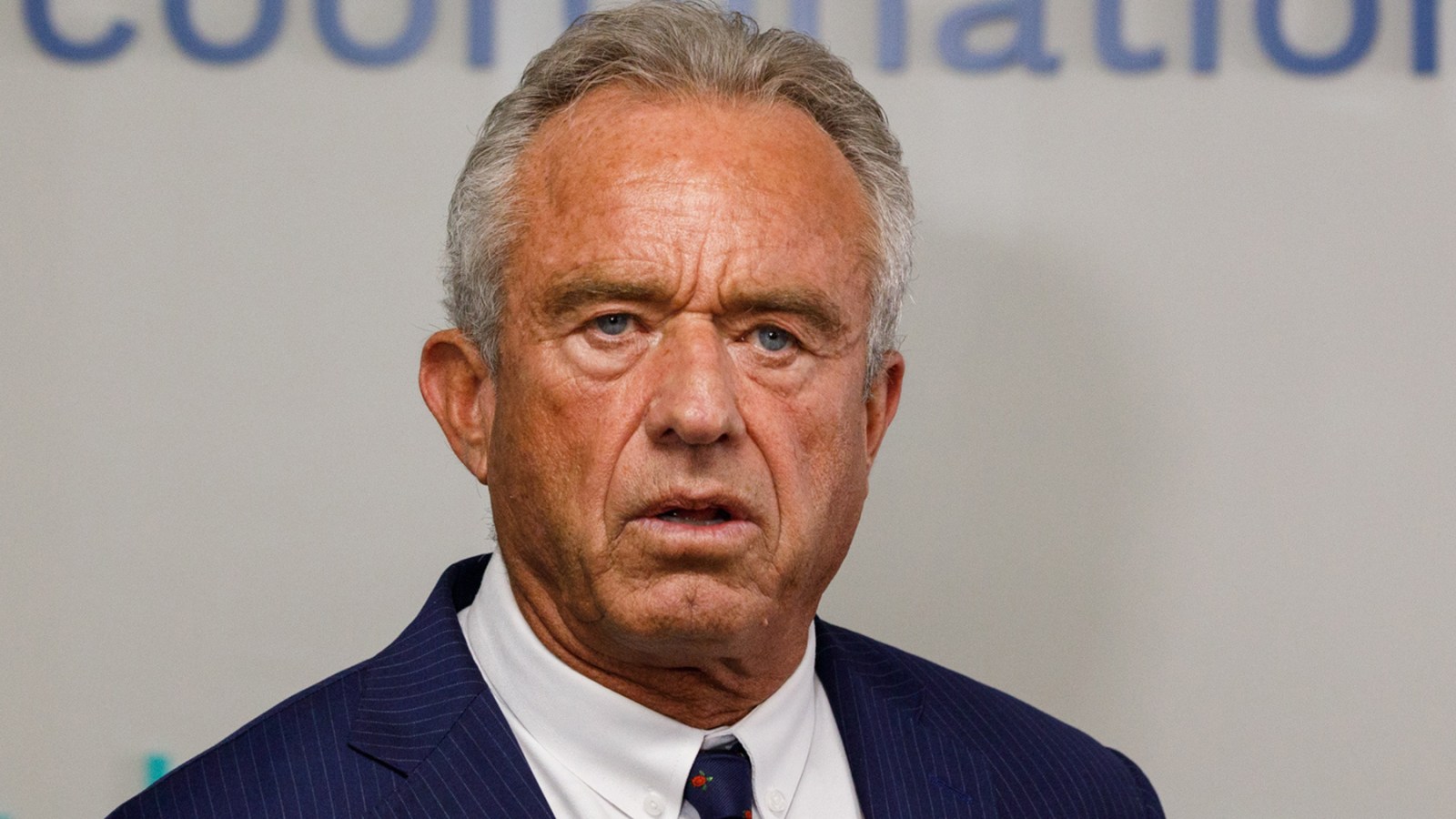
The controversial Hepatitis B vaccine study in Guinea-Bissau, which was championed by U.S. health and Human Services (HHS) Secretary Robert F. Kennedy Jr., has been officially halted following intense global backlash and a refusal of approval from local health authorities.
Key Takeaways
- trial Cancellation: The clinical trial, intended to enroll 14,000 newborns, will not proceed after Guinea-Bissau health authorities denied necessary government approval.
- Ethical Controversy: The study design was condemned by the World Health Organization (WHO) and medical ethicists for withholding a lifesaving vaccine from 7,000 infants in a high-prevalence region.
- Funding Scrutiny: The trial was supported by a $1.6 million CDC grant that was reportedly rushed through to meet a September 30 fiscal deadline.
- Institutional Fallout: Four members of the University of Southern Denmark (SDU) ethics committee resigned in protest, citing a “short-circuited” approval process.
- Political Tension: The project became a flashpoint for criticism regarding the political influence of Secretary Kennedy and the potential misuse of CDC global health security funds.
- For Public Health Policymakers: This event serves as a warning regarding the necessity of independent, unhurried ethics reviews. It highlights the danger of allowing fiscal deadlines to dictate scientific and ethical oversight.
- For Medical Researchers: The controversy underscores the importance of adhering to the Declaration of Helsinki, even when local policies may appear to allow for different protocols. It also emphasizes the scrutiny researchers face when their work is perceived to align with political interests.
- For Global Health Funders: There is an urgent need for transparency in how “global health security” funds are allocated, particularly regarding no-bid contracts and the potential redirection of funds from established programs like measles prevention.
- For Patients and Families: The situation highlights the vulnerability of populations in developing nations during international clinical trials and the importance of robust, local regulatory oversight to prevent exploitation.
- To what extent did political pressure from the HHS influence the CDC’s decision to prioritize this specific grant?
- How will the U.S. Congress respond to calls for a review of the CDC’s use of funds for this project?
- Will the failure of this trial lead to a reform in how Danish and international ethics committees interact regarding overseas research?
- Congressional Oversight: Former CDC Chief Medical Officer Dr. Debra Houry has called for a Congressional review of the “overreach by Secretary Kennedy and CDC political leaders.” This could lead to hearings regarding the management of CDC funds and the ethics of no-bid contracts.
- Regulatory Reform in Denmark: The rector of the University of Southern Denmark, Jens Ringsmose, has already approached the Danish Minister of Health to discuss whether Danish legislation should be updated to ensure research protocols are reviewed by both the sponsor and the host country.
- Review of CDC Grant Processes: The controversy may trigger a broader audit of how the CDC manages expiring grant money and whether the pressure to obligate funds is compromising the agency’s scientific integrity.
- www.rollingstone.com
- www.scientificamerican.com
- www.rollingstone.com
What Happened: The Collapse of a Global Trial
On Wednesday, October 22, 2026, researcher Frederik Schaltz-Buchholzer announced on LinkedIn that the hepatitis B vaccine clinical trial in Guinea-Bissau would “not proceed.” The decision follows months of escalating scrutiny from the World Health Organization, medical ethicists, and investigative reporting by Rolling Stone. According to Schaltz-Buchholzer, the study failed to secure the “necessary government approval” from the health authorities in Guinea-Bissau.
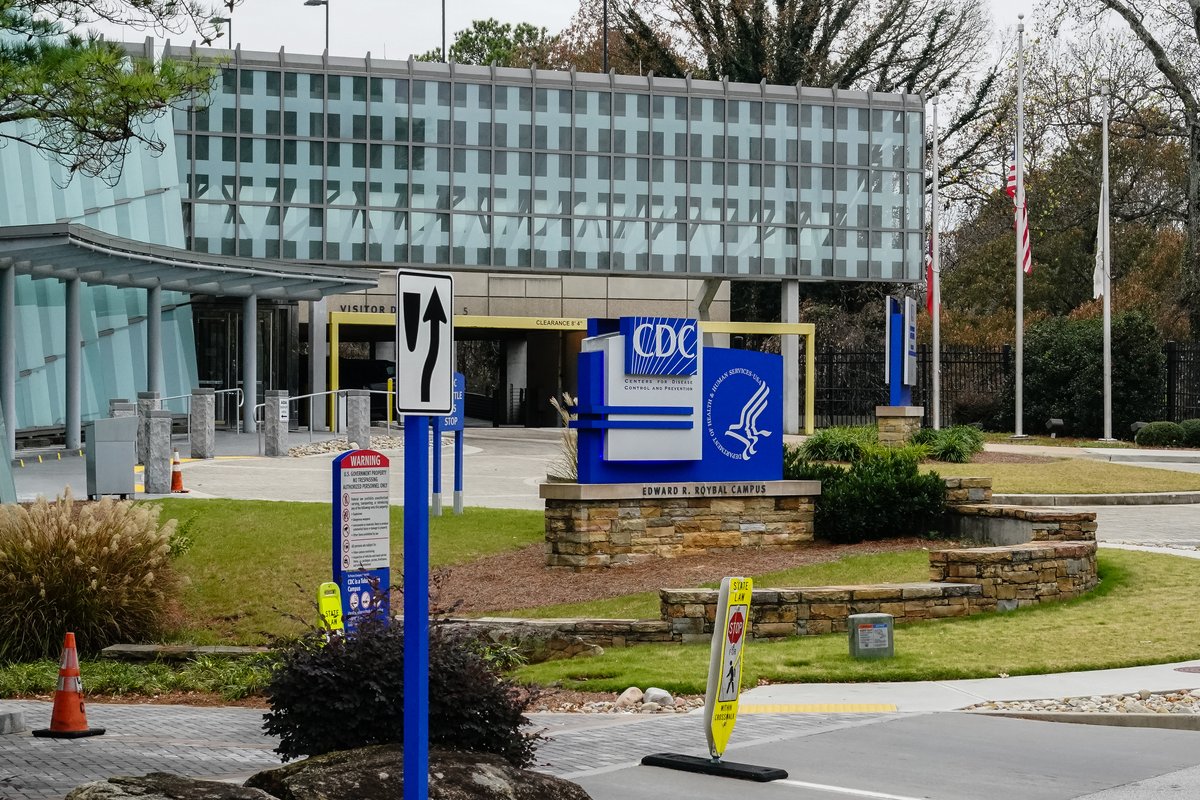
The trial, known as the HBV0-NSE trial, was designed to investigate the long-term health effects of the hepatitis B birth dose. However, the methodology proved to be its undoing. The study planned to enroll 14,000 newborns but would only provide the vaccine to half of them. In a country where hepatitis B prevalence is approximately 18.7%, the 7,000 infants in the control group would have been left entirely unprotected against a disease that can lead to lifelong cirrhosis or liver cancer.
This design drew immediate and stinging comparisons to the infamous Tuskegee syphilis study, in which researchers withheld treatment from African American subjects to observe the natural progression of the disease. While the lead Danish researchers, Christine Stabell Benn and Peter Aaby at the University of Southern Denmark (SDU), argued that the trial aligned with current local policies, the international community remained unconvinced.
Why It Matters: The Stakes of Medical Ethics
The cancellation of this Hepatitis B vaccine study is more than just a failed research project; it represents a significant moment in the debate over global medical ethics and the limits of political influence in public health.
At the heart of the matter is the principle of the Declaration of Helsinki, which guides medical research involving human subjects. Critics, including Dr. Arthur Caplan of the NYU Grossman School of Medicine, argued that withholding a proven, lifesaving treatment from vulnerable populations in a “dirt-poor nation” is fundamentally unethical.
Furthermore, the trial has become a symbol of the potential for political overreach within federal agencies. The involvement of Robert F. Kennedy Jr. and the allegation that the CDC pushed the study through as a no-bid contract have raised questions about whether scientific merit was sidelined by political agendas. If federal funds intended for global health security are diverted to controversial, non-competitive studies, the credibility of the CDC and the HHS could be permanently damaged.
Deep-Dive: A Timeline of Ethical and Financial Pressure
The progression of the trial was marked by a series of rushed decisions and intense financial pressures that many believe compromised the integrity of the research oversight process.
The Ethics Committee Controversy
In late September 2026, the SDU ethics committee faced a critical deadline. The researchers were attempting to obligate $1.6 million in CDC grant money before the end of the fiscal year on September 30. This “ticking clock” allegedly forced a rushed review process.
On September 16, SDU committee administrator Jakob Ousager informed members of the impending grant expiration. By September 17, a CDC official had informed senior advisor Stuart Burns that the funds must be obligated by the end of the month or they would be lost. This pressure culminated in a vote on September 30, where the committee affirmed the study with a narrow 5-4 margin.
Two committee members, Sören Birkeland and Stig Børsen Hansen, resigned in protest. Hansen stated that the pressure of the deadline “short-circuited the process” and led to a “bad decision in a bad way.”
The Funding and Political Dimension

Internal CDC emails, first reported by Rolling Stone in January, revealed that the Guinea-Bissau study was a “funding priority” for allies of Secretary Kennedy. There were even discussions among CDC officials on September 21 about “swapping” annual measles prevention funds to cover the grant if necessary.
This redirection of funds has drawn sharp criticism from global health experts. Dr. Gavin Yamey, a professor of Global Health and Public Policy at Duke University, noted that it is deeply concerning when federal leadership takes money away from immediate needs to fund studies that are “unrequired and deeply unethical.”
Stakeholder Perspectives
The controversy has created a sharp divide between the researchers, the U.S. government, and international health bodies.
| Stakeholder | Position | Primary Argument |
|---|---|---|
| Danish Researchers (Benn & Aaby) | Pro-Study | The trial follows current local policy in Guinea-Bissau; it expands access to vaccines that are not yet standard. |
| World Health Organization (WHO) | Anti-Study | The study remains unethical even with revised protocols; it violates global standards of care. |
| SDU Ethics Committee (Resigned Members) | Anti-Study | The approval process was rushed and compromised by the September 30 funding deadline. |
| U.S. HHS & CDC | Pro-Funding | The research fills critical evidence gaps; the trial will proceed (as of early 2026). |
| Africa CDC | Anti-Study | Suggested the trial was halted due to ethical concerns and local government intervention. |
| Medical Ethicists (e.g., Dr. Arthur Caplan) | Anti-Study | Withholding treatment from vulnerable infants in a low-resource setting is ethically unjustifiable. |
What It Means for You
Depending on your role in the global community, the fallout from this Hepatitis B vaccine study has different implications:
Counterpoints and Open Questions
While the consensus among international health bodies is overwhelmingly negative, the lead researchers have maintained their stance. Christine Stabell Benn argued that “ethics is not mathematics” and that independent committees should be able to weigh risks and benefits differently. She maintained that because the hepatitis B birth dose is not scheduled to become standard in Guinea-Bissau until 2028, the study does not deprive children of a vaccine they would otherwise receive.
However, this defense has been met with significant skepticism. Dr. Robert Gish of the Hepatitis B Foundation pointed out that maternal screening alone is insufficient to prevent transmission, meaning the control group would be at high risk of infection through undetected maternal or household contacts.
Several questions remain unanswered:

What Happens Next
As the dust settles on the cancellation of the trial, several developments are likely to follow:
Frequently Asked Questions
Why was the Hepatitis B vaccine study considered unethical?
The primary ethical concern was the study’s design, which involved randomizing 14,000 newborns into two groups: one receiving the hepatitis B birth dose and a control group receiving no vaccine. In a region like Guinea-Bissau, where hepatitis B is endemic (affecting nearly 1 in 5 adults), withholding a known, effective vaccine from 7,000 infants was viewed by the WHO and medical ethicists as a violation of the principle of providing the highest possible standard of care to vulnerable populations.
What role did Robert F. Kennedy Jr. play in this controversy?
While the researchers claimed the study was conceived independently, the trial was championed by Secretary Kennedy. Internal CDC emails suggested that the study was a “funding priority” for his allies within the agency. Critics have expressed concern that the study was promoted to support political efforts to question the necessity of the hepatitis B birth dose in the United States, despite its long-standing record of safety and efficacy.
How did the funding deadline affect the ethics review?
The researchers were facing a September 30 deadline to obligate $1.6 million in CDC grant money. This deadline reportedly created intense pressure on the University of Southern Denmark’s ethics committee. Members of the committee reported that the need to secure the funding led to a rushed deliberation and a vote that was held before all members could be present, leading to the resignation of four committee members who felt the process had been “short-circuited.”
Is hepatitis B a significant health threat in Guinea-Bissau?
Yes. According to data cited in the research, hepatitis B is endemic in Guinea-Bissau, with a prevalence rate of approximately 18.7%. Because the disease can lead to chronic infection, cirrhosis, and liver cancer, the lack of a birth dose increases the risk of lifelong health complications for infants who are infected early in life.
Conclusion
The collapse of the Hepatitis B vaccine study in Guinea-Bissau marks a significant failure in the intersection of global health research, international diplomacy, and political administration
References
Featured image: Image via Rolling Stone