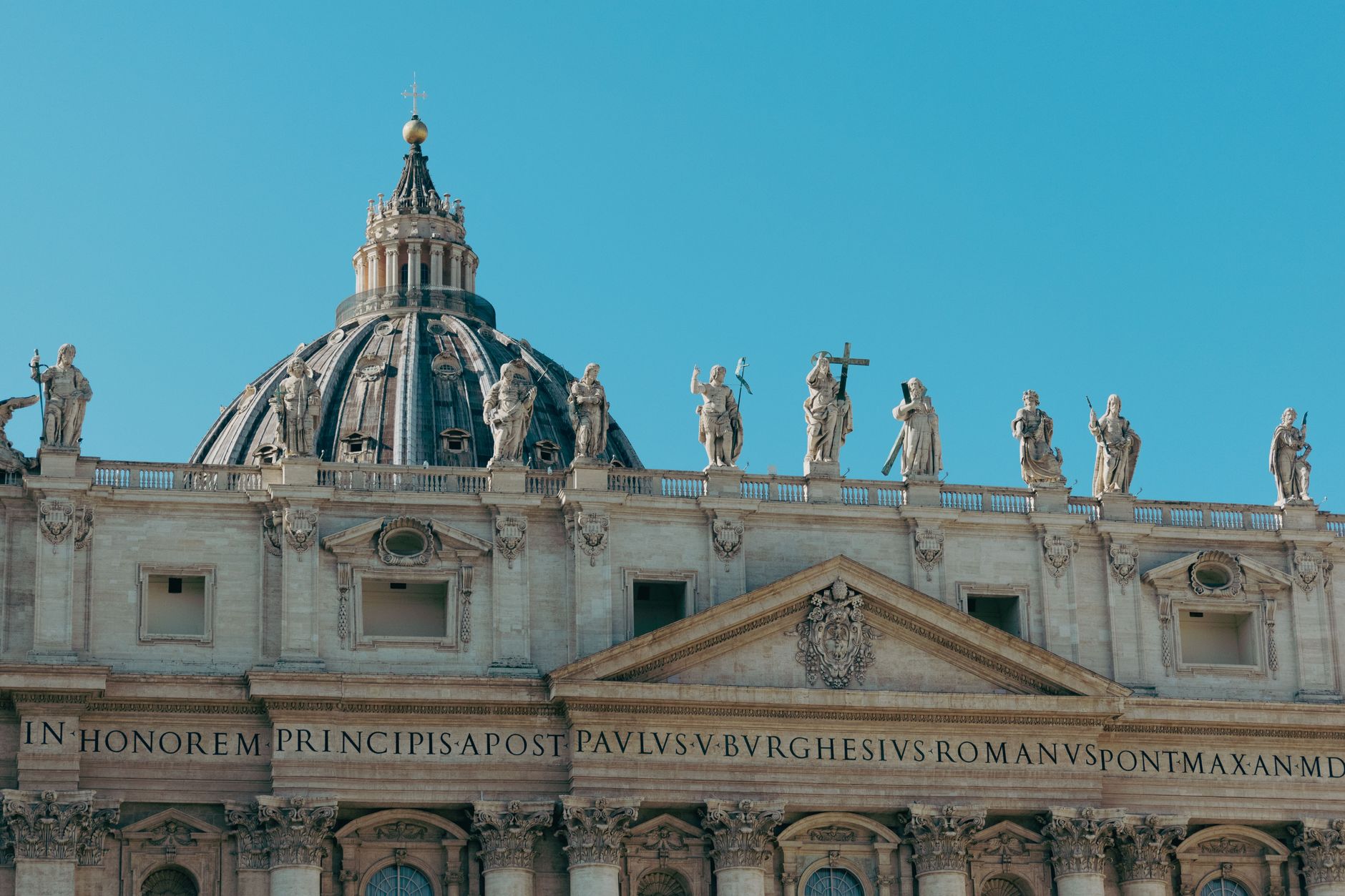
The Bob dylan Vatican meeting held this past Wednesday marked a significant intersection of modern musical history and the highest levels of Catholic diplomacy. The encounter, which took place in a private setting within the Vatican, saw the legendary American singer-songwriter meet with Pope Leo XIV to discuss themes that span music, social justice, and the role of art in the modern age.
Key Takeaways
- Private Audience: bob dylan met with Pope Leo XIV at the Vatican’s Terza Loggia, following a scheduled but informal arrival.
- Cultural Connection: The meeting highlights the Pope’s deep appreciation for American folk and rock music, specifically the works of Dylan.
- Patti Smith’s Role: Music icon Patti Smith also recently held a significant 40-minute audience with the Pope, highlighting a broader trend of cultural engagement.
- Chicago Roots: Both the Pope and Patti Smith share a connection to Chicago, which served as a point of conversation during their meeting.
- Thematic Alignment: Pope Leo XIV has frequently echoed the social and anti-war themes found in dylan’s discography, such as “Masters of War.”
- Informal Atmosphere: Despite the gravity of the setting, the meeting was described by those involved as having the warmth of two old friends.
- For Music Historians: This meeting validates the lasting impact of 1960s and 70s folk and rock music on global leadership and modern thought.
- For Cultural Critics: The informal nature of the meeting—the hoodie, the private library, the lack of rigid protocol—suggests a Vatican that is attempting to appear more accessible and grounded in the realities of modern life.
- For Religious Scholars: The intersection of Augustinian theology and Dylan’s lyrical themes provides a new area of study regarding how secular art can reflect and influence religious thought.
- Official Statements: Watch for any formal communications from the Dicastery for Culture and Education that might reference the themes discussed during the audience.
- Papal Rhetoric: Monitor the Pope’s upcoming speeches for continued references to the lyrical themes of protest and social justice found in the works of Dylan and Smith.
- Cultural Events: Keep an eye on Vatican-sponsored cultural events, which may increasingly feature secular artists or discuss the intersection of faith and modern technology.
- stereogum.com
The Details of the Vatican Meeting
On Wednesday, the world’s most recognizable musical icon, Bob Dylan, arrived at the Vatican for a private audience with Pope Leo XIV. According to Antonio Spadaro, a Jesuit priest and the Undersecretary of the Dicastery for Culture and Education of the Holy See, the meeting was characterized by an intense but natural rapport between the two men.
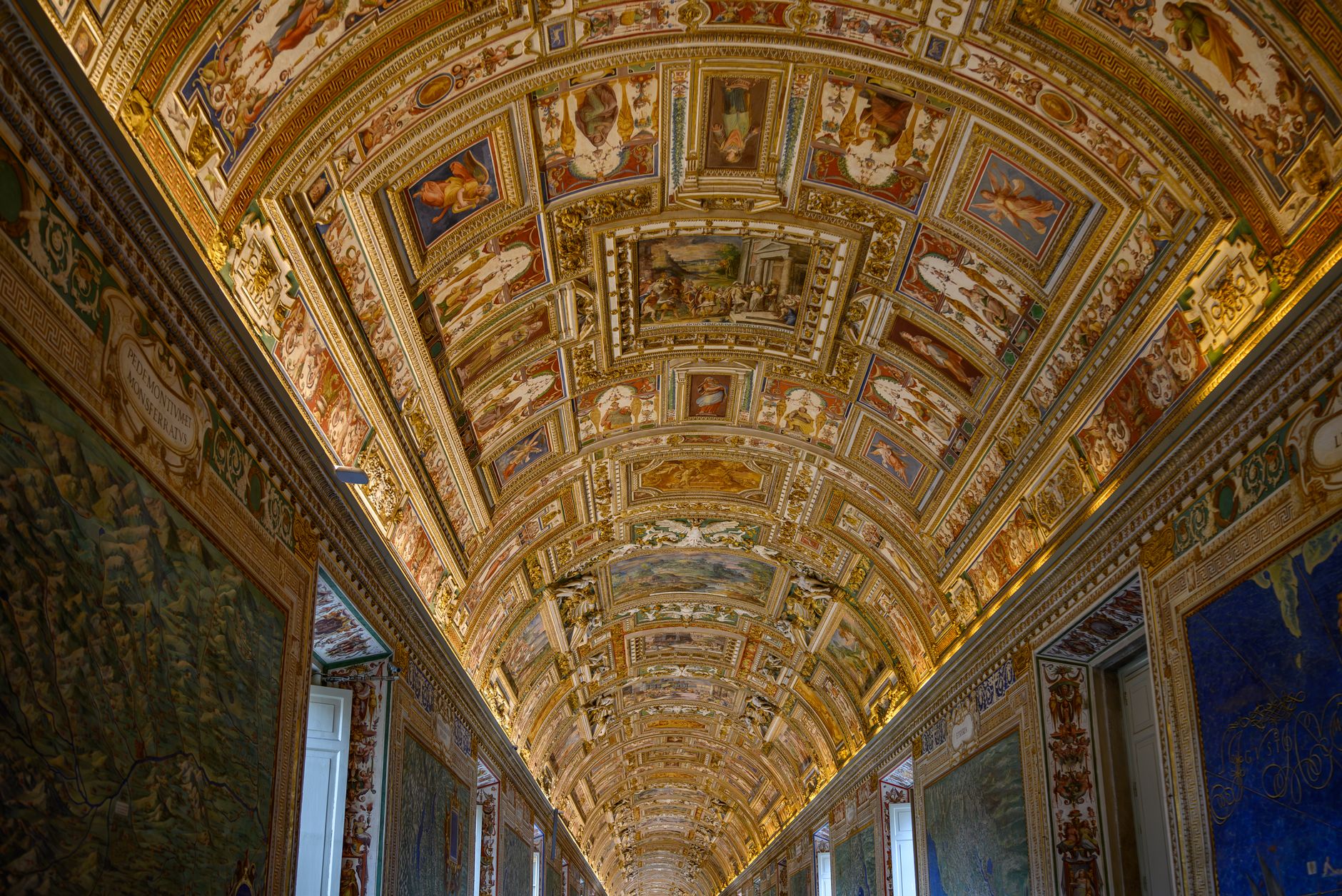
While Dylan and his entourage were scheduled to arrive at 3:45 p.m., they arrived 15 minutes ahead of schedule. After a brief wait, the group was escorted to the Pope’s apartment in the palace known as the Terza Loggia at 4:20 p.m. Spadaro, who arranged the meeting, noted that the atmosphere was one of historical significance, stating, “I felt the thrill of living through a meeting that had the taste of history, with the sense that anything could happen at every step.”
During the meeting, the two sat at a table in the library. While the specific topics of their conversation remain private, Spadaro observed that the interaction was profound, noting, “The way they looked at each other was beautiful, intense.”
There was also notable discussion regarding Dylan’s appearance. Eschewing the traditional formal attire often expected for Vatican audiences, Dylan appeared in a black hoodie with the hood up, layered over a white dress shirt and a loosely hanging necktie. This look, which some observers in publications like GQ compared to the style of actor Timothée Chalamet, did not seem to cause any friction. Spadaro clarified that because the audience was private and unannounced in terms of formal protocol, the Pope found Dylan’s attire to be “entirely natural.”
Why the Meeting Matters: A Convergence of Art and Faith
The meeting is more than a mere celebrity encounter; it represents a deliberate bridge between the Catholic Church and contemporary cultural expression. Pope Leo XIV, a Chicago native born in 1955, has increasingly positioned himself as a defender of the arts and a critic of the rapid, unregulated advancement of artificial intelligence. His interest in Dylan is not merely superficial but deeply rooted in the poet’s ability to tackle complex moral and social issues.
Pope Leo XIV has a documented history of drawing inspiration from Dylan’s lyrical content. In April, while speaking in Cameroon, the Pope echoed the anti-war sentiments found in Dylan’s “Masters of War.” In July, he utilized the themes of “Go Away You Bomb” to address the global concerns regarding nuclear rearmament. This alignment suggests that the Pope views Dylan not just as a musician, but as a modern voice capable of articulating the struggles of the human condition.
Furthermore, the Pope’s own religious identity as an Augustinian provides a unique lens through which he views Dylan’s work. In 1967, Dylan released the album John Wesley Harding, an album that famously features imagery and themes that resonate with the Augustinian tradition. This shared spiritual and poetic language likely provided a foundation for their dialogue.
The Chicago Connection and Patti Smith
The Vatican’s recent engagement with musical icons is not limited to Bob Dylan. Patti Smith, another titan of the music industry, recently held her own audience with Pope Leo XIV. This meeting, which took place on July 31, was facilitated by Spadaro, who had previously met Smith in Amsterdam through the Nexus Institute.
According to Spadaro, the meeting between Smith and the Pope was an intimate affair. Smith, known for her intense and poetic persona, reportedly began the conversation with a whispered “Hi,” a moment that Spadaro noted mirrored the beginning of her song “Wave,” in which she imagines a conversation with Pope John Paul I.
Both Patti Smith and Pope Leo XIV share roots in Chicago, a fact that served as a bridge during their forty-minute discussion. This shared heritage allowed for a conversation that moved beyond formal religious topics into the realms of music, dreams, and shared hopes. The fact that two icons of such different backgrounds—one a punk-rock poet and the other the head of the Catholic Church—found common ground in their shared origins and love for music underscores the Pope’s strategy of cultural diplomacy.
Bob Dylan’s Complex Religious History
To understand the weight of this meeting, one must consider Bob Dylan’s own complicated and often shifting relationship with faith. While he has never been strictly identified with the Catholic tradition, his spiritual journey has been a central theme of his career.
In 1978, Dylan underwent a period of intense religious fervor, becoming a born-again Christian. This era produced a trilogy of significant religious albums:
| Album Title | Release Year | Primary Theme |
|---|---|---|
| Slow Train Coming | 1979 | Christian salvation and social morality |
| Saved | 1980 | Explicitly religious devotion |
| Shot Of Love | 1981 | The struggle between faith and worldly temptation |
This period of his life demonstrated a willingness to engage directly with the divine and the moral responsibilities of the believer. Even earlier in his career, Dylan’s lyrics had toyed with religious and papal imagery. In the 1965 track “Bob Dylan’s 115th Dream” from the album Bringing It All Back Home, he included the line, “I said, ‘For the Pope of Eruke I was employed’ / They let me go right away / They were very paranoid.”
The meeting with Pope Leo XIV represents a full circle for Dylan—a transition from a songwriter who playfully or provocatively referenced the Papacy to a global icon engaging in a serious, private dialogue with its current leader.
The Role of the Dicastery for Culture and Education
The facilitation of these meetings by Antonio Spadaro highlights the growing influence of the Dicastery for Culture and Education. This department of the Holy See is tasked with fostering a dialogue between the Church and the various forms of human creativity.
By engaging with figures like Bob Dylan and Patti Smith, the Dicastery is attempting to ensure that the Church remains a participant in the global conversation regarding ethics, technology, and the human soul. In an era where Pope Leo XIV is vocal about the potential dehumanizing effects of AI, engaging with artists who explore the depths of human emotion and social justice is a key component of his broader mission.
What It Means for Cultural Observers
For fans of music and historians of religion, this meeting signals a shift in how the Vatican interacts with secular culture. If you are a follower of contemporary music or a student of religious history, you can expect to see more of this “cultural diplomacy” in the coming years.
Counterpoints and Open Questions
While the meeting was described as beautiful and intense, several questions remain unanswered. The most obvious is the content of the conversation itself. Spadaro was unable or unwilling to disclose what was actually discussed between Bob Dylan and Pope Leo XIV, leaving the specifics of their dialogue to the realm of speculation.
Furthermore, some critics of the Church might view these high-profile meetings as a form of “celebrity diplomacy” intended to soften the Vatican’s image. There is an inherent tension in a religious institution engaging with figures who have often been seen as counter-cultural or even irreverent. Does the meeting represent a genuine theological dialogue, or is it a strategic move to maintain relevance in a rapidly changing cultural landscape?
Additionally, while the Pope’s interest in Dylan is clear, the extent to which this influences official Vatican policy on social justice or technology remains to be seen. Is the influence reciprocal, or is it merely a shared appreciation for the aesthetic and moral qualities of the music?
What Happens Next
Moving forward, several indicators will reveal the depth of this cultural engagement:
Frequently Asked Questions
What did Bob Dylan and Pope Leo XIV discuss?
While the meeting was described as “intense” and “beautiful” by Antonio Spadaro, the specific topics of the conversation were not disclosed. It is understood that the meeting was private and informal, focused on the intersection of music, culture, and potentially the social themes prevalent in Dylan’s work.
Why was Bob Dylan’s attire notable?
Dylan chose to wear a black hoodie over a white dress shirt and a loose tie, rather than the formal attire typically expected for a Vatican audience. Spadaro noted that Pope Leo XIV found this attire to be entirely natural and appropriate for a private, informal meeting.
How is Pope Leo XIV connected to Bob Dylan’s music?
Pope Leo XIV has a long-standing interest in Dylan’s work, often echoing the themes of his songs in his own speeches. He has specifically referenced themes from “Masters of War” and “Go Away You Bomb” when discussing social justice and nuclear disarmament. His background as an Augustinian and his upbringing in the era of 1960s American rock also contribute to this connection.
Who is Antonio Spadaro?
Antonio Spadaro is a Jesuit priest who serves as the Undersecretary of the Dicastery for Culture and Education of the Holy See. He played a key role in arranging the audiences for both Bob Dylan and Patti Smith with the Pope.
Closing
The meeting between Bob Dylan and Pope Leo XIV stands as a unique moment in modern history, where the boundaries between the sacred and the secular appear to blur. Through the mediation of the Dicastery for Culture and Education, the Vatican has signaled a continued interest in the power of art to address the most pressing questions of the human experience.
References
Featured image: Photo by Balázs Gábor on Pexels