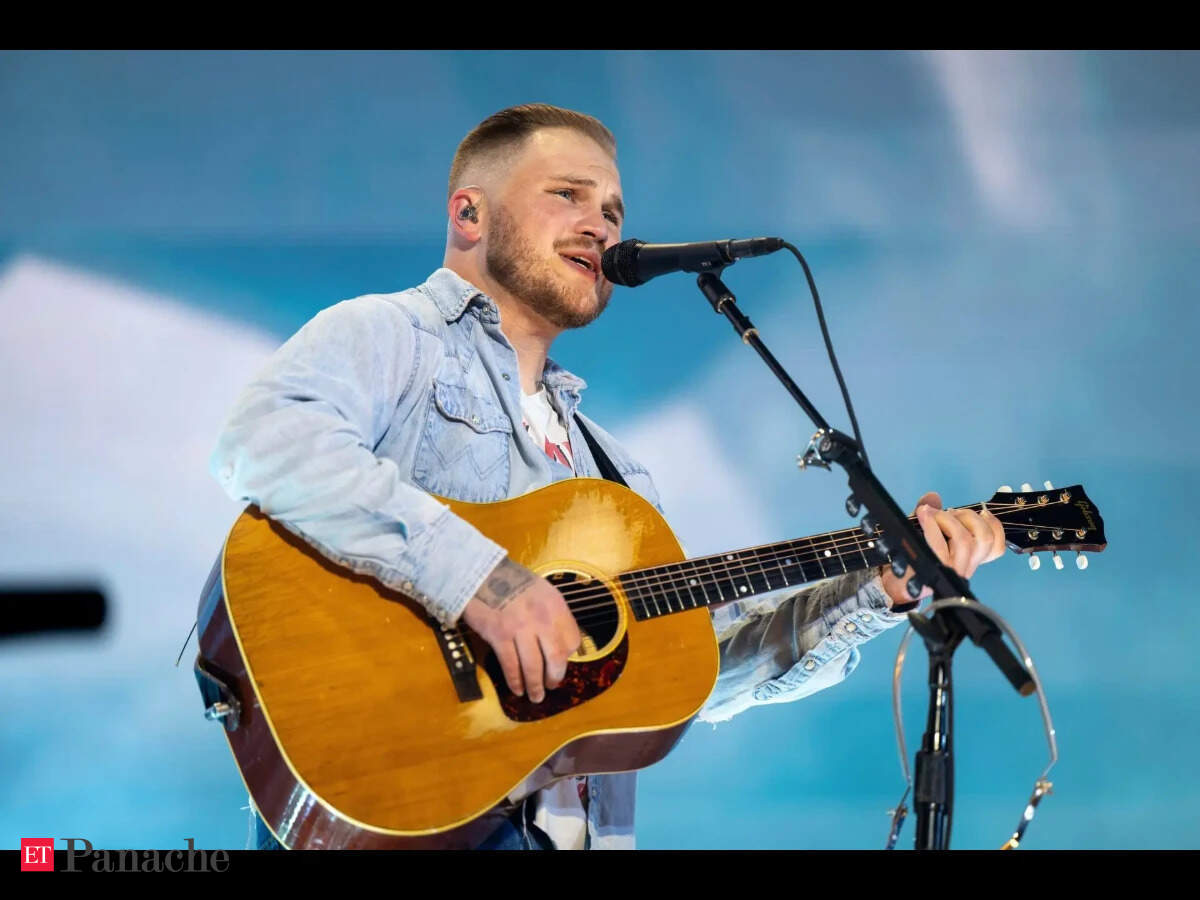
On October 2, 2026, country music sensation Zach Bryan made a significant political statement during his performance at Gillette <a href="https://news.quantosei.com/2026/10/03/zach-bryan-gillette-stadium-why-his-statement-matters/" title="Zach Bryan gillette stadium: Why His Statement Matters”>stadium, wearing a “Free Palestine” T-shirt in a venue owned by NFL magnate Robert Kraft. The move, which occurred during the first of two scheduled sold-out shows at the Foxborough, Massachusetts, venue, serves as a direct challenge to the recent efforts by venue owners to limit political discourse during major musical tours.
Key Takeaways
- Political Statement: Zach Bryan performed at Gillette Stadium while wearing a black T-shirt emblazoned with “FREE PALESTINE” and “AN APPEAL TO HEAVEN.”
- Band Solidarity: Members of Bryan’s band, including guitarist Noah Le Gros, also wore attire expressing support for Palestine, such as a Palestine soccer jersey.
- The Macklemore Precedent: The incident follows the removal of rapper Macklemore from Ed Sheeran’s “Loop” tour after his vocal support for Palestinian liberation at MetLife Stadium.
- Ownership Conflict: The controversy highlights the tension between artists’ rights to free expression and the preferences of powerful venue owners like Robert Kraft.
- Industry Fallout: The fallout from the Macklemore incident led to several artists, including Finneas, withdrawing from major tours in solidarity.
- Financial Response: In the wake of the recent controversies, Robert Kraft and Ed Sheeran announced a $2 million commitment to Palestinian humanitarian relief.
- The Role of Promoters: To what extent do touring promoters like Messina Touring Group act independently, and to what extent are they pressured by venue owners behind closed doors?
- The Economic Viability of Protest Tours: Macklemore’s “Free Palestine Tour” has seen immediate success in Europe, with shows in Dublin, Paris, and London selling out instantly. Does this suggest that there is a sustainable, profitable market for politically-themed tours that bypass traditional venue restrictions?
- The Future of Neutrality: Will major stadium owners eventually implement formal “conduct codes” that explicitly restrict political speech to avoid similar controversies in the future?
- Zach Bryan’s Second Show: The outcome and atmosphere of Bryan’s second scheduled night at Gillette Stadium will be closely watched to see if any further tensions arise between the performer and the venue management.
- Macklemore’s European Success: The continued sell-out status of Macklemore’s upcoming tour dates will provide data on whether political activism can serve as a primary driver for ticket sales.
- Touring Contract Evolution: Industry analysts will be looking for changes in how touring contracts are written, specifically regarding clauses related to political speech and “morality” or “conduct” standards for performers.
- pagesix.com
- m.economictimes.com
- deadline.com
What Happened at Gillette Stadium
On Friday, October 2, 2026, the atmosphere at Gillette Stadium was charged with more than just the energy of a sold-out country music crowd. As Zach Bryan, the 30-year-old singer known for hits like “Revival,” took the stage for his “With Heaven on Tour” stop, he appeared in a black T-shirt featuring the words “FREE PALESTINE” and the phrase “AN APPEAL TO HEAVEN.”
This was not an isolated gesture. According to reports from TMZ and concert footage, members of Bryan’s backing band also signaled their political stance. Noah Le Gros, a guitarist for the group, was observed wearing a green Palestine soccer jersey. While Bryan did not deliver a verbal manifesto or address the political implications of his attire during his set, the visual impact was immediate and widespread.
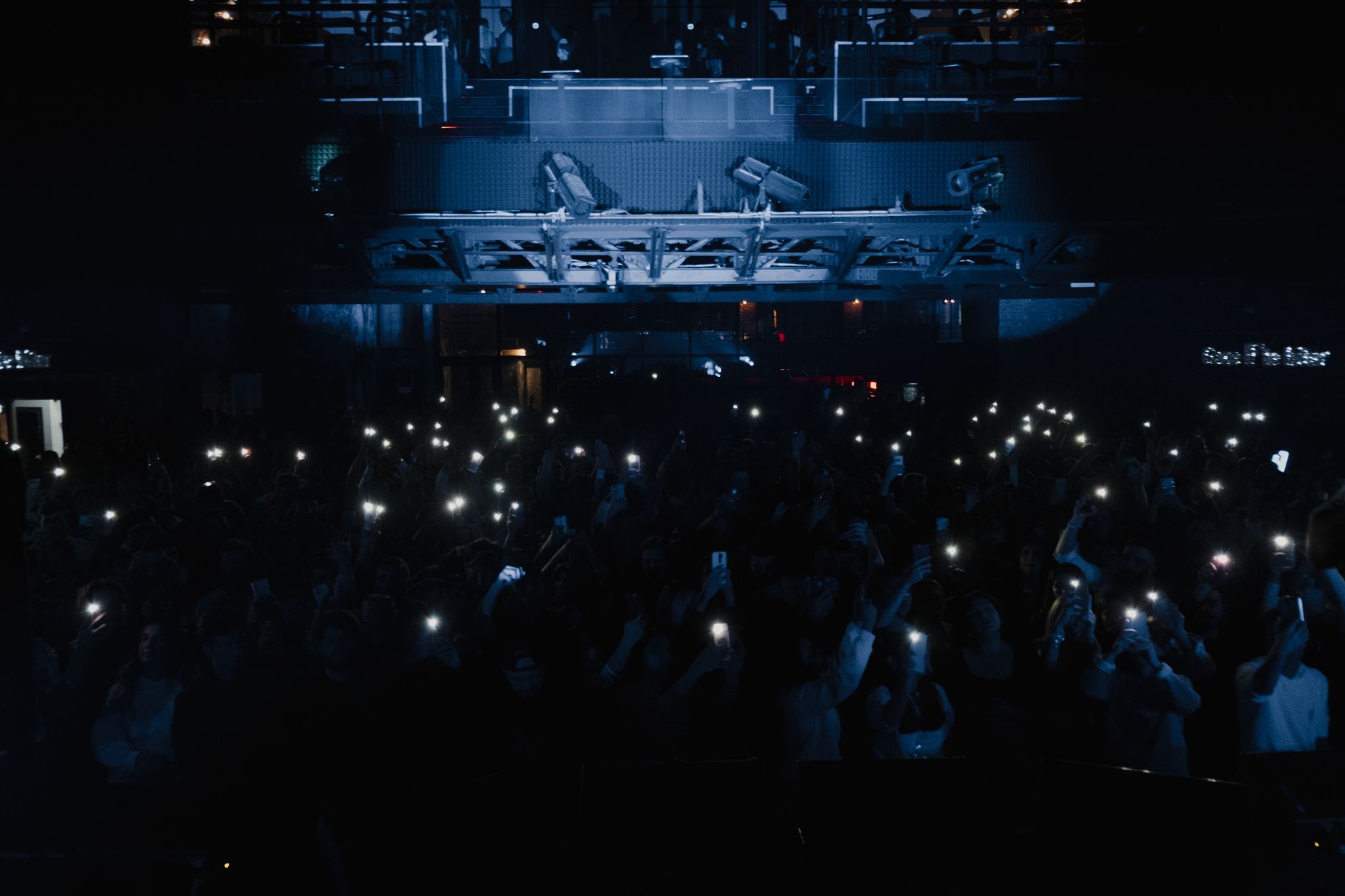
This performance is particularly notable because Gillette Stadium is owned by Kraft Sports and Entertainment, a division of the Kraft Group headed by Robert Kraft. The venue has recently become a flashpoint for debates regarding what kind of speech is permissible on its grounds, following a high-profile confrontation involving rapper Macklemore just weeks prior.
Why It Matters: The Clash of Influence
The incident at Gillette Stadium is not merely about a T-shirt; it represents a growing fracture in the music industry between the political agency of artists and the commercial interests of venue owners and promoters.
For decades, large-scale stadium tours have operated under a standard of perceived neutrality, where the focus remains strictly on the performance to avoid alienating diverse fanbases or offending powerful stakeholders. However, the actions of Zach Bryan and Macklemore suggest that for a new generation of artists, the platform provided by a stadium tour is inseparable from their desire for political advocacy.
This tension is underscored by the massive economic and social power held by individuals like Robert Kraft. As the owner of the New England Patriots and a prominent figure in the NFL, Kraft possesses significant leverage over which tours visit his venues. The recent controversy involving Ed Sheeran’s “Loop” tour demonstrated that this leverage can be used to alter tour lineups, creating a ripple effect that impacts artists, promoters, and fans alike.
The Macklemore Precedent and the Sheeran Fallout
To understand the weight of Zach Bryan’s actions, one must look back to the events of early September 2026. On September 4, Macklemore (also known as Benjamin Haggerty) performed as an opening act for Ed Sheeran at MetLife Stadium in East Rutherford, New Jersey. During that performance, Macklemore wore a keffiyeh and delivered a speech expressing support for Palestinian liberation, stating, “I want those words to be clear so that people from Gaza to the occupied West Bank know that we have not forgotten them.”
Following that performance, a series of events unfolded that fundamentally altered the trajectory of Sheeran’s tour:
| Date | Event | Key Stakeholders |
|---|---|---|
| Sept 4, 2026 | Macklemore delivers pro-Palestine speech at MetLife Stadium | Macklemore, Ed Sheeran |
| Early Sept 2026 | NFL owners threaten to pull Sheeran’s tour from their venues | NFL Owners, Messina Touring Group |
| Mid-Sept 2026 | Macklemore is officially dropped from the “Loop” tour | Macklemore, Ed Sheeran, Messina Touring Group |
| Late Sept 2026 | Finneas and other openers withdraw in solidarity | Finneas, Aaron Rowe, Lukas Graham |
| Late Sept 2026 | Kraft and Sheeran announce $2M relief commitment | Robert Kraft, Ed Sheeran |
| Oct 2, 2026 | Zach Bryan performs at Gillette Stadium with pro-Palestine attire | Zach Bryan, Robert Kraft |
Following the MetLife incident, the Messina Touring Group, the promoter for Ed Sheeran, attempted to mediate. They reportedly promised Macklemore that he would not repeat the political speech on the second night of the tour. However, Macklemore proceeded with his remarks regardless, leading to his swift removal from the remaining United States dates of the tour.
Conflicting Accounts of the Removal
The reasons behind Macklemore’s removal remain a subject of intense debate, with different stakeholders providing vastly different narratives.
Macklemore has alleged that Robert Kraft was personally involved in the decision to bar him from performing at Gillette Stadium, suggesting a direct attempt at censorship by a billionaire. In a statement posted to Instagram on September 24, 2026, Macklemore spoke of a “collective awakening” regarding Palestinian liberation and criticized the “power of billionaires that try to censor that call.”
Conversely, Robert Kraft provided a different rationale in an interview with Al Jazeera. He stated that Macklemore’s performances and what he described as a “broader history of antisemitic rhetoric and imagery” would have “crossed that line” regarding the scheduled appearances at Gillette Stadium on September 25 and 26.
Ed Sheeran has attempted to navigate the middle ground, publicly distancing himself from the decision. In an Instagram post, Sheeran clarified that the decision to remove Macklemore was made by the tour promoter, Messina Touring Group, rather than by Sheeran himself. Sheeran also noted that he had been in direct communication with Kraft in an attempt to resolve the tension.
Stakeholders and the Ripple Effect
The fallout from the Macklemore-Sheeran controversy extended far beyond the two primary artists. It triggered a wave of solidarity that reshaped the tour’s lineup. Finneas, the brother of Billie Eilish, was one of several high-profile opening acts who withdrew from the “Loop” tour.
“Artists must not be silenced when they speak up for the oppressed,” Finneas stated in a public announcement, adding, “I stand with Palestine and its people.” Other artists, including Aaron Rowe and Lukas Graham, along with Sheeran’s backing band, Beoga, also dropped out of the tour following the controversy.
This movement of artists demonstrates a growing trend of professional solidarity, where performers are willing to sacrifice lucrative tour dates to maintain their political integrity. While this provides a powerful voice for social movements, it also creates significant logistical and financial challenges for tour promoters and venue owners who must manage the sudden absence of scheduled talent.
Analysis: The Symbolism of “Appeal to Heaven”
A nuanced detail of Zach Bryan’s attire is the inclusion of the phrase “AN APPEAL TO HEAVEN.” While some may view this as a purely religious sentiment, the phrase carries deep historical and political weight in the United States.
According to the National Park Service, the “Appeal to Heaven” slogan and the associated “Pine Tree” flag are symbols rooted in the American Revolution. During that era, the phrase was used to signal a reliance on divine justice when earthly laws were perceived as unjust. By combining this historical American symbol with a “Free Palestine” message, Bryan may be making a sophisticated argument regarding natural rights and the moral obligation to protest perceived injustice, regardless of the venue or the owner.
What It Means for You
The evolving landscape of political expression in music venues has practical implications for several groups:
For Music Fans
If you attend large-scale stadium tours, expect the line between entertainment and activism to continue to blur. The era of the “politically neutral” stadium show may be waning as artists increasingly use their visual presence to signal their values. Fans should also be aware that tour lineups can change abruptly due to political friction between artists and venue owners.
For Touring Artists
The risk profile for performing at major NFL-owned venues has increased. Artists must now weigh the benefits of playing massive, sold-out stadiums against the potential for professional repercussions if their political views clash with the values or business interests of the venue’s ownership. As seen with Macklemore, a single performance can lead to the loss of an entire tour contract.
For Venue Owners and Promoters
Managing the “political temperature” of a venue is becoming a primary concern. Promoters like Messina Touring Group are increasingly caught in the middle of disputes between talent and owners. The ability to maintain a stable, predictable environment for sponsors and corporate partners is being challenged by the increasing willingness of artists to engage in spontaneous or symbolic protest.
Counterpoints and Open Questions
While the focus of much of the criticism has been on the perceived censorship by venue owners, there are competing perspectives to consider.
Some argue that venue owners, particularly those with significant community and religious ties, have a right to set standards for the type of discourse that occurs on their property. Robert Kraft’s decision to commit $2 million to Palestinian relief efforts is viewed by some as a constructive way to “build bridges” and address the humanitarian crisis without necessarily endorsing the specific political rhetoric used by performers like Macklemore.
Furthermore, several questions remain unanswered:
What Happens Next
Several key developments will signal the direction of this ongoing conflict:
Frequently Asked Questions
Why was Macklemore removed from Ed Sheeran’s tour?
Macklemore was removed from the “Loop” tour following a performance at MetLife Stadium where he expressed vocal support for Palestine. While Ed Sheeran attributed the decision to the tour promoter, Messina Touring Group, Robert Kraft suggested the removal was due to concerns regarding antisemitic rhetoric and imagery. The incident led to a significant rift between the artist and several venue owners.
Who owns Gillette Stadium?
Gillette Stadium is owned by Kraft Sports and Entertainment, which is part of the Kraft Group. The organization is led by Robert Kraft, who is also the owner of the New England Patriots NFL team.
What did Zach Bryan wear at his concert?
During his performance on October 2, 2026, Zach Bryan wore a black T-shirt that featured the phrase “FREE PALESTINE” and “AN APPEAL TO HEAVEN.” Members of his band also wore clothing expressing support for Palestine, including a Palestine soccer jersey worn by guitarist Noah Le Gros.
Did Robert Kraft support Palestinian relief?
Yes. Following the controversies surrounding the Macklemore and Ed Sheeran tour, Robert Kraft and Ed Sheeran announced a joint commitment of $2 million to aid in Palestinian humanitarian relief efforts, aiming to address the humanitarian crisis in the region.
Zach Bryan’s recent performance at Gillette Stadium serves as a potent reminder that the stage is no longer just a place for music; it is a contested space where the political convictions of artists and the commercial interests of venue owners continue to collide.
References
Featured image: Image via The Economic Times