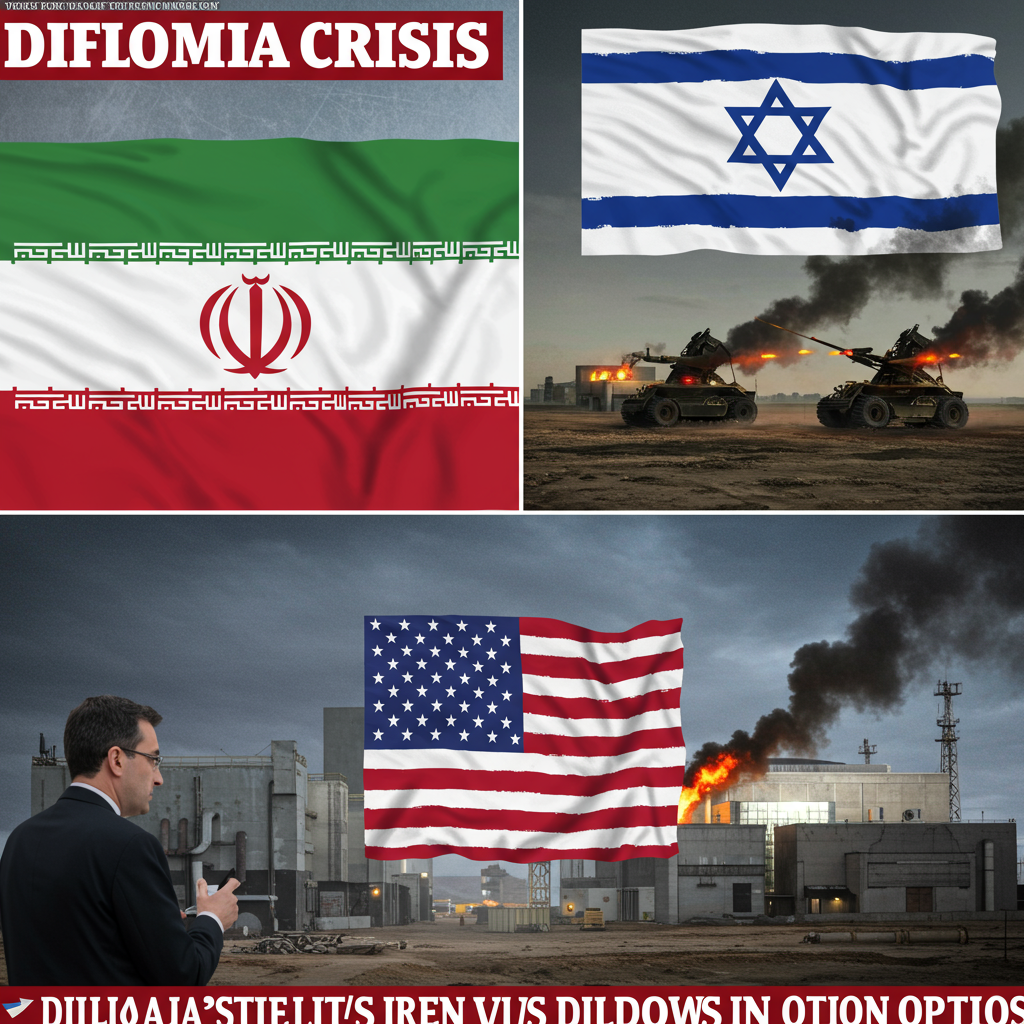
The volatile Middle East stands at a precipice as a fragile two-week ceasefire between the United States and Iran teeters on the brink. Recent events have ignited fears of widespread conflict, shaking global markets and demanding immediate international attention. At the center of this escalating tension is the US seizure of an Iranian-flagged cargo ship and Tehran’s swift, defiant vow of retaliation.
This article dissects the critical developments surrounding April 19, 2026, exploring the military actions, diplomatic impasses, and dire economic consequences. It provides essential insights into the complex power plays impacting the Strait of Hormuz, international peace efforts, and the broader regional stability. Understanding these unfolding events is crucial for grasping the potential trajectory of this severe geopolitical standoff.
US Forces Seize Iranian Cargo Vessel, Fueling Regional Outrage
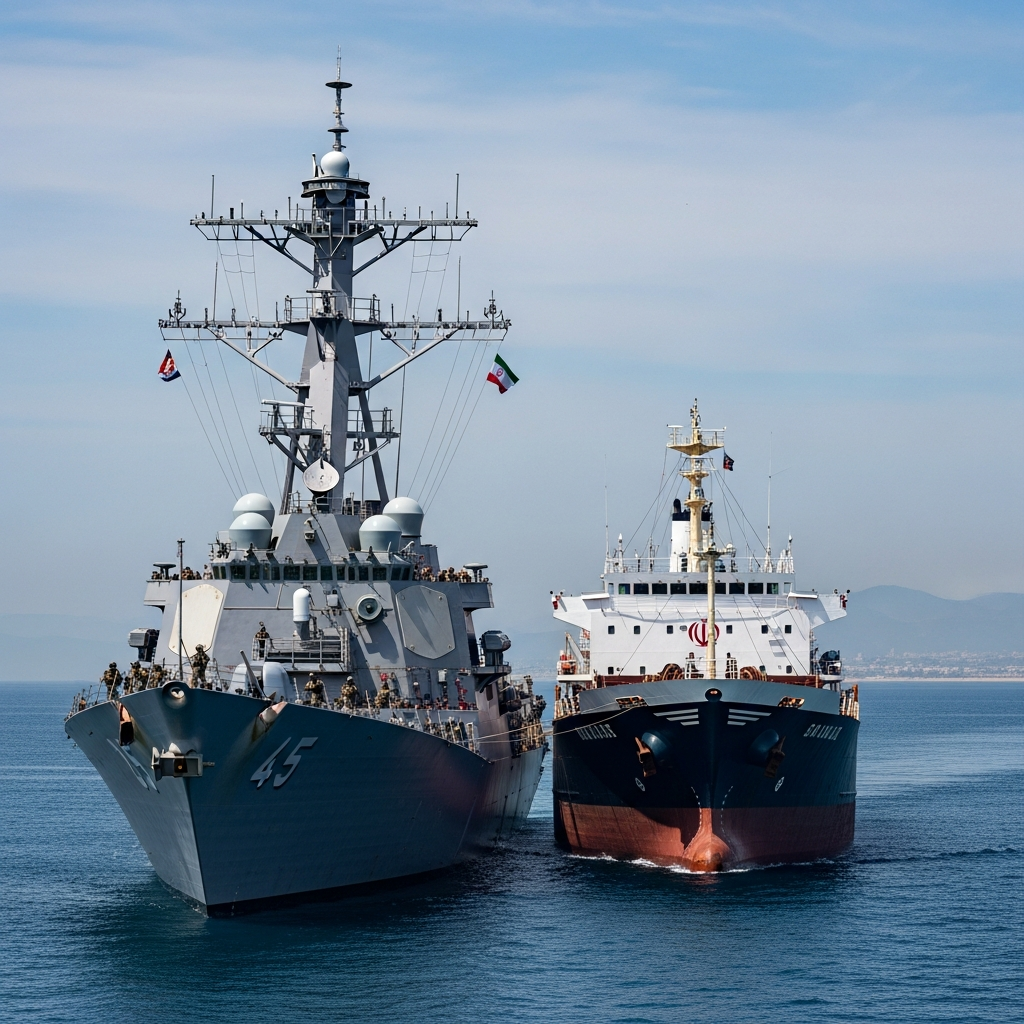
On Sunday, April 19, 2026, President Donald Trump announced a significant military escalation: US Marines had seized an Iranian-flagged cargo ship, identified as the Touska, near the strategic Strait of Hormuz. Trump claimed the vessel attempted to evade a US naval blockade. According to his statement on Truth Social, US naval forces in the Gulf of Oman issued warnings for six hours.
When the Touska reportedly continued its evasion, US Navy personnel “blew a hole in the enginerom” to immobilize it. US Marines then boarded the US-sanctioned ship, taking custody and commencing an inspection of its contents. This aggressive action marked a dramatic shift, intensifying the already strained relationship between Washington and Tehran.
Iran Condemns “Armed Piracy,” Promises Swift Retaliation
Tehran’s response was immediate and furious. Iran’s top joint military command, the Hazrat Khatam al-Anbiya Central Headquarters, swiftly condemned the US operation. They labeled the seizure as an “act of armed piracy” and a direct violation of the existing ceasefire agreement. The spokesperson for the headquarters vowed a “swift and proportionate” military response against what they termed “armed piracy by the US military.”
Iranian state media further clarified that the seized vessel was a commercial ship. It was reportedly en route from China to Iran, underscoring the perceived economic aggression of the US blockade. Iranian President Masoud Pezeshkian expressed deep suspicion regarding US “bullying and unreasonable behavior” in a phone call with Pakistan’s prime minister. He articulated fears of repeated diplomatic betrayals by Washington.
Foreign Minister Abbas Araghchi conveyed similar sentiments to his Pakistani counterpart. He stated that recent US actions and rhetoric showcased “bad intentions and lack of seriousness in diplomacy.” This incident further solidified Iran’s resolve, setting a confrontational tone for the days ahead.
The Strait of Hormuz: A Global Choke Point in Crisis
The Strait of Hormuz remains a critical flashpoint, its status shifting rapidly amid the escalating Iran-US conflict escalation. This narrow waterway, essential for global trade, handles approximately one-fifth of the world’s oil. It also facilitates vital supplies like natural gas, fertilizer, and humanitarian aid. Iran views control over the strait as its “most powerful weapon” to exert political pressure.
Initially, Iran reopened the strait on Friday, following a 10-day ceasefire between Israel and Hezbollah in Lebanon. However, this decision was quickly reversed within 24 hours. Tehran reimposed restrictions, citing the ongoing US naval blockade of its ports and shipping. President Trump accused Iran of violating the ceasefire by “firing bullets” at ships in the Strait on Saturday.
Conversely, Iran argues the US blockade itself constitutes a ceasefire violation. Foreign Ministry spokesman Ismaeil Baqaei labeled it an “unlawful and criminal” act of aggression. He further described it as a “war crime” and a “crime against humanity,” claiming it inflicted collective punishment on the Iranian population. Amid these tensions, Germany offered mine clearance and maritime reconnaissance assistance. This offer came after Iranian authorities hinted at the presence of underwater mines.
Despite the heightened risks, two Germany-based TUI cruise ships, Mein Schiff 4 and Mein Schiff 5, successfully transited the Strait on Sunday. They proceeded to the Mediterranean Sea with reduced crews, having secured necessary approvals. This passage highlighted the complex and unpredictable maritime environment. Hundreds of vessels reportedly remain stalled at both ends of the strait.
Diplomacy at a Deadlock: Peace Talks Collapse
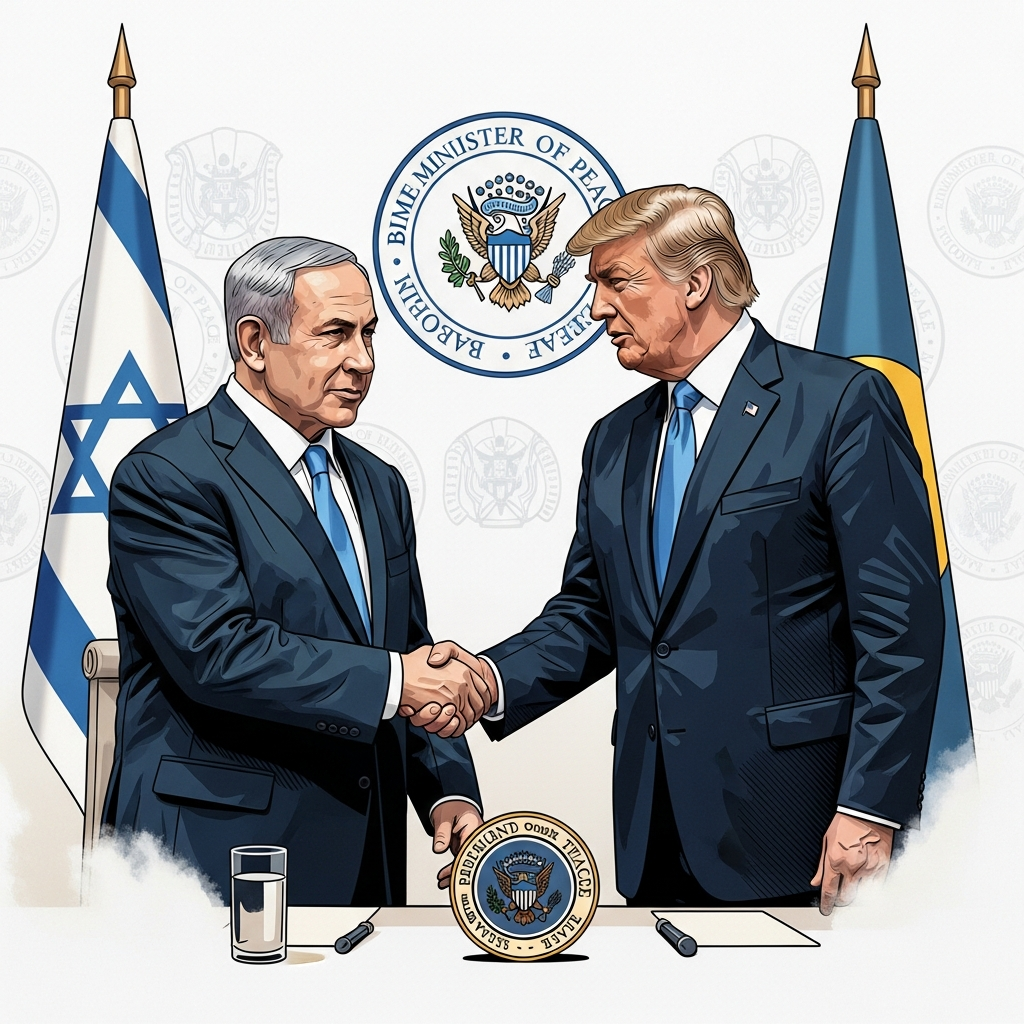
Attempts at de-escalation through diplomacy have stalled. Pakistan sought to mediate a new round of talks in Islamabad between the US and Iran. President Trump confirmed dispatching a US delegation, including Vice President JD Vance, Jared Kushner, and Steve Witkoff, for discussions on Monday evening. However, Iran emphatically stated it had “no plans” to participate in these new negotiations.
Tehran’s primary precondition for re-engaging in talks is the immediate lifting of the US naval blockade on its ports. This demand has been consistently reiterated by Iranian state media and officials. The previous 21-hour negotiating session on April 11 in Islamabad ended without a breakthrough. Iranian Parliament Speaker Mohammad Bagher Ghalibaf stated the US “ultimately failed to gain the trust of the Iranian delegation.”
Further hindering progress, Iranian news agencies cited Washington’s “maximalism and unreasonable and unrealistic demands.” They also pointed to “frequent changes of positions” and “constant contradictions” as major obstacles. Another significant point of contention revolves around Iran’s uranium enrichment program. Trump claimed Iran agreed to surrender 440 kg of enriched uranium. However, Iran’s Foreign Ministry spokesperson vehemently denied this, stating the transfer was “never been raised in negotiations.” Pakistani Prime Minister Shehbaz Sharif continues to reaffirm his country’s commitment as a peace facilitator.
Global Economic Ripple Effects from the Standoff
The intensifying tensions immediately sent shockwaves through global markets. In early Asian trading on Monday, Brent crude oil prices soared by as much as 7%, reaching $96.85 a barrel. This sharp increase reflects deep investor concern over the volatile Middle East situation. The US dollar appreciated against several major currencies, including the euro and the Japanese yen. Conversely, equity futures, such as the S&P 500, experienced a decline of about 0.9%.
This market instability signals a deepening global energy crisis. Iran’s First Vice President, Mohammad Reza Aref, issued a stark warning: “either a free oil market for all, or the risk of significant costs for everyone.” This implies Iran’s readiness to sustain global economic pain if its demands for an end to military and economic pressure are not met. The conflict’s economic impact threatens global growth, with the IMF previously warning of near-recession levels due to market disruptions. This prolonged Hormuz blockade could have severe worldwide implications.
Escalating Threats and Regional Instability
President Trump’s rhetoric has grown increasingly severe amidst the stalemate. He issued stark warnings, stating that if Iran does not accept a “very fair and reasonable DEAL,” the US would “knock out every single Power Plant, and every single Bridge” in Iran. He emphasized a “NO MORE MR. NICE GUY!” stance. These threats have drawn widespread criticism and warnings of potential war crimes.
The regional impact extends beyond the immediate US-Iran confrontation. French President Emmanuel Macron announced a meeting with Lebanese Prime Minister Nawaf Salam. This meeting follows an ambush on UN peacekeepers in Lebanon, an incident for which France blamed the Iran-backed militant group Hezbollah. Macron urged Lebanese authorities to investigate and prosecute those responsible. This highlights France’s commitment to the ceasefire in Lebanon and broader regional stability.
The wider conflict, initiated by the US and Israel against Iran on February 28, was in its eighth week. It has already resulted in thousands of casualties across Iran, Lebanon, Israel, and Gulf Arab states, affecting both military personnel and civilians. Humanitarian crises include over 227,000 displaced from Lebanon. Iran has also implemented an internet blackout for “security reasons,” which many citizens decry as “digital apartheid.”
Frequently Asked Questions
What sparked the latest escalation in the Iran-US conflict?
The most recent escalation was triggered by the US seizure of an Iranian-flagged cargo ship, the Touska, near the Strait of Hormuz on April 19, 2026. US President Trump stated the ship was attempting to evade a US naval blockade. Iran condemned this as “armed piracy” and a violation of the ceasefire, vowing a swift military response. This incident occurred as a fragile two-week ceasefire neared its expiration, further inflaming already high tensions and contributing to the broader Iran cargo ship seizure crisis.
Why is the Strait of Hormuz central to these tensions?
The Strait of Hormuz is a critical global chokepoint, through which roughly one-fifth of the world’s oil and other vital supplies pass. Iran views its control over the Strait as a powerful leverage point against the US. The Strait’s status has been volatile, with Iran initially reopening it, then quickly re-closing it in response to the US naval blockade. Both sides accuse each other of violating ceasefire agreements regarding access and navigation through this strategic waterway, directly impacting global trade and energy security.
How is the current Middle East standoff affecting global markets?
The heightened geopolitical tensions have significantly impacted global markets. Immediately following the US ship seizure and Iran’s threats, Brent crude oil prices soared by as much as 7%, reaching $96.85 a barrel. The US dollar also appreciated, while equity markets, like the S&P 500, saw declines. This market volatility reflects deep investor concern over potential disruptions to oil supplies from the Middle East, contributing to an already severe global energy crisis and raising fears of broader economic downturns, especially as peace talks collapse.
The Future of US-Iran Relations: An Uncertain Path
The US seizure of an Iranian ship and Tehran’s vow of retaliation have pushed the delicate balance in the Middle East to a dangerous point. With diplomatic avenues seemingly blocked by mutual mistrust and non-negotiable demands, the region braces for potential further escalation. The Strait of Hormuz remains a precarious stage for this high-stakes standoff, its fate intrinsically linked to global energy security and economic stability. As the ceasefire expires, the world watches anxiously, hoping for a path to de-escalation that currently appears elusive.