The 2026 Rock the Country festival circuit is currently navigating a wave of significant changes, from unexpected headliner swaps to a contentious ticket pricing strategy. In a notable development, multi-platinum rock band Staind has stepped in to headline the Sioux Falls, South Dakota stop, replacing country-rock superstar Jelly Roll. This alteration, coupled with multiple artist withdrawals and a festival stop cancellation, highlights a challenging period for the event that aims to celebrate patriotism and community through music. Adding to the complexities, a recent deep discount on tickets has sparked considerable outrage among early bird attendees, raising questions about fairness and long-term festival loyalty.
Staind Takes Over: A Headliner Shift in Sioux Falls
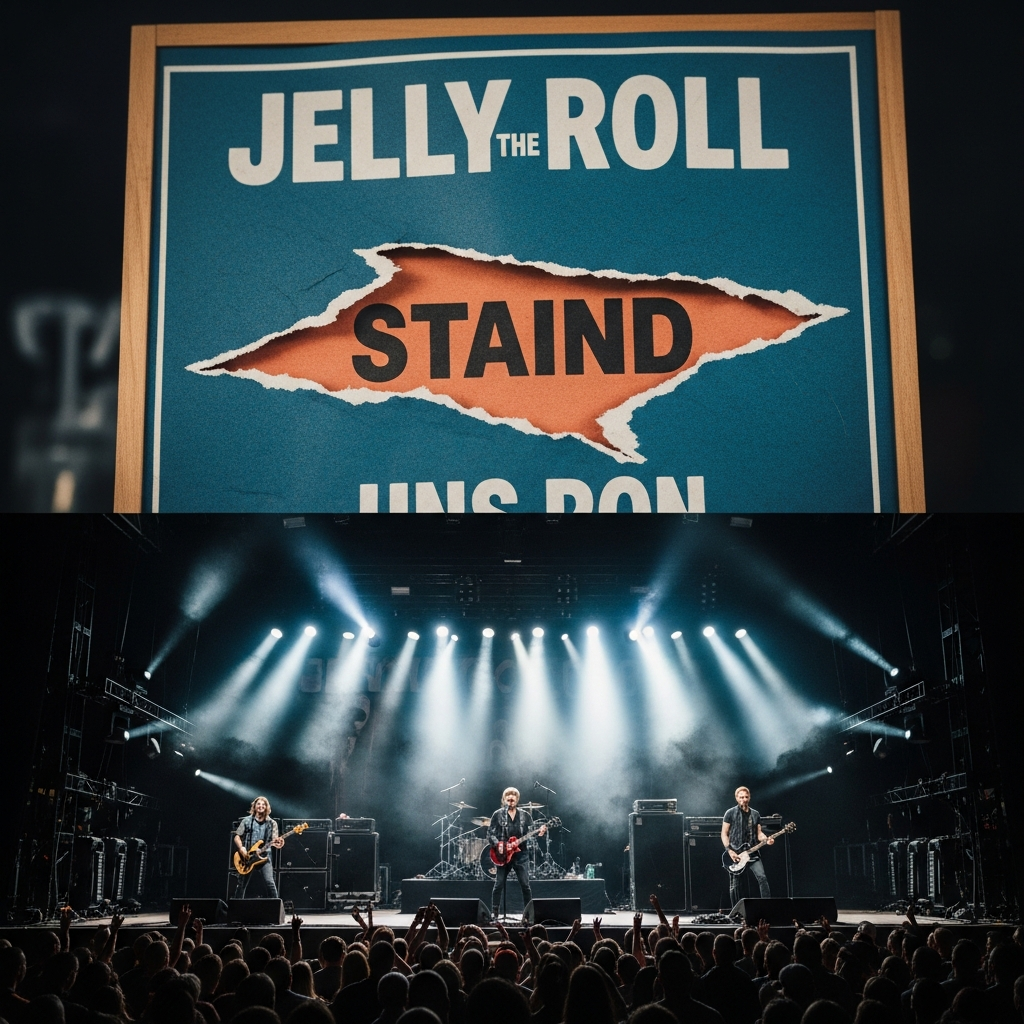
Organizers for the Rock the Country festival recently announced a pivotal change for their Sioux Falls, South Dakota stop. On June 28, the second night of the two-day event will now feature alternative metal giants Staind as the headlining act. This move comes after Jelly Roll, originally slated to top the bill, pulled out of the Sioux Falls date. Interestingly, Staind’s frontman, Aaron Lewis, was already scheduled to perform at other festival locations with his solo project, The Stateliners, making the band a somewhat natural, albeit last-minute, replacement to fill the void at the top of the lineup.
It’s important for fans to note that Jelly Roll’s absence is specific to the Sioux Falls show. He remains confirmed and is expected to perform at his other scheduled Rock the Country appearances in Bloomingdale, Georgia, and Ashland, Kentucky. This selective withdrawal underscores the dynamic and often fluid nature of large-scale music festival bookings, particularly for artists with demanding tour schedules.
Unpacking the Broader Lineup Turmoil
The shift in headliners for Sioux Falls is far from an isolated incident for the Rock the Country festival. Since its initial announcement earlier this year, the touring event has seen a growing list of artists withdrawing from their commitments. Prominent acts such as Shinedown, Ludacris, Morgan Wade, and Carter Faith have all exited the lineup. These departures have contributed to a sense of instability around the festival’s roster.
One of the most significant impacts of these withdrawals was the complete cancellation of the planned Anderson, South Carolina, festival stop. This decision came shortly after Shinedown, and previously Creed, bowed out of their appearances in Anderson. Shinedown’s departure, in particular, generated headlines as the band reportedly faced “extreme pushback” from fans due to the festival’s politically charged reputation. Similarly, rapper Ludacris’s brief involvement was attributed to a “miscommunication” by his representatives, further highlighting the complexities and public scrutiny surrounding this event.
The Controversial Ticket Price Slash and Fan Outcry
Beyond the evolving lineup, the Rock the Country festival has ignited a storm of controversy over its ticketing strategy. In an attempt to boost flagging sales and, according to organizers, assist concert-goers with rising transportation costs, the festival launched a limited-time promotion. This offer provided up to 50% off general admission passes for any of its seven small-town stops. Attendees could purchase single-day tickets for $59 and weekend passes for $99 using a special “FUEL” code, with the discount valid until April 23rd.
While framed as a consumer-friendly initiative, this drastic price reduction was met with widespread anger and a significant social media backlash. Fans who had purchased their tickets months in advance, often at full price during presales, felt “screwed out of quite a bit of money.” Many early buyers recalled assurances that presale prices would be the absolute lowest available. Online platforms like Instagram and Facebook quickly filled with comments from frustrated attendees demanding partial refunds or expressing regret for buying early. One fan calculated a nearly $450 difference for seven tickets, while others voiced concerns that this policy would discourage future early purchases, leading to even further struggles for festivals. The underlying sentiment among critics was that the discount was primarily a reactive measure to slow ticket sales, rather than solely a response to fuel costs.
Rock the Country’s Ethos: Patriotism, Community, and Political Undercurrents
The Rock the Country festival, co-founded by Kid Rock in 2024, set out with a distinctive mission: to bring a blend of rock and country music to smaller American towns that typically miss out on major shows. A core pillar of the festival’s identity is its focus on patriotism and community, explicitly aiming to celebrate these values. Kid Rock himself has described the event as more than just a music festival, calling it a “movement” for “hard-working, God-fearing patriots to gather as one and celebrate freedom, music, and the party of the year.” The 2026 edition also holds significance as it anticipates America’s 250th anniversary.
However, this strong emphasis on conservative values has also made the festival a “contentious” event, frequently labeled a “MAGA fest.” It explicitly ties itself to right-wing politics and features performers known for their conservative leanings, including Kid Rock and now Staind frontman Aaron Lewis, who is a vocal advocate for conservative politics. This political alignment has undeniably played a role in both attracting a specific audience and, conversely, contributing to the “extreme pushback” and withdrawals from artists like Shinedown who preferred not to be associated with such a polarizing event. Navigating this blend of music, patriotism, and explicit political stance remains a defining challenge for the festival.
Remaining Stops on the Rock the Country 2026 Tour
Despite the evolving lineup and ticket controversies, the Rock the Country festival still has several dates planned for 2026, featuring a rotating list of acts including Kid Rock, Jason Aldean, Blake Shelton, Jelly Roll (for most dates), Brooks & Dunn, Miranda Lambert, Hank Williams Jr., Ella Langley, and Lynyrd Skynyrd.
Here are the confirmed remaining stops:
May 1-2 – Bellville, Texas
May 29-30 – Bloomingdale, Georgia
June 27-28 – Sioux Falls, South Dakota (now featuring Staind)
July 10-11 – Ashland, Kentucky
Aug. 8-9 – Hastings, Michigan
Aug. 28-29 – Ocala, Florida
- Sept. 11-12 – Hamburg, New York
- loudwire.com
- chaoszine.net
- www.theprp.com
- www.irishstar.com
- tasteofcountry.com
The festival continues to promote these dates, aiming to deliver its promised blend of rock and country music to small-town America, even as it navigates ongoing challenges.
Frequently Asked Questions
Why did Jelly Roll pull out of the Rock the Country Sioux Falls stop?
Jelly Roll withdrew from the June 28th Sioux Falls, South Dakota performance due to a scheduling conflict. While his representative did not provide further details, he remains confirmed for his other two Rock the Country festival dates in Bloomingdale, Georgia, and Ashland, Kentucky. Rock band Staind, whose frontman Aaron Lewis was already slated to perform at the festival with his solo act, has been announced as Jelly Roll’s replacement for the Sioux Falls headlining slot.
Which other artists have withdrawn from the Rock the Country festival?
Several artists have pulled out of the Rock the Country festival since its initial announcement. Notable withdrawals include Shinedown, Ludacris, Morgan Wade, and Carter Faith. Shinedown’s departure, in particular, led to intense fan criticism regarding the festival’s political associations. The widespread artist exits ultimately resulted in the complete cancellation of the planned Anderson, South Carolina festival stop.
What caused the backlash over Rock the Country’s discounted ticket prices?
The Rock the Country festival faced significant backlash after announcing a limited-time offer of up to 50% off general admission passes. While organizers stated the discount was to help attendees with rising fuel costs, fans who had purchased tickets early at full price felt cheated. Many had bought during presales, under the impression those would be the lowest prices. This move led to widespread complaints on social media, with early buyers demanding refunds and questioning the fairness of punishing loyal supporters for purchasing tickets in advance.
Conclusion
The 2026 Rock the Country festival season is shaping up to be a complex narrative of musical anticipation, logistical challenges, and public relations hurdles. The replacement of Jelly Roll with Staind in Sioux Falls, the growing list of artist withdrawals, and the significant backlash over discounted tickets paint a picture of an event striving to find its footing amidst controversy. As the festival progresses through its remaining dates, all eyes will be on how organizers navigate these challenges while attempting to fulfill their vision of bringing patriotic rock and country experiences to smaller communities across America. For both fans and the industry, the Rock the Country festival offers a compelling case study in the dynamic, often unpredictable world of live music events.