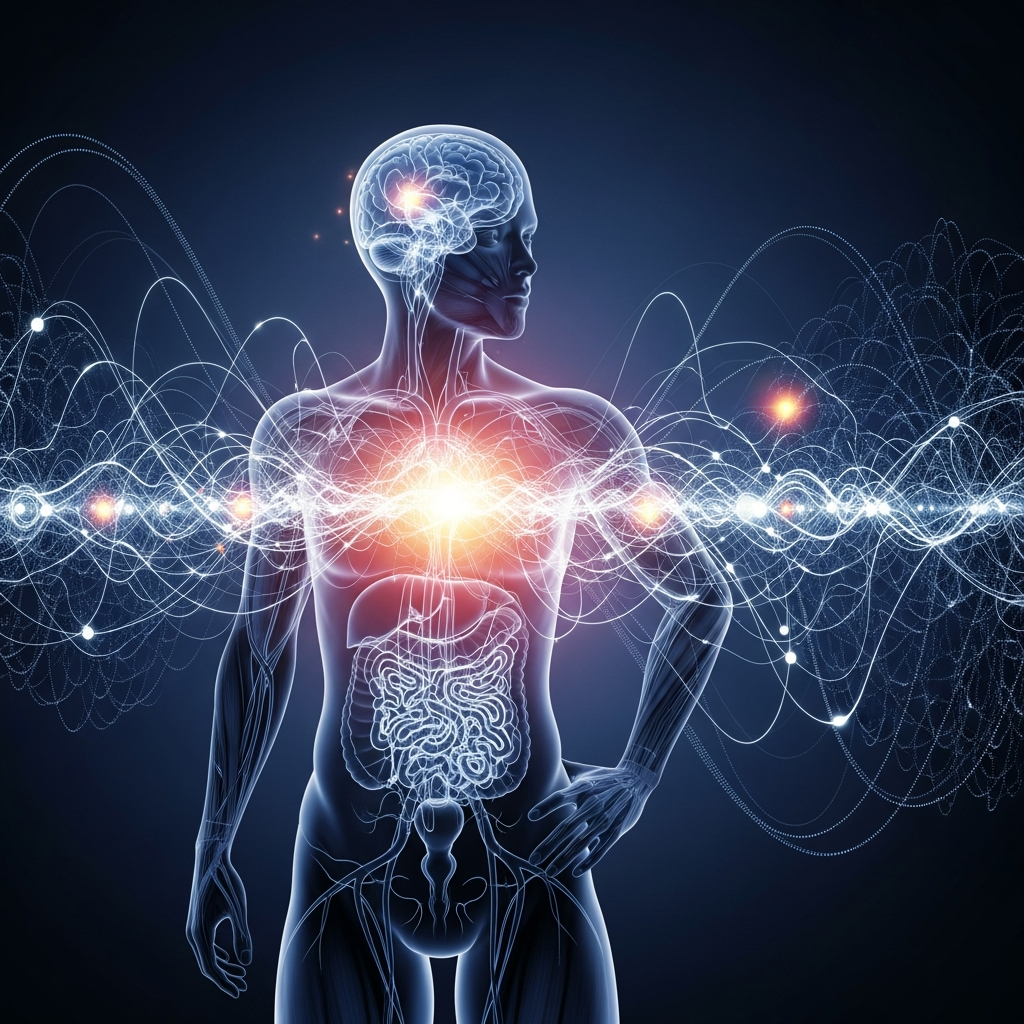
Often associated with gym workouts and sculpted physiques, protein’s true impact on our health is far more profound. This vital macronutrient is indispensable for every single cell in your body, driving growth, repair, and optimal function. When your diet lacks sufficient protein, or your body struggles to absorb it, the consequences can silently undermine your well-being, affecting everything from your energy levels to your mental clarity. Understanding protein’s critical role and how to maximize its absorption is key to vibrant health.
The Indispensable Role of Protein in Your Body
Protein isn’t just for muscles; it’s the fundamental building block for life itself. Composed of amino acids, these organic compounds form the scaffolding for your skin, hair, nails, bones, and vital organs like your heart and lungs. Beyond structure, proteins are essential for producing hormones, enzymes that catalyze bodily reactions, and critical brain chemicals. Without adequate protein, the body cannot maintain these basic, life-sustaining functions.
Beyond Muscle: Every Cell’s Builder
Every second, your body is engaged in a continuous process of breaking down and rebuilding its tissues. Proteins are at the heart of this constant regeneration. They transport oxygen, produce antibodies to fight infection, and even regulate fluid balance. Ignoring their importance can lead to widespread cellular dysfunction, impacting your health from the inside out.
The Essential Amino Acid Puzzle
Of the 20 different amino acids that make up proteins, nine are considered “essential.” This means your body cannot produce them on its own, making dietary intake absolutely crucial. Professor Stuart Phillips, a leading expert from ZOE, emphasizes that your body constantly needs these essential amino acids, as they are degraded and excreted daily. The liver can synthesize non-essential amino acids, but it relies on a steady supply of essential ones from your diet.
Hidden Dangers: The Silent Signs of Protein Deficiency
A lack of protein doesn’t always announce itself with dramatic symptoms. Often, the early warning signs are subtle, easily dismissed as general fatigue or stress. However, these quiet signals can escalate into more serious, long-term health issues if left unaddressed.
Early Warning Signals
Watch out for these common, yet overlooked, indicators that your body might be craving more protein:
Persistent Tiredness: Feeling constantly drained, even after adequate rest, can stem from inadequate protein to fuel cellular energy and repair.
Hair Thinning & Brittle Nails: Protein is a primary component of keratin, the structural protein in hair and nails. A deficiency can lead to noticeable weakening.
Slow Wound Healing: Protein is vital for tissue repair and collagen formation, which are crucial for mending injuries.
Frequent Infections: Your immune system relies on proteins to produce antibodies that fight off pathogens. Low protein intake can compromise your body’s defenses.
Deeper Impact: Muscle Loss & Weakened Immunity
Beyond these surface-level signs, chronic protein deficiency can lead to more significant internal damage. Muscle loss, known as sarcopenia, begins gradually for most people in their thirties, accelerating after age 50, particularly in women due to declining estrogen levels. When dietary protein is insufficient, the body sacrifices muscle tissue to obtain amino acids for more critical functions, such as immune response or enzyme production. This makes muscle a “labile reserve” that your body taps into during times of stress or illness, directly impacting strength, mobility, and overall functional ability in later life, as highlighted by Professor Phillips.
Brain on Low Protein: Cognitive & Mood Impacts
The brain, one of the body’s most energy-demanding organs, is particularly vulnerable to protein deficiency. Its intricate functions rely heavily on a consistent supply of amino acids.
Neurotransmitters & Mental Clarity
Proteins provide the essential amino acids needed to produce vital neurotransmitters like dopamine, serotonin, and norepinephrine. These chemical messengers are responsible for regulating your mood, focus, sleep patterns, and memory. Dr. Pradyut Ranjan Bhuyan, Sr Consultant – Neurology, Manipal Hospital Bhubaneshwar, notes, “Proteins supply essential amino acids that are critical for the production of neurotransmitters.” When protein intake drops, the production of these crucial brain chemicals suffers, leading to a cascade of cognitive and emotional issues.
Developmental Risks & Adult Brain Fog
For children, inadequate protein during key developmental stages can have lasting consequences, impairing synapse formation and reducing brain plasticity, according to Dr. Bhuyan. This can manifest as delayed learning, poor attention spans, and lower academic performance. In adults, the effects present differently, often as persistent brain fog, unexplained mood swings, and a noticeable drop in motivation. Dr. Ramesh Patail, Consultant – Neurology, Manipal Hospital Hebbal, adds that protein deficiency “can lead to reduced brain development, decreased memory power, and mood swings.” These aren’t merely lifestyle complaints; they are often direct indicators of underlying nutritional deficiencies.
Who’s at Risk? Understanding Protein Gaps
While protein deficiency is rare in severe forms in developed nations where calorie intake is generally high, insufficient quality protein intake remains a concern for specific populations.
A Global Concern, Especially in Vulnerable Groups
Globally, and particularly in regions like India, protein deficiency affects vulnerable groups such as children and women. Data from the National Family Health Survey (NFHS-5) by the Government of India points to significant rates of undernutrition, stunting, and wasting in children, all linked to poor protein intake. The Indian Council of Medical Research (ICMR) further provides dietary guidelines to address these specific needs. Women over 50 are another high-risk group due to age-related muscle loss and hormonal changes, requiring a slightly higher protein intake to mitigate sarcopenia and support bone health, as shared by Dr. Brynna Connor.
The Protein Paradox: Enough Calories, Not Enough Quality
A common paradox in many modern diets is being “calorie-rich but protein-poor.” As highlighted by experts from HuffPost and AgFundernews, many people in developed countries consume enough total calories but lack a balanced intake of high-quality protein and other essential nutrients. The focus on highly processed foods often means missing out on the nutrient density of whole, unprocessed protein sources.
Beyond Intake: Mastering Protein Absorption for Optimal Health
Simply eating protein isn’t enough; your body must effectively absorb it. “Improving protein absorption is just as important as increasing intake,” states Dr. Bhuyan. This ensures that the amino acids are available to fuel your body and brain.
The Absorption Imperative
Protein digestion begins in the stomach and continues in the small intestine, where amino acids are absorbed into the bloodstream. Factors like gut health, the presence of specific vitamins, and even the way you combine foods can significantly influence this process. Optimizing absorption means getting the most nutritional value from every bite.
Expert-Backed Strategies to Boost Absorption
Dr. Ramesh Patail and other experts offer practical strategies to enhance your body’s ability to utilize protein:
- Smart Protein Choices: Quality Over Quantity
- The Vitamin B6 Connection
- Power of Natural Enzymes
- Nurturing Your Gut Microbiome
- Strategic Meal Spacing
- Hydration & Professional Guidance
- timesofindia.indiatimes.com
- zoe.com
- agfundernews.com
- www.womansworld.com
- <a href="https://www.huffpost.com/entry/eating-enough-proteinl6895f260e4b001d68aee01fd”>www.huffpost.com
Prioritize high-quality protein sources like lean meats, fish, eggs, and dairy (curd, buttermilk). For plant-based options, include beans, lentils, peas, tofu, nuts, and seeds. A balanced “protein pyramid” emphasizes plant-based options as the foundation, followed by fermented dairy, oily fish, eggs, white meat, and occasional red meat, while strictly limiting processed meats.
Combine proteins with foods rich in Vitamin B6, such as bananas, spinach, and chickpeas. Vitamin B6 acts as a coenzyme in amino acid metabolism, playing a crucial role in how your body processes and uses protein.
Incorporate enzyme-rich fruits like papaya and pineapple into your diet. These fruits contain natural proteolytic enzymes (papain in papaya, bromelain in pineapple) that help break down protein, making it easier for your digestive system to absorb the amino acids.
A healthy gut is fundamental for optimal nutrient absorption. Support your gut by consuming fermented foods like curd (yogurt) and kefir, which introduce beneficial bacteria. A balanced gut microbiota ensures that your digestive system is efficient at breaking down and absorbing amino acids.
Instead of consuming the majority of your protein in one large meal, distribute your intake throughout the day. Spreading protein across breakfast, lunch, and dinner allows your body to utilize it more efficiently for continuous repair and function, rather than trying to process a large quantity at once. Professor Stuart Phillips also highlights that the “anabolic window” for muscle protein synthesis is open for 1 to 1.5 days, making consistent daily intake more important than immediate post-workout consumption.
Adequate water intake is essential for all digestive processes, including protein breakdown. Stay well-hydrated throughout the day. If you suspect a significant deficiency or are considering supplements like serotonin, dopamine, or GABA-related support, always consult a healthcare professional first to determine your specific needs and avoid potential risks.
Common Protein Misconceptions Debunked
In the age of “protein-fortified” everything, it’s easy to fall prey to marketing hype. Several myths surrounding protein intake need clarification to ensure genuinely healthy choices.
More Protein Isn’t Always Better
While vital, the idea that “more is always better” for protein is a misconception. Protein contains 4 calories per gram. Consuming protein in excess of your body’s needs will result in the nitrogen being excreted, and the remaining carbon skeleton being used for energy or, critically, converted to fat. Dr. Ryan Kane, an assistant professor at Tufts University, points out that excess protein calories can contribute to weight gain if not balanced with activity, potentially even converting to visceral fat, increasing risks for conditions like insulin resistance.
The Role of Exercise: You Can’t Out-Eat Inactivity
Simply upping your protein intake will not magically build muscle. Resistance exercise and strength training are the primary drivers for muscle growth and retention. Dr. Kane emphasizes that resistance exercise is “really the key” for supporting muscle and bone health. Without physical activity, excess protein offers little unique value for muscle building and, as mentioned, can be stored as fat.
Plant vs. Animal: A Balanced Perspective
For health and muscle support, plant-based proteins are not inherently inferior to animal-based proteins. While individual plant proteins may be lower in certain essential amino acids, combining them (e.g., legumes with grains) creates a “food synergy” that provides a complete amino acid profile. A varied diet rich in whole plant foods naturally provides sufficient protein.
Supplements: A Last Resort, Not a First Choice
Protein shakes and powders can be convenient, especially for athletes in specific situations. However, as Professor Phillips and Dr. Federica Amati from ZOE caution, supplements are processed and stripped of other beneficial nutrients like fiber. Many protein-fortified snacks are often ultra-processed, high in sugar and sodium, and are linked to poorer health outcomes. A “food-first approach” focusing on whole, real foods is strongly advocated for sustained health.
Practical Steps for Everyday Protein Optimization
Making small, consistent changes to your diet can significantly improve your protein intake and absorption, contributing to better overall health and well-being.
Integrate Protein into Every Meal
Aim to include a quality protein source in every meal, not just dinner. Starting your day with protein (e.g., eggs, Greek yogurt, or lentils) can help maintain satiety and energy levels. Spreading intake helps optimize absorption and muscle protein synthesis throughout the day.
Prioritize Whole, Unprocessed Foods
Focus on building your meals around whole, minimally processed foods. This means stocking your pantry with fresh produce, lean meats, fish, eggs, dairy, legumes, nuts, and seeds. Avoid ultra-processed protein bars, sugary yogurts, and other foods that market “high protein” but often come with hidden sugars, unhealthy fats, and excessive sodium.
Listen to Your Body’s Cues
Pay attention to how your body responds to your diet. If you experience persistent fatigue, brain fog, or slow recovery, it might be a signal to reassess your protein intake and absorption strategies. Consulting with a healthcare provider or a registered dietitian can provide personalized guidance.
Frequently Asked Questions
What subtle signs could indicate I’m not getting enough protein?
Many early indicators of protein deficiency are subtle and easily overlooked. These can include persistent fatigue despite adequate rest, noticeable thinning of hair or brittle nails, a slower-than-usual recovery from minor wounds or injuries, and a tendency to get sick more frequently. Internally, you might experience brain fog, mood swings, or a general lack of motivation, as the brain relies on amino acids from protein to produce essential neurotransmitters.
How can I effectively improve my body’s protein absorption from food?
Improving protein absorption involves several strategies. Experts recommend choosing high-quality protein sources like eggs, fish, and legumes. Pairing protein with Vitamin B6-rich foods (e.g., bananas, spinach) can enhance metabolism. Incorporating enzyme-rich fruits like papaya and pineapple aids digestion. Maintaining a healthy gut microbiome through fermented foods like yogurt is also crucial. Spreading your protein intake evenly across meals rather than consuming it all at once optimizes utilization. Lastly, staying well-hydrated supports overall digestion.
Is a high-protein diet beneficial for everyone, or are there risks to consuming too much?
While protein is essential, the idea that “more is always better” can be misleading. Most people in developed countries already consume sufficient protein. For those not engaging in regular resistance exercise, excess protein calories can be converted and stored as fat, potentially contributing to weight gain and even increasing the risk of conditions like insulin resistance and type 2 diabetes. The focus should be on adequate and quality protein intake, primarily from whole foods, rather than excessive consumption, especially through processed supplements.
Conclusion
Protein is undeniably a cornerstone of health, vital for every bodily function from cellular repair to cognitive performance. Recognizing the subtle signs of protein deficiency, understanding who is most at risk, and implementing expert-backed strategies to enhance absorption are crucial steps toward optimizing your well-being. By focusing on a balanced, whole-food diet, strategically distributing protein intake, and discerning between genuine nutritional needs and marketing hype, you can ensure your body and brain receive the essential building blocks they need to thrive. Prioritizing consistent, quality protein and supporting its absorption is a powerful investment in your long-term health.