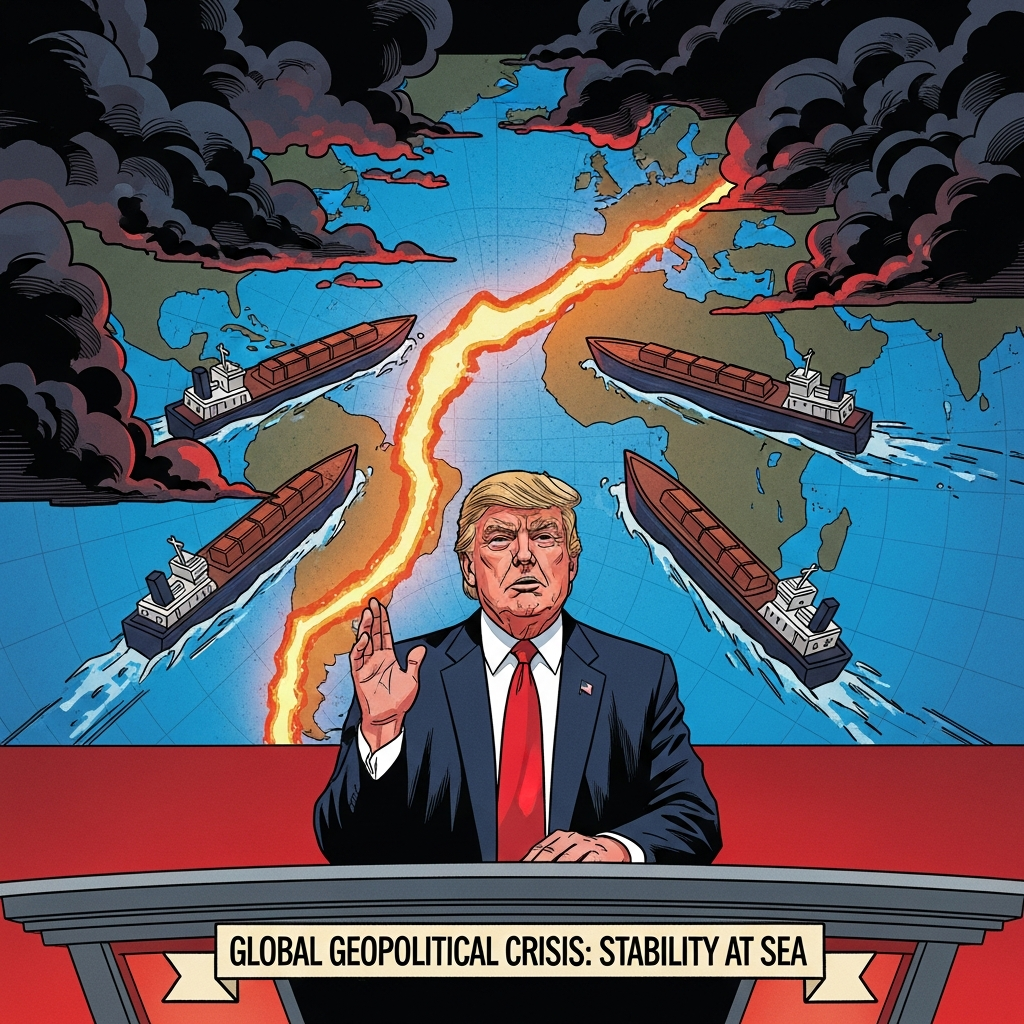
The Strait of Hormuz, a narrow yet profoundly vital waterway, became the epicenter of a global geopolitical crisis and a focal point of former U.S. President Donald Trump’s assertive foreign policy in early 2026. As tensions with Iran dramatically escalated, threatening world oil supplies and stability, Trump made a series of forceful declarations and strategic moves aimed at guaranteeing maritime security. His approach blended stern warnings with calls for international collaboration, reflecting the immense stakes involved for global commerce and energy markets.
This period saw a rapid transformation of the Middle East, marked by unprecedented military actions and significant economic fallout. The U.S. and its allies grappled with Iran’s defiant posture and its strategic use of the Strait as a leverage point, sparking a crisis that resonated across financial markets and international diplomacy. Understanding Trump’s precise role and the unfolding events in the Strait of Hormuz is crucial for comprehending this volatile chapter in modern geopolitical history.
The Strait of Hormuz: A Global Flashpoint
The Strait of Hormuz, connecting the Persian Gulf to the Gulf of Oman, is more than just a waterway; it’s a critical choke point for international oil transport. Approximately one-fifth of the world’s crude oil, roughly 20 percent, flows through this strategic passage daily. This makes its security indispensable for global energy stability and economic health. However, in early 2026, this vital artery became a perilous “Death Valley” due to escalating conflict involving Iran, Israel, and the United States. Commercial shipping virtually halted, driven by Iran’s threats of attacking vessels and confirmed reports of minelaying activities.
Iran’s Defiance and Strategic Leverage
Following the dramatic events of “Operation Epic Fury” on February 28, 2026—a joint U.S.-Israeli military operation that significantly reshaped the Middle East—Iran’s new Supreme Leader, Ayatollah Mojtaba Khamenei, issued a defiant message. Succeeding his assassinated predecessor, he declared Iran’s intent to continue blocking the Strait of Hormuz for commercial ships. Khamenei firmly stated that “the lever of blocking the Strait of Hormuz must undoubtedly continue to be used.” This unwavering position underscored Iran’s commitment to employing the Strait as a potent instrument of power in the ongoing conflict, directly linking its unyielding stance to perceived provocations by the U.S. and Israel.
Escalating Dangers: Mines and “Death Valley”
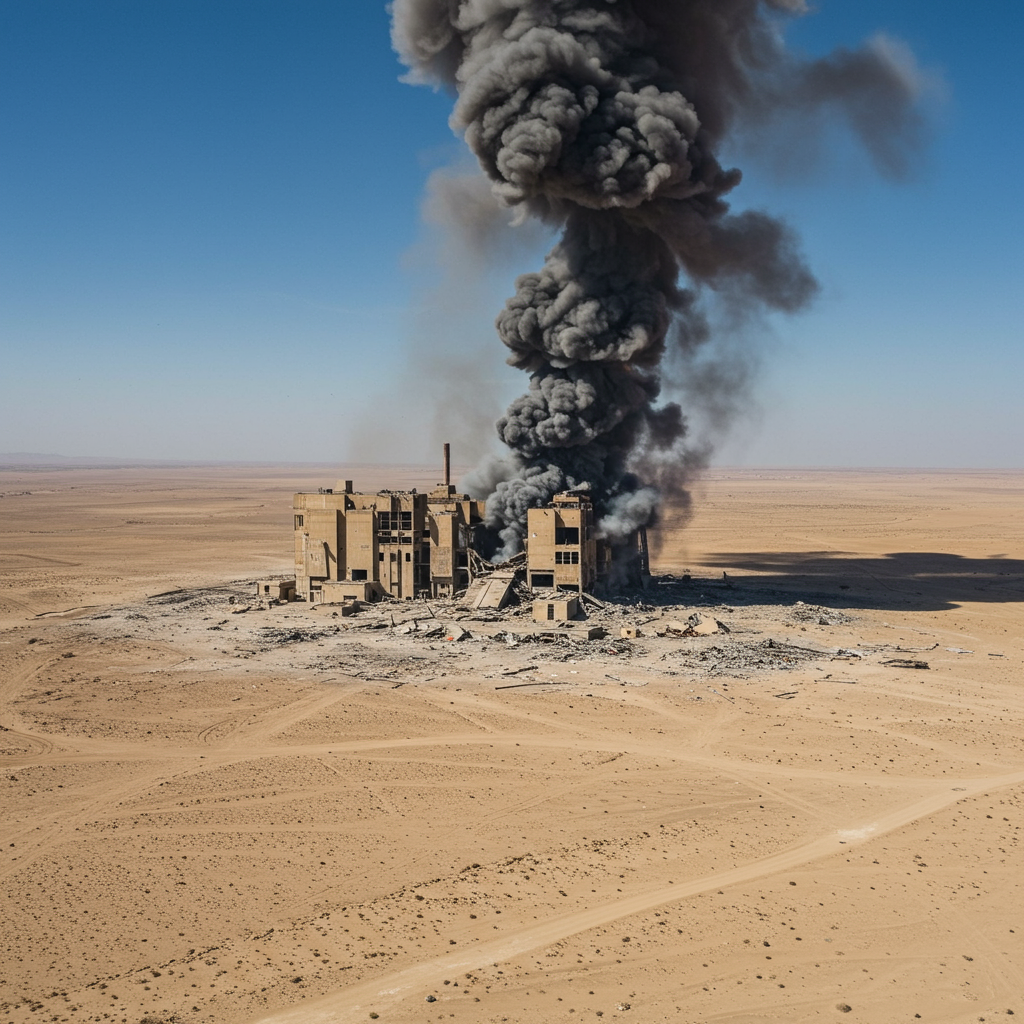
The risks in the Strait escalated sharply with U.S. intelligence reports indicating that Iran had begun deploying naval mines. While initial operations detected only a few mines over several days, concerns mounted over Iran’s extensive capabilities. Tehran reportedly retained 80% to 90% of its small combat craft and minelaying vessels, possessing the means to scatter hundreds of mines across the channel. The Islamic Revolutionary Guard Corps (IRGC), jointly overseeing the strait with the Iranian Navy, utilized discrete minelaying vehicles, explosive-laden boats, and coastal missile batteries. These actions reinforced the perception of the Strait as an impassable “Death Valley” for commercial traffic.
Trump’s Decisive Actions and International Appeals
In response to these grave threats, President Donald Trump swiftly took to social media and public addresses to articulate the U.S. position and rally international support. His strategy was characterized by a blend of direct demands, stern warnings, and appeals for a collective global effort to ensure the Strait of Hormuz remained open and safe.
Calls for a “Team Effort” from Global Powers
President Trump publicly urged nations significantly affected by potential disruptions to deploy ships to the Strait. He specifically named China, France, Japan, South Korea, and the UK, emphasizing that these countries, heavily reliant on Middle Eastern oil, bore a responsibility to help secure the passage. South Korea, for instance, imported over 70 percent of its oil from the region. Trump framed the safeguarding of this vital waterway as a necessary “team effort,” promising substantial U.S. assistance and coordination to facilitate swift, smooth, and effective operations, aiming for “Harmony, Security, and Everlasting Peace.” South Korea had already expanded its Cheonghae unit’s operational area to include the Strait of Hormuz for independent anti-piracy missions, a decision influenced by previous pressure from Washington.
Assurances and Retaliation Threats
Amidst the escalating crisis, Trump issued a direct ultimatum regarding the mines. He demanded their immediate removal, warning of “unprecedented” consequences if they were not cleared, while also offering that their removal would be a “giant step in the right direction.” At a subsequent press conference, the President assured reporters that the Strait of Hormuz “will remain safe.” He cited a massive U.S. naval presence and advanced mine detection equipment in the region as guarantees. Earlier, Trump had asserted via Truth Social that the U.S. military had already “destroyed ‘100 per cent’ of Iran’s military capability” and “beaten and completely decimated Iran both militarily, economically and in every other way.” Despite these sweeping claims of victory, he acknowledged Iran’s capacity for limited attacks, such as drones or mines, threatening severe U.S. retaliation: “bombing the hell out of the shoreline, and continually shooting Iranian Boats and Ships out of the water” to ensure the Strait became “OPEN, SAFE, and FREE!”
Military Engagements and Critical Vulnerabilities
The U.S. response to the threats in the Strait of Hormuz was immediate and forceful, directly targeting Iranian capabilities. However, strategic vulnerabilities emerged that highlighted the complexities of maintaining maritime security in a heavily mined environment.
U.S. Military Campaign Against Iranian Capabilities
The U.S. military operation against Iran, which commenced on February 28, aimed to dismantle Iran’s missile capabilities and navy, weaken Iranian-backed militant groups, and prevent the country from developing nuclear weapons. Following President Trump’s ultimatum concerning the mines, Secretary of Defense Pete Hegseth announced that U.S. Central Command (CENTCOM) was actively targeting and destroying Iranian minelaying vessels. Hegseth confirmed these vessels were being “neutralized with extreme precision,” asserting that the U.S. “will not allow the Strait of Hormuz to be held hostage by ‘terrorists’.” Subsequently, CENTCOM claimed to have destroyed several Iranian naval assets, including 16 minelaying vessels near the Strait. While military actions were decisive, U.S. officials confirmed the Navy had not yet commenced escorting commercial ships, reflecting the persistent dangers.
The Minesweeper Conundrum: A Strategic Weakness?
A critical insight revealed a potential vulnerability for the U.S. military in countering Iran’s minelaying strategy. Experts suggested that tackling widespread naval mining could pose a significant challenge because the U.S. military had reportedly decommissioned all its minesweeper vessels in the Middle East in September of the previous year. This decommissioning raised concerns about the U.S.’s capacity to effectively neutralize a large-scale naval mining threat, adding a complex dimension to the already tense geopolitical situation and potentially complicating efforts to secure the Strait of Hormuz.
Global Economic Fallout and Market Reactions
The escalating crisis in the Strait of Hormuz and the broader Iran conflict immediately triggered a significant global economic crisis. However, President Trump’s public assurances played a crucial role in mitigating widespread panic in financial markets.
Oil Market Volatility and Widespread Economic Strain
The disruption of oil flows from the Persian Gulf, exacerbated by Iran’s threats and mining activities, led to a sharp increase in global oil prices. Fuel shortages and rationing were reported in parts of Asia, and the “cascading effects” of higher oil costs quickly spread, leading to increased expenses across numerous industries and subsequent price hikes throughout the entire supply chain. This period of extreme volatility underscored the indispensable role of the Strait of Hormuz in global energy security and its direct link to economic stability worldwide.
How Trump’s Guarantees Calmed Shifting Markets
On March 3, 2026, financial markets experienced a significant U-turn following President Trump’s addresses and social media posts. His morning speech elaborated on military operations, claiming “significant progress” and asserting “Iran was going to attack first” to justify preemptive defense. This initially stalled a “Petrodollar panic move.” However, the decisive market shift occurred after Trump pledged to establish a “major security framework” to protect commercial shipping routes across the Arabian Sea, particularly focusing on the vulnerable Strait of Hormuz.
The reaction was immediate: oil prices, which had exploded to June 2025 highs, experienced a “violent retreat” of nearly 7% before mean-reverting. Safe-haven assets like Gold and Silver eased “significantly,” while the US Dollar (DXY) also retreated. Conversely, US stock benchmarks saw a “significant rebound” and a “fresh buying wave.” Trump’s guarantee of maritime security fundamentally altered the market landscape, transforming sentiment from persistent anxiety to a calmer, “significantly smoother” outlook.
The Broader 2026 Iran Conflict Context
The crisis in the Strait of Hormuz was not an isolated event but a critical component of the much larger “2026 Iran conflict,” a military confrontation initiated by the United States and Israel. This conflict profoundly reshaped the Middle Eastern dynamics, intensifying long-standing tensions and precipitating widespread regional and global repercussions.
Operation Epic Fury: Reshaping the Middle East
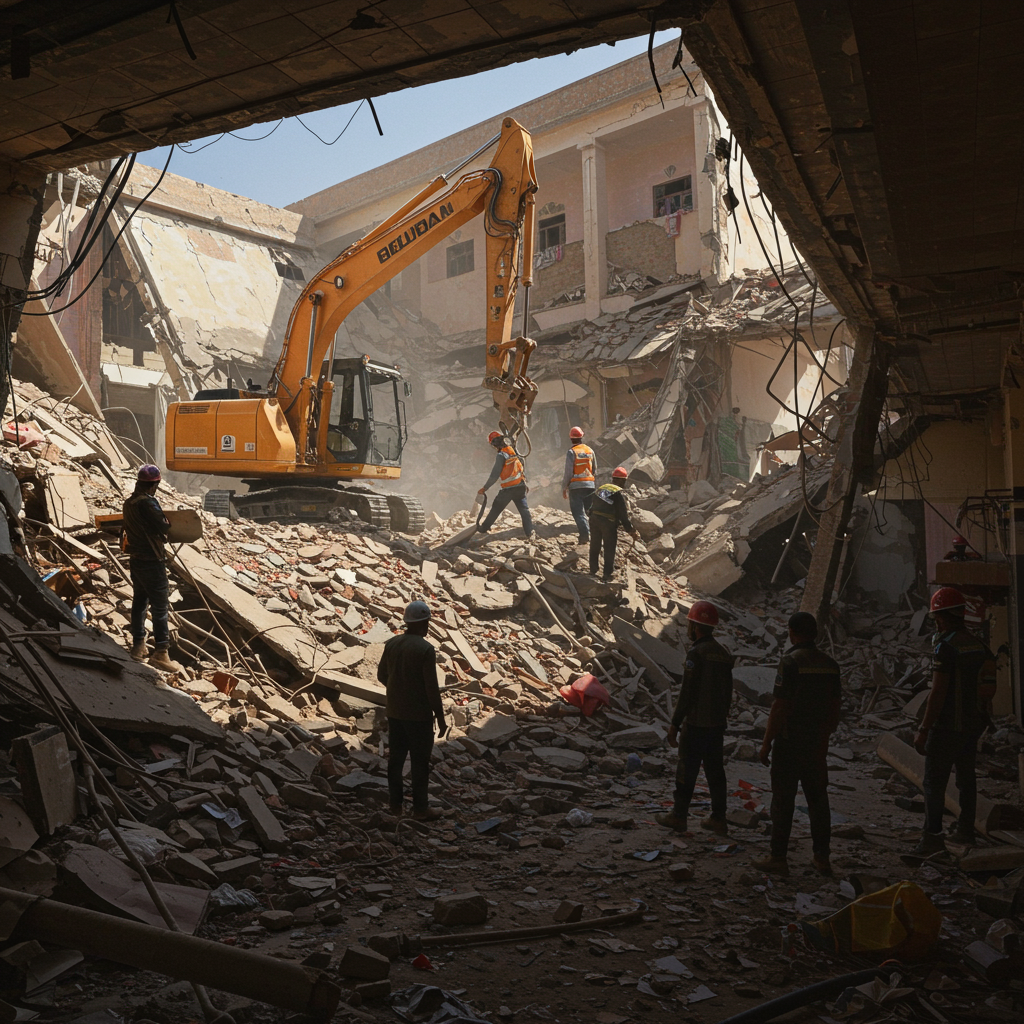
The conflict began on February 28, 2026, with “Operation Epic Fury,” a joint U.S.-Israeli military operation involving nearly 900 strikes in 12 hours. Targets included Iranian missiles, air defenses, military infrastructure, and leadership, notably killing Supreme Leader Ali Khamenei and dozens of other officials. This initial salvo, though described by Trump as “limited” when referring to earlier U.S. bunker-buster strikes on nuclear facilities in June 2025, triggered an immediate and extensive retaliatory response from Iran, involving hundreds of missiles and thousands of drones across the Middle East. Tragically, an accidental strike on a girls’ school near an IRGC naval base in Bandar Abbas killed approximately 170 civilians, underscoring the conflict’s devastating human cost.
Iran’s Horizontal Escalation and Regional Repercussions
Iran’s response was characterized by a strategy of “horizontal escalation,” aiming to widen the conflict beyond military engagements into political and economic spheres. This involved extensive missile and drone strikes targeting U.S. embassies, military installations, and critical oil infrastructure, including vessels in the Strait of Hormuz, across various regional states. NATO forces intercepted Iranian attacks near Incirlik Air Base in Turkey. The conflict reignited hostilities between Israel and Hezbollah in Lebanon, leading to Israeli airstrikes and a suspected Hezbollah drone strike on a British Royal Air Force base in Cyprus. Evacuation orders in southern Lebanon displaced over 700,000 people, signaling potential large-scale ground invasions. Globally, travel and trade were severely disrupted, with major hubs like Dubai International Airport damaged and shipping lines forced to reroute to avoid the perilous Strait of Hormuz and Red Sea.
Frequently Asked Questions
What is the strategic importance of the Strait of Hormuz in the current conflict?
The Strait of Hormuz is globally critical as the passage for approximately one-fifth, or 20 percent, of the world’s crude oil supply. Its security directly impacts global energy markets and the economy. In the 2026 conflict, Iran strategically leveraged the Strait by threatening to block commercial shipping and deploying naval mines. This significantly disrupted oil flows, caused global price spikes, and led to a virtual halt in commercial traffic, making the Strait a central battleground in the broader conflict with the U.S. and Israel.
What were the key events leading up to the 2026 Iran Conflict and its impact on the Strait?
Tensions escalated significantly before 2026 due to Iran’s nuclear program, ballistic missile capabilities, and regional influence, alongside the collapse of the 2015 JCPOA. Key precursors included Israel’s actions in 2024 to diminish Iran’s regional power, direct Israel-Iran exchanges in April and October 2024, and a 12-day open conflict in June 2025 that severely damaged Iran’s infrastructure. By December 2025, new sanctions led to widespread protests in Iran, brutally suppressed in January 2026. This, coupled with the largest U.S. military buildup since 2003, set the stage for “Operation Epic Fury” on February 28, 2026, which then directly triggered the crisis in the Strait of Hormuz.
How did President Trump’s statements impact global financial markets and oil prices during the crisis?
President Trump’s statements had a decisive impact on global financial markets. Initially, escalating military operations in Iran contributed to market anxiety, causing oil prices to surge. However, on March 3, 2026, Trump’s public pledge to establish a “major security framework” to protect shipping in the Arabian Sea, specifically the Strait of Hormuz, caused a significant market U-turn. Oil prices saw a “violent retreat” of nearly 7% before stabilizing, safe-haven assets like gold and silver eased, and U.S. stock markets rebounded. His guarantee of maritime security transformed market sentiment from panic to a calmer outlook, demonstrating the profound influence of geopolitical developments and presidential assurances.
Conclusion
The events surrounding the Strait of Hormuz in early 2026 underscored its unparalleled strategic importance and the intricate web of geopolitical forces at play. President Donald Trump’s assertive response, characterized by urgent international appeals, direct threats of retaliation, and assurances of maritime security, was pivotal in shaping the immediate trajectory of the crisis. While U.S. military actions effectively targeted Iranian minelaying capabilities, the underlying vulnerability concerning minesweeper vessels highlighted persistent challenges. The global economic fallout, particularly soaring oil prices, emphasized the critical dependence on this narrow passage. Ultimately, the crisis revealed the Strait of Hormuz not merely as a shipping lane, but as a dynamic theater where global energy, economic stability, and international diplomacy converge under immense pressure.