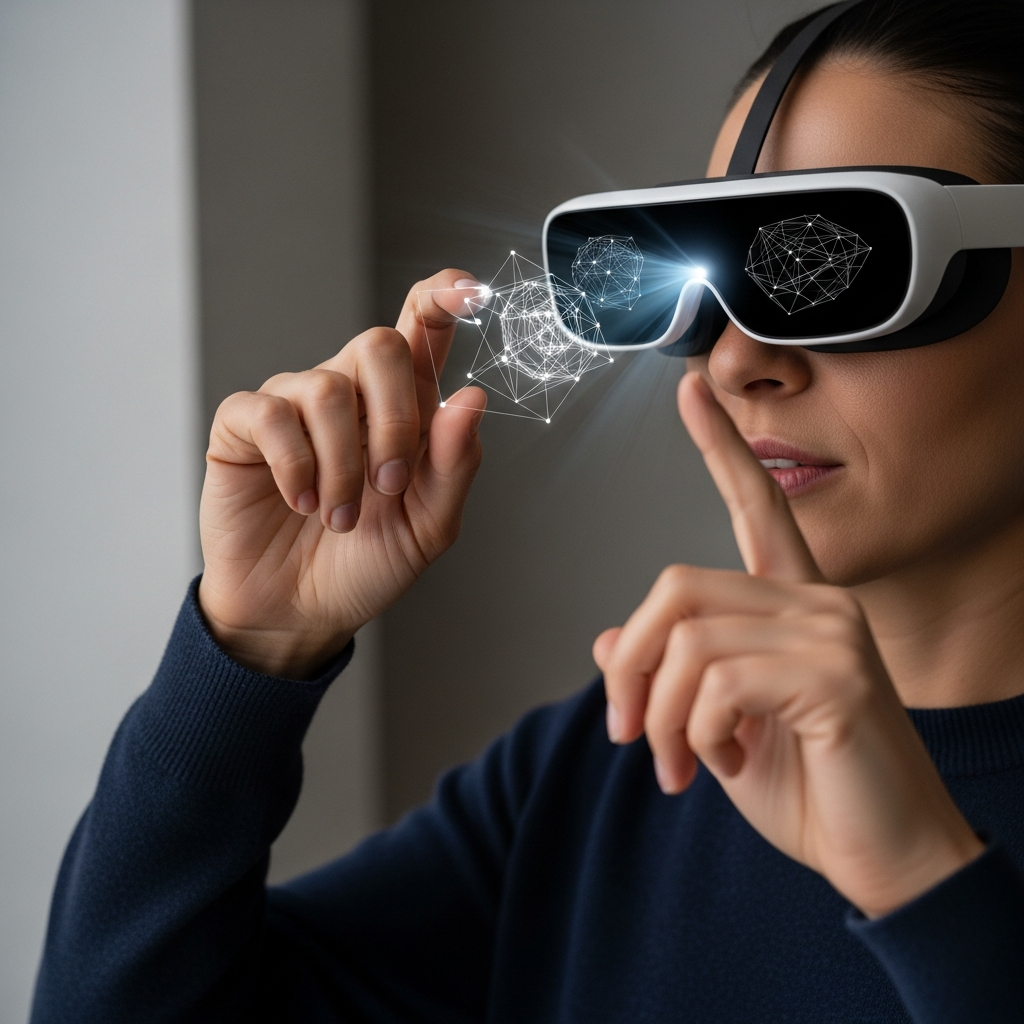
Apple is reportedly gearing up to launch a groundbreaking wearable device, the Apple AI Smart Glasses, designed to seamlessly integrate artificial intelligence into daily life. Positioned as a direct challenger to existing products like Meta Ray-Bans, these glasses promise a sleek, AI-first companion experience for iPhone users. Recent reports from inside sources, combined with extensive patent filings and analyst insights, paint a clear picture of Apple’s strategic vision for this innovative smart eyewear. Expect an emphasis on intuitive interaction, advanced AI features, and a design philosophy focused on lightweight practicality, setting new standards in the evolving wearable technology market.
Unveiling Apple’s Next-Gen Wearable: AI Smart Glasses Take Center Stage
Apple is actively developing a set of AI smart glasses, a project that CEO Tim Cook has reportedly deemed a top priority. Unlike the immersive Apple Vision Pro, these glasses are envisioned as an “AI-first companion” to the iPhone. Their primary goal is to blend seamlessly into daily life, offering advanced functionalities without the bulk of a full augmented reality headset. This strategic move aims to expand Apple’s presence in the wearable market, offering a more accessible entry point to its intelligent ecosystem.
The development underscores Apple’s broader push towards AI-enabled wearables and visual intelligence. While rumors of Apple smart glasses have circulated for years, recent updates confirm key design and feature decisions. The company is focused on creating a device that prioritizes user convenience, subtle integration, and powerful on-device AI capabilities.
Intuitive Interaction: The Power of Hand Gesture Controls
A standout feature of the Apple AI Smart Glasses will be their reliance on hand gesture-based input. This intuitive control method eliminates the need for physical buttons or a traditional display, making interaction effortless for a screenless device. Apple already utilizes similar gestures in its Vision Pro and is rumored to extend this capability to future AirPods Pro updates.
This emphasis on gestures is deeply rooted in Apple’s extensive research and patent history, dating back to 2009. Patents detail how users could interact with their environment, shop, or obtain information simply by pointing. A dedicated, low-resolution wide-angle camera on the glasses will be crucial for detecting and interpreting these hand movements, providing real-time visual input for Siri. This system creates a consistent interaction paradigm across Apple’s burgeoning ambient computing ecosystem.
Dual Cameras and Intelligent Vision
The Apple AI Smart Glasses will feature a sophisticated dual-camera system. One high-resolution camera is specifically for capturing photos and videos, intended for easy sharing on social media. This camera is rumored to feature vertically oriented oval lenses with surrounding indicator lights, making it distinct. The second camera, a lower-resolution, wide-angle lens, serves a dual purpose: enabling precise hand gesture recognition and feeding visual context to Siri.
This setup allows for advanced “Visual Intelligence.” The onboard camera can analyze objects and scenes in real-time. This enables features like object recognition, real-time text translation, and contextual awareness for Siri queries. Users could ask Siri questions about landmarks or items they are looking at, receiving AI-driven insights instantly. Apple’s expertise in cameras and image processing is expected to deliver superior performance, potentially surpassing competitors like Meta’s 3K video capabilities for hands-free content creation.
Design Philosophy: Slim, Stylish, and Stripped-Down for Success
Apple is prioritizing a slim, lightweight form factor for its AI smart glasses, aiming for all-day comfort. This design choice dictates a “stripped-down feature set” for the initial version. Critically, the first iteration will not include an integrated display for augmented reality features, LiDAR sensors, or 3D cameras. These advanced components are currently too energy-intensive, directly conflicting with Apple’s battery life and weight goals.
To achieve a premium yet lightweight feel, Apple is experimenting with various frame styles made from acetate. This plant-based material is more flexible and durable than standard plastic, contributing to both comfort and a luxurious aesthetic. Rumors suggest four distinct frame styles are being tested, including large rectangular, oval/circular, slimmer rectangular, and refined oval options, with various finishes like black, light brown, and ocean blue. Apple is developing these frames in-house, aiming for an instantly recognizable brand aesthetic. The glasses are also expected to support prescription lenses, potentially through a collaboration with Zeiss.
The Brains Behind the Glasses: Advanced Siri and Apple Intelligence
At the heart of the Apple AI Smart Glasses lies a more advanced version of Siri. This revamped assistant is anticipated to debut with iOS 27 and will be part of Apple’s broader “Apple Intelligence” AI framework. The enhanced Siri will facilitate most user interactions, leveraging the glasses’ cameras for real-time contextual awareness.
The device is expected to be powered by custom silicon, likely a modified version of the Apple Watch S-series chip. This chip will be custom-designed for extreme power efficiency, crucial for managing camera controls and AI tasks in a small wearable. While some processing will occur on the glasses, many tasks are expected to be offloaded to a paired iPhone via Bluetooth, ensuring smooth performance without draining the glasses’ battery too quickly. This architecture positions the glasses as a powerful yet energy-efficient extension of the iPhone.
Core Functionality: More Than Just a Camera
Beyond capturing photos and videos, the Apple AI Smart Glasses will offer a range of practical features. Users will be able to make phone calls, dictate text messages, and access audio content directly through integrated open-ear speakers, eliminating the need for separate earbuds. A built-in microphone will support voice commands, calls, and advanced features like live translation.
While not a full AR headset, the glasses may feature a “fixed heads-up display” limited to simple overlays for notifications and turn-by-turn directions. Other rumored functionalities include text recognition, context-aware reminders (e.g., shopping prompts when near a store), and more natural, landmark-referencing navigation guidance. Basic health tracking features are also mentioned, although less comprehensive than the Apple Watch. This suite of features aligns the glasses with the capabilities found in competing products, offering a robust “audio and visual companion” experience.
Privacy and Ecosystem Integration
Apple is renowned for its commitment to user privacy, and the Apple AI Smart Glasses will likely reinforce this reputation. Expect an emphasis on on-device processing and secure cloud infrastructure to minimize data collection. This focus on privacy could be a significant differentiator in a market where AI assistants often face scrutiny over data handling.
The glasses are designed for deep integration within the Apple ecosystem. Functioning primarily as a “dumb” accessory, they will rely heavily on a paired iPhone via Bluetooth for much of their functionality, leveraging Apple Intelligence and other services. This seamless connectivity will extend to features like Find My, Apple Health, and Apple Music, fostering a cohesive and intuitive user experience for those already embedded in the Apple world.
Release Outlook and Market Position
Rumors suggest Apple could offer a preview of the AI smart glasses later in 2026, possibly around Christmas. A full retail launch is then anticipated in 2027, although potential delays related to Apple’s AI development could push the release into 2028. The internal codename for the device is N50, and while an official name is unknown, it’s expected to align with Apple’s product branding.
Pricing is yet to be revealed, but analysts speculate Apple will be competitive with Meta AI glasses, which range from $299 to $499. Apple may offer higher prices for premium designs that reflect designer frame costs. The company’s goal is to position these smart glasses as a mainstream, AI-focused wearable, distinct from the Vision Pro, aimed squarely at attracting users already entrenched in the Apple ecosystem.
Frequently Asked Questions
What are the primary features of Apple’s rumored AI Smart Glasses?
Apple’s AI Smart Glasses are expected to feature intuitive hand gesture controls, dual cameras (one high-resolution for photos/videos, one low-resolution for gestures/Siri input), and deep integration with an advanced, AI-powered Siri (from iOS 27). They will enable phone calls, video recording, contextual queries about surroundings, and possibly simple notifications via a fixed heads-up display. Designed as a lightweight iPhone companion, the initial version will notably lack an integrated AR display, LiDAR, or 3D cameras to prioritize battery life and slim design.
How will Apple’s AI Smart Glasses integrate with the existing Apple ecosystem?
The AI Smart Glasses are conceived as an “AI-first companion” to the iPhone, relying heavily on a paired iPhone via Bluetooth for much of their functionality. They will leverage Apple’s “Apple Intelligence” framework and an enhanced Siri, allowing seamless interaction with services like Apple Music, Apple Health, and Find My. This deep integration aims to provide a consistent and convenient “ambient computing” experience for users already invested in the Apple ecosystem, enhancing daily tasks without requiring a separate, complex interface.
When are Apple’s AI Smart Glasses expected to be released and what’s the anticipated price?
Rumors suggest Apple might preview the AI Smart Glasses late in 2026, with an official retail launch targeted for 2027. However, potential development challenges could push the release closer to 2028. While no official pricing has been announced, analysts anticipate the glasses will be competitively priced against Meta’s offerings (ranging $299-$499). Apple may position premium models at a higher price point, aligning with designer eyewear costs, reflecting their focus on stylish design and advanced technology.
Conclusion
Apple’s foray into AI smart glasses marks a pivotal moment in the evolution of wearable technology. By prioritizing a lightweight, AI-first design focused on intuitive gesture controls and deep iPhone integration, Apple is aiming to redefine how we interact with ambient intelligence. While the initial version will forgo complex AR displays for practicality and battery efficiency, its potential as a daily companion for photos, calls, contextual queries, and health tracking is immense. This strategic move not only challenges competitors like Meta but also paves the way for a new era of intelligent, unobtrusive wearables, seamlessly woven into the fabric of our digital lives.