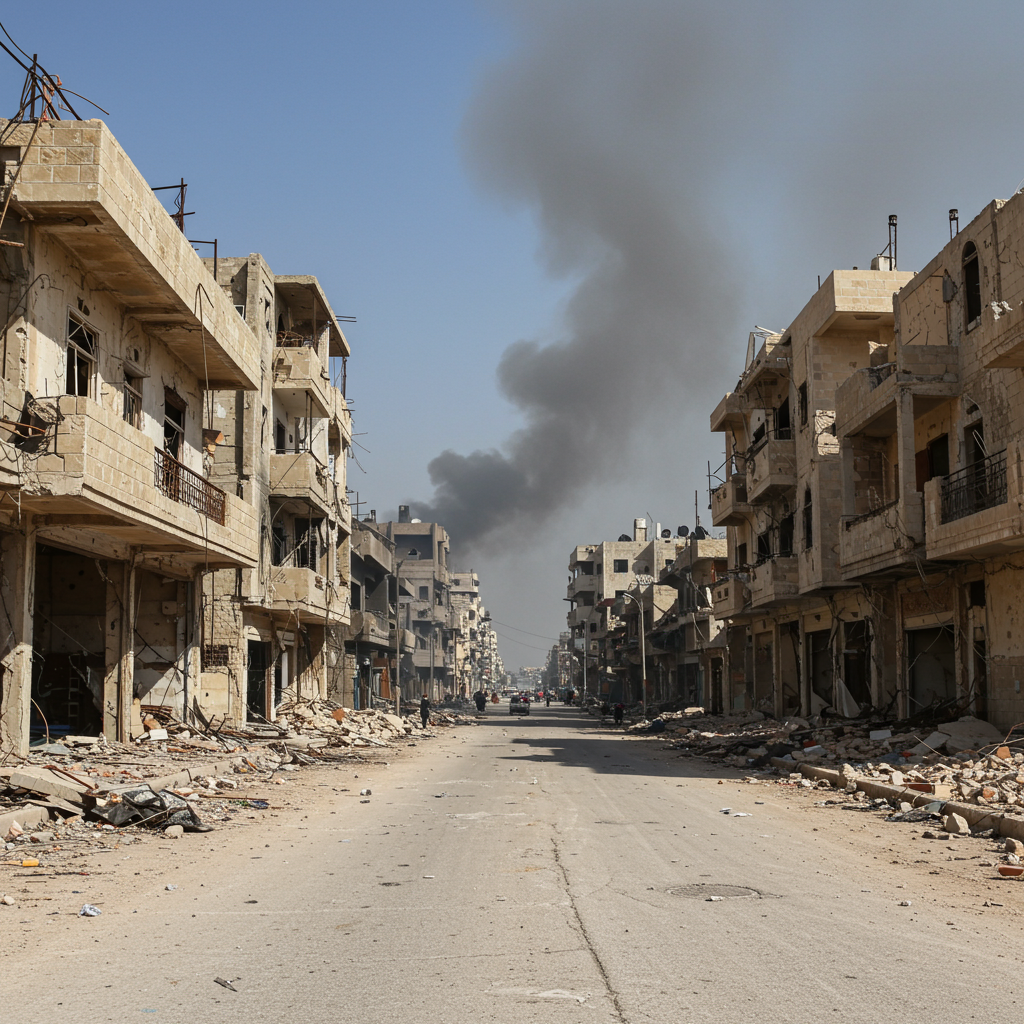
Welcome to your essential digest of global headlines and critical news perspectives shaping our world today. From the intricate political shifts across Europe and North America to significant cultural impacts and evolving technological challenges, we bring you a comprehensive overview designed to keep you informed. This analysis cuts through the noise, offering unique insights into the economic, social, and political currents defining our present and future. Dive into the diverse narratives that matter most, providing a deeper understanding of current events.
Navigating Global Political & Economic Shifts
The geopolitical landscape is continually in flux, with nations grappling with everything from international relations to domestic economic policies. Understanding these complex political updates is key to grasping broader global trends.
German Sentiment: US Leadership and Domestic Divides
In Germany, a significant national opinion poll reveals widespread concern regarding US President Donald Trump. A striking 61% of Germans now perceive Trump as a direct threat to their nation, rather than an ally. This sentiment follows aggressive US foreign policy stances, including demands for Greenland’s ownership and threats of punitive tariffs against countries like Germany. Consequently, over half of Germans advocate for a tougher stance from Chancellor Friedrich Merz towards the US. German Defense Minister Boris Pistorius further amplified this unease, openly criticizing Trump’s comments on NATO contributions and underscoring Germany’s extensive sacrifices within the alliance.
Domestically, Germany’s ruling Christian Democratic Union (CDU) has ignited controversy with a proposal to restrict the legal right to work part-time. Citing a record 40.1% part-time employment rate in 2025, CDU lawmakers argue this measure would stimulate the economy and alleviate skilled worker shortages. However, the Institute for Employment Research (IAB) challenges this premise, noting that the overall hours worked have not decreased, as part-time employees generally increased their hours. Experts warn that such restrictions could cause significant economic damage.
UK Local Elections and Intensifying Political Tensions
The UK political arena is buzzing with activity, particularly concerning upcoming local elections. The Prime Minister recently faced considerable “humiliation” after abandoning initial plans to delay 30 local elections scheduled for May. This reversal reportedly followed legal advice warning that such a postponement could be deemed illegal and a direct legal challenge launched by Reform UK. Labour’s own decision to cancel plans for delaying elections for millions of people highlights the charged atmosphere. Beyond electoral disputes, Sir Keir Starmer stands accused of secretly plotting to forge a closer relationship with the European Union through a proposed “reset deal,” adding another layer to the intricate political updates.
NYC: Congestion Pricing Battles and Urban Policy
New York City finds itself at the forefront of a contentious debate over congestion pricing. A federal lawsuit launched by the Trump administration against the city’s plan continues, with oral arguments on summary judgment motions delayed until late January. Despite the delay, many observers remain confident that the Metropolitan Transportation Authority (MTA) will ultimately prevail. This confidence stems from an earlier preliminary injunction granted to the MTA, suggesting a high likelihood of success on the merits.
Beyond this high-profile case, urban development in NYC faces other pressing challenges. Reports highlight tragic traffic fatalities, including a pedestrian killed by a 19-year-old Hummer driver and a woman by a private garbage truck. Incidents of road rage, such as a driver assaulting a 10-year-old with a snowball, underscore safety concerns. Public transit also sees updates, including the ongoing transition from MetroCard to OMNY. Amidst these issues, political figures like Governor Hochul and Mayor Mamdani are actively shaping the city’s future, with debates around increased police force use and car-free street initiatives continuing to draw attention.
Cultural Impact & Community Vibrancy
Beyond political and economic shifts, cultural phenomena and local community aspirations play a vital role in shaping societal well-being and local economies. These cultural trends often reflect deeper societal values and desires.
The “Benito Bowl” Effect: South Florida’s Cultural & Economic Boost
In South Florida, the anticipation of Bad Bunny’s Super Bowl halftime debut has ignited a significant economic boost for Puerto Rican restaurants, a phenomenon lovingly dubbed the “Benito Bowl.” This event, though thousands of miles away, is fostering immense cultural pride and tangible financial gains for local businesses. Restaurants like El Rinconocito in Hialeah are experiencing a surge in popularity, with staff expressing profound pride in their heritage. Customers are making numerous orders for traditional dishes such as alcapurria and pasteles, eager to celebrate within the Puerto Rican community. This moment not only attracts long-time fans but also new patrons keen to discover the rich culture, proving that food can transcend language barriers and unite communities.
Bostonians’ Aspirations: Housing, Transit, and Community Life
In Greater Boston, local concerns frequently revolve around essential urban services and quality of life. An informal survey reveals that residents are keenly focused on transit improvements, housing affordability, and stronger community bonds for 2026. While the MBTA delivered its fastest service in decades in 2025, housing simultaneously became even more expensive, highlighting a critical imbalance. Bostonians express strong desires for “cheaper housing” and effective city council proposals to address the affordability crisis. Many lament the necessity of moving out of state due to high rents.
Transportation needs are also paramount. Residents wish for “less train closures and smoother operations” for lines like the Green Line and more frequent, “better transportation” on the Blue Line. Calls for a generally “better” T system include proposals for extending existing lines to underserved areas like the Seaport. Beyond public transit, there is a clear demand for “more bike lanes,” reflecting a growing desire for sustainable transportation options. Alongside these practical needs, Bostonians crave a more vibrant city life, yearning for “more community events,” “better nightlife,” “more parks,” and a “safer Downtown,” ultimately wishing for more positivity and unity within their “amazing city.”
Critical Societal Concerns & Technological Frontiers
Societies worldwide face persistent challenges related to safety, digital security, and the modernization of infrastructure. These areas often highlight the intersection of human behavior, policy, and technological innovation.
Cybersecurity Threats and National Defense Strategies
Cybersecurity has emerged as a critical and escalating concern globally. Bundesbank President Joachim Nagel revealed that Germany’s central bank faces an astonishing 5,000 cyberattacks per minute, accumulating to over 2.5 billion annually. In response, Federal Interior Minister Alexander Dobrindt has pledged a far more aggressive national strategy against cybercrime. This strategy promises to “strike back, including abroad,” by disrupting attackers and dismantling their infrastructure. A new hybrid-threat defense center is in the works, designed to enhance coordination between intelligence services and law enforcement, enabling swift counterstrike actions with a low threshold.
Public Safety, Transit Modernization, and Digital Privacy
Discussions around police conduct and non-lethal options continue in Germany, following 17 fatal shootings by police in 2025. While this number is lower than the previous year’s record, it remains above historical averages. This statistic fuels renewed calls for equipping police with Tasers as a viable non-lethal alternative, with Baden-Württemberg cited as a case study where limited Taser access correlates with higher fatal shootings. Simultaneously, the eCall emergency roadside system in Germany is undergoing a significant upgrade to 4G coverage, preparing for 5G, and promising to halve accident response times and save thousands of lives annually.
In the UK, digital privacy and child protection are urgent social issues. A mother’s impassioned appeal for immediate reforms to enhance online safety for children has made headlines, driven by her belief that social media directly contributed to her teenage son’s death. This highlights ongoing debates about the responsibilities of social media platforms and the need for stronger regulatory frameworks. Meanwhile, in Germany, authorities recently detained a Lebanese man at Berlin’s BER Airport, suspected of being a Hamas member and procuring ammunition for potential attacks on Israeli or Jewish institutions across Europe, underscoring ongoing security threats.
Business Trends and Future Outlook
The business world is continually adapting to new market conditions, technological advancements, and regulatory environments. These economic impact stories reveal how companies are evolving and the broader implications for consumers and employees.
Deutsche Bank’s Digital Transformation & Branch Closures
Deutsche Bank is embarking on a significant digital transformation, with plans to close approximately 100 more branch offices. This strategic move aims to encourage customers to utilize online apps and AI assistants for their banking needs. The bank intends to redirect its employees’ focus towards more complex personal consultations, such as home purchases and major investments. While acknowledging some job losses, the bank expects these to be minimal, primarily managed through retirements and the phasing out of existing roles. This trend reflects a broader shift in the financial sector towards digital-first services and optimized customer interaction.
EU-Mercosur Trade Deal: A Political Standoff
The long-awaited EU-Mercosur free-trade agreement, 25 years in the making, faces a significant hurdle. German Foreign Minister Johann Wadephul has strongly criticized the EU Parliament’s decision to seek a legal review of the deal, calling it a “very serious political mistake” and a “major setback.” This delay, influenced by support from Germany’s Green and AfD parties, is feared to harm political trust for future trade negotiations. Despite supporters arguing its necessity for EU security against US tariff policy, the agreement was halted for review by the European Court of Justice, partly due to opposition from European farmers. This political standoff highlights the complexities of international trade agreements and the diverse interests at play.
Frequently Asked Questions
What key political and economic challenges are global leaders addressing in early 2026?
Global leaders are confronting a mix of international and domestic pressures. In Germany, there’s significant public concern over US foreign policy, alongside internal debates about labor laws like part-time work restrictions. The UK is navigating political fallout from local election scheduling decisions and discussions about its relationship with the EU. In New York City, a major legal battle over congestion pricing is underway, reflecting broader challenges in urban planning and transportation infrastructure. These diverse challenges point to a complex period of governance, where leaders must balance national interests with international cooperation and internal societal demands.
How are local communities, such as South Florida and Boston, expressing their priorities and cultural pride?
Local communities are vibrant hubs for cultural expression and advocacy for quality-of-life improvements. South Florida’s Puerto Rican community is experiencing an economic and cultural surge dubbed the “Benito Bowl,” driven by Bad Bunny’s Super Bowl performance. This has led to increased business for local restaurants and a heightened sense of cultural pride. Meanwhile, Boston residents are focused on practical improvements like affordable housing and more reliable public transportation, while also seeking an enhanced quality of life through more community events, better nightlife, and increased green spaces. These examples illustrate how local events and aspirations profoundly shape community identity and well-being.
What emerging threats and technological shifts are impacting businesses and public safety in the current landscape?
The current landscape is marked by significant threats and technological advancements impacting both businesses and public safety. Cybersecurity is a paramount concern, with Germany’s central bank alone facing billions of cyberattacks annually, prompting aggressive national defense strategies to “strike back.” Public safety debates are ongoing, such as calls for equipping German police with Tasers to reduce fatal shootings, alongside critical infrastructure upgrades like Germany’s eCall emergency system shifting to 4G/5G for faster accident response. In the business sector, Deutsche Bank is embracing digital transformation by closing branches and focusing on online services, reflecting broader industry shifts. Simultaneously, social concerns about online child protection are rising in the UK, highlighting the societal impact of digital platforms.
Conclusion
The first months of 2026 reveal a world grappling with multifaceted challenges and exciting opportunities. From the nuanced political dynamics in Germany and the UK to the profound cultural resonance of events like the “Benito Bowl” in South Florida, current events highlight an intricate web of global and local interactions. Urban centers like New York and Boston are actively seeking solutions for issues ranging from transit congestion to housing affordability, reflecting a universal desire for improved quality of life. Simultaneously, the digital frontier presents both immense threats, as seen in surging cyberattacks, and innovative solutions, such as evolving banking services. Understanding these diverse news perspectives empowers us to better comprehend the forces shaping our communities and the world at large. Stay informed, engage with these crucial dialogues, and recognize the impact of every headline on our shared future.
Word Count Check: 1612