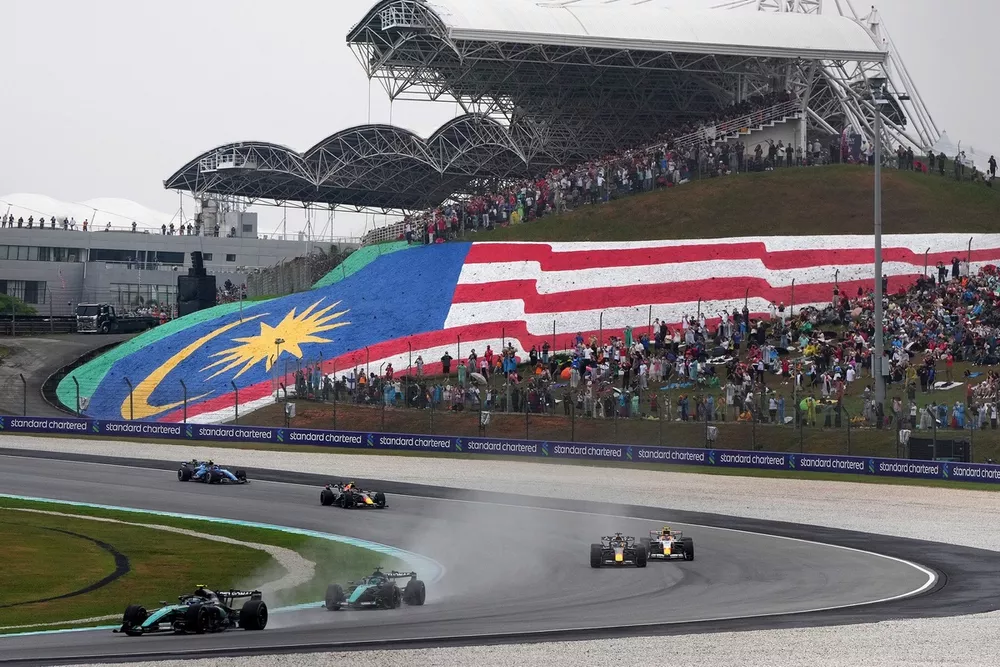
The F1 software bug that paralyzed the field during the Bahrain Grand Prix in Malaysia has exposed the extreme technical complexity and potential fragility of the 2026-specification power units. During the formation laps at the Sepang International Circuit, multiple cars—including front-row starters Max Verstappen and Lewis Hamilton—experienced sudden power loss or came to a complete standstill, forcing an immediate red flag and a significant delay to the race start.
Key Takeaways
- Technical Failure: A software bug triggered by extremely low speeds in wet conditions caused cars to enter a power-deployment “loop,” effectively neutralizing throttle input.
- Regulatory Trigger: The issue was linked to the 2026 mandate requiring a reduction in electrical power to 250kW during wet-weather running.
- Emergency Intervention: The FIA developed and distributed an emergency, untested software patch to all teams during a 53-minute total delay.
- Driver Backlash: Drivers, including Carlos Sainz and George Russell, criticized the 2026 technical regulations as being “too complicated” and prone to error.
- Testing Gaps: Nikolas Tombazis, FIA Single-Seater Director, admitted that insufficient wet-weather testing during the season contributed to the bug going undetected.
- For Fans: Expect greater unpredictability in race schedules. As technical complexity increases, the likelihood of “technical delays”—which are harder to predict than simple rain delays—will rise. The spectacle of a race may be interrupted by software updates rather than just weather.
- For Teams and Manufacturers: The incident will likely mandate much more rigorous and diverse wet-weather simulation requirements. Teams will need to invest more heavily in testing software stability across the entire “driving envelope,” including extremely low-speed scenarios that were previously considered non-critical.
- For the Technology Industry: This event serves as a high-stakes case study in the risks of “over-automation” in complex systems. When critical functions (like throttle response) are mediated by layers of restrictive software, the potential for unexpected “loops” or failures increases.
- Software Hardening: Developing more robust failsafes to ensure that low-speed scenarios cannot trigger a power-deployment loop.
- Regulatory Review: Assessing whether the 2026 technical regulations require adjustments to the power-split or the wet-weather deployment mandates to improve reliability.
- Testing Mandates: Determining if the FIA should mandate specific low-speed, wet-weather testing protocols for all new software releases.
- www.motorsport.com
- www.autosport.com
- www.the-race.com
- www.the-race.com
What Happened: Chaos at Sepang
The disruption at the Sepang International Circuit near Kuala Lumpur, Malaysia, began with weather-related complications before devolving into a technical crisis. On October 4, 2026, torrential rain forced an initial 40-minute delay to the scheduled start of the Bahrain Grand Prix in Malaysia.
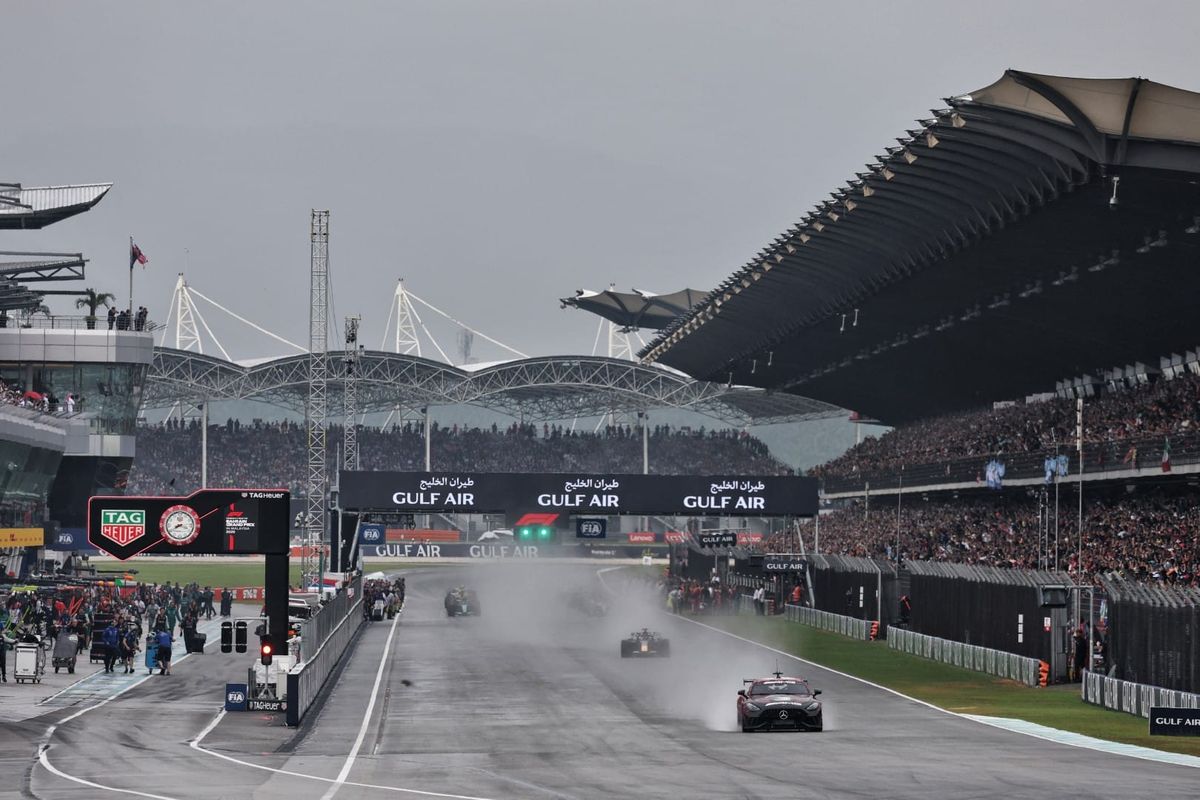
When officials finally attempted to begin the race, the field followed the safety car for the formation laps in heavy, wet conditions. As the cars navigated the circuit, a “concertina effect” occurred, where the pack slowed significantly. According to reports from Motorsport.com, it was during this period of extremely low speeds that the F1 software bug manifested.
Max Verstappen, leading the pack, was among the first to suffer a loss of power. This was followed by Lewis Hamilton and several other drivers who experienced what appeared to be a complete disconnection between the throttle pedal and the engine. Oliver Bearman, driving for Haas, described the experience as “shocking,” stating that his throttle pedal felt as if it were not connected to the engine, leaving him idling without the ability to re-accelerate.
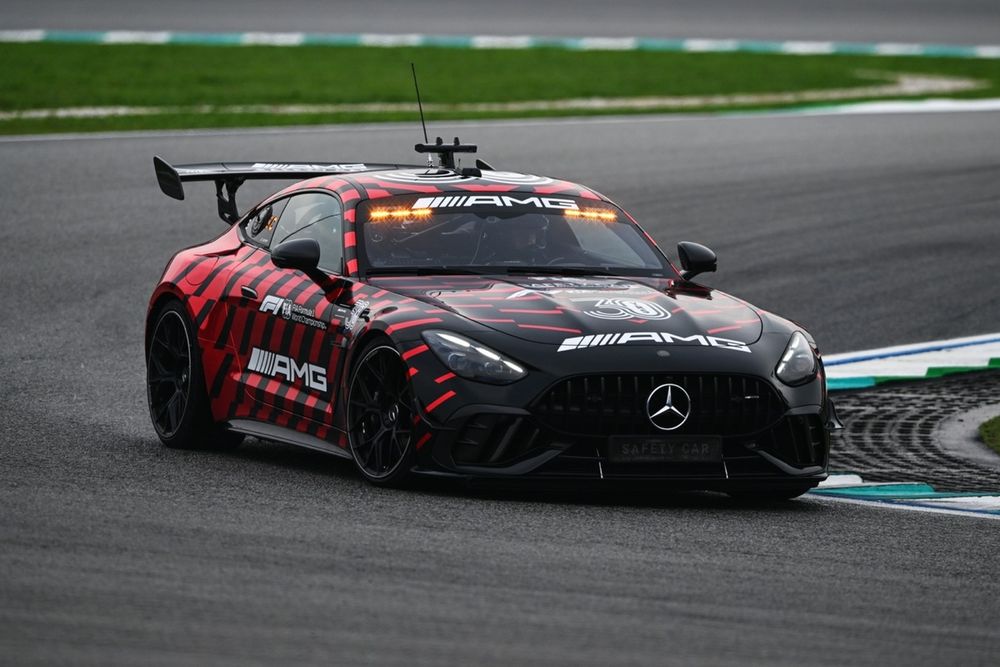
Due to the safety risks posed by cars stalling on the racing line, the FIA issued a red flag. The race was subsequently delayed for a total of 53 minutes as the FIA technical department worked under intense pressure to identify the root cause and deploy a solution.
Why It Matters: The Complexity of 2026 Power Units
The incident is a critical milestone in the implementation of the 2026 Formula 1 technical regulations. These new cars feature a significantly higher level of electrification, with a power unit split of 53% internal combustion engine (ICE) and 47% electrical power.
This high level of electrical integration means that software manages the delicate balance between the two energy sources. Under the 2026 wet-weather protocols, the FIA mandates a reduction in maximum electrical deployment from 350kW in dry conditions to 250kW in rain-affected running. The chaos at Sepang was caused by the software’s inability to handle the specific combination of low engine speeds, low-grip conditions, and the mandated energy management settings.
The Mechanics of the Bug
Technical analysis suggests that the bug created a software “loop” during the formation laps. As cars reached very low speeds—particularly in certain sectors like the Turn 9 left-hander at Sepang—the system attempted to manage energy deployment in a way that inadvertently neutralized the driver’s input.
One leading theory, as noted by Motorsport.com, is that the bug directed all throttle input toward recharging the MGU-K (Motor Generator Unit – Kinetic) rather than providing propulsion. This effectively locked the cars into a state where they could not redeploy power to accelerate, a phenomenon the FIA referred to as an “unintended loss of power.”
| Event Phase | Duration | Primary Cause |
|---|---|---|
| Initial Weather Delay | 40 minutes | Torrential rain |
| Software Fix & Installation | ~20 minutes | FIA technical response and team implementation |
| Total Race Restart Delay | 53 minutes | Combined weather and software issues |
| Total Event Delay | >3 hours | Cumulative weather and technical malfunctions |
Stakeholder Reactions: A Divided Paddock
The aftermath of the incident saw a sharp divide between the FIA’s defensive stance and the drivers’ mounting frustration regarding the sport’s technical direction.
The FIA’s Defense
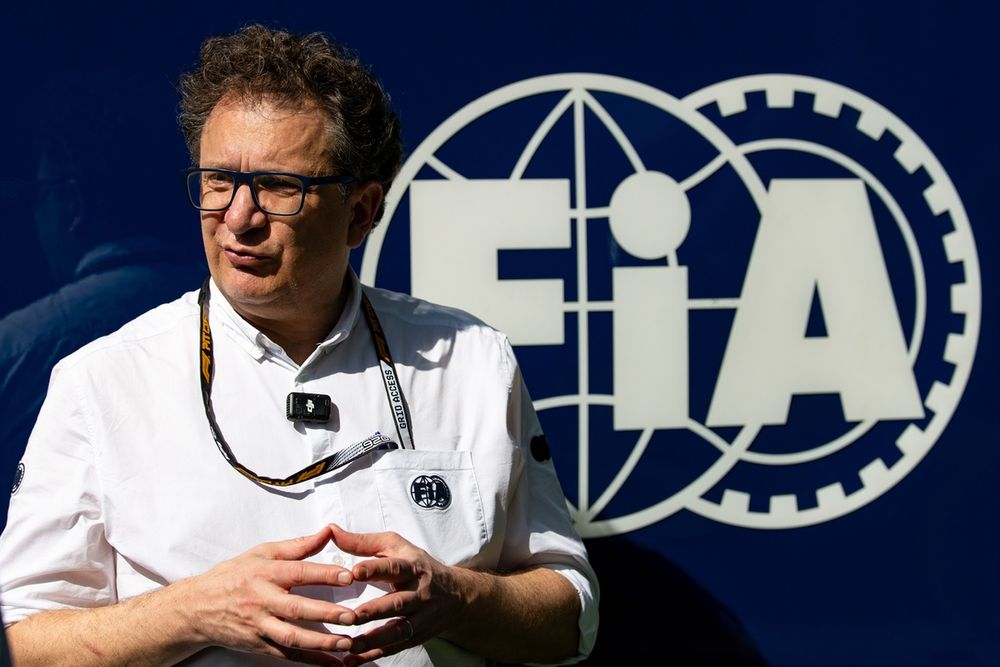
Nikolas Tombazis, the FIA Single-Seater Director, addressed the media to explain the failure. He admitted that the software had not been tested extensively for these specific low-speed, wet-weather scenarios.
“We didn’t manage to test the software as extensively as we would have liked, because there’s been very little wet running this year,” Tombazis explained. He characterized the emergency software update as a “rushed job,” noting that the priority was to get the race running. “It wasn’t a perfect job. Clearly, we didn’t test the updates, but I think it was the way to handle such a case.”
Tombazis also defended the collaborative nature of the software, noting it is developed by the FIA in conjunction with the teams and the standard ECU supplier, Motion Applied. He offered a guarantee regarding this specific error but remained cautious about future glitches: “Can I guarantee it will never happen again? This specific problem? Yes. A problem? No.”
The Drivers’ Frustration
For the drivers, the incident was more than a technical glitch; it was a blow to the perceived professionalism of the sport.
Sergio Perez, driving for Cadillac, was vocal in his dissatisfaction, describing the experience as “unacceptable” and likening the sensation of the failing car to “being in a rental kart and running out of time.”
Carlos Sainz directed his criticism toward the long-term regulatory direction. “It is clear the regs are extremely complicated for the drivers, for the teams, for the PUs, for the manufacturers. It is too complicated,” Sainz said. He questioned the decision-making process from years prior, suggesting that the current level of software dependency is a fundamental flaw. “That is what happens when there is so much software, so much controls involved.”
George Russell echoed these concerns, noting that the increasing complexity of the power units creates more opportunities for catastrophic failure. “The more complicated you make things, the more there is to go wrong,” Russell remarked.
Other drivers offered varying perspectives. Lando Norris called the event “horrible,” while Fernando Alonso provided a more tempered, humorous take on his season’s reliability, joking that he had already experienced a “50% DNF” rate that year.
Analysis: The Reliability vs. Complexity Trade-off
The Sepang incident highlights a growing tension in modern Formula 1: the pursuit of extreme technical efficiency versus the necessity of operational reliability. As the sport moves toward a 47% electrical power split, the margin for software error narrows significantly.
When software controls the very ability of a driver to respond to track conditions, the car ceases to be a purely mechanical instrument and becomes a highly sensitive digital platform. The “concertina effect” at Sepang proved that even a minor deviation in speed can trigger a cascade of software logic errors that are difficult to anticipate in a simulation environment.
The Testing Gap
One of the most significant revelations from the FIA’s post-race briefing was the lack of wet-weather testing. While teams like Red Bull and Ferrari had conducted limited wet-weather tests at Suzuka and Fiorano earlier in the year, these tests did not replicate the specific, extremely low-speed conditions encountered behind a safety car in a downpour. This gap in the testing protocol left the FIA and the teams blind to how the 250kW limit would interact with the MGU-K during near-standstill scenarios.
What It Means for You
The implications of this software failure extend beyond the pit wall, affecting various stakeholders within and outside the sport.
Counterpoints and Open Questions
While the FIA has identified a software bug as the primary culprit, the incident has not been without its skeptics.
The Lightning Theory: Oscar Piastri raised a different possibility, noting reports that lightning may have caused system resets within the FIA and F1 infrastructure. “We heard that a lot of F1 systems and the FIA systems went down with some of the lightning, so I don’t know if something kind of got reset,” Piastri suggested. While this remains unconfirmed, it highlights the vulnerability of highly electrified, sensor-heavy environments to environmental electrical interference.
The Fairness Question: There were also questions regarding whether the emergency software fix compromised the sporting fairness of the race. Tombazis insisted that the update, which lifted the 250kW limit in specific minisectors, did not compromise racing integrity, but the decision to override established regulations mid-race is a move that will likely face scrutiny during the upcoming debrief.
What Happens Next
The FIA and all participating teams are scheduled to undergo a full, comprehensive debrief of the Malaysia incident. This review will focus on several key areas:
Watch for the official FIA technical report, which will provide the definitive answer on whether the “lightning theory” or the “software loop” was the true catalyst for the chaos.
Frequently Asked Questions
What caused the F1 cars to stall in Malaysia?
The stalling was caused by a software bug in the 2026-specification power units. When the cars reached extremely low speeds during the formation lap in wet conditions, the software entered a “loop” that diverted throttle input toward recharging the MGU-K rather than providing propulsion. This prevented drivers from being able to re-accelerate, causing several cars to come to a standstill.
How long was the delay for the Bahrain Grand Prix in Malaysia?
The race experienced multiple delays. There was an initial 40-minute delay due to torrential rain. Following the attempted start, a software-related red flag caused a further delay. The total delay to the race restart was 53 minutes, and the event concluded more than three hours after its originally scheduled commencement.
Was the software fix legal?
The FIA issued an emergency software update that temporarily overrode the 250kW electrical power limit in specific minisectors to allow the cars to move through the problem areas. FIA Single-Seater Director Nikolas Tombazis stated that this was done to ensure the race could proceed and that the update did not compromise the safety, racing, or fairness of the event.
Why wasn’t the bug caught during testing?
According to the FIA, the bug went undetected because there had been very little wet-weather running during the 2026 season. While some wet-weather testing was conducted by teams like Red Bull and Ferrari, those tests did not include the extremely low-speed, “concertina effect” scenarios encountered behind the safety car in the rain at Sepang.
The chaos at the Sepang circuit serves as a stark reminder of the challenges inherent in managing the most technologically advanced racing cars in history
References
Featured image: Image via motorsport.com