President trump’s recent Trump Iran city comments made during a Nebraska campaign rally have ignited a firestorm of political and security concerns across california. During a speech on Monday, October 5, 2026, in Grand Island, Nebraska, the President suggested that the potential loss of major metropolitan areas like Los angeles and San Diego would be a “small price to pay” in the context of the ongoing conflict with Iran. This rhetoric has drawn immediate and sharp condemnation from California’s top executive and municipal leaders, who argue the remarks are both irresponsible and a threat to the safety of millions of American citizens.
Key Takeaways
- Controversial Rhetoric: President Trump stated that Iran could “take out” Los Angeles and San Diego, calling such a loss a “small price to pay” for national security.
- Political Backlash: California Governor Gavin Newsom and mayors from Los Angeles and San Diego labeled the remarks “deranged,” “dangerous,” and “reckless.”
- White House Defense: The administration and spokesperson Steven Cheung argued the President was warning about the consequences of a nuclear Iran, not inviting an attack.
- Security Implications: California has activated its State Threat Assessment Center to monitor for potential foreign exploitation of the President’s rhetoric.
- Economic Policy: Alongside the rally, Trump signed an executive order to lower diesel prices through tax-free “red dye diesel” purchases.
- Election Context: The incident occurs during a high-intensity “32-day blitz” of campaign rallies leading up to the November 3, 2026, midterm elections.
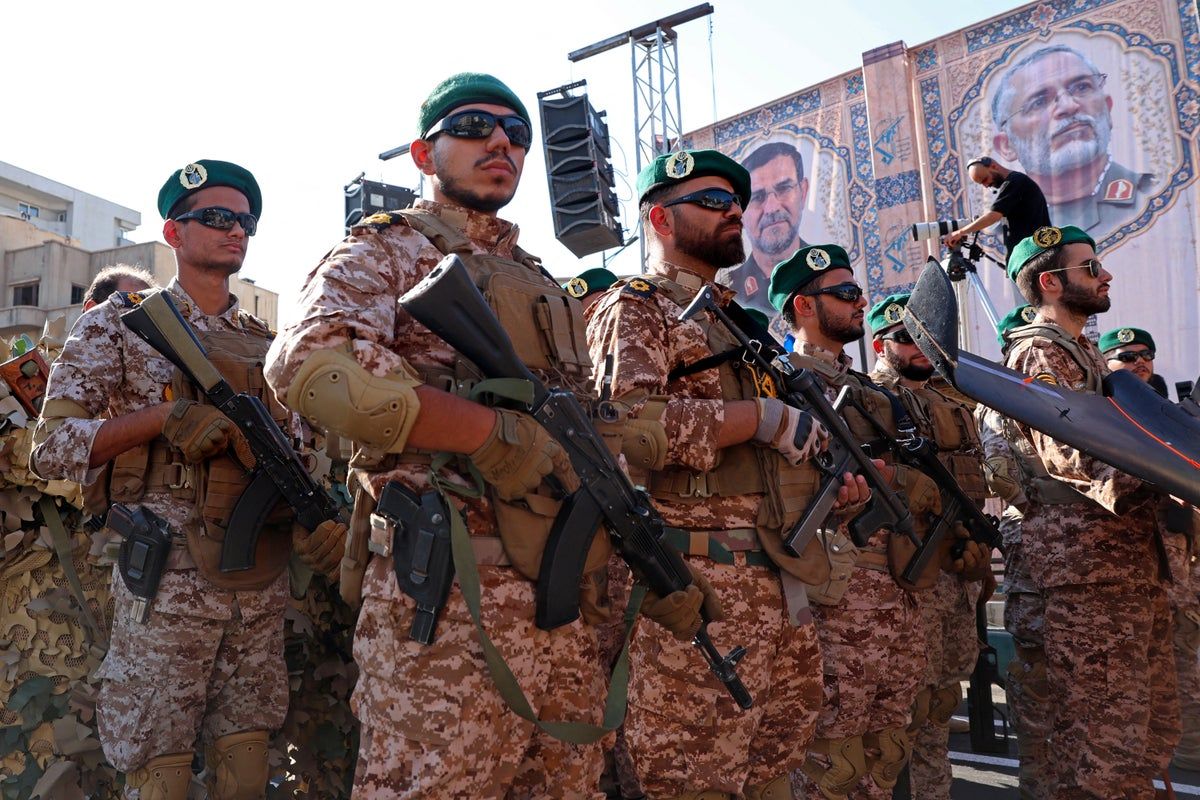
- The Associated Press reported in March that Iran had a self-imposed limit on its ballistic missile program, restricting its range to 1,240 miles. Under this limit, a strike on the U.S. mainland would be impossible, as even strategic locations like Diego Garcia are well outside that range.
- However, U.S. officials have long alleged that Iran’s space program could potentially allow for the development of intercontinental ballistic missiles (ICBMs) capable of reaching the United States.
- In March, California law enforcement agencies received warnings of potential Iranian drone attacks, though The Los Angeles Times reported that there was no credible intelligence to support such a threat at that time.
- For California Residents: The activation of the State Threat Assessment Center and the intense rhetoric may lead to increased local security measures and heightened awareness of foreign intelligence threats.
- For Voters: With the midterm elections scheduled for November 3, 2026, these comments are expected to become a central theme in debates regarding national security, presidential temperament, and the stability of foreign policy.
- For the Logistics and Trucking Industry: The executive order on red dye diesel could provide immediate relief to operational costs, potentially impacting the pricing of goods across the supply chain.
- For National Security Professionals: The discrepancy between the President’s rhetoric and established intelligence regarding Iranian missile ranges may create new complexities in diplomatic and strategic communications.
- Did the President’s remarks inadvertently disclose any sensitive intelligence regarding Iranian targeting capabilities?
- Will the economic benefits of the diesel executive order be sufficient to offset the political volatility caused by his foreign policy statements?
- How will the heightened tension between California and the federal government affect the coordination of national security efforts in the coming months?
- The November 3 Midterms: The primary catalyst will be the midterm elections, where the rhetoric surrounding the iran war and domestic economic policy will likely be a deciding factor for voters in both red and blue states.
- The California Gubernatorial Race: The contest between Democratic nominee Xavier Becerra and Republican Steve Hilton (who is endorsed by Trump) will likely see an intensification of attacks regarding the President’s comments.
- Monitoring of Foreign Activity: Intelligence agencies and the California State Threat Assessment Center will continue to monitor for any shifts in Iranian activity or rhetoric that might respond to the President’s statements.
- www.theguardian.com
- www.cbsnews.com
- abc7.com
- www.latimes.com
What Happened in Grand Island
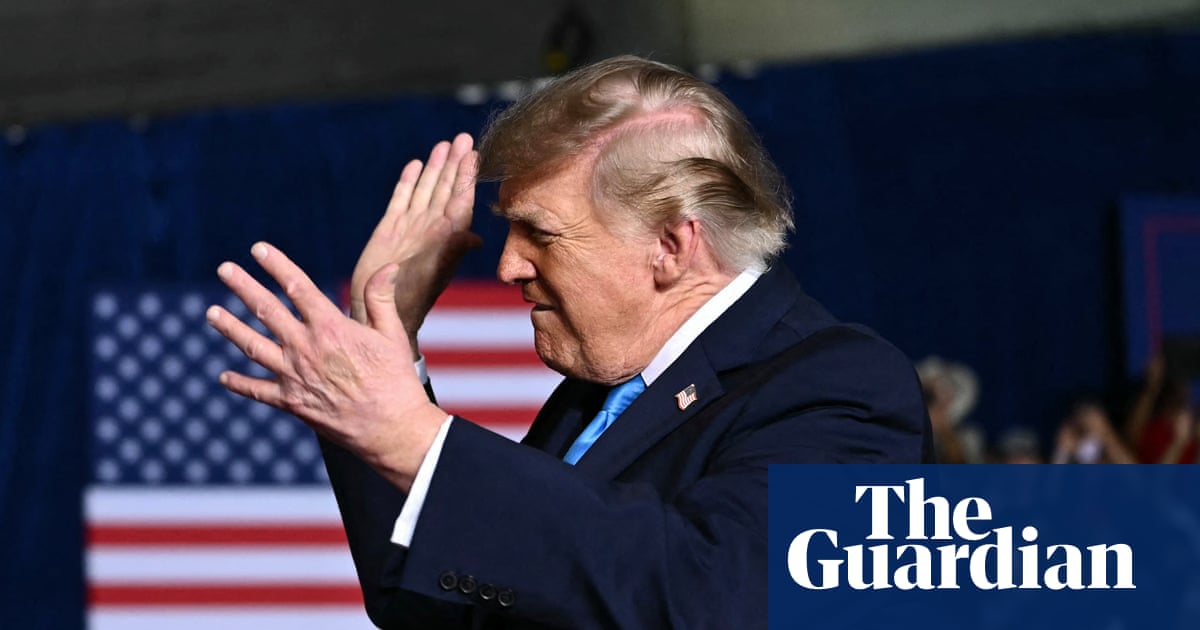
On Monday, October 5, 2026, President Donald Trump held a campaign rally at the Pinnacle Bank Expo Center in Grand Island, Nebraska. The event, which lasted approximately 90 minutes, was part of a broader campaign effort to energize supporters in deep-red states ahead of the upcoming midterm elections. During the speech, Trump addressed the economic and geopolitical tensions resulting from the war with Iran, characterizing the current economic burdens as “artificial” and “a little bit high.”
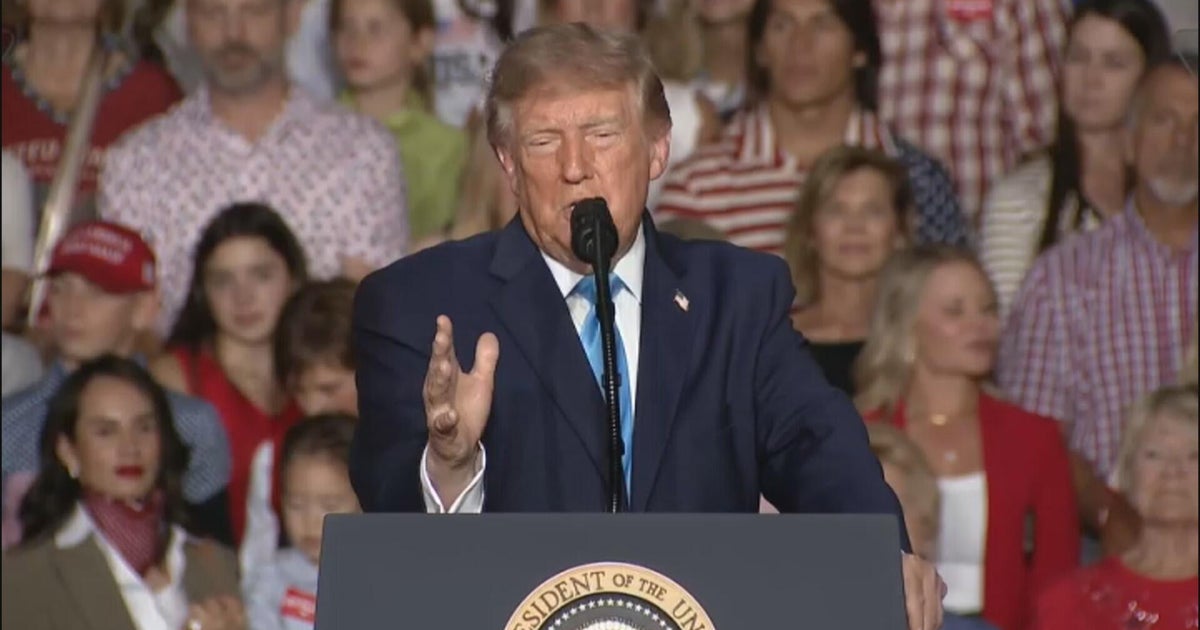
As the President discussed the necessity of maintaining global and national security, the tone of the speech shifted toward the potential costs of the conflict. Trump remarked, “It’s a small price to pay for keeping the world safe, keeping our country safe.” He then expanded on this, stating, “They can take out a city, let ’em take out Los Angeles, let ’em take out San Diego. This is a very small price to pay.”
According to reports from The Guardian and ABC7 Los Angeles, the crowd at the rally responded to these comments with applause. Trump further suggested that the conflict with Iran would be resolved “very soon,” claiming the situation was “essentially almost over with.”
Why the Remarks Matter
The significance of these comments extends far beyond political posturing, touching on national security, the safety of millions of residents, and the strategic importance of the West Coast. The two cities mentioned—Los Angeles and San Diego—are not merely population centers; they are critical hubs for American military, aerospace, and technological infrastructure.
The Human and Political Cost
California leaders have emphasized the massive population at risk. Governor Gavin Newsom, posting on X, argued that the President was effectively advocating for an attack on more than 10 million U.S. residents. Democratic gubernatorial front-runner Xavier Becerra echoed this sentiment, noting that 13 million Californians reside in Los Angeles and San Diego counties and asserting that their lives should not be treated as a “punchline.”
Strategic and Military Importance
The mention of these specific cities carries weight due to their roles in national defense. CBS Los Angeles detailed the critical infrastructure located within these metropolitan areas:
| City | Key Infrastructure & Importance |
|---|---|
| Los Angeles | Home to the U.S. Space Force’s Space Systems Command Headquarters; major aerospace contractors including Lockheed Martin, Boeing, and Northrop Grumman; and major research centers like the RAND Corporation. |
| San Diego | Home to Naval Base San Diego (Pacific Fleet homeport); Marine Corps Base Camp Pendleton (supporting 70,000 personnel); and Naval Amphibious Base Coronado (training ground for Navy SEALs). |
Because of this density of military and aerospace assets, analysts suggest that any rhetoric implying these cities are “expendable” could be interpreted by foreign adversaries as a sign of vulnerability or a lack of domestic resolve.
Analysis of the Trump Iran City Comments
The fallout from the Trump Iran city comments has created two distinct narratives regarding the President’s intent and the actual threat level posed by Iran.
The White House Perspective: A Warning, Not an Invitation
The White House has moved quickly to frame the comments as a misunderstood warning. White House communications director Steven Cheung dismissed the media response as a “media freakout” that was “not rooted in reality.” According to Cheung, the President was making a point about the necessity of preventing Iran from acquiring nuclear capabilities. He stated that the President was highlighting that U.S. cities would be threatened if a nuclear Iran had not been stopped, asserting that “America is safer because of the President.”
The White House rapid response account on X further clarified that the President’s words were intended to show that the current military and diplomatic efforts are necessary to prevent the very scenario he described.
The California Perspective: Reckless and Dangerous
In contrast, California’s leadership views the remarks as a breach of the President’s fundamental duty to protect the nation. Los Angeles Mayor Karen Bass expressed shock to reporters, stating, “That’s a president of the United States, inviting a country that we are at war with to attack an American city.” She argued that such rhetoric could “potentially compromise our safety.”
San Diego Mayor Todd Gloria similarly rejected the notion that his city is “collateral damage,” calling the remarks “reckless war talk.” The tension is compounded by Governor Newsom’s reminder that the Trump administration had previously sent the National Guard and Marines to occupy California, creating a sense of direct friction between the state and the federal government.
Security and Intelligence Context
A central question in this controversy is whether Iran possesses the capability to carry out such an attack. There is a significant discrepancy between political rhetoric and intelligence assessments.
The Missile Capability Debate:
In response to the recent rally, Governor Newsom has directed the California State Threat Assessment Center to actively monitor the situation to ensure that foreign actors do not attempt to exploit the President’s rhetoric.
Economic Policy: The Diesel Executive Order
While the rally was dominated by the Iran controversy, President Trump also utilized the event to address domestic economic concerns. Addressing rising fuel and grocery costs, Trump signed an executive order aimed at providing relief to the trucking industry.
The order allows for the tax-free purchase of “red dye diesel.” Because dyed diesel is exempt from both federal and state excise taxes, Trump claims this is an “unprecedented step to bring down costs.” He estimated that a typical trucker could save more than $100 each time they fill their tanks, which he argues will eventually lower the cost of consumer goods, including groceries, for the general public.
What It Means for You
The implications of these events vary depending on your role in society:
Counterpoints and Open Questions
While the backlash from California has been nearly universal among Democrats, some conservative activists have offered a different interpretation. They suggest that the President’s comments were “elliptical” and that when he referred to a “small price to pay,” he was actually discussing the economic costs of high gas prices rather than physical destruction.
However, this interpretation faces significant criticism from local officials who point to the specific naming of Los Angeles and San Diego as evidence of a more direct and dangerous implication.
Several questions remain unanswered:
What Happens Next
As the campaign enters its final stages, several key developments will serve as indicators of how this incident will shape the political landscape:
Frequently Asked Questions
What exactly did President Trump say about Los Angeles and San Diego?
During a campaign rally in Grand Island, Nebraska, on October 5, 2026, President Trump stated that the potential for Iran to “take out” cities like Los Angeles and San Diego would be a “small price to pay” for maintaining national and global security. He suggested that the costs of the Iran war, while high, were necessary to keep the country safe.
How did California officials respond to these remarks?
California leaders issued immediate condemnations. Governor Gavin Newsom called the remarks “deranged and dangerous,” while Los Angeles Mayor Karen Bass and San Diego Mayor Todd Gloria characterized the comments as “irresponsible threats” and “reckless war talk.” They argued that the President’s duty is to protect American lives, not suggest they are expendable.
What is the “red dye diesel” executive order?
President Trump signed an executive order during the Nebraska rally that permits the tax-free purchase of “red dye diesel.” This is intended to reduce costs for the trucking industry by exempting them from federal and state excise taxes. Trump estimates this could save truckers over $100 per fill-up, which he claims will help lower the price of consumer goods like groceries.
Does Iran have the ability to attack the U.S. mainland?
According to an Associated Press report from March 2026, Iran’s ballistic missile program has had a self-imposed range limit of 1,240 miles, which is insufficient to reach the United States. However, some U.S. officials have expressed concern that Iran’s space program could enable the development of intercontinental ballistic missiles (ICBMs) that could bridge that gap.
References
Featured image: Photo by Werner Pfennig on Pexels