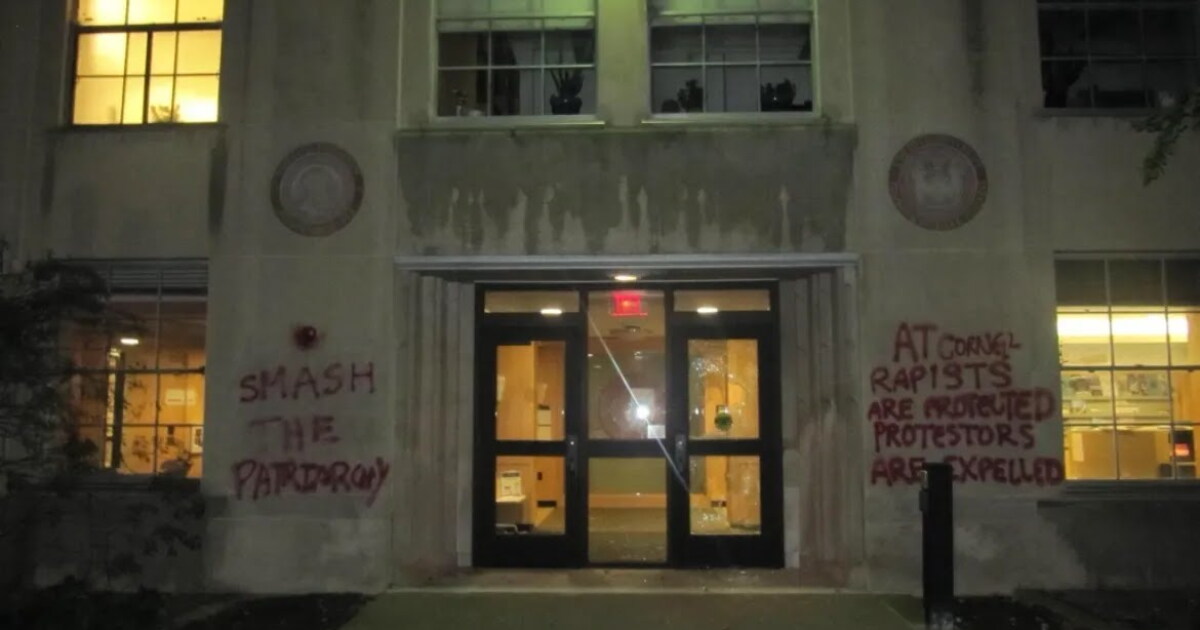
The cornell university protests escalated significantly on Monday, October 5, 2026, following a series of vandalism incidents and large-scale demonstrations targeting the university’s central administration. Unidentified activists targeted Day Hall, the headquarters for the institution’s senior leadership, smashing a glass door and spray-painting messages that condemn the university’s handling of a high-profile 2024 sexual assault case. This act of property damage comes as the state of New York intervenes, with Governor Kathy Hochul appointing New York Attorney General Letitia James as a special prosecutor to investigate the underlying allegations that sparked the unrest.
Key Takeaways
- Vandalism at Day Hall: Activists smashed a glass entrance and spray-painted slogans like “SMASH THE PATRIARCHY” at the university’s administrative center around 3:00 a.m. on Monday.
- Root Cause: The unrest is a direct response to the university’s management of a 2024 gang rape allegation involving members of the Chi Phi fraternity.
- State Intervention: In a major escalation, Governor Kathy Hochul has appointed Letitia James as a special prosecutor to investigate the original 2024 allegations.
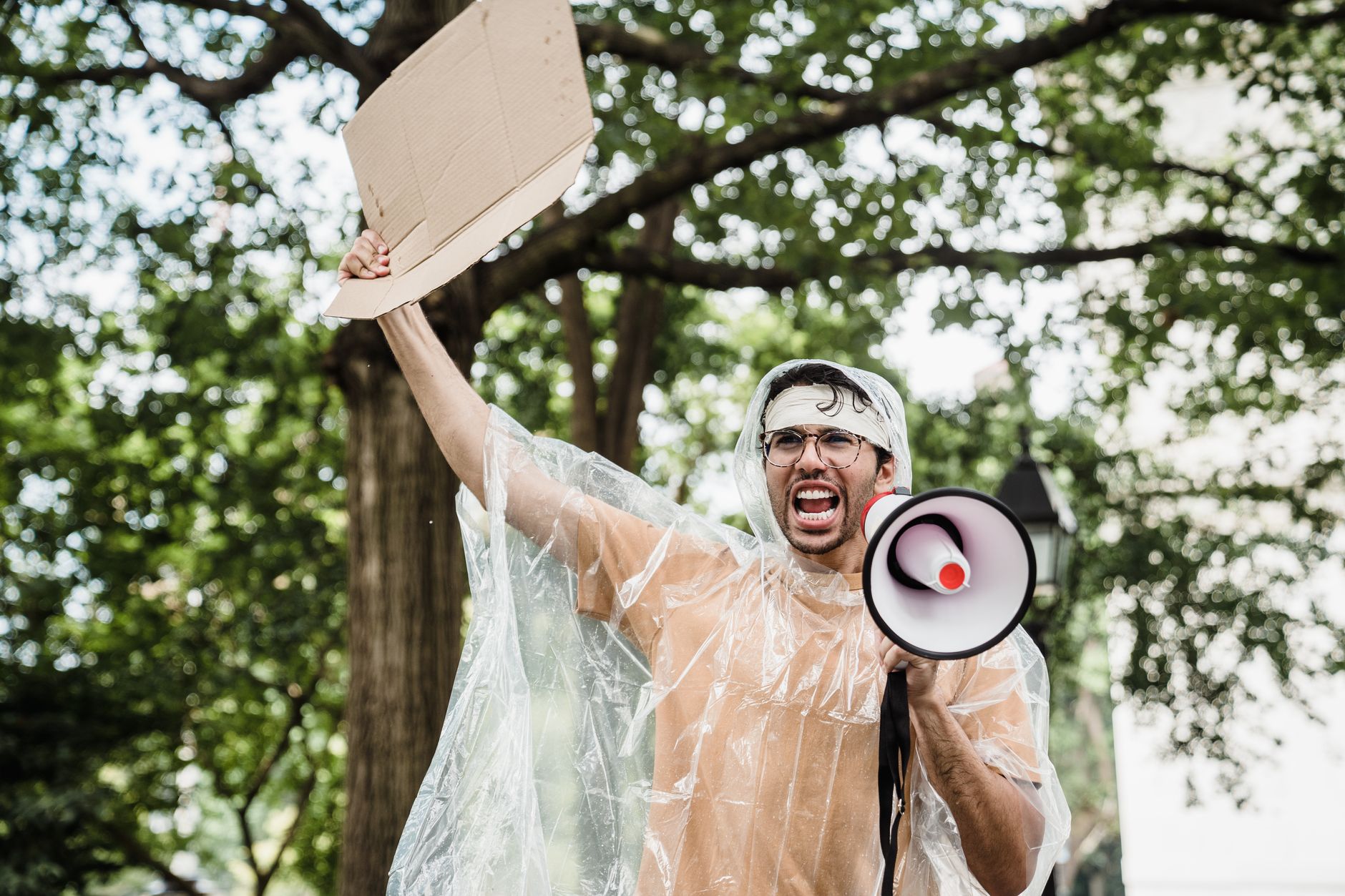
- Massive Demonstrations: Thousands of students and faculty members gathered for a large-scale protest rally on Monday evening, demanding systemic reforms.
- Radical Demands: Protesters are calling for the total abolition of Greek life and the replacement of current disciplinary systems with a “democratic” model.
- For Students: Expect continued volatility on campus. The calls for the abolition of Greek life and a complete overhaul of the disciplinary system suggest that the status quo of campus social life and student conduct is under immediate threat.
- For Alumni and Donors: The university’s reputation and the perceived value of its degrees are at the center of the debate. Demands to “revoke degrees” of certain individuals could signal a broader push for accountability that affects the institution’s prestige.
- For Legal Professionals and Policy Makers: The use of a special prosecutor to investigate campus sexual assault allegations provides a significant case study in state intervention within private higher education. The results of the Letitia James investigation could influence how sexual misconduct is handled across the state of New York.
- The Criminal Threshold: Why did the local District Attorney determine there was insufficient evidence for criminal charges in 2024, and will the special prosecutor find different evidence?
- The Scope of Authority: To what extent can a state-appointed prosecutor influence the internal disciplinary policies of a private university?
- The Future of Greek Life: Can a university effectively manage campus culture if its primary governing body, the IFC, is abolished by student mandate?
- The Vandalism Investigation: The university’s internal probe into the Day Hall incident will likely lead to disciplinary actions against those identified as perpetrators.
- The Special Prosecutor’s Inquiry: The investigation led by Letitia James into the 2024 allegations will be the most critical factor in determining whether criminal charges are eventually filed.
- The Civil Lawsuit: The progress of the lawsuit filed by Jane Doe will continue to provide new information and fuel the arguments of both the activists and the university’s legal team.
- Administrative Response: The university’s response to the demands for disciplinary reform and the abolition of Greek life will dictate whether students feel heard or if further direct action is required.
- www.washingtonpost.com
What Happened
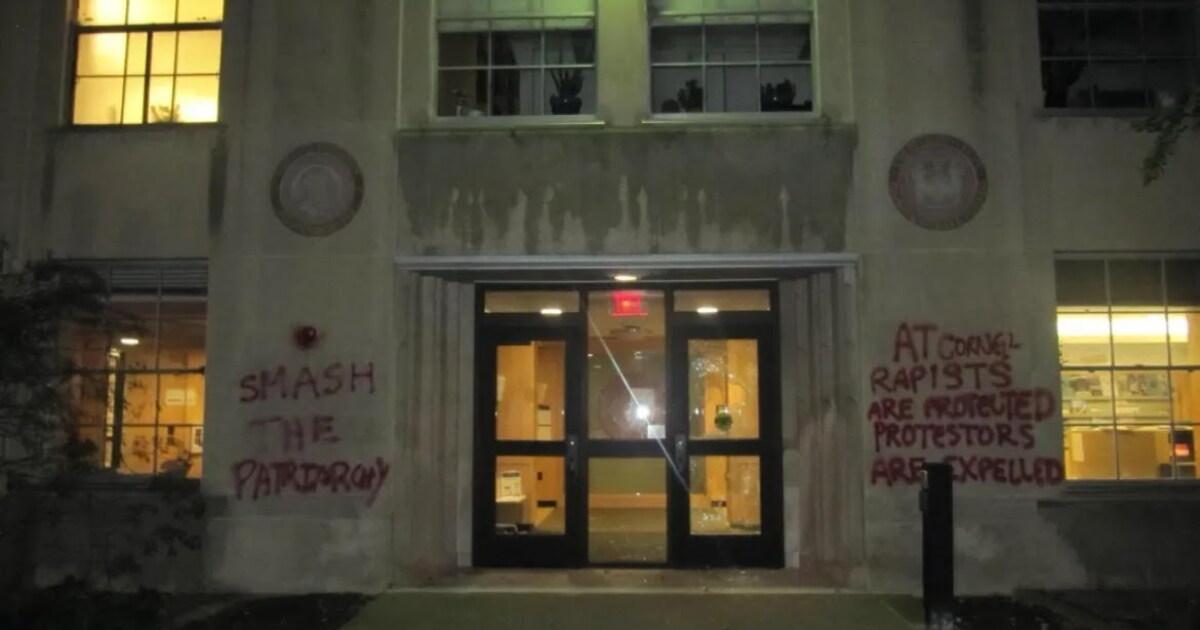
In the early morning hours of Monday, October 5, 2026, the campus atmosphere at Cornell shifted from academic routine to active unrest. At approximately 3:00 a.m., unidentified individuals targeted Day Hall, the building that houses the office of University President Michael Kotlikoff. According to reports from NewsCord, the perpetrators smashed a glass door, leaving debris across the entryway, and applied spray-painted messages to the building’s exterior.
Two primary messages were prominently displayed on the walls: “SMASH THE PATRIARCHY” and “AT CORNELL RAPISTS ARE PROTECTED PROTESTORS ARE EXPELLED.” The activists reportedly told The Cornell Daily Sun that their goal was to ensure the “center of Cornell’s administrative function” could not “continue business as usual.” They framed the vandalism as a protest against what they described as “global systems of power” that allowed a 2024 assault to occur without sufficient accountability.
Analysis: A Systemic Breakdown
The core of the Cornell University protests lies in the tension between administrative procedure and perceived moral justice. The university followed its established protocols—investigating the 2024 incident, holding hearings, and issuing sanctions like expulsions. From a bureaucratic standpoint, the university acted. However, from the perspective of the protesters, these actions were insufficient because they did not result in criminal prosecution or the total removal of the fraternity culture they believe facilitates such violence.
This disconnect is exacerbated by the “Jane Doe” lawsuit. When legal battles move into the courtroom, the university’s internal decisions become subject to discovery and public scrutiny. The appointment of Letitia James as a special prosecutor suggests that the state recognizes this tension and intends to provide a level of accountability that the university’s internal processes—or the local District Attorney’s office—may have failed to achieve.
What It Means for You
The outcome of this situation will have varying implications depending on your relationship with the university:
Counterpoints and Open Questions
While the protesters’ anger is rooted in a documented case of alleged violence, their methods have sparked debate. The university administration, through Kyle Kimball, has maintained that while the concerns are valid, property damage is an unacceptable form of expression. This raises a fundamental question in campus activism: at what point does the destruction of property undermine the legitimacy of a social movement?
Furthermore, there are significant legal and procedural questions that remain unanswered:
What Happens Next
Several key developments will determine if the situation at Cornell de-escalates or moves into a period of sustained unrest:
Frequently Asked Questions
Why was Day Hall targeted during the protests?
Day Hall is the administrative headquarters of Cornell University and houses the offices of the university’s top leadership, including the President. Activists targeted the building to disrupt “business as usual” and to force the administration to confront the issues they feel are being ignored.
Who is the special prosecutor for the Cornell case?
New York Attorney General Letitia James has been appointed as the special prosecutor by Governor Kathy Hochul. Her role is to investigate the original 2024 gang rape allegations involving members of the Chi Phi fraternity, providing an independent layer of investigation outside of the university and local police.
What are the protesters demanding from Cornell?
The protesters have several specific and radical demands, including the total abolition of Greek life and the Interfraternity Council (IFC), the revocation of degrees for the men accused in the 2024 case, the resignation of specific administrators, and the implementation of a “democratic” disciplinary system to replace the current Office of Student Conduct and Community Standards.
Is the university being sued?
Yes. A lawsuit has been filed by the victim, identified as Jane Doe, against Cornell University, her sorority, and the seven men alleged to have been involved in the 2024 assault. The lawsuit focuses on the university’s handling of the allegations.
Closing
The Cornell University protests represent a convergence of student activism, legal scrutiny, and state intervention
References
Featured image: Image via NewsCord