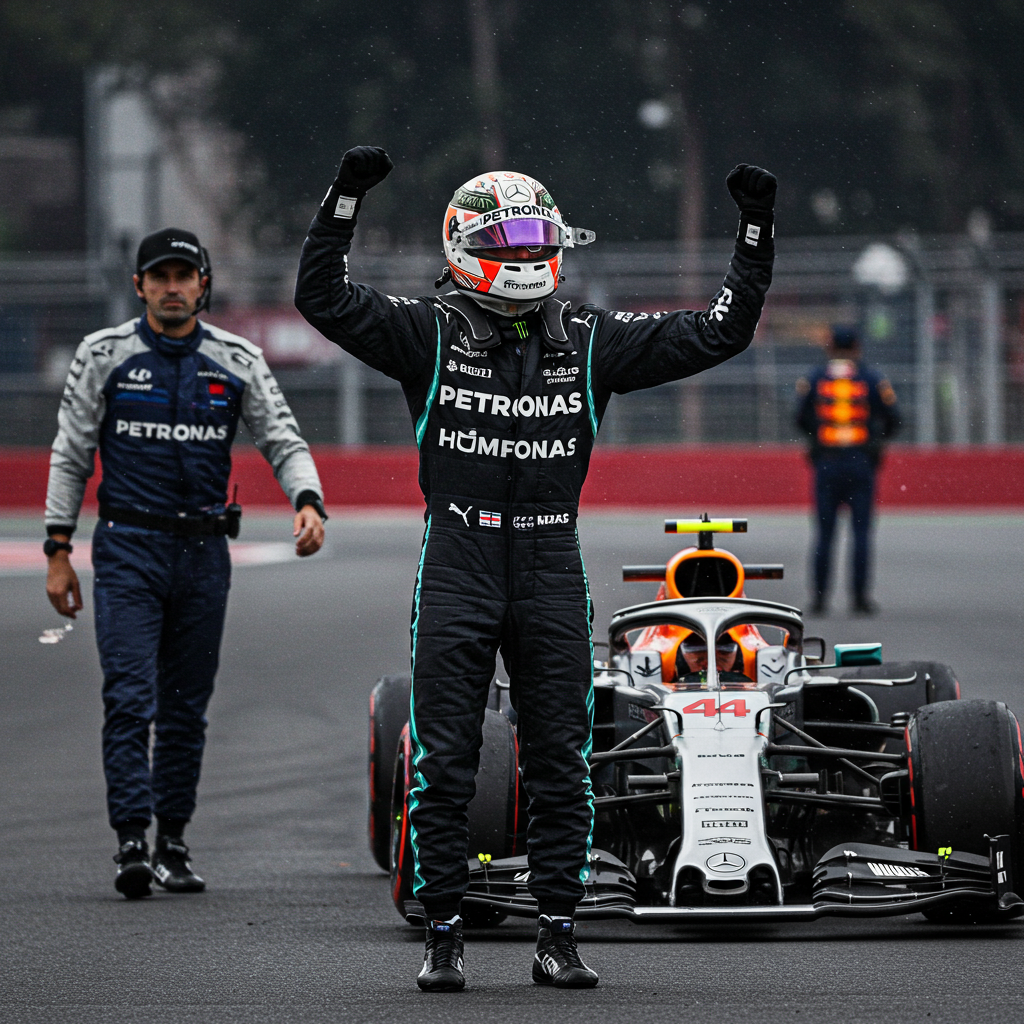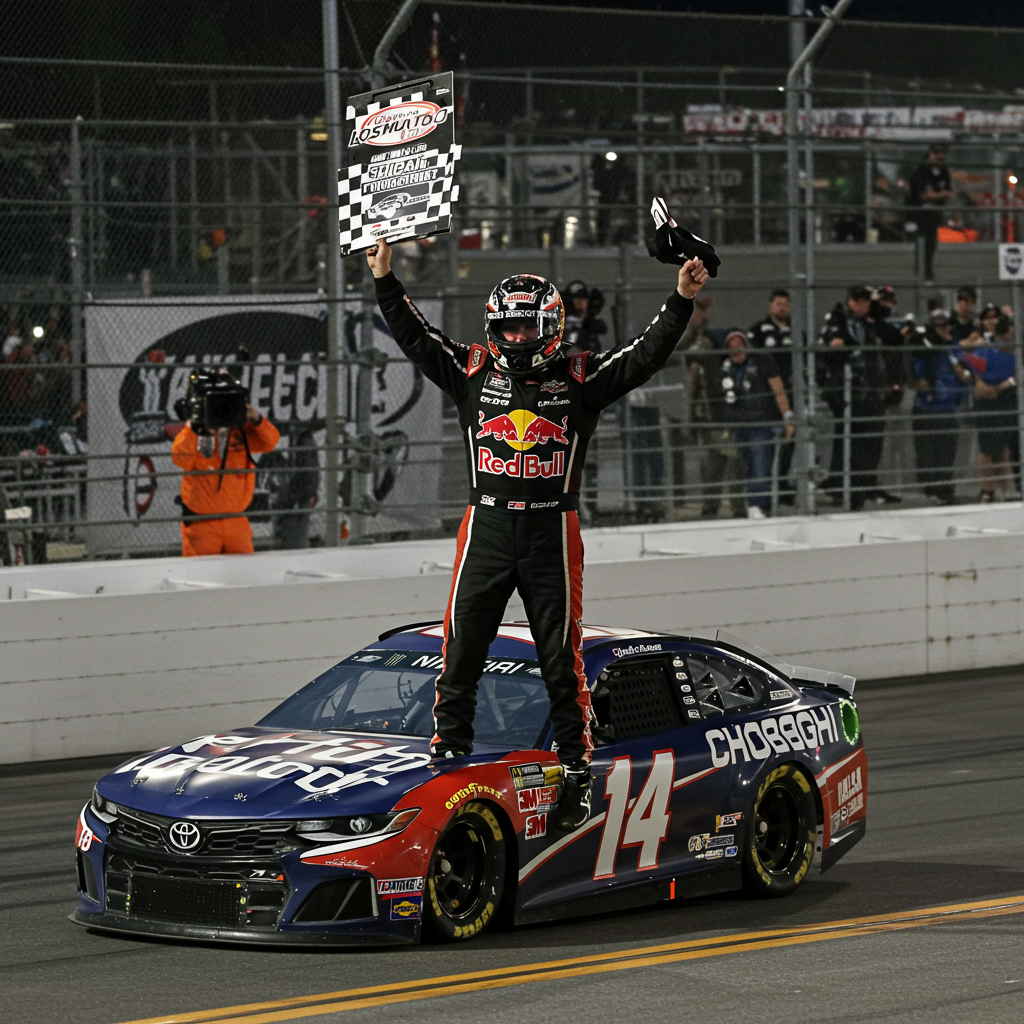
chicago‘s streets once again delivered unpredictable drama in the nascar Cup Series, culminating in a historic win for Shane van Gisbergen amid controversy and boiling tempers. The second running of the NASCAR Chicago street Race, officially known as the Grant Park 165, saw the New Zealand driver dominate, only for a late-race caution to spark debate about the finish. Beyond the on-track action, simmering rivalries exploded after the checkered flag, and questions loom large over the event’s future in the Windy City. This race proved that while NASCAR thrives on traditional ovals, taking the show to the heart of a major metropolis brings a unique brand of chaos and excitement.
Shane van Gisbergen’s Dominant and Historic Victory
Shane van Gisbergen, widely known as “SVG,” continued his remarkable NASCAR journey by capturing his second career Cup Series win on the challenging Chicago street course. This victory comes exactly two years after his stunning debut win at the inaugural event in 2023, a performance that undeniably paved his path towards a full-time NASCAR career. The three-time Australian Supercars champion demonstrated exceptional skill navigating the tight corners and limited run-off areas of the urban circuit.
His latest triumph elevates SVG into the NASCAR history books once more. With this third career Cup Series win (combining his two Chicago victories with a prior win), he now stands as the most-winning foreign-born driver in NASCAR Cup Series history, surpassing Rich Vogler and Juan Pablo Montoya, who each had two Cup wins.
Adding another layer to his impressive weekend, van Gisbergen completed a sweep by winning both the Xfinity Series race and the Cup Series race from the pole position. This rare achievement has only been accomplished once before in NASCAR history, by Kyle Busch at Indianapolis Motor Speedway in 2016. Starting from the front and holding command throughout a street race, notorious for incidents and unexpected outcomes, highlights van Gisbergen’s mastery of this specific racing discipline.
Reflecting on his connection to Chicago, SVG shared how the city’s race fundamentally altered his professional trajectory. He initially had no intentions of pursuing a full-time NASCAR ride after his initial one-off entry. However, his immediate success and the opportunities that followed transformed his plans, making the Chicago street course a pivotal location in his career narrative.
The Controversial Caution Flag Finish
While van Gisbergen held a comfortable lead in the final laps, the race conclusion was anything but straightforward, sparking immediate debate among fans, drivers, and analysts. The controversy centered on the timing of a caution flag during the final lap.
As van Gisbergen was completing Lap 99 of the scheduled 100, Cody Ware experienced a significant brake failure, sending his car hard into the tire barrier in Turn 6. This was a substantial impact, generating visible smoke and requiring immediate attention.
However, NASCAR officials delayed throwing the caution flag. Their protocol often involves waiting a moment to assess if a driver can move their disabled vehicle or if the situation requires an immediate stoppage. In this instance, the delay meant that van Gisbergen crossed the start-finish line and took the white flag (signaling the final lap) before the caution lights illuminated.
Under NASCAR rules, if the leader takes the white flag before a caution is declared, the race concludes under yellow on the final lap. Had the caution come out mere seconds earlier, before van Gisbergen took the white flag, the race would have gone into overtime, featuring a dramatic two-lap dash to the finish.
The timing proved critical. Van Gisbergen saw the smoke from Ware’s crash as he approached the final corners but felt immense relief when he received the white flag, knowing the win was effectively secured once the caution followed. Ty Gibbs, who finished second, and Tyler Reddick, in third, both expressed disappointment that they didn’t get an overtime restart, acknowledging they would have relished one more chance to challenge SVG. The incident underscored the fine margins and split-second decisions that can dramatically alter a race outcome in NASCAR.
Post-Race Tensions Boil Over
Street circuits, with their tight confines and unforgiving walls, frequently lead to aggressive racing as drivers push limits with minimal run-off room. This often results in bent fenders, frayed nerves, and sometimes, post-race confrontations. The Chicago event certainly delivered on this front, featuring notable flashpoints involving several prominent drivers.
Perhaps the most heated exchange occurred between Joey Logano and Ross Chastain. Logano was visibly furious after the race, engaging Chastain in a lengthy, animated discussion. Logano claimed afterward that Chastain admitted to intentionally turning him during the race. He labeled Chastain’s actions as “Typical Ross,” suggesting a pattern of aggressive, perhaps reckless, driving when frustrated. Logano pointed out this was the second time this season Chastain’s actions on a road course had negatively impacted his race. Interestingly, reports indicated the incident involving Logano was actually triggered by another driver, Austin Cindric, highlighting how multi-car incidents can quickly escalate and lead to misdirected anger. Logano strongly felt Chastain deserved a penalty or fine for his perceived actions.
Another incident near the end of the race saw Bubba Wallace and Alex Bowman tangle. Bowman recounted the sequence of events, describing how Wallace appeared to aggressively force him into walls and fences at multiple points on the track, leading to a “pin-balling” effect between their cars. While Wallace ultimately ended up worse off in the exchange, Bowman expressed surprise and dissatisfaction with the level of aggressive racing he received, particularly given the circumstances late in the event.
These incidents are unlikely to be forgotten quickly by the drivers involved, especially with another road course event scheduled for the following week at Sonoma. NASCAR officials are expected to review both altercations thoroughly to determine if any penalties or sanctions are warranted against Logano, Chastain, Wallace, or Bowman based on their on-track conduct.
The Uncertain Future of the Chicago Street Race
Beyond the racing itself, a significant question mark hangs over the future of the NASCAR Chicago Street Race. The initial agreement between NASCAR and the Chicago Parks Department was a three-year deal, which included options for extensions. However, speculation has been mounting that NASCAR might be considering relocating the street race concept to a different major city.
San Diego, California, has emerged as a frequently mentioned potential alternative location for a future street race on the NASCAR schedule. Taking the sport directly into densely populated urban areas is a strategic move aimed at attracting new fans who may not typically attend races at traditional speedways located outside city centers.
NASCAR officials acknowledged the ongoing discussions regarding Chicago’s future immediately following the race. They confirmed they are still engaged in conversations with city officials in Chicago. A decision is anticipated within the next couple of months, as NASCAR typically aims to finalize and release its schedule for the upcoming year by late summer.
Driver and team owner opinions on keeping the race in Chicago versus potentially moving it are somewhat divided. Many appreciate the unique challenge and visibility a street race provides, regardless of the specific location. Trackhouse Racing team owner Justin Marks vocalized strong support for the concept of street races in general. He believes bringing the sport directly to the people in city centers, where they can easily access and experience NASCAR firsthand, is inherently good for growing the sport’s audience and introducing it to individuals who might never have seen a race before. The strategic decision hinges on finding the right balance between community impact, logistical feasibility, and commercial viability for NASCAR.
Frequently Asked Questions
What made Shane van Gisbergen’s win at the Chicago NASCAR race historic?
Shane van Gisbergen’s victory was historic for several reasons. It was his second win in three years at the Chicago street course, the site of his unexpected Cup Series debut win in 2023. More significantly, it marked his third career Cup Series victory, establishing him as the most-winning foreign-born driver in NASCAR Cup Series history. Additionally, he achieved a rare weekend sweep, winning both the Xfinity and Cup races from the pole position, a feat only accomplished once before in the modern era.
Why was the caution flag controversial at the end of the Chicago Grant Park 165?
The controversy stemmed from the timing of the caution flag on the final lap. Driver Cody Ware crashed hard just as leader Shane van Gisbergen was completing the next-to-last lap. NASCAR officials delayed throwing the caution until after van Gisbergen had crossed the start-finish line and taken the white flag (signaling the start of the final lap). Under NASCAR rules, taking the white flag before a caution means the race ends under yellow. Had the caution been thrown seconds earlier, before the white flag, the race would have gone into overtime with a green-white-checkered finish, potentially allowing second-place Ty Gibbs and third-place Tyler Reddick a chance to challenge for the win.
Will the NASCAR street race return to Chicago next year?
The future of the NASCAR street race in Chicago is currently uncertain. The initial agreement with the city was for three years, with options for potential renewal. While NASCAR officials confirmed they are still in discussions with the city of Chicago regarding the event’s future, they are also reportedly exploring other potential locations for a street race, with San Diego mentioned as a possibility. A decision on the 2026 schedule, including the location of a potential street race, is expected within the next couple of months.
The Chicago NASCAR race delivered intense action, memorable moments, and significant talking points, from a record-setting winner to contentious on-track disputes and uncertainty about its place on the calendar. As NASCAR looks towards future seasons, the experience gained from operating an event in a major urban environment like Chicago will undoubtedly influence its strategy for bringing racing to new audiences across the country.