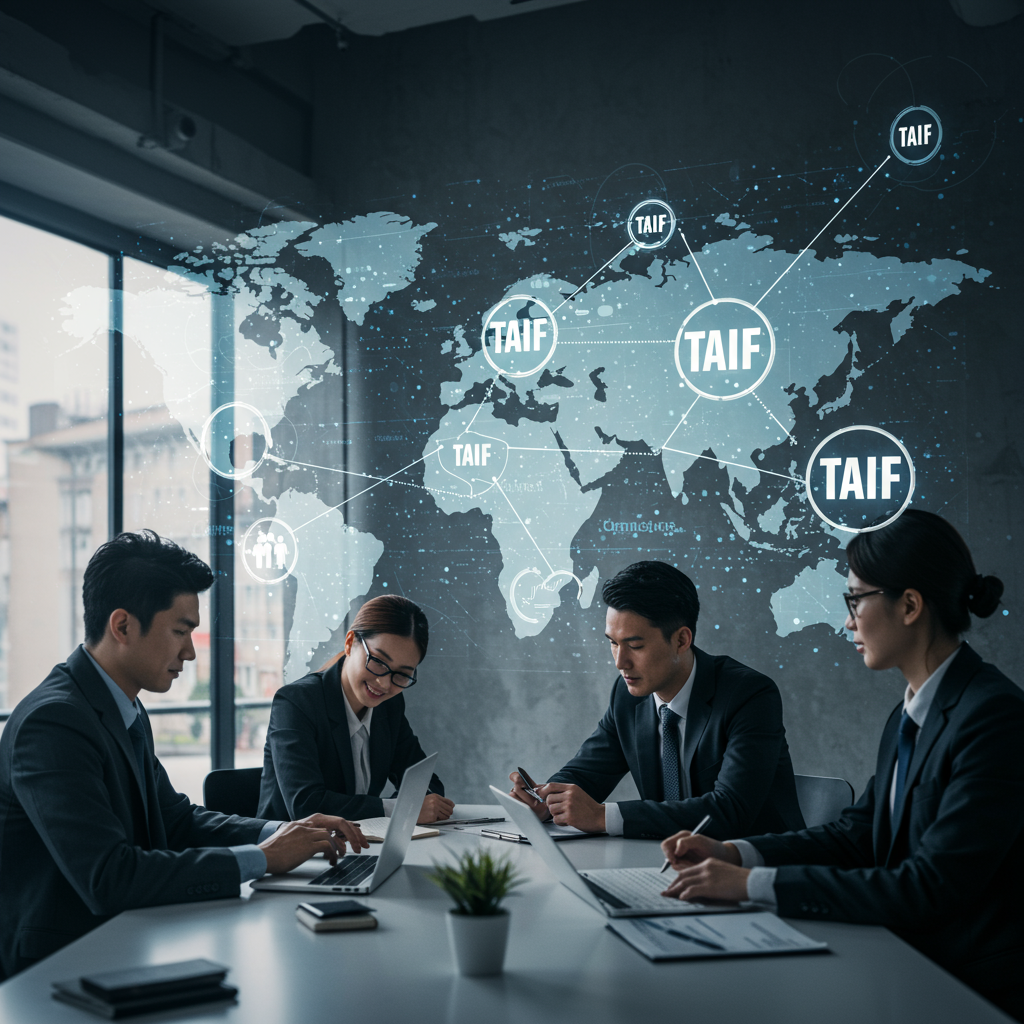
The imposition of tariffs has become a powerful catalyst, fundamentally altering the intricate network of global supply chains. While initial tariff announcements might grab headlines, their lasting impact extends far beyond immediate cost increases, compelling businesses worldwide to undertake radical strategic overhauls. The uncertainty generated by shifting trade policies, like the temporary pauses and rapid implementation seen in recent years, has already triggered significant action, forcing companies to rethink sourcing, manufacturing, and distribution.
The Immediate Shock: Rising Costs and Uncertainty
For many businesses relying on international trade, tariffs translate directly into higher import costs. These aren’t typically paid by the exporting country but by the importer within the country imposing the tariff. This direct financial hit can be substantial, particularly for companies with deep reliance on goods from heavily tariffed nations. The volatility surrounding tariff rates and target countries creates an environment where accurate financial forecasting and inventory planning become incredibly difficult, undermining established models like just-in-time delivery. This instability often leads to companies pausing or even canceling orders as they negotiate with vendors and assess future viability.
Case Study: Learning Resources’ Tariff Battle
An illustrative example is Learning Resources, an Illinois-based educational toy company. Rick Woldenberg, the CEO, described the potential impact of tariffs on Chinese imports, where a significant portion of his products are manufactured, as potentially “devastating.” He recounted how a temporary surge in tariffs could have increased his annual import taxes from roughly $2.5 million to over $100 million. Even at a current rate of 30% on Chinese goods, compared to a more general 10% rate applied elsewhere, the cost remains unaffordable for many American companies. This immense pressure spurred Learning Resources to pursue a dual strategy: challenging the legality of the tariffs in court and actively seeking alternative manufacturing locations.
Tariff Mechanics: Who Pays?
It’s a common misconception that tariffs are paid by the exporting nation. In reality, the tariff is a tax collected by the importing country’s customs authority from the importer. This means American companies bringing goods into the US from a country subject to tariffs bear the direct financial burden. While exporters may eventually adjust prices or terms, the initial and often enduring cost is absorbed by the importing business. This fundamental mechanic explains why companies like Learning Resources feel the direct financial pain and are driven to seek alternative suppliers or manufacturing sites.
Forced Diversification: Seeking New Shores
Faced with unsustainable tariff costs, many companies are accelerating efforts to diversify their supply chains away from heavily tariffed countries. This often involves shifting production or sourcing components to alternative nations where tariff rates are lower or trade relationships more stable. Vietnam and India, for instance, have become attractive alternatives for some companies previously manufacturing in China, despite potentially facing lower general tariffs themselves. This movement isn’t just about avoiding current tariffs but also mitigating the risk of future trade policy shifts impacting existing partners.
Challenges of Relocating Manufacturing
Relocating manufacturing or finding entirely new suppliers is far from simple or inexpensive. Supply chain experts emphasize the significant hurdles involved. It requires extensive research to find new sources for critical components and raw materials, rigorous quality testing to ensure new partners meet required standards, and substantial time investment in vetting facilities. Crucially, there’s a considerable cost and effort associated with knowledge transfer – training new workforces in different countries on specific processes and quality requirements. This can be a slow and complex process that distracts from a company’s core business focus and impacts already thin profit margins. Rick Woldenberg noted the uncertainty about whether new factories in countries like Vietnam or India can handle their required production capacity, especially if many other companies are attempting similar moves simultaneously.
Reciprocal Impacts: The Double Whammy
Trade wars often involve reciprocal actions. When one country imposes tariffs, the targeted country may retaliate with its own tariffs on imports from the first country. This creates a “double hit” scenario for businesses operating in both nations or relying on imports from both. Canadian companies, for example, have faced tariffs on their exports to the US alongside Canada’s retaliatory tariffs on US imports.
Case Study: Cluck Clucks’ Menu Crisis
The Canadian fried chicken chain Cluck Clucks experienced this reciprocal impact directly. While they source chicken locally, essential catering equipment like specialized fridges and pressure fryers are imported from the US. Canada’s retaliatory tariffs increased the cost of these vital imports. This forced Cluck Clucks to make difficult operational decisions. While they couldn’t operate without the fridges (despite the increased cost, which may lead to price increases for consumers), they decided to stop purchasing new pressure fryers. Since no Canadian alternative exists, this decision limits the menu at new stores, which can only offer boneless chicken prepared differently, rather than the bone-in pieces requiring pressure fryers. This illustrates how tariffs on unexpected inputs can constrain business growth and product offerings. Despite these domestic challenges, the company is proceeding with US expansion plans, establishing local supply chains within the US.
Impacts Beyond the Importer
The effects of tariffs aren’t confined to the importing or exporting companies directly paying the tax. They ripple through the entire supply chain and can reach end consumers. When importers face higher costs, they often pass those costs on to wholesalers, retailers, and ultimately, shoppers through higher prices on store shelves. Additionally, exporting companies may see reduced demand from tariffed markets because their products become less competitive on price, leading them to reduce volumes or seek alternative export markets.
Global Ripples: Effects on Other Exporters
The impact of tariffs extends beyond the direct trade partners. Exporters in countries not directly targeted by the highest tariffs may still face challenges. For instance, general tariffs, even at lower rates like 10% on European imports to the US, can erode profitability.
Case Study: Spain’s Olive Oil Adaptation
Oro del Desierto, an olive oil producer in Spain exporting to the US, noted that the US tariffs on European goods meant these costs had to be passed directly onto American consumers. This price increase could potentially reduce demand in the US market. Faced with this, the company is considering adjusting its export strategy – potentially reducing the volume sent to the US if profitability declines and increasing exports to its many other international markets to cushion the loss. This highlights how companies are leveraging existing market diversity to mitigate tariff impacts.
Beyond Tariffs: New Pressures and Opportunities
While tariffs represent a significant trade barrier, they are not the only force reshaping global supply chains. The landscape is also increasingly influenced by geopolitical shifts, lessons learned from pandemic disruptions, and a growing global focus on sustainability.
The EU’s Sustainability Mandates
The European Union, in particular, is actively integrating climate goals into its trade policy, creating a complex interplay with traditional tariff concerns. Initiatives like the Carbon Border Adjustment Mechanism (CBAM) impose carbon levies on certain energy-intensive imports based on their embedded emissions. New regulations like the Corporate Sustainability Due Diligence Directive (CSDDD) require large companies to police human rights and environmental harms throughout their value chains, extending liability to non-EU suppliers. The EU Deforestation Directive (EUDR) and Corporate Sustainability Reporting Directive (CSRD) add further requirements for deforestation-free sourcing and detailed sustainability reporting. For exporters globally, these regulations effectively make sustainability compliance a new, non-tariff barrier or a prerequisite for accessing the lucrative EU market. Navigating carbon pricing, due diligence, and rigorous reporting standards adds significant complexity, particularly for sectors with high carbon footprints.
Connecting Tariffs, Sustainability, and Supply Chains
These different pressures converge on supply chain strategy. While tariffs incentivize moving production based purely on cost and trade policy, sustainability mandates add another layer, potentially favoring suppliers with lower carbon footprints or better ethical practices, regardless of tariff status. A company moving production might now not only consider tariffs and labor costs but also the environmental regulations of the new location and the sustainability expectations of their destination markets (like the EU). For exporters, demonstrating transparency and sustainability can provide a competitive edge, potentially offsetting some tariff-related challenges by becoming a preferred, compliant supplier in environmentally conscious markets.
Building Resilience: The Future of Supply Chains
The multitude of recent disruptions – from the COVID-19 pandemic and geopolitical conflicts to the rapid imposition of tariffs – have inadvertently made global supply chains more adaptable. Companies have learned the value of building flexibility into their networks, even if it incurs slightly higher costs initially.
Lessons from Recent Disruptions
The chaos of the pandemic, starting in late 2019, and geopolitical shifts like the war in Ukraine, starting in 2022, exposed vulnerabilities in highly optimized, single-source supply chains. This led to trends like “friendshoring” (moving production to geopolitically aligned countries) and a greater focus on resilience. Tariffs are the latest in a series of disruptions, forcing businesses to further stress-test and adapt their models. The key lesson is the need for agility – the ability to reroute shipments, identify alternative suppliers quickly, and adjust strategies based on evolving conditions.
The Role of Technology and Data
Technology is increasingly crucial for navigating this complex environment. Advanced digital tools, such as real-time tracking platforms, predictive analytics, and digitized quality management systems, offer improved visibility and efficiency. These tools can help companies identify bottlenecks, optimize routes to bypass tariff-hit areas, enhance forecasting despite volatility, and facilitate closer collaboration between producers and their supply chain partners. Automation and robotics investments are also seen as ways to counter margin pressures from tariffs by reducing labor costs and boosting productivity. Companies that invest in integrating digital systems gain better control and adaptability, essential for maintaining quality and efficiency during transitions.
Investment Strategies for a Tariffed World
For investors, the current trade climate creates both risks and opportunities. Identifying companies capable of navigating or capitalizing on these shifts is key. Strategies might involve prioritizing investments in logistics and transportation firms that facilitate supply chain diversification, technology enablers providing visibility and efficiency, and automation leaders that help counter margin pressures. Sectors with high transatlantic exposure (e.g., certain automotive or luxury goods) might require caution unless companies have effective hedging mechanisms. The focus shifts to companies that are enablers of supply chain resilience and adaptation.
Impact on Quality Control
Rapid changes in sourcing or manufacturing locations driven by tariffs can significantly impact quality assurance (QA). While some argue that tariffs themselves don’t inherently affect quality if reliable suppliers are chosen, the transition process inevitably increases the workload for QA teams.
Increased QA Workload and Strategic Importance
Switching to new suppliers, even those deemed capable, introduces variability in materials, processes, and consistency. QA teams must dedicate significantly more time to verifying results, handling nonconformance reports, and revalidating quality parameters. This elevates the strategic importance of quality professionals, who are increasingly integrated into purchasing and sourcing decisions early on to evaluate potential suppliers and guide choices. Manufacturers are strengthening supplier onboarding processes with more rigorous inspection and validation to mitigate risks during these transitions. Studies confirm that supply chain issues, including those triggered by trade disruptions, are a top risk area influencing quality control concerns.
Digital Tools for Quality Management
Managing increased QA workload and ensuring consistency across new suppliers is challenging without robust systems. Digitizing quality management systems allows for real-time supplier performance tracking, early issue flagging, and improved traceability and documentation. Integrated digital systems provide essential visibility and process control, crucial for maintaining quality standards when adapting quickly to new sourcing strategies.
The Human Element: Jobs and Consumers
Ultimately, the shifts caused by tariffs have tangible impacts on people. Job losses can occur in sectors heavily reliant on exports to newly tariffed markets, as seen in projections for Italy’s automotive sector under potential high EU tariffs. Conversely, reshoring or nearshoring efforts could potentially create jobs in alternative locations. For consumers, tariffs often mean higher prices for imported goods as businesses pass on increased costs. Decisions made in boardrooms about supply chain strategy directly influence employment and affordability.
Expert Perspectives on Speed and Strategy
Supply chain experts like Les Brand have criticized the rapid and unpredictable nature of tariff implementation, arguing that the “speed and velocity” of these decisions exacerbate negative impacts. A slower, more measured approach might allow businesses more time to adapt less disruptively. Regardless of the pace, companies are being forced to make strategic decisions with imperfect information, navigating uncertainty by diversifying where possible, pursuing legal challenges, and leveraging technology to gain better visibility and control.
Frequently Asked Questions
How do tariffs like those from the US and EU actually disrupt global supply chains?
Tariffs are taxes on imported goods, paid by the importer. This directly increases costs for companies bringing goods into the tariffing country. This financial burden, coupled with the uncertainty of future trade policies, forces companies to seek cheaper or more stable sources, relocate manufacturing, absorb costs, or pass them to consumers. Reciprocal tariffs add complexity, affecting businesses importing from countries they also export to. Simultaneously, EU sustainability mandates (like CBAM) add environmental costs/requirements to trade, forcing businesses to adapt supply chains not just for tariffs but also for carbon emissions and due diligence.
Beyond moving production, what strategic steps are businesses taking to navigate tariff uncertainty?
Companies are employing multiple strategies. This includes legal challenges against tariffs, as seen with Learning Resources. They are also diversifying suppliers across multiple countries to reduce reliance on any single tariff-prone source. Businesses are evaluating alternative export markets to offset reduced demand in tariffed regions (like Spain’s olive oil producer). Some are restructuring logistics, like routing shipments differently to avoid double tariffs. There’s also increased investment in supply chain technology, data analytics, and digital tools for better visibility and planning, crucial for adapting quickly and managing quality during transitions to new suppliers.
What role does technology play in helping companies manage tariff-induced supply chain changes?
Technology is vital for building resilience. Digital platforms offer real-time tracking and predictive analytics, helping companies optimize routes and anticipate bottlenecks caused by trade shifts. Digitized quality management systems are essential for vetting and monitoring new suppliers introduced due to sourcing changes. Automation and robotics help counter potential margin pressures from higher import costs by improving domestic efficiency. Overall, technology provides the data, visibility, and flexibility needed to make informed decisions, adapt quickly to policy changes, and maintain quality standards in a volatile trade environment.
Conclusion
The era of predictable, highly optimized global supply chains built solely on cost efficiency has been profoundly disrupted by the resurgence of tariffs and new trade policy drivers like sustainability. Companies worldwide are undertaking complex and costly efforts to adapt, from relocating manufacturing and diversifying suppliers to navigating legal challenges and recalibrating market strategies. The speed and uncertainty of trade policy changes exacerbate these difficulties. However, these challenges are also accelerating the adoption of resilience-building strategies, leveraging technology, data, and a greater focus on supply chain visibility and quality management. As the global trade landscape continues to evolve, businesses that can quickly assess risks, embrace diversification, and leverage technology to enhance adaptability will be best positioned to navigate the ongoing disruption and build more robust supply chains for the future.