Iran sanctions relief negotiations have reached a critical impasse as President Donald Trump publicly denied reports that his administration is offering to unfreeze assets or ease restrictions in exchange for progress on Tehran’s nuclear program. The denial, made via social media on September 28, 2026, stands in direct contradiction to reports from Axios and statements from a U.S. official to CBS News, creating a confusing diplomatic landscape as mediators attempt to prevent the seven-month conflict from escalating into a “doomsday war.”
Key Takeaways
- Diplomatic Contradictions: President Trump denied offering any sanctions relief on Truth Social, despite reports that the U.S. is willing to trade relief for concrete nuclear progress.
- strait of Hormuz at Risk: Iran has proposed a seven-day ceasefire and the phased reopening of the vital waterway, but the proposal was rejected by the Trump administration.
- Global Economic Volatility: Uncertainty over oil flows has pushed Brent crude above $100 per barrel and sent U.S. bond yields to two-decade highs.
- Regional Escalation: While talks continue via Qatari mediators, military activity is surging, including 356 Yemeni strikes against Houthi targets and a suspected terror plot investigated by UK police near a U.S.-used airbase.
- Humanitarian and Aviation Crisis: New U.S. sanctions have grounded iranian flights, leaving travelers trapped and causing a massive disruption in Middle Eastern aviation.
- For Investors: Expect continued volatility in the energy and defense sectors. The “yo-yoing” of oil prices and the sensitivity of the bond market to Middle East news mean that traditional hedging strategies may be tested. Watch for movements in the S&P 500 and Brent crude as indicators of geopolitical risk appetite.
- For Motorists: Gasoline and diesel prices are subject to sudden spikes. With diesel hitting a record $6.53 a gallon on September 22, 2026, and the U.S. administration considering a temporary ban on diesel exports to lower domestic costs, consumers should prepare for fluctuating fuel expenses.
- For International Travelers: If your travel involves Middle Eastern hubs (such as Dubai, Istanbul, or Muscat), be aware that new sanctions on the Iranian aviation sector are causing unpredictable flight cancellations and route changes. Always have a contingency plan for land-based travel.
- For Global Supply Chain Managers: The potential for a blockade or increased disruption in the Strait of Hormuz means that shipping lead times and insurance premiums for maritime cargo are likely to rise.
- The Credibility Gap: The U.S. remains skeptical of Iranian promises following the collapse of the previous memorandum of understanding, where Iran allegedly fired on commercial vessels. Can any new agreement be trusted without unprecedented verification measures?
- The Ambiguity of U.S. Intent: An Iranian diplomatic source told CBS News that the primary obstacle to a concrete agreement is that the U.S. President does not appear to have a clear, consistent position on his ultimate negotiating goals.
- The “Doomsday War” Risk: Foreign Minister Abbas Araghchi has warned of a “doomsday war,” suggesting that if diplomacy fails, the conflict could expand far beyond the current boundaries, involving more regional powers and potentially direct U.S. involvement in a larger scale conflict.
- Tuesday, September 30, 2026: The deadline for the formal U.S. response to Tehran’s proposal regarding the Strait of Hormuz.
- The UN General Assembly: Continued meetings in New York between Iranian diplomats and international mediators may provide signals of a breakthrough or a final breakdown.
- U.S. Midterm Elections: President Trump has signaled that he does not rule out renewed military strikes prior to the November elections, a factor that will heavily influence his negotiating posture.
- Oil Price Thresholds: If Brent crude sustains levels above $105 per barrel, it may trigger more aggressive domestic policy responses in the U.S., such as the proposed diesel export ban.
- timesofindia.indiatimes.com
- www.cbsnews.com
What Happened
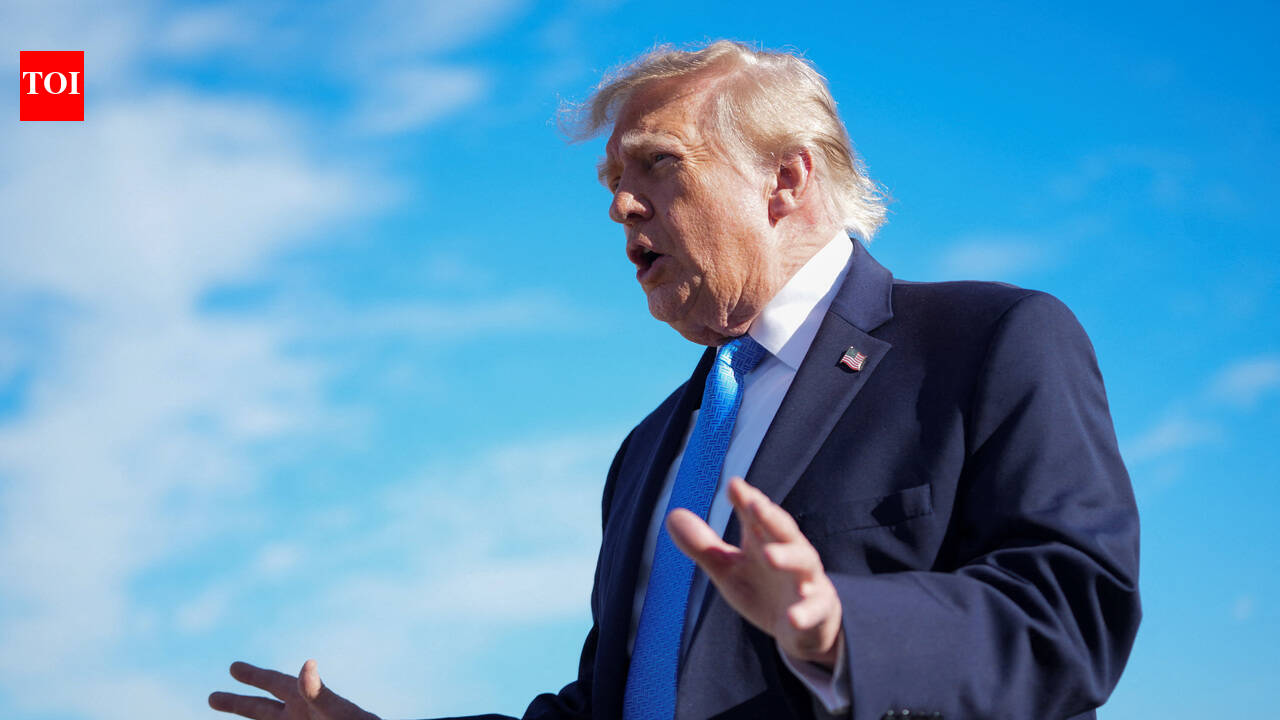
On Monday, September 28, 2026, the diplomatic efforts between the United States and Iran entered a period of high-stakes uncertainty. The friction began when President Trump took to Truth Social to respond to an Axios report claiming he was open to granting sanctions relief to move the needle on Iran’s nuclear program. “I offered them NOTHING!” the President wrote, a blunt dismissal that has left international observers questioning the clarity of the American position.
However, this denial was met with conflicting information. A U.S. official told CBS News on Monday that the President is indeed willing to grant sanctions relief and release frozen funds, provided there is “concrete progress” on the nuclear issue. The official noted that while the two sides remain apart on the timing of commitments, the discussions themselves have been viewed as “positive and constructive.”
On the Iranian side, Foreign Minister Abbas Araghchi, who is currently in New York for the U.N. General Assembly, stated that Tehran is awaiting a formal response from the United States regarding a proposal to reopen the Strait of Hormuz. According to ISNA, a semi-official Iranian news agency, the proposal involves a phased reopening of the strait in exchange for the release of Iranian funds and assets that Tehran claims have been unlawfully blocked.
Despite the ongoing communication through Qatari intermediaries, the Trump administration has maintained a hard line. Over the weekend, the President publicly rejected a previous Iranian proposal that sought a seven-day ceasefire and a phased reopening of the strait, contingent on conditions laid out in a mid-June memorandum of understanding that had already collapsed.
Why It Matters
The breakdown in Iran sanctions relief negotiations is not merely a diplomatic dispute; it is a primary driver of global economic instability. The uncertainty surrounding the war and the potential closure of the Strait of Hormuz has had immediate, measurable impacts on international markets.
First, the energy sector is in a state of high volatility. Brent crude oil prices have been “yo-yoing,” recently climbing above $101 per barrel. This surge is driven by the fear that the war will prevent tankers from delivering oil from the Middle East to global customers. As Senator John Kennedy of Louisiana noted on “Face the Nation,” the impact is felt everywhere because “oil’s in everything, including gasoline.”
Second, the U.S. financial markets are reacting to the heightened geopolitical risk. On Monday, U.S. bond yields reached their highest levels in roughly two decades, which in turn knocked U.S. stocks further from their record highs. The S&P 500 fell 0.8%, while the Dow Jones Industrial Average dropped 372 points.
Third, the humanitarian and social costs are mounting. In Iran, the economy is reeling from high inflation—reaching 61.4% in August—and the value of the rial has hit an all-time low against the dollar. Furthermore, the recent expansion of U.S. sanctions to the entire Iranian aviation industry has caused a cascade of flight cancellations across the Middle East, leaving citizens unable to travel to destinations like Turkey, Oman, and the UAE.
Deep-Dive: The Strait of Hormuz and Energy Security
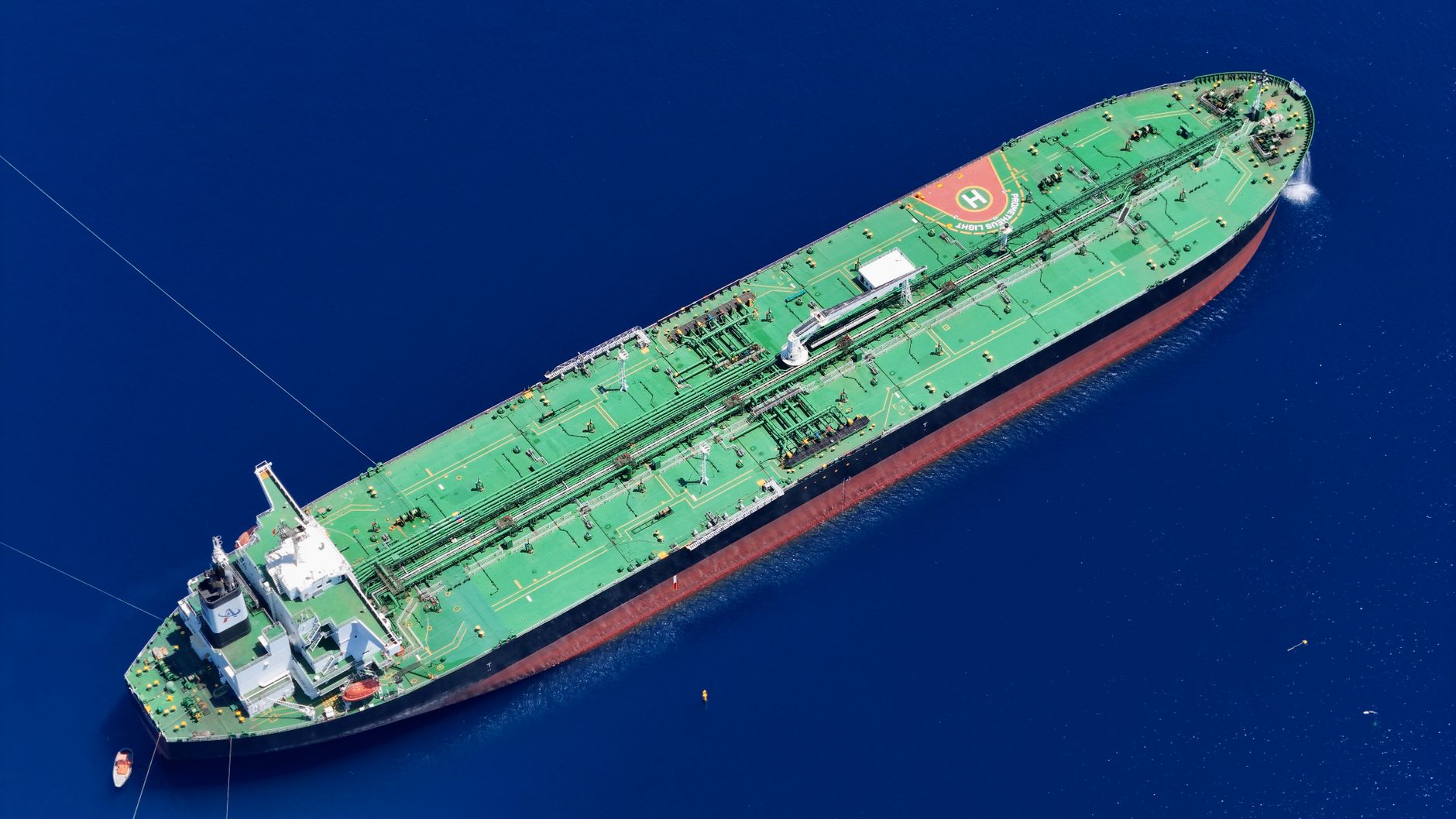
The Strait of Hormuz remains the most significant strategic flashpoint in the conflict. For Iran, the strait is a powerful lever of asymmetric warfare. Yahya Rahim Safavi, an Iranian advisor, has described the waterway as “a weapon more dangerous than a nuclear weapon.”
According to U.S. Energy Secretary Chris Wright, oil flow through the strait remains relatively high, averaging approximately 13 million barrels per day. However, the security of this flow is deeply compromised. Iran has reported targeting 19 vessels in the strait over a two-day period, and there have been unverified claims from the IRGC regarding the capture of a U.S. autonomous underwater vehicle, a claim U.S. CENTCOM has dismissed.

Comparing Stakeholder Positions on the Strait
| Feature | United States Position | Iranian Position |
|---|---|---|
| Primary Objective | Ensure freedom of navigation and maritime security. | Use the strait as leverage to secure asset release and security guarantees. |
| Proposed Action | Continued military presence to escort commercial vessels. | Phased reopening contingent on meeting June memorandum conditions. |
| View on Sanctions | Sanctions are a tool to force nuclear compliance. | Sanctions are “illegal restrictions” that must be lifted to end the war. |
| Recent Stance | Rejected the 7-day ceasefire/reopening proposal. | Prepared for diplomacy or a “doomsday war” depending on U.S. response. |
Deep-Dive: Regional Instability and the Multi-Front War
The conflict is not contained to the bilateral relationship between Washington and Tehran; it has ignited several regional proxies and secondary conflicts.
Yemen and the Houthi Threat
In Yemen, the conflict has intensified. The Yemeni defense ministry reported carrying out 356 strikes against Houthi military targets over a 24-hour period, resulting in an estimated 476 casualties. There are growing concerns among international aviation authorities that Iranian technical support is being used to modify Houthi missiles and drones, posing a direct threat to international civil aviation.
The United Kingdom and RAF Fairford
In the United Kingdom, security has been heightened following the arrest of five men near RAF Fairford, a Royal Air Force base used by U.S. bombers to conduct strikes against Iranian targets. Metropolitan Police Assistant Commissioner Laurence Taylor stated that authorities are investigating whether the incident was linked to Iranian activity or state-backed proxies. President Trump praised the British authorities’ work in preventing what he described as an attempt to do “big damage.”
The Israel-Gaza Context
While the U.S.-Iran war continues, the broader regional instability is compounded by the ongoing humanitarian crisis in Gaza, where the death toll has surpassed 74,000, according to the Gaza Health Ministry. This environment of widespread conflict makes any localized diplomatic breakthrough in the Strait of Hormuz even more difficult to achieve.
What It Means for You
The escalating tensions and the stalemate in Iran sanctions relief negotiations have direct implications for various groups:

Counterpoints and Open Questions
While the U.S. administration maintains that it is seeking a deal that ensures Iran does not obtain a nuclear weapon, critics and skeptics point to several unresolved issues:
What Happens Next
The coming days will be pivotal for determining whether the conflict moves toward a de-escalation or further expansion. Key catalysts to watch include:
Frequently Asked Questions
What are the primary issues in the Iran-U.S. negotiations?
The negotiations center on two main pillars: Iran’s nuclear program and economic sanctions. Iran is seeking the release of frozen assets and the lifting of sanctions to stabilize its economy. In return, the United States is demanding concrete progress on Iran’s uranium enrichment levels (which have reportedly reached 60%) and a commitment to a nuclear-free status.
How does the Strait of Hormuz affect global oil prices?
The Strait of Hormuz is a narrow waterway through which approximately 13 million barrels of oil flow daily. Because it is a primary artery for Middle Eastern oil, any threat of closure or increased attacks on tankers creates massive market uncertainty. This uncertainty drives up the price of crude oil, which in turn increases the cost of gasoline and diesel for consumers worldwide.
Why are diesel prices so high in the United States?
Diesel prices have been driven upward by the war with Iran and the resulting volatility in global energy markets. Additionally, there has been increased political pressure from Republican lawmakers to restrict diesel exports to help lower domestic costs, a move that economists at Goldman Sachs warn could actually drive domestic prices higher if prolonged.
What is the current status of the Iran-U.S. ceasefire proposal?
As of late September 2026, the proposal for a seven-day ceasefire and a phased reopening of the Strait of Hormuz has been rejected by President Trump. While mediators are still working on updated versions of the proposal, the two sides remain deeply divided on the timing of commitments and the sequence of actions required to restore peace.
As the seven-month war enters a new phase of diplomatic tension, the world remains caught between the hope for a mediated settlement and the reality of escalating military and economic confrontation
References
Featured image: Image via The Times of India