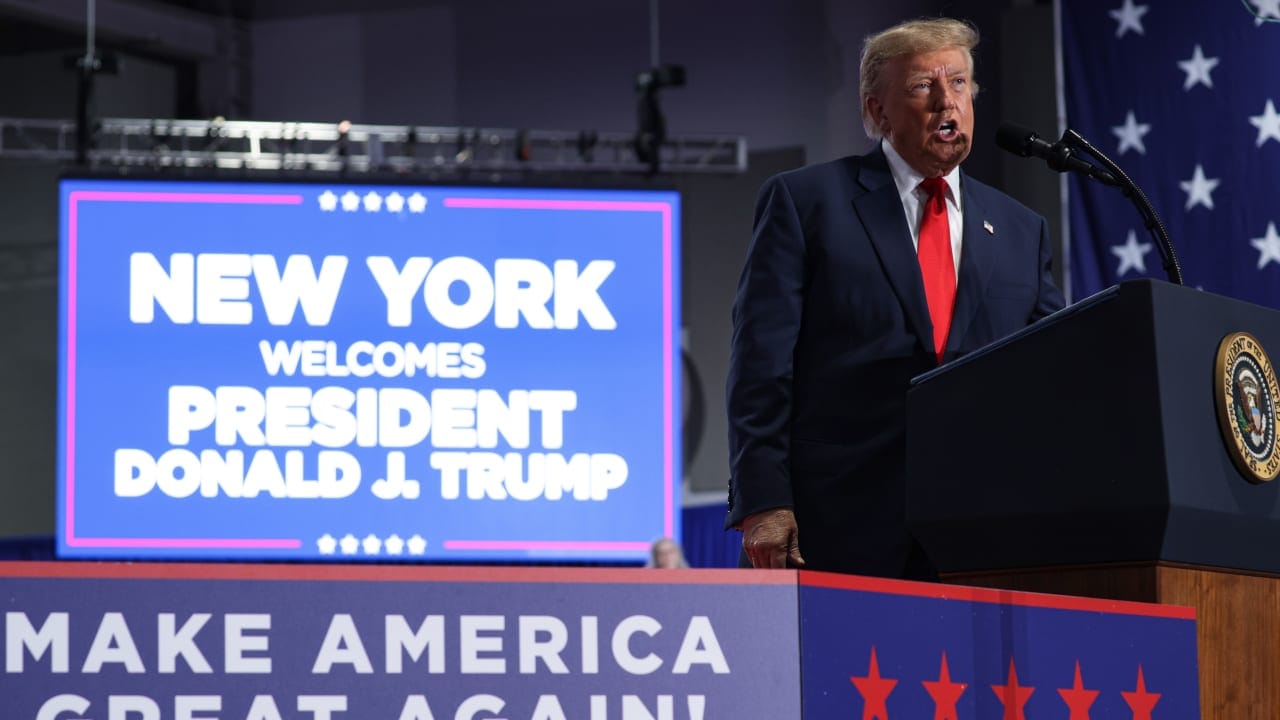
The nobel Peace Prize controversy erupted on October 9, 2026, after President Donald trump launched a scathing attack on the Norwegian Nobel Committee following the selection of South African jurist Navi Pillay as this year’s laureate.
Key Takeaways
- Navi Pillay awarded the 2026 Nobel Peace Prize for her extensive contributions to international law and human rights.
- President Trump criticized the decision at a Syracuse, New York rally, labeling the committee “radical ideologues” and the award an “indelible stain” on Norway.
- The Trump administration imposed unprecedented sanctions on the International Criminal Court (ICC), banning all transactions with the institution.
- Trump claimed to have settled eight international wars, a claim challenged by major news outlets like CNN and Reuters.
- A significant diplomatic rift has emerged between the United States and the Norwegian government regarding the independence of the Nobel selection process.
- For Voters and Citizens: The rhetoric surrounding the Nobel Prize is a bellwether for the administration’s approach to foreign policy. If you prioritize multilateral cooperation and international law, the current trend toward unilateralism and sanctions against international bodies may signal a significant shift in global stability.
- For Legal and Human Rights Professionals: The sanctions on the ICC are a direct challenge to the framework of international justice. Expect increased scrutiny of how international legal bodies fund their operations and how they interact with the U.S. financial system.
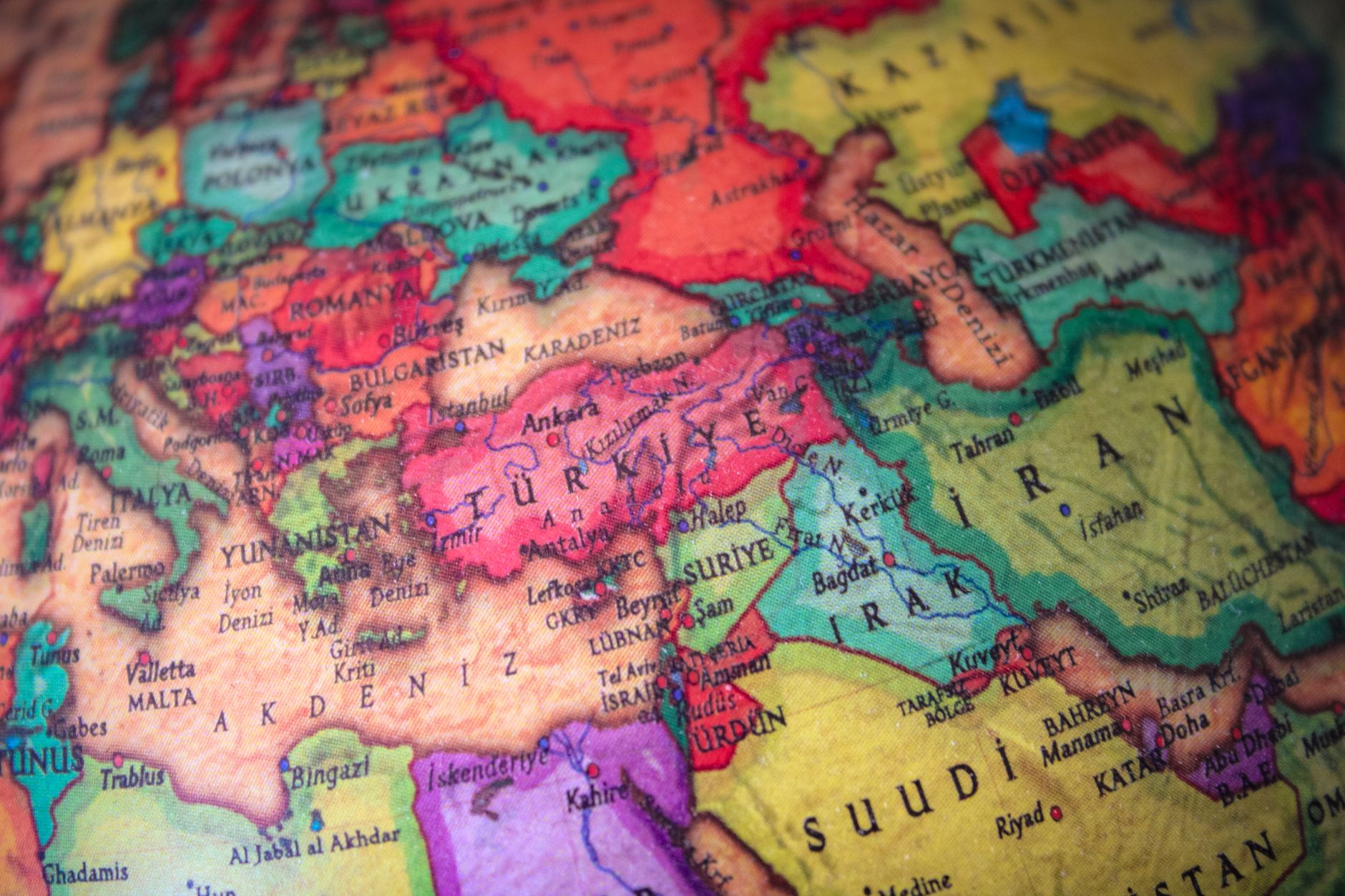
- For Investors and Business Leaders: Geopolitical volatility often follows major diplomatic rifts. The tension between the U.S. and international institutions, combined with the administration’s aggressive stance on sanctions, could impact market stability in regions heavily involved in international legal disputes, particularly in the Middle East.
- December 10, 2026: The official Nobel Peace Prize award ceremony will take place in Oslo, Norway. The world will watch to see how the ceremony is conducted amidst the ongoing diplomatic tension.
- Implementation of ICC Sanctions: The timeline for the full enforcement of the ban on transactions with the ICC will be a critical metric for the administration’s foreign policy success or failure.
- Further Diplomatic Communications: Watch for official statements from the Norwegian government and the United Nations regarding the U.S. administration’s stance on international law and the Nobel Committee.
- www.jpost.com
- mbiz.heraldcorp.com
- www.washingtonpost.com
What Happened
On Friday, October 9, 2026, during a campaign rally at the Oncenter Convention Center in Syracuse, New York, President Donald Trump expressed intense frustration over the announcement of the 2026 Nobel Peace Prize. The Norwegian Nobel Committee had selected Navi Pillay, an 85-year-old South African jurist and former United Nations High Commissioner for Human Rights, for her lifelong dedication to promoting peace and international law.
According to reports from The Jerusalem Post and The Herald BusinessWORLD, Trump dismissed Pillay as a “mystery person” and a “mysterious figure” whom he claimed to have never heard of. His criticism was not limited to the laureate herself; he targeted the legitimacy of the award process, calling it “crooked” and “shameful and disgraceful.”
Trump’s rhetoric extended to social media, where he posted on Truth Social that Pillay “hates America and Israel,” a claim that appeared to contradict his earlier public dismissal of her as an unknown entity. The President further asserted that the United States, under his leadership, was the rightful recipient of the honor. He argued that he should have received eight separate Nobel Peace Prizes—one for each of the eight major international conflicts he claims to have settled.
Why It Matters
The fallout from this announcement represents more than just a political spat; it signals a profound shift in how the United States interacts with international legal and diplomatic institutions. The controversy highlights three critical areas of global tension:
First, the direct attack on the Nobel Committee challenges the prestige and perceived neutrality of one of the world’s most respected honors. By labeling the committee members as “enemies of civilization,” the Trump administration is effectively questioning the validity of multilateral consensus in international affairs.
Second, the administration’s decision to impose sanctions on the International Criminal Court (ICC) marks a historic escalation in U.S. foreign policy. As reported by The Herald BusinessWORLD, Secretary of State Marco Rubio announced a ban on all transactions with the ICC. This is the first time the U.S. has directed sanctions at the court as a whole entity rather than targeting specific individual judges, a move that could significantly cripple the court’s ability to operate.
Third, the friction with Norway underscores a growing divide between the U.S. executive branch and the independent bodies of its allies. While Norwegian Prime Minister Jonas Gahr Støre has attempted to clarify that the Nobel Peace Prize is awarded by an independent five-member committee appointed by the Norwegian parliament—not the government—the President’s rhetoric suggests a willingness to hold sovereign nations accountable for the decisions of their independent institutions.
The Laureate: Navi Pillay’s Legacy
To understand the depth of the tension, one must look at the professional history of Navi Pillay. Her career has been defined by her work within the very institutions the Trump administration is now targeting.
As a former judge at the International Criminal Court (ICC) and the former UN High Commissioner for Human Rights, Pillay has been a central figure in the pursuit of international justice. Notably, she chaired a UN Commission of Inquiry focused on the Israel-Palestine territories. This specific role has drawn significant criticism from the Israeli government and sits at the heart of the current political friction, as Pillay’s findings regarding the situation in Gaza often clash with the Trump administration’s pro-Israel stance.
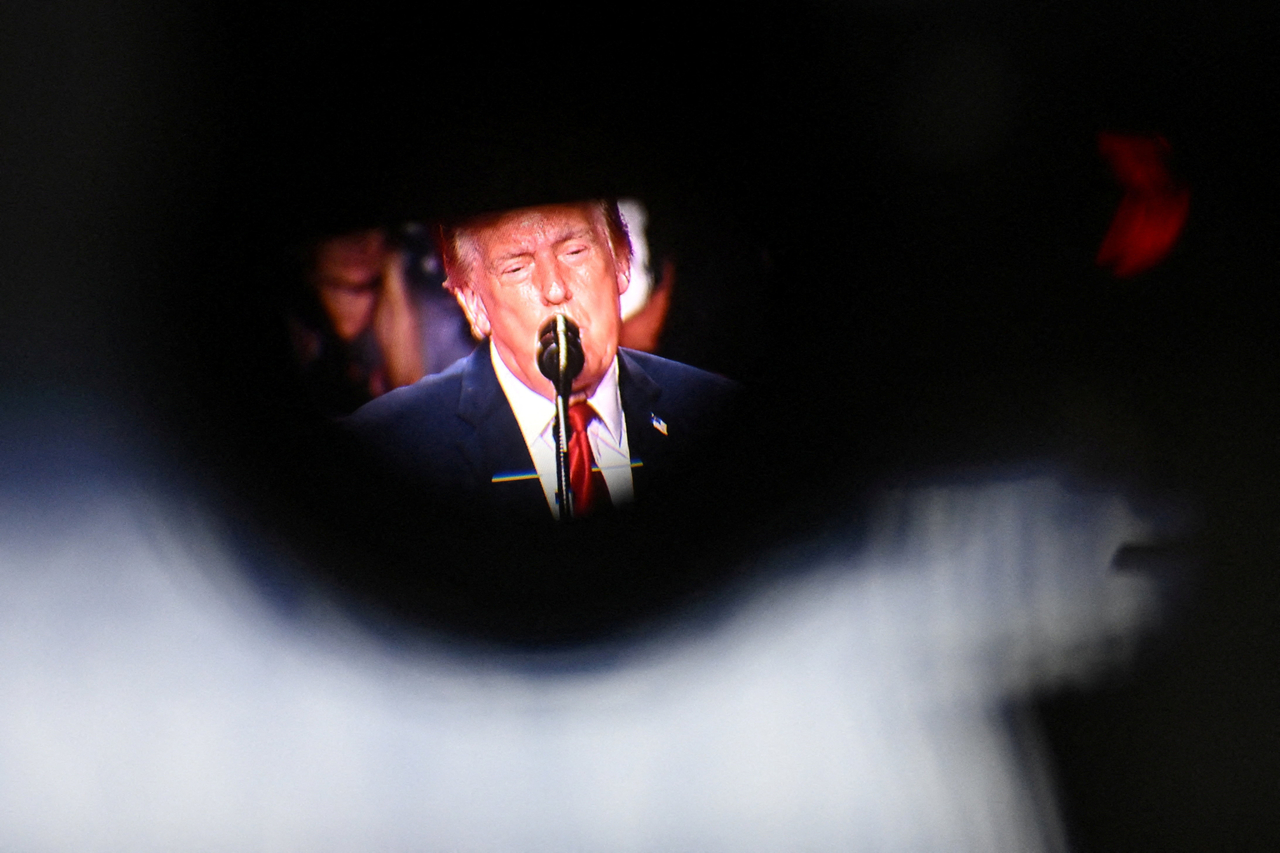
When Pillay learned of her award in Nuremberg, Germany, she responded with a lighthearted remark, noting the precedent set by the 2025 laureate, Maria Corina Machado, who had famously handed her Nobel medal to Trump in January 2026. Despite the humor, the weight of her achievement remains a lightning rod for political debate.
Analyzing the Claims: Conflict Resolution vs. Reality
A central pillar of Trump’s argument for the Nobel Prize is his purported record of peace-making. During his Syracuse rally, he insisted that his administration’s unilateral actions have prevented global catastrophe. However, these claims have been met with significant skepticism by international news organizations.
Below is a breakdown of the specific claims made by the President and the context provided by investigative reporting:
| Conflict Mentioned by Trump | Context Provided by News Outlets | Source |
|---|---|---|
| India and Pakistan | Cited as a diplomatic dispute over a Nile River dam rather than an active war | CNN / Reuters |
| Kosovo and Serbia | No war occurred between these nations during the Trump presidency | CNN / Reuters |
| Israel and Hamas | Trump claims credit for the return of all hostages (living and dead) through negotiations with Hamas | Jerusalem Post |
| Iran Nuclear Threat | Trump claims he prevented Iran from acquiring nuclear weapons and destroying the Middle East | Jerusalem Post |
| South/North Korea | No evidence provided to support claims of preventing conflict | Reuters |
| China and Taiwan | No evidence provided to support claims of preventing conflict | Reuters |
While Trump emphasized his ability to negotiate with groups like Hamas to recover the “final 28” Israeli hostages—including the bodies of the deceased—critics argue that his characterization of these events as “settling wars” oversimplifies complex geopolitical realities and ignores the role of multilateral diplomacy.
Stakeholders and Reactions
The Nobel Peace Prize controversy has drawn distinct reactions from various global actors, each with significant stakes in the outcome.
The United States Administration
For the Trump administration, the Nobel snub is viewed through the lens of American exceptionalism. According to Bloomberg, Trump views the decision as evidence that nations like Norway are “ripping off” the United States by benefiting from American security and stability without offering reciprocal recognition.
The Norwegian Government
Prime Minister Jonas Gahr Støre finds himself in a delicate position. While the Norwegian government does not select the Nobel laureate, the President’s warning—”We will not forget, Norway”—places a diplomatic strain on the bilateral relationship between Washington and Oslo.
The International Criminal Court (ICC)
The ICC faces an existential threat. The sanctions announced by Secretary Marco Rubio are designed to isolate the court financially. Legal experts suggest this could lead to “crippled” operations, making it increasingly difficult for the court to pursue international justice in high-profile conflict zones.
The United Nations
As a former high-ranking official of the UN, Pillay’s award is seen by many as a validation of the organization’s human rights mission. However, Trump’s dismissal of the UN as being “of no help” to his peace efforts reflects a broader trend of U.S. skepticism toward multilateralism.
What It Means for You
The implications of this controversy extend beyond the halls of power in Washington and Oslo. Depending on your role in society, the fallout may affect you in different ways:
Counterpoints and Open Questions
While President Trump has been vocal in his condemnation, several critical questions remain unanswered, and competing views continue to shape the narrative:
Is the Nobel Committee truly “radical”?
Critics of the President argue that the committee’s decisions are based on long-standing humanitarian principles rather than ideology. They suggest that the committee’s independence is exactly what gives the prize its value, and that attacking it is an attempt to delegitimize any critic of the administration.
What is the actual impact of the ICC sanctions?
While the administration has announced the ban on transactions, the practical effectiveness of these sanctions remains to be seen. It is unclear how the ICC will manage its global finances or if other nations will join the U.S. in enforcing these restrictions.
Can unilateral diplomacy replace multilateralism?
Trump’s claim that he “never spoke to the United Nations” to settle conflicts raises a fundamental question about the future of global order. Can a single superpower effectively maintain peace through bilateral deals, or does the absence of international oversight inevitably lead to more instability?
What Happens Next
As the political dust settles from the Syracuse rally, several key dates and developments will serve as indicators of where this controversy is headed:
Frequently Asked Questions
Who won the 2026 Nobel Peace Prize?
Navi Pillay, a South African jurist and former UN High Commissioner for Human Rights, was awarded the 2026 Nobel Peace Prize. The committee recognized her efforts to promote peace and international law.
Why did Donald Trump criticize the Nobel Peace Prize decision?
President Trump argued that the decision was “disgraceful” and that he, rather than Pillay, was the rightful recipient based on his claims of settling eight international conflicts. He also characterized the Nobel Committee as being composed of “radical ideologues.”
What are the new U.S. sanctions against the ICC?
Secretary of State Marco Rubio announced that the U.S. administration will ban all transactions with the International Criminal Court (ICC). This is a historic move that targets the entire institution rather than individual members.
Is the Nobel Peace Prize controlled by the Norwegian government?
No. While the Nobel Committee is appointed by the Norwegian parliament, it operates as an independent body. The Norwegian government does not make the final decision on who receives the prize.
References
Featured image: Image via The Jerusalem Post | JPost.com