The initial Artemis II science results have provided a stunning first look at the lunar landscape through the eyes of human explorers, revealing unexpected colors, sudden impact flashes, and unprecedented views of the moon’s far side. On Wednesday, October 7, 2026, members of the Artemis II Lunar Science Team held a press conference to announce the first batch of data collected during the historic flyby mission that took place this past April.
Key Takeaways
- Unprecedented Data Volume: The initial release includes 996 new images, 814 GB of observations, and 521 minutes of previously unreleased crew audio.
- Visual Impact Flashes: The crew observed five distinct impact flashes on the lunar surface caused by small rocks hitting the moon and vaporizing.
- A Colorful Moon: Observations revealed a “muted rainbow” of colors, including green, yellow, blue, and brown, which provide clues to the moon’s volcanic history.
- Far Side Insights: For the first time in human history, astronauts provided close-up, illuminated views of the lunar far side and the high-contrast topography of the terminator line.
- Human-Centric Data: Beyond digital sensors, the mission relied heavily on handwritten notes, drawings, and verbal observations from the four-person crew.
- For Science and Education: The release of 814 GB of data provides a massive playground for researchers worldwide, potentially leading to new discoveries in planetary science and geology.
- For Future Space Travelers: The confirmation of impact flashes and the mapping of colorful, mineral-rich regions directly informs the safety protocols and landing site selections for future Artemis astronauts.
- For the Space Industry: The success of the Orion capsule’s scientific payload and the ability to transmit such large volumes of data back to Earth validates the technical infrastructure required for the next generation of deep-space commercial and government missions.
- www.space.com
What Happened: The Release of the Artemis II Science Data
Following the successful flyby mission in April 2026—the first crewed mission to the moon since the conclusion of the Apollo program in 1972—NASA and its partners have begun the monumental task of processing mission data. The recent announcement on October 7 marks the transition from flight operations to deep scientific analysis.
According to David Hollibaugh Baker, a member of the Artemis II Lunar Science Team, the mission has provided a massive repository of information that is only just beginning to be parsed. “It’s the science community’s job now to take these data and go do magical things with it,” Baker stated during the press briefing.
The data package is remarkably diverse. It is not merely a collection of telemetry and sensor readings; it includes the raw, human experience of spaceflight. The 814 GB of observations encompass everything from high-resolution photography to the personal, handwritten notes and sketches made by the astronauts while orbiting the lunar body. This qualitative data is being paired with quantitative measurements to create a holistic view of the lunar environment.
Why the Artemis II Science Results Matter
The significance of these findings extends far beyond mere curiosity. Every piece of data collected during the Artemis II flyby serves as a foundational building block for future long-term lunar habitation. By understanding the immediate physical phenomena occurring on the surface—such as impact flashes—and the mineralogical composition indicated by surface colors, NASA can better prepare for the challenges of landing and staying on the moon.
Understanding the lunar surface’s color variations is particularly critical for resource identification. The ability to distinguish between different types of volcanic plains and plateaus through visual cues allows scientists to map potential sites for future lunar bases, prioritizing areas with specific mineral compositions that might be useful for life support or construction.
The Phenomenon of Lunar Impact Flashes
One of the most exhilarating moments captured in the mission audio involves the crew witnessing sudden bursts of light on the lunar surface. These were identified as impact flashes, occurring when small meteoroids strike the lunar regolith at high velocities, causing the material to vaporize instantly and emit a brief flash of light.
During the flyby, the crew—consisting of Commander Reid Wiseman, Mission Specialist Jeremy Hansen of the Canadian Space Agency, Pilot Victor Glover, and Mission Specialist Christina Koch—observed five such events. Because these flashes occur too rapidly for standard camera shutters to capture, the crew’s ability to make real-time observations was vital.
“Dude, no way!” Commander Wiseman exclaimed in the newly released audio as the first flashes appeared. Mission specialist Jeremy Hansen added, “It’s just like a ‘bloop!'” as the flashes occurred.
Wiseman confirmed the nature of the light to Mission Control at NASA’s Johnson Space Center, stating, “It was not sun glint off a particulate from the thrusters or the purge tanks. It was definitely impact flashes on the moon.” The science team was able to confirm that these flashes were indeed external impacts, providing a rare, real-time look at the moon’s ongoing bombardment by small celestial bodies.
Analyzing the “Rainbow Moon”: Mineralogy and Color
While the moon is often depicted as a monochrome sphere of gray, the Artemis II science results tell a much more vibrant story. The crew reported a spectrum of colors across the lunar surface, including shades of green, yellow, brown, tan, white, and even blue.
These colors are not merely aesthetic; they are indicators of the moon’s complex geological history. Ariel Deutsch, a member of the Artemis II Lunar Science Team, explained that the colors help distinguish between different styles and epochs of volcanic activity. For example, the crew reported seeing green and yellowish hues on the Aristarchus Plateau.
“To me, it’s primarily like a brownish-green glass,” Wiseman noted in the mission recordings. This observation suggests the presence of specific volcanic minerals or glass formed during ancient eruptions. Christina Koch also contributed to the color mapping, describing certain yellowish areas as looking like a “jaundiced cheek of the moon.”
| Lunar Feature | Observed Colors | Scientific Implication |
|---|---|---|
| Aristarchus Plateau | Green, Yellow | Evidence of specific volcanic epochs/mineralogy |
| Lunar Mares | Muted Brown, Gray | Dark volcanic deposits and basaltic plains |
| General Surface | White, Tan, Blue | Variations in regolith composition and light scattering |
Unveiling the Far Side and the Terminator Line
Because the moon is tidally locked to Earth, its far side remains hidden from Earth-based observers. The Artemis II mission provided the first close-up, human-observed view of this mysterious region. As the Orion capsule rounded the moon, the crew was able to observe the far side illuminated by the sun, a perspective that has been unavailable to humanity until now.
Alex Stoken, a member of the Crew Lunar Observations team, noted that the crew were the first people in history to see this specific section of the moon illuminated in this manner. This perspective is crucial for mapping the far side’s topography and understanding its cratering history.
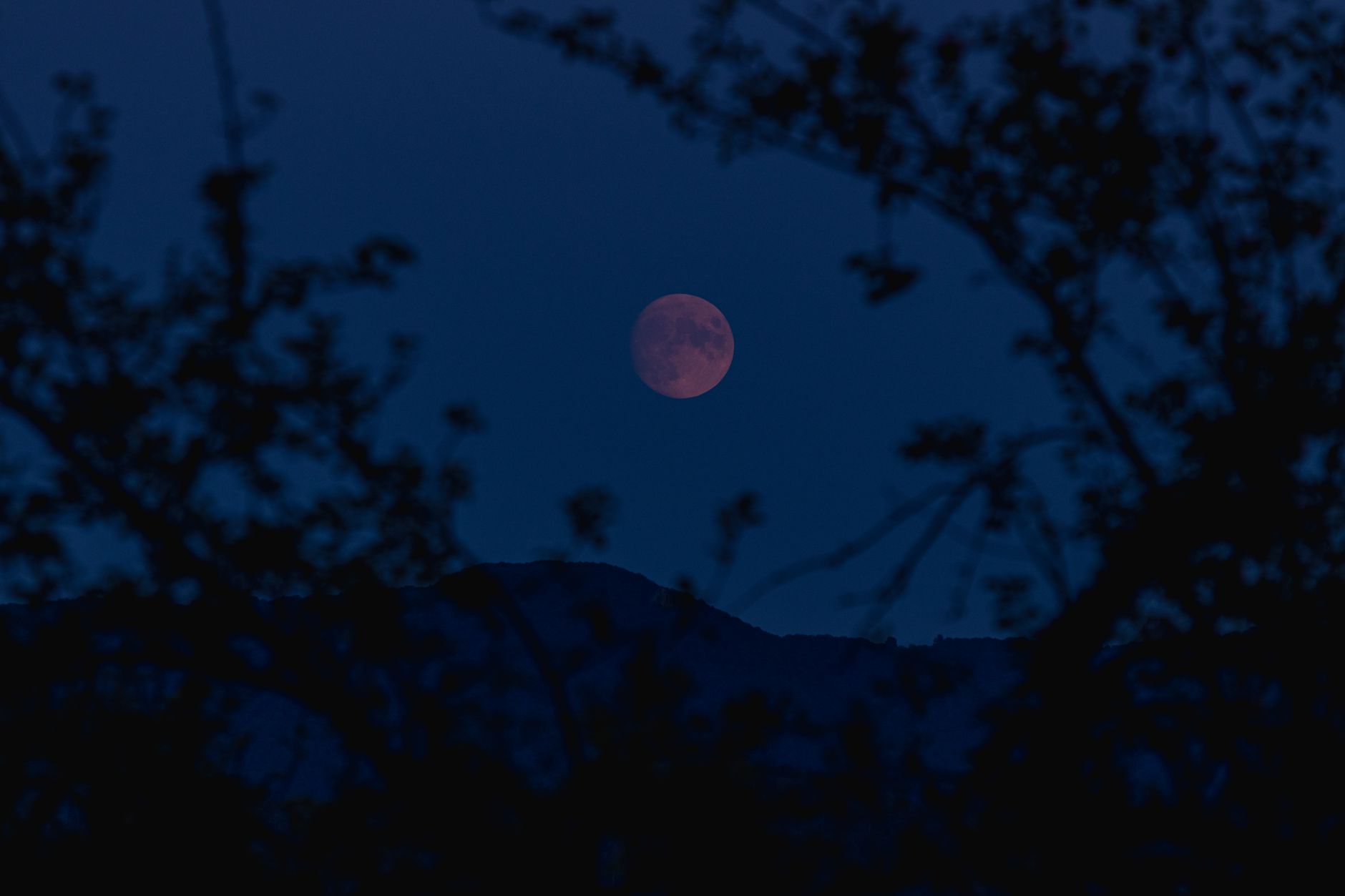
One of the most striking features reported was the terminator line—the boundary between the lunar day and night. As the spacecraft crossed this line, the low angle of the sun created long, sharp shadows that revealed the extreme textures and heights of the lunar mountains. “The terminator is the most striking thing that I’ve seen so far,” astronaut Victor Glover remarked during the flight.
As the moon was backlit by the sun, creating a partial eclipse effect for the crew, the clarity of the landscape increased significantly. “You’ve got to be kidding me,” Koch said in the capsule. “You can actually see mountains.”
The Role of Human Observation in Modern Spaceflight
A significant takeaway from the mission is the continued importance of the human element in space exploration. While NASA utilizes highly sophisticated digital sensors and cameras, the Artemis II mission data demonstrates that the human eye and the human mind remain indispensable.
Jennifer Heldmen, the science theme lead for the Artemis II mission, highlighted that because impact flashes happen too quickly for cameras, the crew’s training to make visual annotations was essential. The crew used tablets to record the timing and location of the flashes, providing data that the digital systems could not capture alone. This synergy between automated technology and human qualitative observation is a hallmark of the Artemis program’s approach to science.
What It Means for You
If you are a student of science, an investor in the growing space economy, or simply a citizen of Earth, these findings have practical implications:
Counterpoints and Open Questions
Despite the excitement, several questions remain. The reliance on human visual observation for phenomena like impact flashes introduces a degree of subjectivity. While the crew’s annotations are invaluable, they are qualitative descriptions (e.g., “jaundiced,” “bloop”) that must be rigorously cross-referenced with any available sensor data to ensure scientific precision.
Furthermore, while the color observations are groundbreaking, the exact mineralogical makeup of the green and yellow hues on the Aristarchus Plateau remains unconfirmed. Scientists will need to conduct more detailed spectroscopic analysis of the images and any future physical samples to move from “visual observation” to “chemical certainty.”
There is also the question of how these impact flashes might affect long-term lunar habitats. If the frequency of these small-scale impacts is higher than previously modeled, it could necessitate more robust shielding for future lunar bases.
What Happens Next
The immediate future will focus on the deep-dive analysis of the 814 GB of data. The global scientific community is expected to begin parsing the images and audio to build more detailed maps of the lunar surface.
As NASA moves toward subsequent Artemis missions, the lessons learned from the Artemis II flyby will be integrated into the mission profiles for Artemis III, which aims to land humans on the lunar surface once again. Watch for upcoming announcements regarding the detailed mineralogical mapping of the Aristarchus Plateau and any further findings from the far-side topographical studies.
Frequently Asked Questions
What are lunar impact flashes?
Lunar impact flashes are brief bursts of light caused by small meteoroids or space rocks hitting the moon’s surface. When these objects strike the lunar regolith at high speeds, the kinetic energy is converted into heat, causing the material to vaporize instantly. This vaporization creates a visible flash of light. Because these events are extremely brief, they are difficult to capture with standard cameras and often require human observation to record.
Why did the astronauts see different colors on the moon?
The different colors observed by the Artemis II crew, such as green, yellow, and brown, are caused by variations in the mineral composition of the lunar surface. Different types of volcanic activity and different geological epochs have left behind different minerals. For example, certain colors may indicate the presence of volcanic glass or specific silicate minerals, which helps scientists understand the moon’s volcanic history and the composition of its crust.
What is the significance of the moon’s far side?
The far side of the moon is the hemisphere that always faces away from Earth due to tidal locking. Because it is never visible from our planet, it has remained largely mysterious. The Artemis II mission provided the first close-up, illuminated views of this region, allowing scientists to study its unique topography, cratering patterns, and geological features, which may differ significantly from the near side.
How much data did the Artemis II mission collect?
The mission produced a massive amount of scientific data, including 996 new images, 814 GB of observations, and 521 minutes of audio from the crew. This data includes not only digital sensor readings but also qualitative information like handwritten notes and verbal observations made by the astronauts during their orbit.
Closing
The Artemis II science results represent a pivotal moment in the return to lunar exploration
References
Featured image: Photo by ThisIsEngineering on Pexels