The Pennsylvania measles outbreak has reached a critical tipping point, with confirmed cases now exceeding 1,000 as the virus spreads rapidly through both urban and rural communities. As of Wednesday, October 7, 2026, health officials reported 1,066 outbreak-linked cases in the state, marking the most significant surge in the highly infectious disease since measles was declared eliminated in the United States in 2000.
Key Takeaways
- Unprecedented Scale: Pennsylvania has become the national epicenter, reporting over 1,000 cases in 2026, the largest single-state outbreak in the U.S. in over three decades.
- Fatalities and Hospitalizations: The outbreak has resulted in five deaths—including two infants—and between 198 and 207 hospitalizations.
- Vaccination Gap: More than 99% of the Pennsylvania cases occurred in unvaccinated individuals, highlighting a dangerous drop in herd immunity.
- National Resurgence: The U.S. has seen nearly 3,900 cases nationwide this year, the highest annual tally since 1991.
- Status at Risk: International health officials are scheduled to meet in November to determine if the U.S. and Mexico have lost their official measles-elimination status.
- Verify Immunization Records: Check with your pediatrician or school nurse to ensure your children have received both doses of the MMR vaccine.
- Monitor Symptoms: Symptoms typically appear 7 to 14 days after exposure. Watch for high fever, cough, runny nose, red/watery eyes, and a rash that usually starts at the hairline and spreads downward.
- Follow the Schedule: Ensure your children receive their first dose at 12–15 months and their booster between ages 4 and 6.
- Check Your Immunity: Adults born in 1957 or later who are unsure of their immunity status should consult a healthcare provider or request a blood test to check for measles antibodies.
- Be Prepared for Travel: With the holiday travel season approaching, health officials are concerned that increased movement will facilitate further spread.
- spectrumlocalnews.com
- www.medicaldaily.com
- fox56.com
- arstechnica.com
What Happened: A Rapidly Escalating Crisis
The Pennsylvania measles outbreak: Key Analysis of the 2026 Crisis”>Pennsylvania measles outbreak: Key Details and Impact”>Pennsylvania measles outbreak: Why Cases Are Surging in 2026″>Pennsylvania measles outbreak: Why the Crisis is Escalating”>Pennsylvania measles outbreak began in late April 2026, originating in the region west of Philadelphia. Since its inception, the virus has expanded aggressively, moving from localized clusters to widespread community transmission across 39 different counties.
According to data released on October 7, 2026, Pennsylvania’s total measles case count for the year has reached 1,078. While the year began with relatively low numbers—12 cases in January and 12 in March—the situation shifted dramatically in April. Since that time, 1,066 cases have been identified. The momentum of the virus shows no signs of slowing; health officials reported 145 new cases in the last seven days alone, with 74 cases identified since the previous update on Monday, October 5.
Notably, the reporting of these cases highlights the challenges of real-time surveillance. Health officials noted that 40 of the 74 cases added in the most recent update were actually from more than two weeks ago and were only just being officially recorded.
The human cost of the outbreak is significant. The Pennsylvania Department of Health has confirmed five deaths associated with the virus. The victims included a newborn, a 6-week-old infant, an 18-year-old, a 20-year-old, and a 40-year-old. In every instance, the deceased were unvaccinated; the two infants were biologically unable to have received the routine MMR vaccination due to their age. Hospitalizations have also spiked, with figures ranging from 198, as reported by Medicaldaily.com, to 207, according to the primary report from Beth Mole.
Why It Matters: The Threat to Herd Immunity
The scale of this outbreak is not merely a local concern; it is a symptom of a broader US measles resurgence that threatens decades of public health progress. For the United States to maintain its “measles-free” status, it must maintain a vaccination rate of at least 95% to ensure herd immunity. This threshold is essential to prevent the continuous transmission of the virus.
Currently, only 10 states in the U.S. are reported to meet this critical 95% vaccination threshold, according to CDC mapping. In Pennsylvania, the vulnerability is stark: more than 99% of the 1,004 to 1,066 cases recorded this year occurred in individuals who had not been vaccinated.
Dr. Richard Kang, a pediatrician with Dignity Health, emphasized the danger of these declining numbers. “When your vaccination rate falls below 95%, those are the communities that are most vulnerable, and that’s what we’re seeing in Pennsylvania,” Dr. Kang said. He also noted that the impact is not limited to those who choose to remain unvaccinated, adding, “There are people who are unvaccinated not by choice, but they can be either immunocompromised, medically fragile.”
This vulnerability is particularly acute for infants under 12 months of age, who are too young to receive their first dose of the MMR vaccine, and for pregnant individuals who may lack immunity. As the virus moves through these unprotected populations, the risk of severe illness and death increases exponentially.
Deep-Dive: Geographic Epicenter and Local Transmission
The Pennsylvania measles outbreak is not uniform across the state; it is concentrated in specific regions where community transmission has become a primary driver of the surge. While the outbreak began west of Philadelphia, it has moved into various rural and suburban counties.
Lancaster County has emerged as the state’s most heavily impacted region, reporting 391 cases. This concentration is particularly concerning as two of the five recorded deaths in the state occurred in infants within Lancaster County. Other high-impact areas include Mifflin County, which reported 118 cases, and Chester County, with 84 cases.
To understand the spread, it is necessary to look at the specific counties where the virus is no longer just appearing in travelers but is actively circulating within the local population. Health officials have identified 12 counties currently experiencing “community transmission,” meaning the virus is spreading locally without a known link to an external case. These counties include Centre, Chester, Clarion, Clearfield, Indiana, Jefferson, Lancaster, Mifflin, Snyder, Somerset, Union, and York.
Pennsylvania Case Distribution by County (2026)
| County | Confirmed Cases (Approx.) |
|---|---|
| Lancaster | 391 |
| Mifflin | 118 |
| Chester | 84 |
| Snyder | 41 |
| Centre | 21 |
| Berks | 6 |
| Montgomery | 3 |
| Lehigh | 2 |
| Philadelphia, Bucks, & Delaware | 0 |
The Science of Protection: MMR Vaccine Efficacy
As cases climb, public health experts are doubling down on the importance of the Measles, Mumps, and Rubella (MMR) vaccine. The vaccine is one of the most effective tools in modern medicine, but its success depends heavily on timely administration and high coverage rates.
According to medical consensus reported by Spectrum News and FOX56, the MMR vaccine provides approximately 97% lifetime protection when two doses are administered. A single dose provides about 93% protection. The recommended schedule for children is the first dose between 12 and 15 months of age, followed by a booster shot between 4 and 6 years old.
Dr. Kang highlighted the importance of this schedule, noting that even in the event of a “breakthrough” case in a vaccinated individual, the risk of severe complications and hospitalization is significantly reduced. However, the current decline in measles vaccination rates has undermined this protection on a societal level.
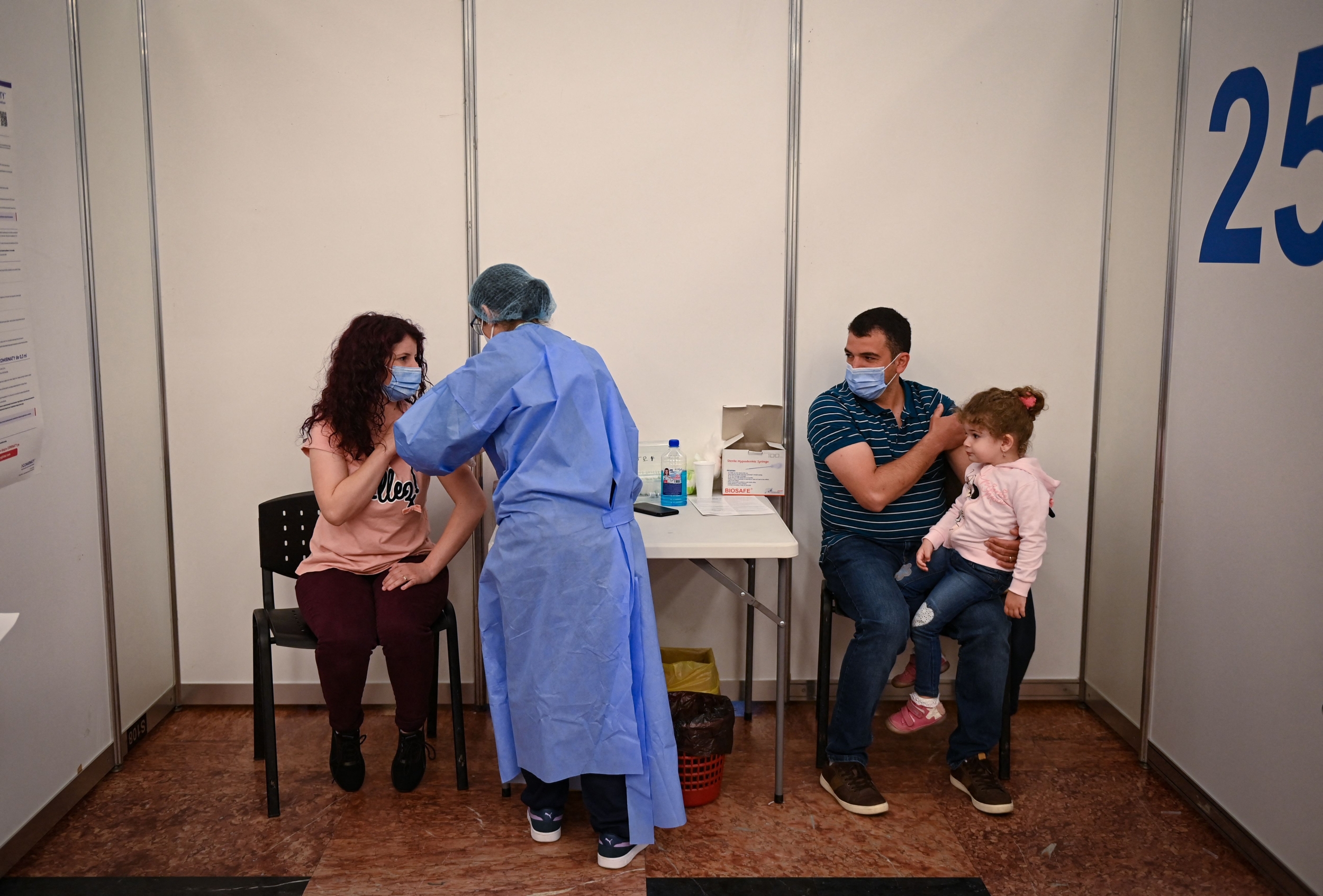
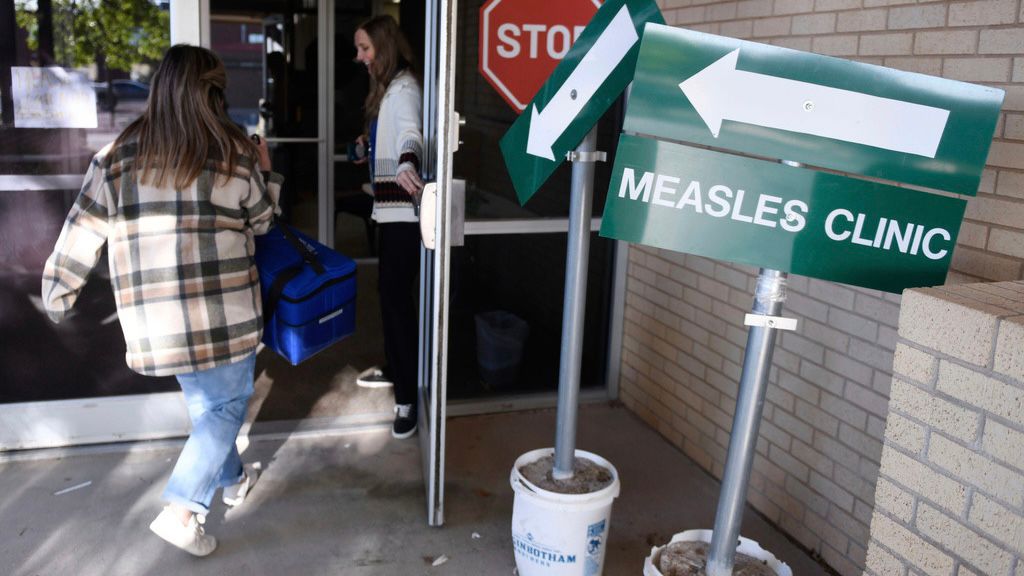
In response to the surge, Pennsylvania has seen a massive spike in immunization efforts. In September 2026 alone, the state administered over 53,000 MMR doses—more than double the typical monthly average of 25,000. This surge has been supported by the operation of 192 pop-up clinics since late April, which have successfully administered over 5,700 doses to date.
Regional Context: New York’s State of Emergency
The crisis in Pennsylvania is mirrored by rising concerns in neighboring New York. While Pennsylvania has become the national epicenter, New York has reported at least 108 cases this year, with the majority of those infections located in under-immunized rural communities.
In response to the rising caseload, New York Governor Kathy Hochul declared a State Disaster Emergency earlier this week. This declaration is a strategic move to expand the healthcare workforce capable of responding to the outbreak. Under the emergency order, the pool of professionals authorized to provide measles vaccinations has been expanded to include paramedics, advanced EMS providers, pharmacists, and midwives. Additionally, the order allows nurses, in addition to physicians, to order measles tests, streamlining the diagnostic process.
“No one should get seriously ill or die from a vaccine-preventable disease,” Governor Hochul said in a statement. “That is why I have taken steps to increase the number of health professionals who can vaccinate and test.”
What It Means for You: Protecting Yourself and Your Family
If you live in or are traveling through the Mid-Atlantic region, the current Pennsylvania measles outbreak necessitates heightened vigilance. Measles is one of the most contagious viruses known to science; an infected person can spread the virus to up to 12 or 18 unvaccinated people through respiratory droplets.
For Parents and Caregivers
For Adults
If You Suspect Exposure
If you or a family member develop symptoms, do not walk directly into a doctor’s office or emergency room. Measles is highly airborne. You must call your healthcare provider or the emergency room before arriving. This allows medical staff to take precautions to prevent the virus from spreading to other patients in the waiting room.
For immediate inquiries, the state health department has established a dedicated toll-free hotline: 877-PA-HEALTH (877-724-3258).
Counterpoints and Open Questions
While the data points clearly toward a vaccination crisis, some local officials suggest that the official numbers may not tell the whole story. Jeanne Franklin, the Chester County Health Department Director, has expressed concerns regarding the accuracy of current tallies.
“We are in a race; the race is how fast can we vaccinate versus how fast the virus finds unvaccinated people,” Franklin said. She further noted that the official case count is likely “way under reported,” suggesting that the true scale of the community transmission might be even larger than the 1,066 cases currently documented.
Another complicating factor is the demographic shift of the virus. While many associate outbreaks with dense urban centers, the current trend shows significant spread in rural, under-immunized pockets. This creates a logistical challenge for health departments that must deploy resources to geographically dispersed populations.
Furthermore, there remains an open question regarding the long-term impact on the U.S. international standing. While the domestic resurgence is clear, the exact timing and severity of the potential loss of “elimination” status remain subject to the upcoming international review.
What Happens Next: The November Review
The most significant upcoming milestone in this public health crisis will occur in November 2026. Experts at the Pan American Health Organization (PAHO)—the regional office for the World Health Organization (WHO)—are scheduled to review data to determine whether the United States and Mexico have officially lost their measles-elimination status.
Loss of this status would have significant implications for international health regulations and could change how measles is monitored and managed globally. Given that Canada lost its elimination status in 2025, the eyes of the international medical community are on the U.S. to see if current containment efforts in states like Pennsylvania and New York will be enough to reverse the trend.
Frequently Asked Questions
How contagious is measles?
Measles is extremely contagious. It is an airborne virus that can remain suspended in the air for up to two hours after an infected person has left the room. An infected individual is contagious from approximately four days before the characteristic rash appears until four days after the rash has emerged.
How effective is the MMR vaccine?
According to the CDC and medical experts, the MMR vaccine is highly effective. Two doses provide approximately 97% lifetime protection against the virus. A single dose provides about 93% protection. While breakthrough cases in vaccinated individuals can occur, they are significantly less likely to result in severe illness or hospitalization.
What are the most common symptoms of measles?
Symptoms typically appear 7–14 days after exposure and include a high fever, cough, runny nose, and red, watery eyes (conjunctivitis). A signature red rash usually follows, typically starting at the hairline and spreading across the body. If you experience trouble breathing, confusion, or seizures, seek emergency medical care immediately.
Why is the 95% vaccination rate so important?
The 95% threshold is the level required to achieve “herd immunity.” When 95% of a population is vaccinated, the virus cannot find enough susceptible hosts to sustain continuous transmission. When rates fall below this number, even by a small margin, the entire community becomes vulnerable, especially those who cannot be vaccinated for medical reasons.
Closing
The current Pennsylvania measles outbreak serves as a stark reminder of the fragility of public health achievements. With over 1,000 cases and five deaths already recorded in 2026, the race between viral transmission and vaccination coverage is intensifying
References
Featured image: Image via Medical Daily