The green party Zionism policy has ignited a profound internal crisis, leaving the party’s leadership struggling to contain fallout from a controversial conference motion and a significant electoral setback. Following a vote at the party’s Brighton conference, the Green Party of England and Wales has formally adopted a policy that equates Zionism with racism, a move that has drawn sharp condemnation from Jewish organizations, senior party figures, and government officials.
Key Takeaways
- Controversial Motion Passed: A policy equating Zionism with racism was approved by a narrow margin of 1,022 votes to 813 at the recent party conference.
- Minority Decision: The motion was decided by only 0.4% of the party’s total 230,000 members, leading to allegations of “entryism.”
- Leadership Crisis: Current leader Zack Polanski faces intense pressure following a defeat in the Holborn and St Pancras by-election and criticism over his absence from the policy debate.
- Structural Concerns: Westminster leader Ellie Chowns and former leader Caroline Lucas have called for urgent reforms to prevent the party from being “captured” by extremists.
- Public Disconnect: Polling suggests a significant gap between Green Party voters, who largely support the motion, and the general public, who largely oppose it.
- For Green Party Voters: You may see a party that is increasingly focused on single-issue activism. While this can strengthen the sense of purpose within the base, it may also limit the party’s ability to form broader coalitions or appeal to moderate voters.
- For Jewish Constituents: The policy shift may signal a change in the political environment regarding inclusivity and the representation of Jewish concerns within Green-held or Green-contested areas.
- For Political Observers: This serves as a case study in how small, organized groups can exert disproportionate influence over large organizations through decentralized policy-making structures.
- How will the party reform its constitution? Will the leadership implement new safeguards to prevent a 0.4% minority from dictating major policy?
- Can the party maintain diversity? Will the Jewish Greens and other minority factions remain within the party, or will this lead to a mass exodus?
- Will the leadership change? With a formal election scheduled for next summer, will the membership choose a leader who prioritizes structural reform or one who doubles down on the current ideological direction?
- Structural Reform Debates: Expect intense discussions within the party’s internal committees regarding how to update the constitution to prevent further “entryism.”
- Leadership Campaigning: As the summer leadership election approaches, candidates will likely be forced to take definitive stances on the Zionism policy and the party’s recent electoral performance.
- Polling Trends: Continued monitoring of Polanski’s popularity and the party’s ability to hold ground in by-elections will be a primary indicator of whether the current leadership can maintain stability.
- www.yahoo.com
- www.thisisthewestcountry.co.uk
- www.standard.co.uk
- www.bbc.com
What Happened: The Brighton Conference and the Motion
At the Green Party conference held in Brighton last weekend, members voted to adopt a motion that fundamentally alters the party’s stance on the Israeli-Palestinian conflict. The motion, which has now become formal party policy, defines Zionism as an “ideology supporting ‘an ethnonationalist Jewish state’.”
According to reports from the BBC and The Standard, the motion advocates for the establishment of a “single democratic Palestinian State in all of historic Palestine,” which would encompass modern-day Israel. This proposed state would feature Jerusalem as its capital and must ensure “equal rights for all,” while explicitly including the “right of return for Palestinians and their descendants.”
A central and highly contentious pillar of the motion asserts that the “displacement and genocide of the Palestinian people is clearly underpinned by a racist ideology.”
The vote itself was closely contested. Of the members present, 1,022 voted in favor of the motion, while 813 voted against it. However, the significance of this decision is magnified by the scale of the party’s membership; while the Green Party of England and Wales boasts approximately 230,000 members, the policy was determined by a group representing only 0.4% of that total.
Why It Matters: A Party Divided
The adoption of this policy is not merely a matter of ideological debate; it represents a potential fracture in the party’s social fabric and its electoral viability. The controversy has highlighted three critical areas of concern: structural integrity, inclusivity, and public perception.
Structural Integrity and “Entryism”
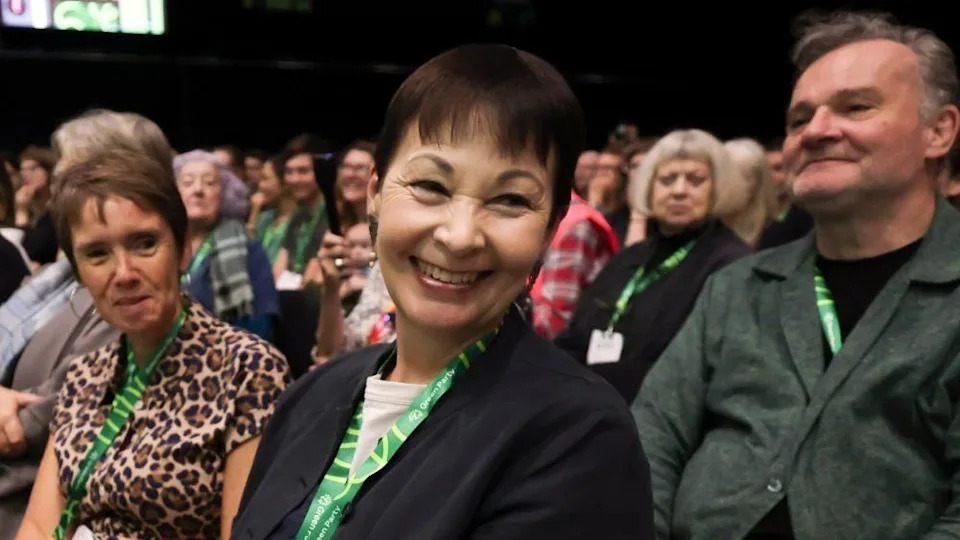
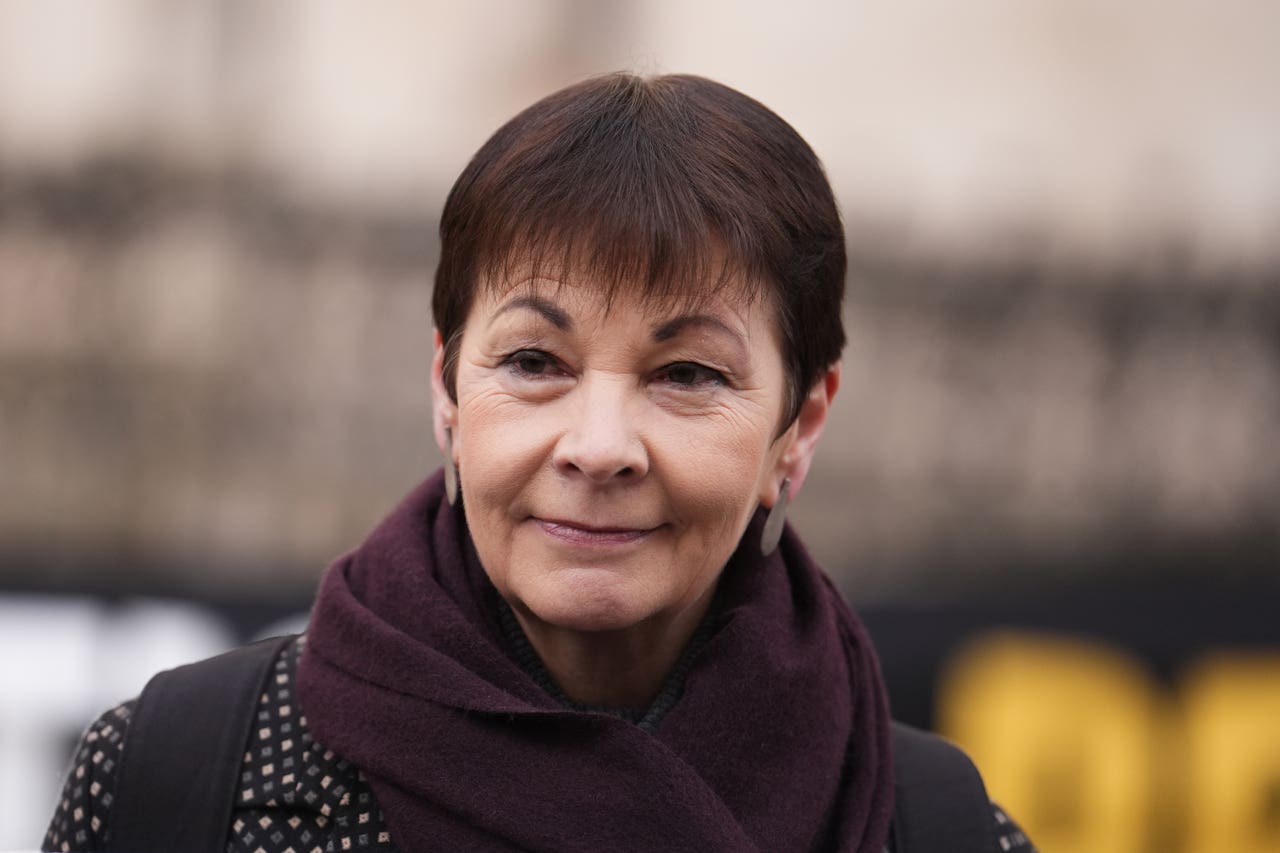
One of the most serious allegations raised is that of “entryism”—a process where individuals join a political party specifically to shift its ideological direction. Caroline Lucas, the former Green Party leader and long-time MP, expressed grave concerns during an appearance on BBC Radio 4’s Any Questions. She suggested that the party’s current constitution, written decades ago, is no longer robust enough to handle its modern scale.
Lucas alleged that some of the approximately 1,000 members who participated in the vote may have been “encouraged to join the party simply to push this motion through.” She emphasized that such a significant policy should not be decided by such a small fraction of the 220,000 to 230,000 members.
Inclusivity and the Jewish Community
Internal leaders are also concerned about the party’s ability to remain a welcoming space for Jewish members. Vivien Lichtenstein, the leader of the Jewish Greens, has been a vocal critic of the current leadership’s handling of the crisis. She characterized Zack Polanski’s decision to leave the conference early—missing both the debate and the vote on the motion—as a “dereliction of duty.”
External organizations have also weighed in. The Board of Deputies of British Jews and the Jewish Leadership Council criticized the motion, stating that “Zionism is anti-racism, creating a refuge for Jews in their ancient homeland after millennia of persecution outside it.”
Electoral Impact and Public Perception
Finally, there is the question of whether this policy will alienate the wider electorate. While the Green Party has seen surges in support, recent polling indicates that the controversial stance on Zionism may be creating a “silo” effect, where the party appeals strongly to its base but struggles to gain traction with the general public.
Deep-Dive: The Leadership Crisis of Zack Polanski
The policy controversy has collided with a significant political setback for the party’s leader, Zack Polanski. On Thursday, Polanski contested the Holborn and St Pancras by-election, a seat traditionally held by the Labour Party. The result saw Labour candidate Sagal Abdi-Wali secure 45% of the vote, while Polanski finished second with 33%.
Despite the loss, the Green Party’s performance showed signs of growth; their vote share in the seat increased by 22 percentage points compared to the 2024 general election. However, the political context of the loss is complicated by the leadership crisis. Polanski, who is Jewish, has found himself in a difficult position: defending a party policy that he personally disagreed with in its specific wording, while simultaneously attempting to maintain the confidence of a membership that is increasingly polarized.
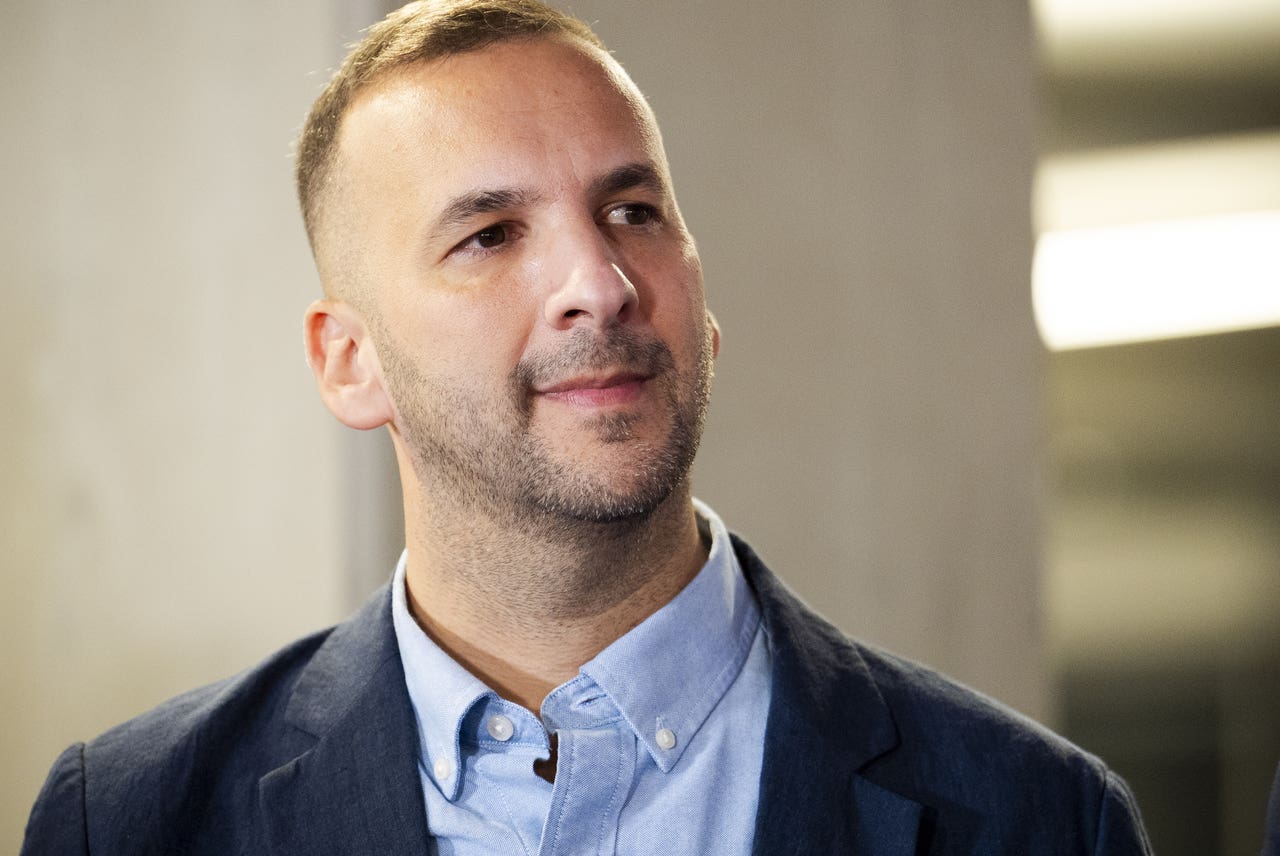
Polanski told Sky News that while he agrees with the “substance” of the motion, he disagrees with the idea that the Green Party should be the entity deciding the political future of the region. Regarding his future, he stated he would “absolutely” remain leader, noting that the decision ultimately rests with the members during the scheduled leadership election next summer.
Polling and Public Sentiment: The Data Breakdown
The disconnect between the Green Party’s internal consensus and public opinion is clearly visible in recent polling data. The following table compares the views of Green Party voters against those of the general public regarding both Polanski’s leadership and the Zionism motion.
| Metric | Green Party Voters | General Public |
|---|---|---|
| Support for Polanski to remain leader | 47% | 20% |
| Support for Polanski to resign | 22% | 34% |
| Believe the Zionism motion was right | 56% | 16% |
| Believe the Zionism motion was wrong | 13% | ~33% |
Additionally, an Opinium poll indicated a downward trend in Polanski’s overall popularity, which dropped seven points to a net rating of minus 29, making him one of the least popular main party leaders in recent surveys.
Stakeholder Perspectives: A Spectrum of Reaction
The response to the Green Party Zionism policy reflects the deep divisions within the political landscape. The following table summarizes the key positions held by major stakeholders.
| Stakeholder | Role | Primary Position / Quote |
|---|
| Ellie Chowns | Green MP / Westminster Leader | Characterized the policy as “significant and damaging”; warned of vulnerability to “extremists and racists.”
| Caroline Lucas | Former Green Leader | Concerned about “entryism” and the need for more robust party structures.
| Zack Polanski | Green Party Leader | Agrees with the motion’s substance but disagrees with the party’s role in regional politics.
| Vivien Lichtenstein | Chair, Jewish Greens | Criticized Polanski for a “dereliction of duty” regarding the debate.
| Ed Miliband | Foreign Secretary | Called the policy a “very retrograde step” and a “trap.”
| Ashok Kumar | Greens for Palestine | Argued the motion is about “Palestinian liberation” and that the Zionist position is “marginal.”
What It Means for You
How this crisis unfolds will have different implications depending on your relationship with the political process:
Counterpoints and Open Questions
While the criticism of the policy is intense, supporters of the motion, such as Ashok Kumar of the Greens for Palestine group, argue that the policy is a necessary response to the violence observed in the region over the last three years. They contend that the party is simply aligning itself with a growing global sentiment regarding Palestinian rights and that the “Zionist position” is increasingly becoming the marginal one.
However, several critical questions remain unanswered:
What Happens Next
Several key catalysts will determine the direction of the Green Party in the coming months:
Frequently Asked Questions
What is the Green Party’s new policy on Zionism?
The policy, passed at the Brighton conference, equates Zionism with an “ethnonationalist Jewish state” and advocates for a single democratic state in all of historic Palestine. This state would include Jerusalem as its capital and grant the right of return to Palestinians and their descendants.
Who is Zack Polanski?
Zack Polanski is the current leader of the Green Party of England and Wales. He is a Jewish politician who recently contested the Holborn and St Pancras by-election, where he placed second to the Labour candidate. He has stated he intends to remain leader despite recent political challenges.
What is “entryism” in a political context?
Entryism refers to a political strategy where members of one group join a different political party with the specific intention of influencing its policies, capturing its leadership, or shifting its ideological direction. Caroline Lucas has alleged that this occurred during the Green Party conference regarding the Zionism motion.
How much of the Green Party membership voted on this motion?
The motion was decided by approximately 1,022 members in favor and 813 against. While the Green Party has roughly 230,000 members, this specific vote represented only about 0.4% of the total membership.
—
The Green Party remains at a crossroads, attempting to balance a highly active and ideologically driven membership with the need for a broad, inclusive, and electorally viable national platform. The resolution of the current leadership and policy crisis will likely define the party’s trajectory for years to come.
References
Featured image: Image via Somerset County Gazette