
The wells fargo homeownership program is at the center of a high-stakes federal civil rights investigation launched by the Department of housing and Urban Development (HUD), signaling a major policy shift by the Trump administration regarding diversity and equity initiatives in the financial sector.
Key Takeaways
- Federal Probe Launched: HUD has opened a civil rights investigation into Wells Fargo, accusing the bank of “sorting” homeowners by race.
- Policy Shift: The investigation marks an escalation in the administration’s move toward “race-neutral” housing policies and the removal of “disparate impact” regulations.
- Legal Contention: While HUD alleges violations of the Fair Housing Act, civil rights advocates argue the bank is following long-standing federal rules regarding Special Purpose Credit Programs (SPCPs).
- The Wealth Gap: The probe comes amid mid-2026 Census data showing a 30-point gap between Black (45.4%) and White (74.5%) homeownership rates.
- Regulatory Risk: Financial institutions face increased scrutiny as the administration reviews similar race-conscious initiatives at other banks.
- The Timeline of Deregulation: A simulation study published in 48 Hills estimates that it could take between 100 and 124 years for market-rate supply and deregulation alone to significantly lower housing costs for marginalized families. This raises the question of whether the administration’s strategy is a viable solution for the current generation.
- The Disparate Impact Dilemma: By proposing rules to eliminate “disparate impact” protections, HUD is removing the ability to penalize lenders for policies that are neutral on their face but result in racially unequal outcomes. Critics ask: if the government cannot penalize unequal outcomes, how can it ensure the Fair Housing Act is actually being upheld?
- The Risk of Gentrification: There is growing concern among housing researchers that deregulation and Opportunity Zone investments may lead to gentrification, where rising property values drive out the very residents the programs were intended to help.
- Regulatory Implementation: The implementation of the proposed rules to eliminate “disparate impact” protections in late 2026 will be a critical turning point for the entire real estate and lending industry.
- emeraldbook.org
- www.usatoday.com
What Happened
On October 7, 2026, the Department of Housing and Urban Development (HUD) formally notified Wells Fargo CEO Charlie Scharf that the agency has opened a federal civil rights investigation into the bank’s mortgage lending practices. The probe focuses on initiatives designed to increase homeownership rates among Black Americans and other minority groups, which HUD alleges constitute illegal “race-based decision-making.”
Craig Trainor, the assistant secretary for fair housing and equal opportunity, detailed the agency’s intent in a letter to Scharf, stating that HUD will scrutinize the bank’s commitment to expanding loan access for minority communities. According to Trainor, attempting to close statistical racial gaps through race-based lending is “no way to do business” and is illegal under the Fair Housing Act.
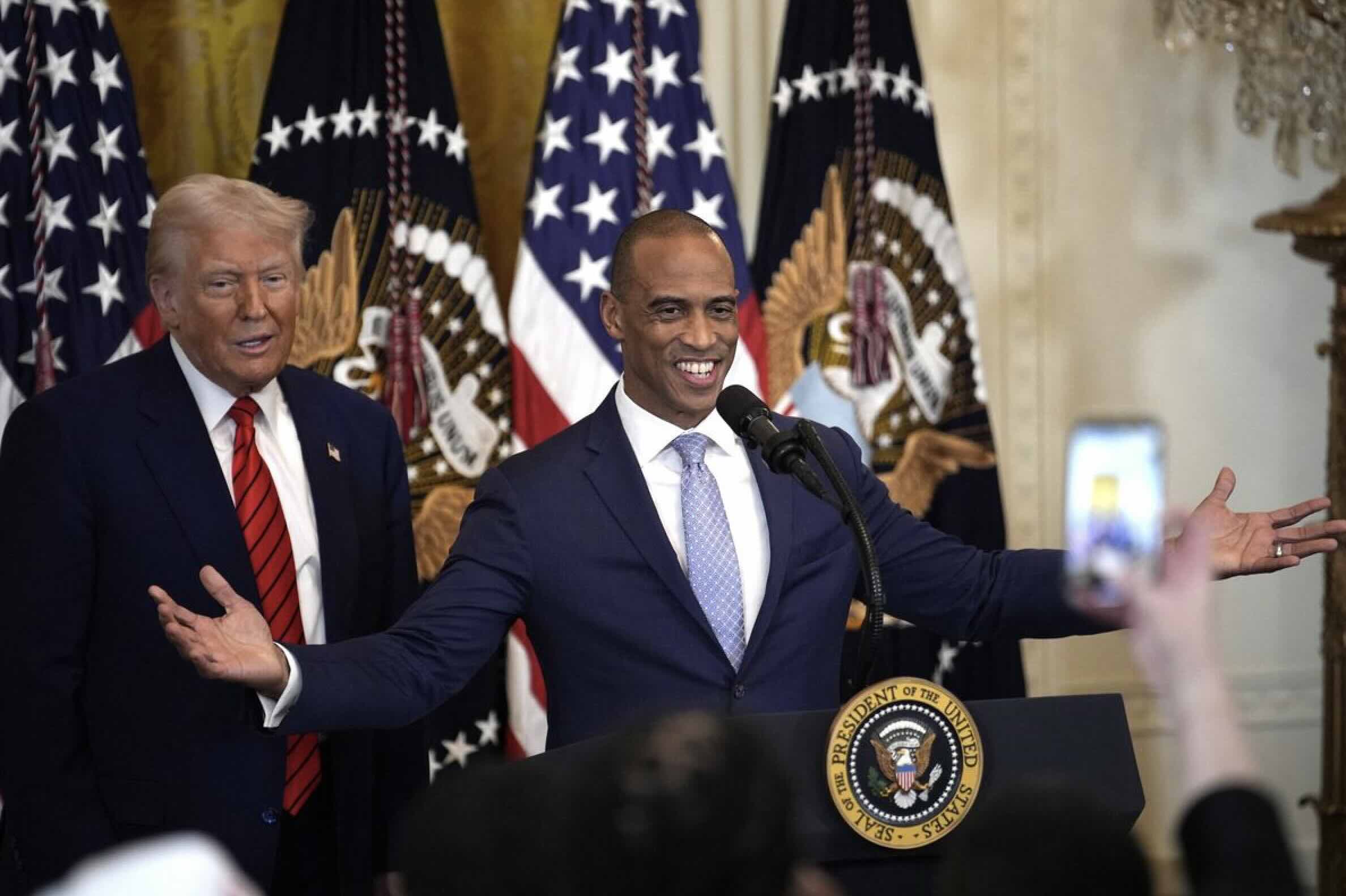
HUD Secretary Scott Turner issued a blunt condemnation of the bank’s practices following the announcement. “Even if Wells Fargo did not violate the law, its practice of dividing Americans based on race is immoral, unethical and un-American,” Turner said in an official statement. He further added that the bank and the employees involved in these practices “should be ashamed of themselves.”
Wells Fargo has declined to comment on the investigation. This scrutiny follows previous allegations of discrimination, including a Bloomberg report which found the bank rejected approximately half of all refinancing applications from Black families in 2020.
Why the Wells Fargo homeownership program is Under Scrutiny
The investigation represents more than a single bank’s compliance issue; it is a central component of a broader administration-wide effort to dismantle Diversity, Equity, and Inclusion (DEI) frameworks in favor of “race-neutral” economic models.
For years, Wells Fargo has utilized Special Purpose Credit Programs (SPCPs) to target specific underserved populations. In 2017, the bank made a massive $60 billion lending commitment intended to add 250,000 Black homeowners by 2027. This was followed by a $210 million initiative in 2022 specifically designed to lower refinancing costs and mortgage rates for minority families.
However, the Trump administration views these targeted efforts as a violation of the Fair Housing Act, which prohibits discrimination based on race. From the administration’s perspective, any program that uses race as an eligibility factor or a metric for resource allocation creates an unfair advantage and discriminates against other homebuyers.

A Timeline of Federal Policy and Lending Initiatives
To understand the current tension, it is necessary to examine the trajectory of both the leadership at HUD and the evolution of Wells Fargo’s lending commitments.
The Evolution of HUD Leadership
Secretary Scott Turner brings a diverse background to the agency. Before his tenure at HUD, Turner served nine seasons as an NFL cornerback and later served two terms as a Texas State Representative. Between 2019 and 2021, he served as the Executive Director of the White House Opportunity and Revitalization Council, positioning him at the intersection of federal policy and economic development long before the current administration’s crackdown on DEI.
The Wells Fargo Lending Trajectory
2017: Wells Fargo announces a $60 billion commitment to bolster minority homeownership.
2022: The bank launches a $210 million initiative using SPCPs to reduce costs for minority borrowers.
August 2026: HUD proposes new rules aimed at eliminating “disparate impact” regulations under Title VI.
October 7, 2026: HUD sends the formal investigation letter to Wells Fargo.
The Data Behind the Disparity
The investigation occurs against a backdrop of stark racial inequities in American homeownership. According to mid-2026 data from the U.S. Census Bureau, the racial homeownership gap remains a persistent challenge for policymakers.
| Metric | Black Households | Non-Hispanic White Households |
|---|---|---|
| Homeownership Rate | 45.4% | 74.5% |
| Total Gap | – | 29.1 Percentage Points |
While the administration argues that deregulation and supply-side economics are the solutions to housing affordability, critics point to historical and systemic barriers that targeted programs were designed to address. For example, HUD Housing Discrimination Studies have previously found that Black buyers are shown 17% fewer homes than white peers with identical financial profiles.
Furthermore, the debate over how to close this gap is complicated by the effectiveness of existing frameworks like Opportunity Zones. While the Economic Innovation Group found that Opportunity Zones led to a 70% increase in new housing construction in designated low-income tracts, the Urban Institute has noted an “urban bias,” where capital often flows to areas with higher incomes and lower Black populations rather than the most underserved communities.
Stakeholder Perspectives: Race-Neutrality vs. Systemic Redress
The conflict between HUD and Wells Fargo highlights two fundamentally different philosophies regarding civil rights and economic equality.
The Administration’s Stance: Constitutional Colorblindness
Secretary Turner and the Trump administration advocate for a “race-neutral” approach. Their argument is rooted in the idea that the law must treat every individual identically, regardless of race. They contend that race-based lending programs are not only illegal under the Fair Housing Act but also undermine the principle of equal treatment. By focusing on deregulation and increasing the total supply of housing, the administration believes market forces will eventually lower costs for everyone, including marginalized groups.
The Advocates’ Stance: Addressing Historical Barriers
Civil rights organizations, including the National Fair Housing Alliance (NFHA) and the NAACP, view the investigation as a direct assault on Black economic progress. Nikitra Bailey, executive vice president of the NFHA, points out that Special Purpose Credit Programs were written into federal law 50 years ago specifically to allow lenders to remedy the effects of historic exclusions based on race and national origin.
“Investigating a bank for following the government’s own rules… is an abuse of the agency’s investigative authority,” Bailey stated. Critics argue that because the homeownership gap was created by explicitly racial policies like redlining and restrictive covenants, a “race-neutral” approach is insufficient to undo the damage. Some civil rights leaders have even claimed that the Black economy has “functionally been in a recession over the past year” due to these policy shifts.

What It Means for You
The outcome of this investigation and the broader shift in HUD policy will have practical implications for several different groups:
For Homebuyers and Minority Borrowers
If the administration successfully eliminates the use of SPCPs and restricts race-conscious lending, minority homebuyers may lose access to specialized programs designed to lower down payments, reduce refinancing fees, or provide lower mortgage rates. The “race-neutral” approach relies on general market improvements, which may not address the immediate capital barriers faced by Black families.
For Lenders and Financial Institutions
Banks are facing a period of intense regulatory uncertainty. Following recent updates to Regulation B, for-profit lenders are being warned to avoid using race as an eligibility factor. The Wells Fargo investigation serves as a warning that other institutions with similar DEI-focused lending programs could face similar federal probes. Compliance departments will likely need to pivot away from targeted social initiatives to avoid litigation and federal scrutiny.
For Investors and Developers
The administration’s focus on supply-side economics and deregulation may benefit large-scale developers and corporate investors. While the increase in housing supply is a goal, research from 48 Hills suggests a potential downside: the new inventory may be absorbed by wealthier demographics and corporate entities rather than individual minority homebuyers.
Counterpoints and Open Questions
While the administration’s stance is clear, several significant risks and counterpoints remain unaddressed by the current policy direction:
What Happens Next
Several key developments will determine the future of race-conscious lending in the United States:
HUD’s Expanded Review: A senior HUD official told the Wall Street Journal that the agency is currently reviewing similar initiatives at other financial institutions. The results of these reviews will signal whether the Wells Fargo probe is an isolated incident or a widespread regulatory campaign.
Department of Justice (DOJ) Involvement: The DOJ has already launched antifraud probes into federal contractors targeting DEI programs. It remains to be seen if the DOJ will join HUD in pursuing legal action against Wells Fargo.
Frequently Asked Questions
What are Special Purpose Credit Programs (SPCPs)?
Special Purpose Credit Programs are legal lending tools authorized by federal law to allow financial institutions to provide credit to specific groups of people who have been historically denied access to credit. These programs can be based on race, national origin, or gender and are designed to help close the wealth gap by offering more favorable terms to underserved communities.
Why is HUD investigating Wells Fargo?
HUD is investigating Wells Fargo because it alleges the bank’s mortgage programs violate the Fair Housing Act by “sorting” homeowners by race. The administration argues that using race as a factor in lending decisions—even if intended to help minority groups—is a form of illegal discrimination against other applicants.
What is the “disparate impact” rule?
The “disparate impact” doctrine is a legal principle that allows regulators to penalize organizations for policies that appear neutral but have a disproportionately negative effect on a protected group (such as a specific race). The current administration is moving to eliminate these protections, arguing that they undermine the principle of race-neutrality.
Closing
The investigation into the Wells Fargo homeownership program marks a definitive turning point in the relationship between the federal government and the financial industry’s approach to social equity. As HUD moves to dismantle race-conscious lending frameworks, the nation faces a fundamental debate over whether the path to equality lies in targeted assistance or in a strictly colorblind market
References
Featured image: Photo by RDNE Stock project on Pexels