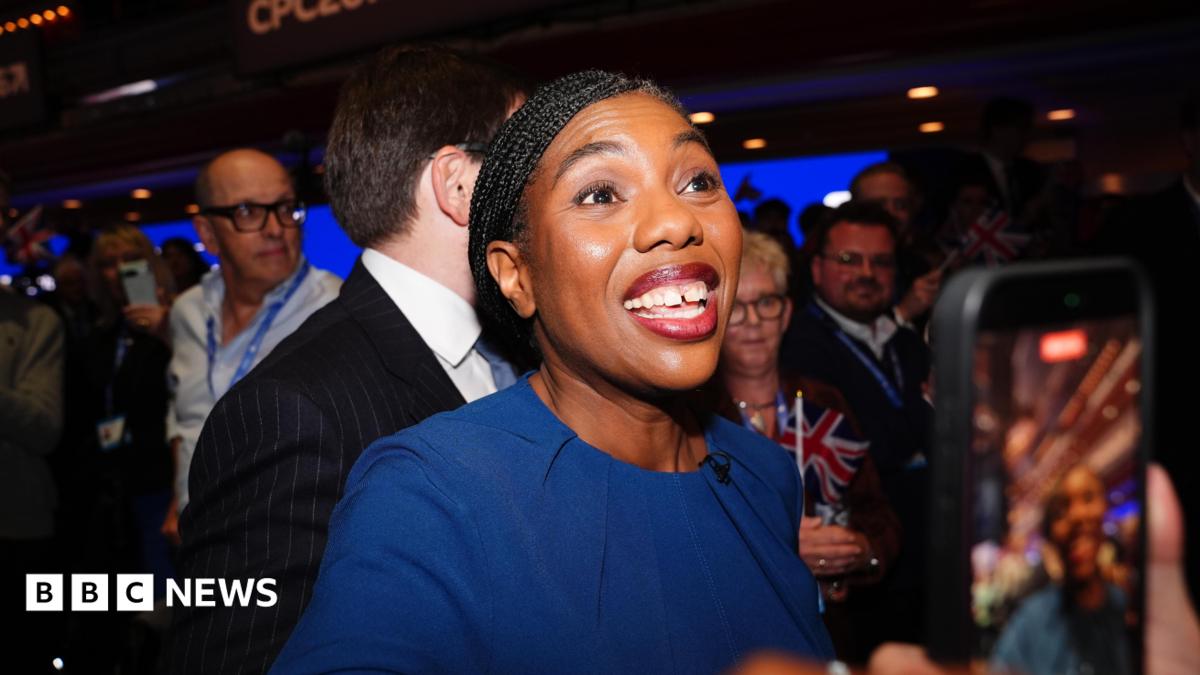
The badenoch inheritance tax plan emerged as the central pillar of the Conservative party‘s strategic pivot during their annual conference in Birmingham this week. As Kemi Badenoch seeks to solidify her leadership and distance her party from the instability of recent years, her proposed fiscal overhaul aims to target affluent voters by promising significant relief on property and estate transfers. The announcement marks a high-stakes attempt to redefine the Conservative brand as a ‘no-nonsense’ economic force, even as political opponents and economic analysts raise alarms about the plan’s long-term viability.
Key Takeaways
- Major Fiscal Shift: The Conservative Party has pledged to abolish inheritance tax on family homes and allow couples to pass on an additional £1 million tax-free.
- Funding Mechanism: To offset the estimated £6 billion annual cost, the party claims it will implement £71 billion in government spending cuts, primarily targeting the welfare budget.
- Political Strategy: The policy is designed to reclaim middle-class voters in southern England and create a clear ideological distinction between the Conservatives and both Labour and reform UK.
- Significant Opposition: Critics, including Reform UK and Labour, argue the plan prioritizes the wealthy, while the Institute for Fiscal Studies (IFS) warns of potential housing market distortions.
- Identity and Unity: Badenoch used the platform to project internal party unity and draw a sharp line against the identity-based rhetoric of defectors like Suella Braverman.
- Polling Momentum: Watch for whether the party can achieve the 3-to-4-point gain that senior aides say is necessary to regain political momentum.
- Legislative Detail: As the party prepares for the next general election, expect more granular details on how the £71 billion in welfare cuts will be implemented.
- Economic Indicators: The government’s ability to deliver on the promise of “economic growth as a central organising principle” will be the ultimate test of Badenoch’s credibility.
- The Reform UK Response: Monitor how Nigel Farage and Reform UK respond to the inheritance tax proposal; whether they double down on “taxing the rich” or pivot to their own economic platform.
- www.bbc.co.uk
- www.theguardian.com
- www.aol.co.uk
- www.bbc.com
What Happened: A Conference of Rebranding
At the conclusion of the Conservative Party annual conference in Birmingham on 7 October 2026, leader Kemi Badenoch delivered a keynote address that signaled a definitive end to the era of leadership volatility. After surviving internal challenges from figures such as Robert Jenrick a year prior, Badenoch used the Birmingham gathering to present a cohesive, if controversial, vision for the party’s future.
Unlike the previous year, where rumors of dissent and leadership challenges dominated the headlines, the atmosphere this year was one of apparent cohesion. According to reports from the conference, the party is attempting to “scrape the barnacles off the boat”—a phrase attributed to veteran strategist Sir Lynton Crosby—to remove unpopular policies that have historically hindered their electoral prospects.
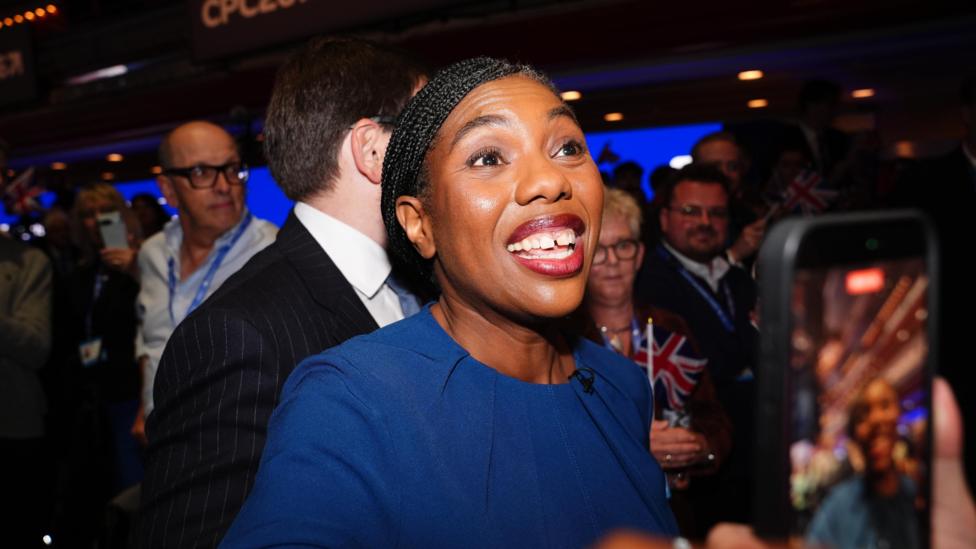
Central to this rebranding was the unveiling of the Badenoch inheritance tax plan. While the party has long flirted with tax reform, the specificity of this proposal—targeting family homes and increasing tax-free thresholds—is a direct attempt to shore up the party’s traditional base in the South of England. Badenoch framed the policy as a way to reward those who “work hard and save,” positioning economic growth as the “central organising principle” of a future Conservative government.
Why It Matters: The Economic and Political Stakes
The significance of this policy shift cannot be overstated, as it touches upon the most sensitive areas of British fiscal and social life: taxation, housing, and the welfare state. For the Conservative Party, the stakes are existential. Currently, opinion polls suggest the party remains more unpopular than it was following its catastrophic general election defeat in 2024. To regain momentum, Badenoch’s inner circle suggests the party needs a polling increase of at least three to four points.
From an economic perspective, the plan introduces a massive redistribution of fiscal responsibility. By seeking to cut £6 billion in annual inheritance tax revenue, the Conservatives are betting that they can find equivalent or greater savings through aggressive reforms to the welfare system. If successful, this could shift the tax burden away from capital and property and toward reduced public spending. However, if the projected £71 billion in savings fails to materialize, the plan could significantly impact the national deficit.
For the electorate, the implications vary wildly depending on socio-economic status. For homeowners in affluent areas, the plan offers a promise of intergenerational wealth preservation. For those reliant on social security, the proposed cuts to benefits represent a direct threat to their financial stability. This divide is precisely what Bridget Phillipson, the Labour Party Chair and Minister for Equalities, highlighted when she stated that the Conservatives are “prioritising the wealthiest” rather than helping families struggling with social care costs.
Deep-Dive: The Fiscal Math of the Conservative Plan
The viability of the Badenoch inheritance tax plan rests entirely on the party’s ability to identify and execute massive spending cuts. The Conservatives have laid out a detailed, albeit highly contested, roadmap for how these savings will be achieved.
According to party estimates, the total identified savings amount to £71 billion. A massive portion of this—£36 billion annually—is earmarked for reforms to benefits and welfare. The following table breaks down the specific areas where the Conservative Party intends to find these savings:
| Welfare Category | Projected Annual Savings | Key Policy Change |
|---|---|---|
| Sickness and Disability Benefits | £13.7 billion | Comprehensive reform of existing structures |
| Non-EU National Benefits | £9.5 billion | Ending benefit access for non-EU nationals |
| Housing Benefit | £4.5 billion | Changes to current housing support models |
| Universal Credit | £3.1 billion | Reintroducing the two-child limit |
| Other Welfare Cuts | £5.2 billion | Miscellaneous adjustments to the welfare bill |
| Total Welfare Savings | £36 billion |

While these figures provide a mathematical framework for the policy, they have been met with skepticism by political leaders. Torsten Bell, the Work and Pensions Minister, issued a blunt warning, stating, “history is very clear that promising this scale of tax cuts ends one way: trashing your public finances.”
Stakeholder Reactions and the Battle for the Right
The introduction of the inheritance tax proposal has also intensified the rivalry between the Conservatives and Reform UK. While Badenoch seeks to present a “no-nonsense” version of Conservatism, Reform UK has moved to frame the policy as a giveaway for the elite.
Robert Jenrick, a former Conservative rival who has since moved toward the Reform UK orbit, criticized the plan by claiming the “Tory party is looking after its own in Kensington,” while Reform UK “looks after the country.” This sentiment was echoed by Reform UK’s finance spokesperson, who characterized the inheritance tax changes as a “tax cut for multi-millionaires.”
This tension highlights a broader strategic dilemma for Badenoch: how to combat the rise of Reform UK without adopting the more polarizing rhetoric that Nigel Farage’s party utilizes. Badenoch has explicitly rejected any calls to “unite the right,” stating she would rather have another election than strike a deal with Reform UK. She has characterized Reform politicians as “sleazy” and has signaled a refusal to cooperate with them before or after the next general election.
The Identity Debate: Englishness and Social Cohesion
Beyond economics, the Conservative conference was marked by a sharp ideological clash over national identity. This was triggered by recent comments from former Conservative MP Suella Braverman, who argued on social media that “Englishness is an ethnicity” and that she, given her heritage, was “not English.”
Badenoch responded to these comments with what she described as “personal fury.” In a move to frame the Conservatives as the party of social cohesion rather than divisive identity politics, Badenoch emphasized her own background. “I don’t want to explain to my son, when we’re watching our brilliant England team play football, that some people don’t think our black players are English,” she said. “I am black. I am British. I am proud of my country.”
This stance is a calculated attempt to move the party away from the “culture wars” that many analysts believe contributed to their 2024 electoral defeat. By focusing on a shared sense of Britishness and a robust economic platform, Badenoch is attempting to build a broader coalition that includes both traditional conservatives and moderate voters who may have been alienated by previous leadership’s focus on migration and identity.
What It Means for You
The implementation of the Badenoch inheritance tax plan would have significant practical implications depending on your circumstances:
If you are a Homeowner in the South of England:
Expect potential long-term benefits regarding estate planning. The pledge to abolish inheritance tax on family homes and increase the tax-free threshold for couples to £1 million could significantly reduce the tax burden when passing property to the next generation. However, you should also be aware of potential changes to stamp duty and the repeal of the “mansion tax.”
If you are a Recipient of Welfare or Disability Benefits:
Be prepared for significant scrutiny and potential reductions in support. The Conservative plan relies heavily on reforming sickness and disability benefits, which accounts for £13.7 billion of their projected savings. The reintroduction of the two-child limit for Universal Credit also suggests a more restrictive approach to family-based welfare.
If you are a Renter or a Younger Professional:
There are two conflicting possibilities. On one hand, the Conservatives’ focus on economic growth and reducing red tape aims to stimulate the economy. On the other hand, economic analysts like those at the Institute for Fiscal Studies (IFS) warn that the inheritance tax plan might encourage wealthy individuals to hold onto expensive properties longer, potentially reducing the supply of homes available for younger generations and contributing to house price inflation.
Counterpoints and Open Questions
Despite the confidence displayed by the Conservative leadership, several significant risks and criticisms remain unaddressed:
1. The Housing Market “Lock-in” Effect:
The IFS has raised concerns that by removing the tax incentive to pass on a home, the government may inadvertently discourage elderly homeowners from “downsizing.” If wealthy individuals stay in large, expensive family homes to avoid tax implications, it could lead to a shortage of available housing stock for younger families, potentially “overheating” the market in high-demand areas.
2. The Fiscal Sustainability Gap:
Can the Conservatives truly find £71 billion in savings without causing social unrest or damaging the economy? The reliance on cutting disability and sickness benefits is a politically sensitive area that could lead to significant backlash from advocacy groups and the public.
3. The Regional Inequality Question:
Critics, including Tax Justice UK, have labeled the plan a “massive inheritance tax giveaway.” Because the primary beneficiaries are likely to be the “very well off group, mainly living in London and the south east of England,” there is a risk that this policy will exacerbate the existing economic divide between the affluent South and the rest of the UK.
4. The Reform UK Vacuum:
By refusing to “unite the right,” is Badenoch leaving a door open for Reform UK to continue siphoning off voters? While she aims to overtake Reform in the polls, her rejection of their platform could leave a segment of the Conservative base feeling unrepresented.

What Happens Next
As the Conservative Party moves away from its Birmingham conference, several key indicators will determine whether Badenoch’s strategy is working:
Frequently Asked Questions
What is the main goal of the Badenoch inheritance tax plan?
The primary goal is to revitalize the Conservative Party’s economic identity and win back middle-class, affluent voters. By promising to abolish inheritance tax on family homes and increasing tax-free thresholds, the party aims to position itself as the protector of family wealth and intergenerational stability.
How will the Conservative Party pay for these tax cuts?
The party intends to fund the estimated £6 billion annual cost of the inheritance tax changes through £71 billion in government spending cuts. The largest portion of these savings—approximately £36 billion—is expected to come from reforms to the welfare and benefits system, including changes to disability benefits and the reintroduction of the two-child limit for Universal Credit.
Who are the biggest beneficiaries of the proposed tax changes?
nAccording to the Institute for Fiscal Studies (IFS), the biggest beneficiaries are expected to be a “very well off group,” primarily located in London and the South East of England. These are individuals with high-value property assets who stand to benefit from the increased tax-free thresholds and the exemption on family homes.
Will this policy affect the housing market?
Yes, there is a significant debate regarding this. While some see it as a way to support homeowners, the IFS warns it could encourage wealthy individuals to remain in large, expensive properties rather than downsizing. This could potentially reduce the availability of housing for younger generations and contribute to price inflation in certain areas.
As the political landscape shifts toward a major debate over the “soul of the nation,” Kemi Badenoch has placed her bets on a platform of economic growth and tax relief for property owners. Whether this “no-nonsense” approach can overcome the party’s recent electoral failures and the rising tide of Reform UK remains the defining question for the Conservatives in 2026.
References
Featured image: Image via BBC News