
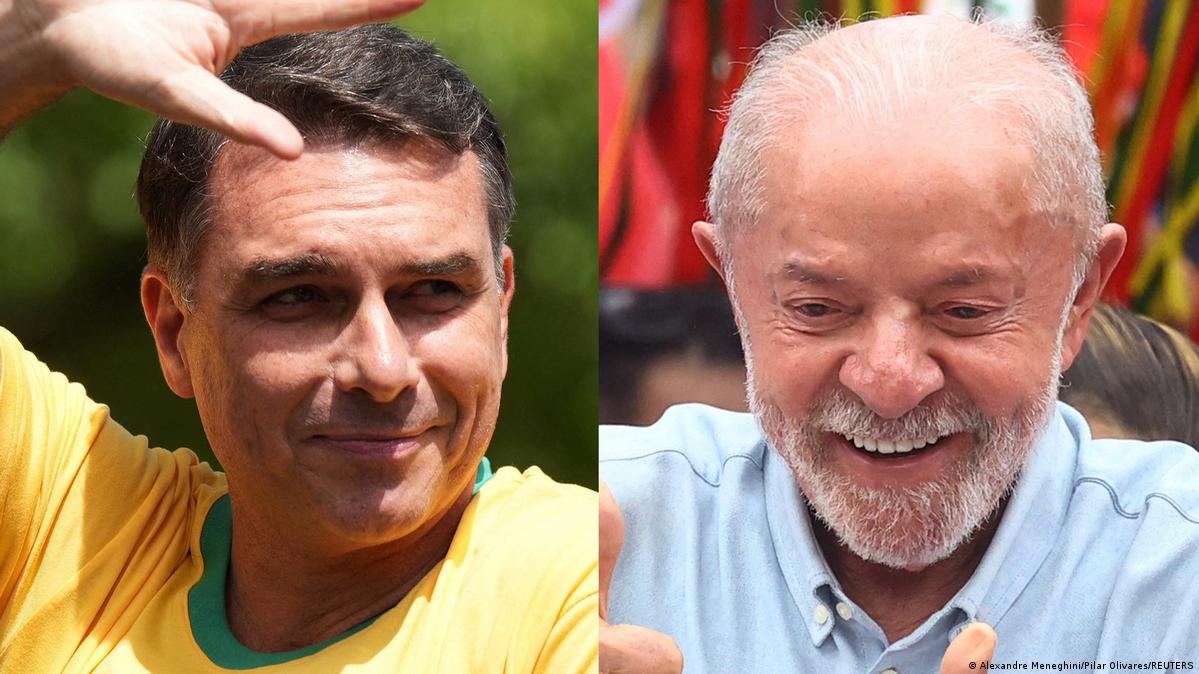
The Brazil presidential election 2026 has entered a decisive phase as early vote counts show Senator Flávio bolsonaro holding a significant lead over the incumbent, President Luiz Inácio Lula da Silva.
Key Takeaways
- Flávio Bolsonaro leads the first round with approximately 50.85% of the vote according to early district counts.
- Incumbent Luiz Inácio Lula da Silva trails with roughly 41.05% of the vote.
- Despite the lead, the possibility of a second-round runoff remains a central focus as officials finalize the count.
- The election is marked by extreme political polarization, with both frontrunners facing rejection rates of approximately 50%.
- International tensions are high, following US President Donald Trump’s imposition of 50% tariffs on Brazilian imports.
- The outcome hinges on the bellwether state of Minas Gerais, where historical trends suggest the winner of the state wins the presidency.
- The Rejection Factor: With both Lula and Flávio Bolsonaro holding roughly 50% rejection rates, can any winner truly claim a mandate to govern a deeply divided nation?
- The “Moderate” Claim: Is Flávio Bolsonaro’s claim of being more moderate than his father a genuine policy shift, or is it a strategic campaign tactic to capture centrist voters?
- The Economic Impact of Tariffs: To what extent will the 50% U.S. tariff influence the final vote count in industrial and agricultural hubs?
- The Legitimacy of the Count: In an era of AI-generated content and digital misinformation, how will the TSE ensure the public’s trust in the electronic voting results remains intact?
- Final Count Verification: The TSE will continue to process the remaining ballots. Final results are expected within hours of the completion of the count.
- Runoff Determination: If no candidate secures more than 50% of the valid votes, the top two candidates will face off in a second-round runoff on October 25, 2026.
- Inauguration: The winner of the election is scheduled to take office on January 5, 2027.
- Market Reaction: Global markets will react to the confirmed results, specifically regarding trade relations with the United States and Brazil’s internal economic stability.
- www.as-coa.org
- www.dw.com
- www.theguardian.com
What Happened
As polls closed on Sunday, October 4, 2026, in Brazil, the nation began processing millions of ballots via electronic voting machines. Early data released by the Superior Electoral Court (TSE) indicates a strong performance for the Liberal Party (PL) candidate, Flávio Bolsonaro.
According to reports from the Guardian, with 27.9% of districts counted, Flávio Bolsonaro has secured 50.85% of the vote, totaling 16,317,418 votes. The incumbent, Luiz Inácio Lula da Silva of the Workers’ Party (PT), follows with 41.05%, or 13,172,611 votes.
Other notable candidates in the first round include Augusto Cury of the Avante party, who has captured 2.94% of the vote, and Ronaldo Caiado of the Social Democratic party (PSD) at 2.37%. Renan Santos of the Missão party follows closely with 2.28%, while former Governor Romeu Zema of the Novo party has received 0.28%.
While the current numbers place Flávio Bolsonaro above the 50% threshold required to avoid a second round, the election remains in a state of flux. In Brazil, a candidate must secure more than 50% of the valid votes cast to win the presidency outright in the first round. Given the ongoing counting process, analysts are closely monitoring whether this lead will hold or if the race will proceed to a runoff on October 25.
Why It Matters
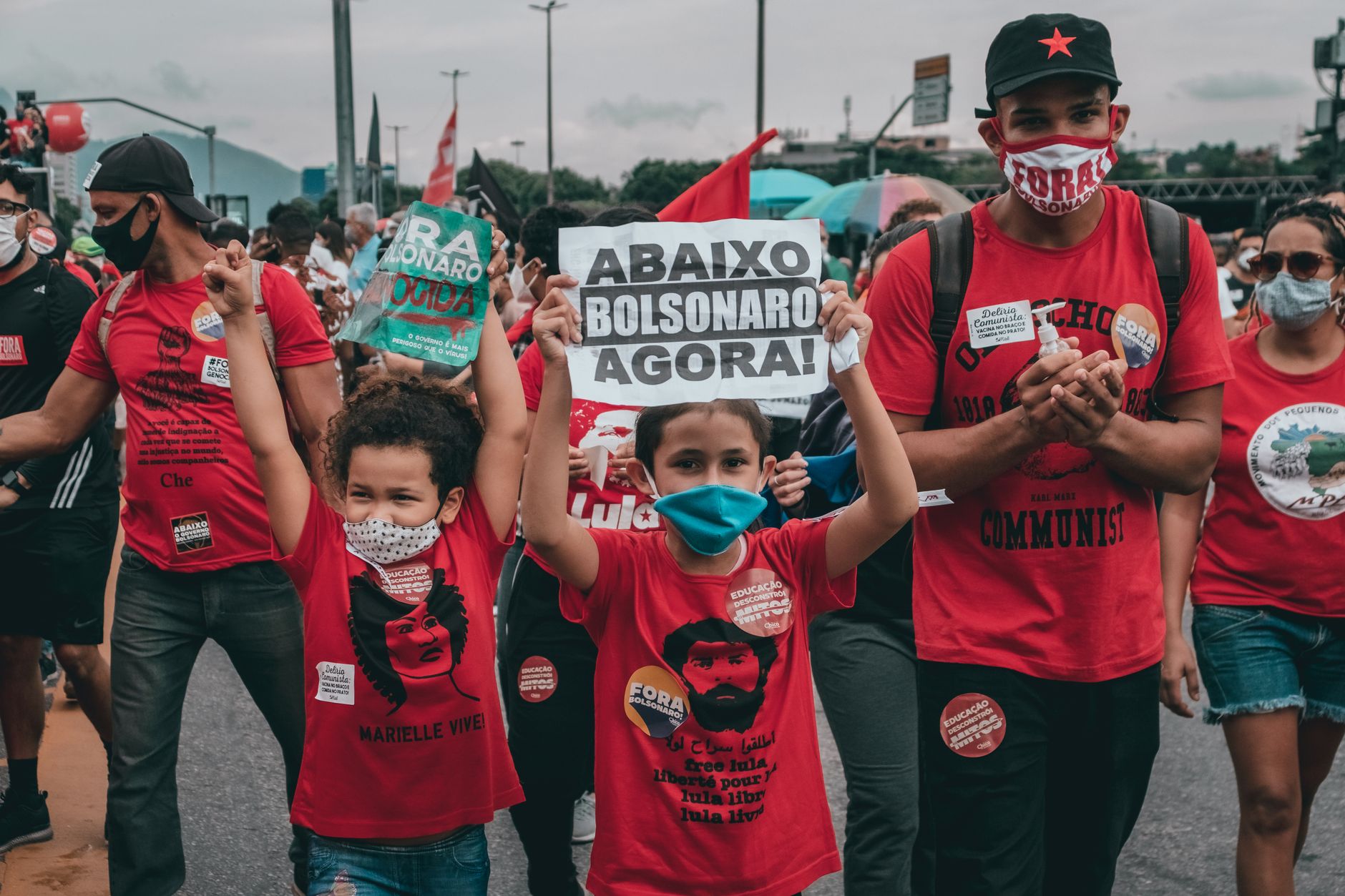
The Brazil presidential election 2026 is more than a simple change in leadership; it represents a fundamental struggle over the direction of the world’s largest economy in Latin America. The contest pits two deeply divergent visions of governance against one another in a climate of intense social and economic division.
For the supporters of Lula da Silva, the election is about maintaining a platform of social welfare, state-led development, and income redistribution. For the followers of the Bolsonaro movement, the priority is a shift toward hardline security policies, tax cuts, and a departure from the Workers’ Party’s economic model.
Furthermore, the election carries heavy international weight. The relationship between Brazil and the United States has become increasingly strained. Following the legal proceedings against former President Jair Bolsonaro, the Trump administration imposed a 50% tariff on Brazilian imports. This economic pressure has added a layer of complexity to the domestic campaign, as voters weigh the impact of international trade tensions on their daily cost of living.
The Candidates: A Study in Contrast
Luiz Inácio Lula da Silva (Workers’ Party)
At 80 years old, Lula da Silva is a veteran of the Brazilian left seeking an unprecedented fourth non-consecutive term. His political career is defined by two major eras: his first two terms from 2003 to 2011, which were marked by historic commodity-fueled growth and significant poverty reduction, and his current term, which began in 2023.
Lula’s campaign has centered on the idea of “strengthening the democratic regime.” During his final rally in Sao Paulo, which drew approximately 150,000 supporters, he framed the choice for voters as one between “progress and backwardness.” However, his candidacy has been shadowed by his past, including a period of imprisonment on corruption charges that were later quashed.
Flávio Bolsonaro (Liberal Party)
Flávio Bolsonaro, 45, is a lawyer and former Senator from Rio de Janeiro. He has positioned himself as the successor to the populist movement established by his father, Jair Bolsonaro. While Flávio has claimed to be a “more moderate” figure than his father, he maintains that Jair Bolsonaro serves as his “compass” and primary point of reference.
His platform emphasizes addressing the high cost of living through tax cuts and implementing hardline security measures to combat crime. His campaign was heavily supported by the “mito” (legend) movement, a term used by his supporters to honor his father’s political legacy. Unlike his father, who is currently serving a 27-year prison sentence for masterminding a failed coup attempt, Flávio is running as a free man, though he has suggested he would seek to pardon his father if elected.
Comparison of Core Platforms
| Policy Area | Lula da Silva (PT) | Flávio Bolsonaro (PL) |
|---|---|---|
| Economic Focus | Welfare, state development, redistribution | Tax cuts, addressing cost of living |
| Security | Not explicitly detailed | Hardline security policies |
| Governance Style | State-led development | Populist, right-wing reform |
| International Stance | Focus on social welfare/sovereignty | Alignment with right-wing movements |

The Shadow of Jair Bolsonaro
The political landscape of the 2026 election is inseparable from the legal and political fate of Jair Bolsonaro. The former president is currently incarcerated, serving a 27-year sentence after being convicted for his role in the failed coup attempt following the 2022 election.
Beyond the coup conviction, Jair Bolsonaro remains under investigation for allegations of corruption, money laundering, and tax evasion related to the financing of a biopic. While these allegations have been denied by the former president, they have fueled the narrative of political persecution among his supporters.
Donald Trump, the U.S. President, has referred to the legal proceedings against Jair Bolsonaro as a “witch hunt,” a sentiment that resonates with the far-right movement in Brazil. This connection has turned the Brazilian election into a focal point for international right-wing solidarity, while Lula’s supporters argue that the Bolsonaro movement represents a direct threat to Brazilian sovereignty.
Digital Influence and the New Political Frontier
A significant factor in this election cycle has been the role of social media and artificial intelligence. The traditional political structures in Brazil are being bypassed by candidates who leverage massive online followings to reach younger demographics.
Augusto Cury, a doctor and self-help author, has seen a significant rise in polling, which analysts attribute to his social media following of over 2 million people. Similarly, Renan Santos, an anti-establishment activist, has experienced growth by targeting younger voters through digital platforms.
However, this digital shift is not without controversy. Reports from DW indicate that the campaign has been heavily influenced by “online operations” utilizing AI-generated images and highly produced videos to exploit rumors and political gaffes. This technological influence has contributed to the “calcified polarization” described by AS/COA, making it increasingly difficult for voters to find consensus or objective truth.
The Bellwether: Why Minas Gerais Holds the Key
In the history of Brazilian democracy, one state has consistently predicted the winner of the presidency: Minas Gerais. This mountainous, agricultural, and mining region is larger than France and is home to 21 million inhabitants.
Since the return of democracy in the 1980s, no candidate has successfully secured the presidency without winning in Minas Gerais. The state’s voting patterns have historically shifted in alignment with the national mood. In 2018, Jair Bolsonaro secured the state by more than 1.7 million votes, leading to his victory. Four years later, Lula da Silva reclaimed the state by a narrow margin of fewer than 50,000 votes, which ultimately propelled him to the presidency.
As the final counts from Minas Gerais arrive, political strategists will be looking to these numbers to determine if the current lead held by Flávio Bolsonaro is a national trend or a regional anomaly.
What It Means for You
For Investors and Businesses
If you are involved in international trade or the Brazilian market, expect continued volatility. The potential for a Flávio Bolsonaro presidency suggests a shift toward deregulation and tax cuts, which could favor certain sectors. However, the ongoing trade tensions with the United States and the existing 50% tariffs on Brazilian imports create a high-risk environment for exporters. A Lula da Silva victory would likely signal a return to state-led economic policies and more predictable social spending, though it may also mean higher regulatory oversight.
For Voters in Brazil
Regardless of the outcome, the high rejection rates for both candidates—estimated at 50% each—suggest that a significant portion of the electorate remains dissatisfied with the current political options. Voters should prepare for a potentially prolonged period of political uncertainty, especially if the election moves to a second-round runoff on October 25.
For International Observers
If you are a policy analyst or diplomat, watch the reaction of the Brazilian Supreme Court and the international community to the election results. The intersection of legal challenges, coup-related convictions, and the influence of U.S. politics makes this one of the most complex democratic exercises in recent history.
Counterpoints and Open Questions
While the early numbers favor the Liberal Party, several critical questions remain unanswered:
What Happens Next
Frequently Asked Questions
How does the Brazilian presidential election work?
Brazil uses a direct election system where every voter’s ballot counts equally. There is no electoral college. To win the presidency in the first round, a candidate must receive more than 50% of the valid votes. If no candidate reaches this threshold, a second-round runoff is held three weeks later between the two candidates who received the highest number of votes.
Why is Flávio Bolsonaro’s candidacy significant?
Flávio Bolsonaro is the son of former President Jair Bolsonaro, who is currently serving a 27-year prison sentence for his role in a failed coup attempt. Flávio’s candidacy represents an attempt by the Liberal Party to maintain the political influence and populist movement established by his father, effectively creating a political dynasty.
What is the importance of Minas Gerais in the election?
Minas Gerais is considered Brazil’s “bellwether state.” It is a large, diverse region with 21 million people. Since the return of democracy in the 1980s, no candidate has won the presidency without also winning in Minas Gerais. Therefore, its voting results are a primary indicator of the national winner.
What are the main economic differences between the candidates?
Lula da Silva focuses on state-funded development, welfare programs, and income redistribution to reduce inequality. In contrast, Flávio Bolsonaro emphasizes tax cuts, addressing the high cost of living, and implementing more aggressive security policies to ensure order and economic stability.
References
Featured image: Image: Alexandre Meneghini/Pilar Olivares/REUTERS — via dw.com


One thought on “Brazil Presidential Election 2026: Flávio Bolsonaro Leads”