
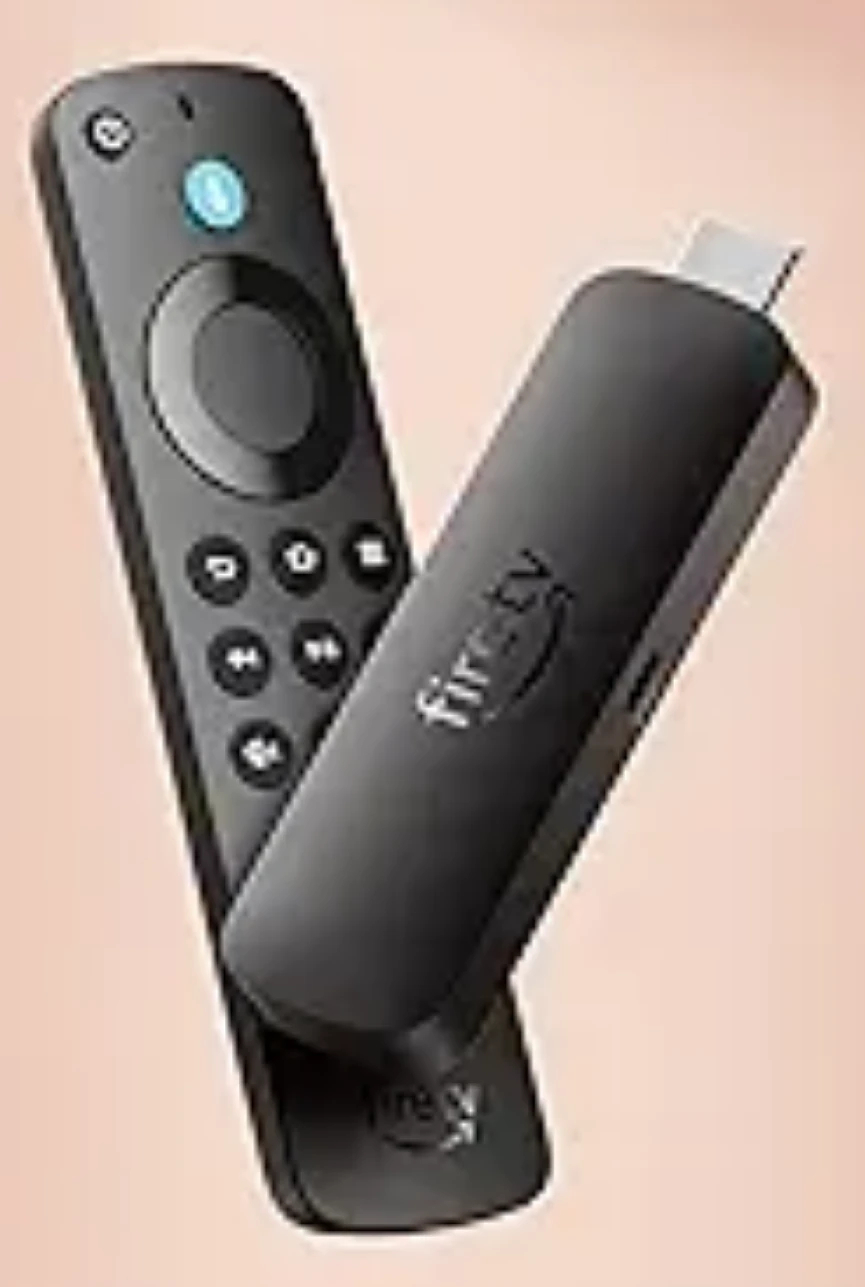
The new amazon Fire TV stick 4K has officially arrived, marking a significant hardware and software pivot for the tech giant as it moves toward a more integrated, AI-driven streaming ecosystem. Announced on September 30, 2026, the updated dongle promises substantial performance gains and a slimmer form factor, but the release also signals a controversial shift in how Amazon manages its software platform.
Key Takeaways
- Performance Boosts: Amazon claims the new 4K stick is 20% to 40% faster than competing models, with app launches running over 35% faster.
- Strategic OS Shift: The device transitions from Android to the proprietary Vega operating system, which removes the ability for users to “sideload” third-party applications.
- Redesigned remote: A new asymmetric, tactile remote features a metal home button and a customizable “star” button to improve usability in low light.
- AI Integration: The hardware is built to support Alexa+, a new AI-driven service capable of complex reasoning and personalized content discovery.
- Streamlined Lineup: Amazon is consolidating its offerings into three clear tiers: Fire TV Stick HD, Fire TV Stick 4K, and Fire TV Stick 4K Max.
- Aggressive Pricing: While the retail price is $59.99, the device will be available for $29.99 during the upcoming Prime Big Deal Days.
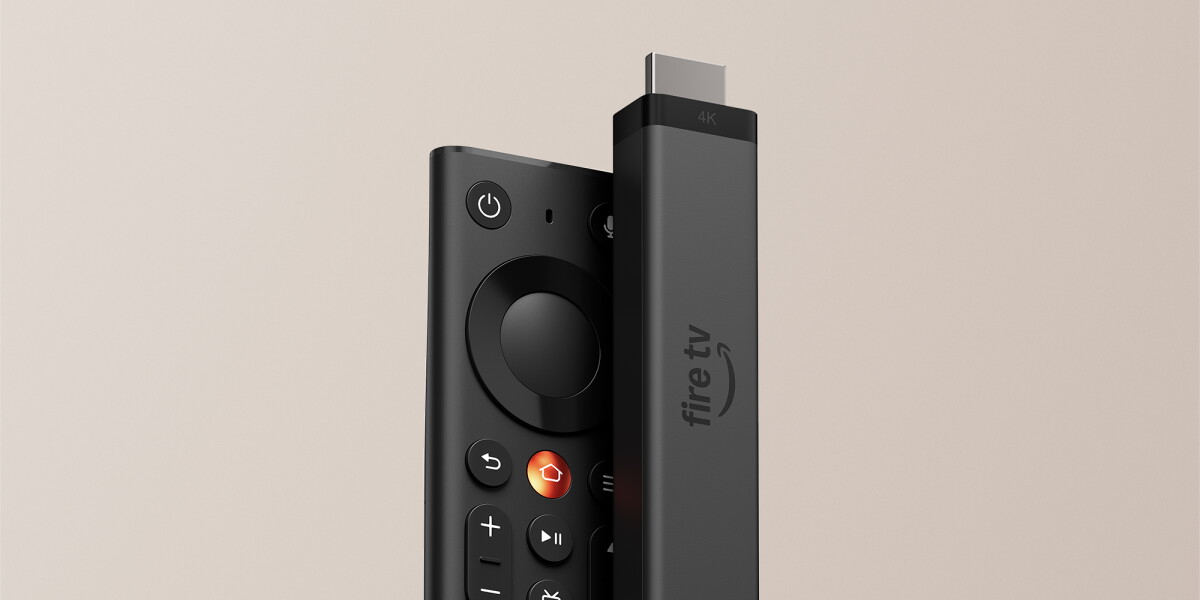
- Metal Home Button: The home button now features a distinct metal surface, allowing for easy identification via touch.
- Tactile Button Shapes: Other essential buttons, such as power, microphone, and back, have unique shapes or indentations to prevent accidental presses.
- Customizable “Star” Button: Previously a premium feature, the new remote includes a customizable star button. Users can program this button to launch specific apps or toggle accessibility settings like the Screen Magnifier or closed captioning.
- October 6–7, 2026: Prime Big Deal Days begin in the U.S., serving as the first major sales test for the discounted Fire TV Stick 4K.
- Late October 2026: The standalone redesigned Fire TV Remote begins shipping to customers.
- November 2026: The rollout of the Alexa+ software hub is expected to begin, bringing advanced AI features to existing and new users.
- Early 2027: The launch of the Fire TV Remote Plus, which will officially replace the Alexa Voice Remote Pro.
- www.aboutamazon.com
- finance.biggo.com
- thenextweb.com
- www.thurrott.com
- www.engadget.com
What Happened
On September 30, 2026, Amazon unveiled a refreshed generation of its Fire TV hardware, headlined by the new Amazon Fire TV Stick 4K. This launch is part of a broader effort to modernize the streaming experience through the introduction of the Vega operating system and enhanced AI capabilities via Alexa+. The announcement coincided with a complete redesign of the Fire TV remote and a simplification of the existing product lineup, which previously used confusing labels like “Select” and “Plus.”
According to Amazon, the new 4K model is designed for speed. The company stated that the device “turns on faster, apps launch over 35 percent faster, and content starts playing nearly 20 percent faster” than previous generations. In comparative testing, Amazon claimed the stick outperformed the built-in smart TV experiences of three leading 4K TV brands.
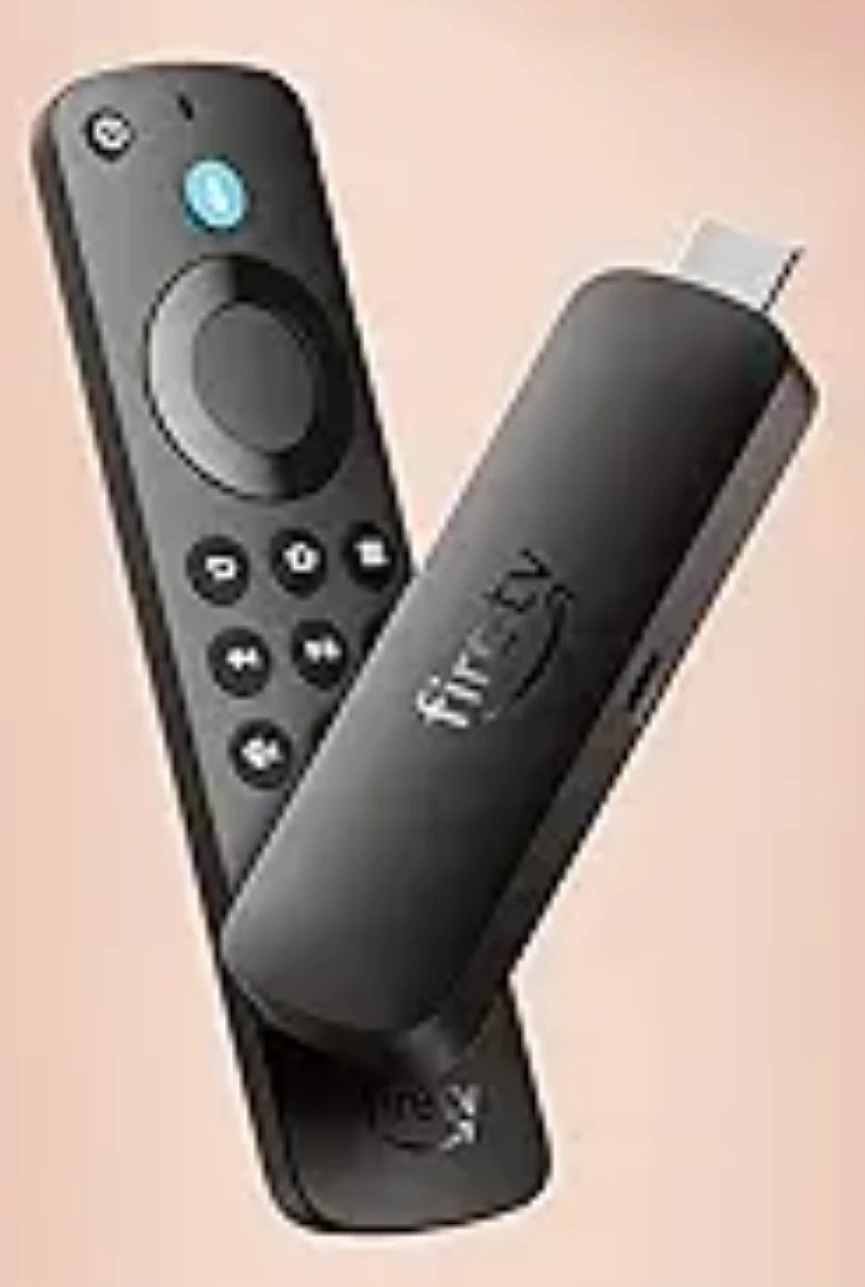
While the hardware is rolling out immediately in several global markets—including the US, UK, Germany, Japan, and Australia—the standalone redesigned remote is expected to ship in late October. Consumers in the United States can take advantage of a 50% discount during the Prime Big Deal Days event scheduled for next week, bringing the price down to $29.99.
Why It Matters
The release of the new Amazon Fire TV Stick 4K is more than a simple incremental update; it represents a strategic move to tighten Amazon’s control over the streaming user experience. By transitioning from the Android operating system to the proprietary Vega OS, Amazon is moving away from an open ecosystem toward a “walled garden” model similar to Apple’s iOS.
This shift has significant implications for both consumers and regulators. For users, the move promises a smoother, faster interface and more intelligent content discovery through Alexa+. However, it also removes the flexibility of sideloading—the practice of installing apps from sources outside the official Amazon Appstore.
From a business perspective, the launch is timed to drive engagement during the Prime Big Deal Days. By offering the 4K hardware at a highly accessible price point, Amazon is positioning itself to capture market share from smart TV manufacturers and other streaming dongle competitors. This hardware serves as a gateway to Amazon’s high-margin subscription services, specifically the new Alexa+ AI suite.
Hardware Specifications and Lineup Comparison
The new Fire TV Stick 4K is built around a quad-core 1.7GHz processor and includes 8GB of internal storage. It supports modern connectivity standards, including Wi-Fi 6 and Bluetooth 5.3 (with Low Energy support). In terms of video, the device supports resolutions up to 2160p at 60 frames per second and includes support for HDR10+, HLG, H.265, H.264, VP9, and AV1 formats. One notable omission, however, is Dolby Vision support, which Amazon has reserved for its higher-end model.
To help consumers navigate the refreshed ecosystem, Amazon has streamlined its hardware into three distinct tiers. The following table outlines the differences between the current offerings:
| Feature | Fire TV Stick HD | Fire TV Stick 4K | Fire TV Stick 4K Max |
|---|---|---|---|
| Target Audience | Budget-conscious users | Core streaming users | Enthusiasts & Gamers |
| Resolution | Up to 1080p | Up to 2160p (4K) | Up to 2160p (4K) |
| HDR Support | Standard HDR | HDR10+ | Dolby Vision & HDR10+ |
| Audio Support | Standard | Standard | Dolby Atmos |
| Operating System | Vega OS | Vega OS | Vega OS |
| MSRP (USD) | Varies | $59.99 | $84.99 |
The Redesigned Fire TV Remote
Alongside the new stick, Amazon has introduced a redesigned Fire TV Remote that prioritizes tactile navigation. The new design is asymmetric, featuring a flat, straight top edge and a curved, weighted bottom. This physical distinction is intended to help users orient the remote by touch alone, making it easier to operate in dark environments.
Key ergonomic changes include:
Amazon has also announced a more premium Fire TV Remote Plus slated for release in early 2027. This model will feature an aluminum housing, backlit buttons, and support for the “Find My Remote” feature, which allows users to locate a lost remote using an Echo speaker or the Alexa mobile app.
Software Evolution: Vega OS and Alexa+
The most profound change accompanying the new Amazon Fire TV Stick 4K is the transition to the Vega operating system. While Amazon has framed this move as a way to “support creators and protect customers” from the malware and fraud often associated with unverified third-party apps, the shift has significant technical and regulatory undertones.
The End of Sideloading
By moving away from Android, Amazon has effectively eliminated the ability to sideload applications. For years, Android-based streaming devices allowed tech-savvy users to install software from outside the official app stores. The new Vega OS creates a closed ecosystem, ensuring that every application running on the device has been vetted by Amazon. This enhances security and stability but limits user freedom.
AI-Driven Discovery with Alexa+
To compensate for the more controlled software environment, Amazon is leaning heavily into Alexa+. Unlike the standard Alexa assistant, Alexa+ is designed with advanced reasoning capabilities. This allows the assistant to handle complex, multi-layered queries that require context and memory.
According to Amazon, users will be able to ask questions such as, “Alexa, find shows that were nominated for the recent Emmys but got snubbed,” or “Alexa, show me MCU films based on their in-universe timeline order.” This level of conversational search is intended to move the streaming experience from simple keyword matching to true personalized curation.
The mobile app is also being overhauled to act as a companion hub. It will feature a dedicated Games Hub for cloud gaming services like Xbox and NVIDIA GeForce NOW, as well as visual intelligence tools that allow users to upload photos of movie posters to receive related recommendations.
Regulatory Implications and the DMA
The timing of the Vega OS transition is not coincidental. It arrives as the European Union continues to enforce the Digital Markets Act (DMA), which targets large tech companies designated as “gatekeepers.”
While Amazon is a designated gatekeeper for its marketplace and advertising services, its operating system has not yet been formally designated as such. This distinction is critical. Under the DMA, gatekeepers like Apple (with iOS) are being forced to allow third-party app stores and sideloading on their operating systems to foster competition. By moving the Fire TV platform to a proprietary OS like Vega, Amazon may be able to maintain a closed, high-margin ecosystem without being legally compelled to open it to the same degree as its competitors.
This creates a complex landscape for the tech industry. Amazon is essentially utilizing a technical shift to navigate a regulatory framework, ensuring that while they face scrutiny in commerce, they maintain total control over their hardware and software integration.
What It Means for You
The impact of this launch depends largely on which type of user you are:
For the Average Consumer
If you are looking for a simple, fast, and affordable way to upgrade your television, the Amazon Fire TV Stick 4K is a strong value proposition—especially if you purchase it during the Prime Big Deal Days. You can expect a more responsive interface and a remote that is much easier to use in the dark. However, you should be aware that you will be limited strictly to the apps available in the Amazon Appstore.
For Tech Enthusiasts and Power Users
If you rely on sideloading custom apps, niche media players, or unverified software, this update may feel like a significant step backward. The transition to Vega OS means the freedom of the Android ecosystem is being traded for the speed and security of a closed system. You may find the lack of Dolby Vision on the standard 4K model frustrating, potentially necessitating an upgrade to the more expensive 4K Max.
For Investors and Industry Analysts
This move signals Amazon’s commitment to vertical integration. By controlling the hardware (Fire TV Stick), the operating system (Vega), and the AI layer (Alexa+), Amazon is building a powerful, self-sustaining ecosystem that is difficult for competitors to penetrate. This strategy maximizes user retention and provides multiple avenues for recurring revenue through subscription services.
Counterpoints and Open Questions
Despite the touted improvements, the new hardware release is not without its criticisms and unanswered questions.
The Loss of Choice: The most vocal criticism concerns the removal of sideloading. Critics argue that this move is less about “security” and more about preventing competition and forcing users into Amazon’s monetization funnel. As the Vega OS matures, it remains to be seen whether Amazon will ever allow a third-party app store, or if the walled garden will remain permanent.
The Feature Gap: The decision to omit Dolby Vision from the $59.99 4K model creates a clear tiering system that some consumers may find predatory. While it encourages upgrades to the $84.99 4K Max, it also forces users to pay a premium for a standard high-end video format.
The Speed Claims: While Amazon has provided specific percentages regarding app launch and playback speeds, the company has not released its internal testing methodology. Without independent verification, it remains difficult to determine how these performance gains compare to real-world usage across various network conditions.
What Happens Next
Several key milestones will determine the success of this new hardware generation:
Frequently Asked Questions
Can I still sideload apps on the new Fire TV Stick 4K?
No. Unlike previous generations that ran on the Android operating system, the new Fire TV Stick 4K runs on Amazon’s proprietary Vega OS. This transition removes the capability to install applications from sources outside of the official Amazon Appstore, a move Amazon attributes to enhanced security and device stability.
Does the new Fire TV Stick 4K support Dolby Vision?
No, the new standard Fire TV Stick 4K does not support Dolby Vision HDR. If you require Dolby Vision and Dolby Atmos support, Amazon recommends the more premium Fire TV Stick 4K Max, which retails for approximately $84.99.
What is the difference between the new remote and the Remote Plus?
The new Fire TV Remote is a redesigned, tactile device with a metal home button and a customizable star button. The Fire TV Remote Plus, which is expected to launch in early 2027, will be a premium model featuring an aluminum housing, backlit buttons, and integration with the “Find My Remote” feature via Alexa.
How much does the Fire TV Stick 4K cost?
The standard retail price for the Fire TV Stick 4K is $59.99. However, during the Prime Big Deal Days event in October, it is expected to be available for a promotional price of $29.99 in the United States.
Closing
Amazon’s launch of the new Amazon Fire TV Stick 4K marks a decisive step toward an AI-centric, vertically integrated streaming future. While the hardware offers impressive speed and ergonomic improvements, the underlying shift to the Vega OS and the removal of sideloading capabilities represent a significant change in the philosophy of the Fire TV platform. Whether this move toward a more controlled, “walled garden” environment will satisfy consumers or invite further regulatory scrutiny remains to be seen.
References
Featured image: Image via BigGo Finance
2 thoughts on “Amazon Fire TV Stick 4K: New Hardware and Vega OS Explained”