
The new Fire TV Stick 4K has officially arrived, marking a fundamental transformation in how amazon approaches its streaming hardware and software ecosystem. Announced on September 30, 2026, the latest iteration of the popular dongle is more than a simple speed bump; it represents a strategic pivot toward a closed, AI-centric platform powered by a proprietary operating system and a more intuitive, tactile hardware experience.
Key Takeaways
- Performance Leap: Amazon claims the new Fire TV Stick 4K is 20% to 40% faster at reaching content than competing 4K sticks.
- Software Overhaul: The device moves away from Android, adopting the proprietary Amazon Vega OS to integrate deeply with the new Alexa+ AI assistant.
- Strategic Sideloading Shift: The transition to Vega OS effectively ends the ability to sideload third-party apps, a move Amazon attributes to security but critics view as a way to navigate EU regulations.
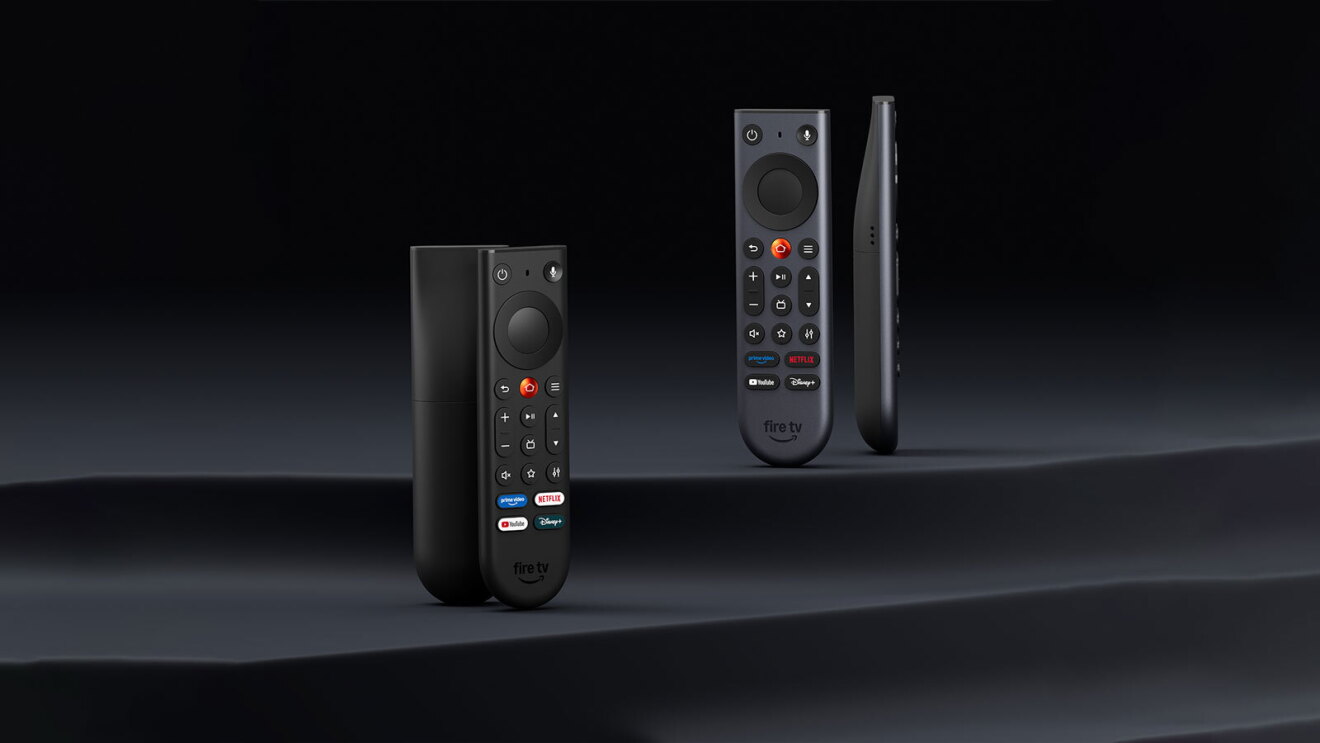
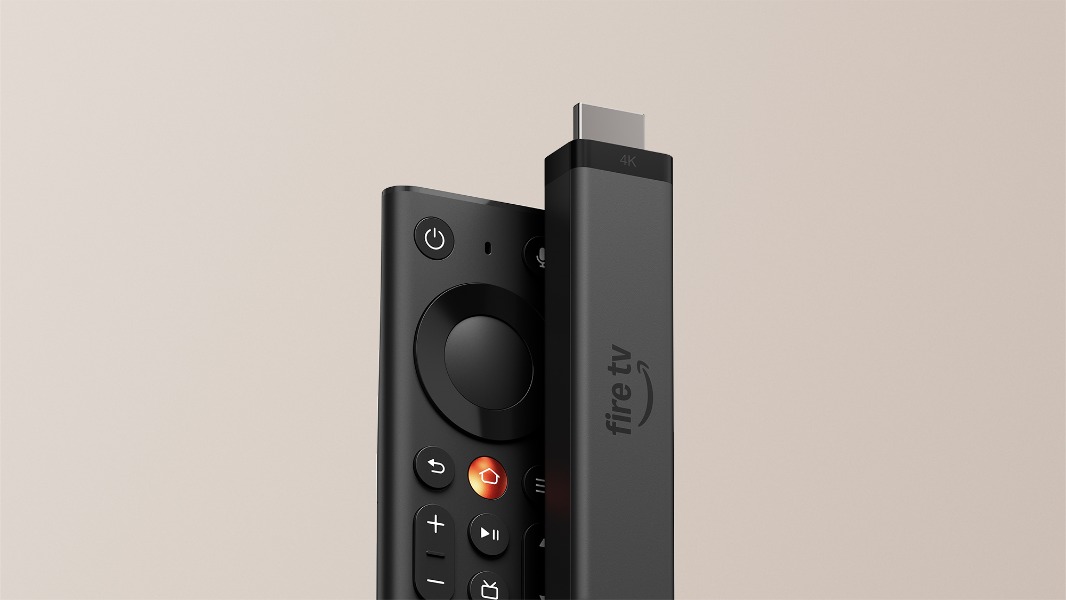
- Redesigned Remote: A new asymmetric, tactile remote features a customizable “star button” and a metallic home button for easier use in the dark.
- Aggressive Pricing: While retailing for $59.99, the device will be available for $29.99 during the upcoming Prime Big Deal Days in October.
- The Home Button: Now features a distinct metal surface, making it easily identifiable without sight.
- The Star Button: Previously a premium feature, this customizable button is now included on the standard remote, allowing users to program shortcuts to specific apps or settings like closed captioning.
- Shape-Coded Buttons: Other critical buttons, such as power and the microphone, have unique indentations or shapes to aid in “blind” operation.
- October 6-7, 2026: The Prime Big Deal Days event begins in the US, offering the Fire TV Stick 4K at its lowest price point of $29.99.
- Late October 2026: Shipping is expected to commence for the standalone Fire TV Remote for customers who purchase it separately.
- November 2026: The rollout of the new Alexa+ hub and enhanced software features for Fire TV users is scheduled to begin.
- Early 2027: The anticipated launch of the premium Fire TV Remote Plus, which will introduce aluminum construction and backlit buttons.
- www.aboutamazon.com
- finance.biggo.com
- thenextweb.com
- www.thurrott.com
- www.engadget.com
What Happened: A New Generation of Fire TV
On September 30, 2026, Amazon unveiled its latest hardware refresh, headlined by the Fire TV Stick 4K. This launch comes just ahead of the company’s October Prime Big Deal Days, a move clearly designed to capture market share through aggressive promotional pricing. According to company announcements, the new hardware is part of a “new generation of Fire TV hardware” that began earlier this year with the release of the Fire TV Stick HD.
Alongside the streaming stick, Amazon also introduced a completely redesigned Fire TV Remote. This new controller aims to solve long-standing user frustrations regarding “blind navigation” by using an asymmetric shape and specialized tactile buttons. To support this new hardware, Amazon is also rolling out Alexa+, a next-generation AI assistant that moves beyond simple voice commands into the realm of complex reasoning and contextual understanding.
Why It Matters: The Battle for the Living Room
This update is significant because it signals Amazon’s departure from the open-ended nature of the Android ecosystem in favor of a more controlled, proprietary environment. By moving to the Amazon Vega OS, the company is attempting to create a seamless, high-performance loop between its hardware, its streaming services, and its advanced AI, Alexa+.
For consumers, the immediate impact is a perceived increase in speed and responsiveness. Amazon reports that the new Fire TV Stick 4K turns on faster, apps launch over 35% faster, and content begins playing nearly 20% faster than previous models. However, for power users and tech enthusiasts, the shift is more controversial. The move to Vega OS effectively eliminates the ability to “sideload” applications—installing software from sources outside the official Amazon Appstore—which has been a hallmark of Android-based streaming devices.
Deep-Dive: Hardware, Software, and the Vega OS Pivot
The Hardware Specifications
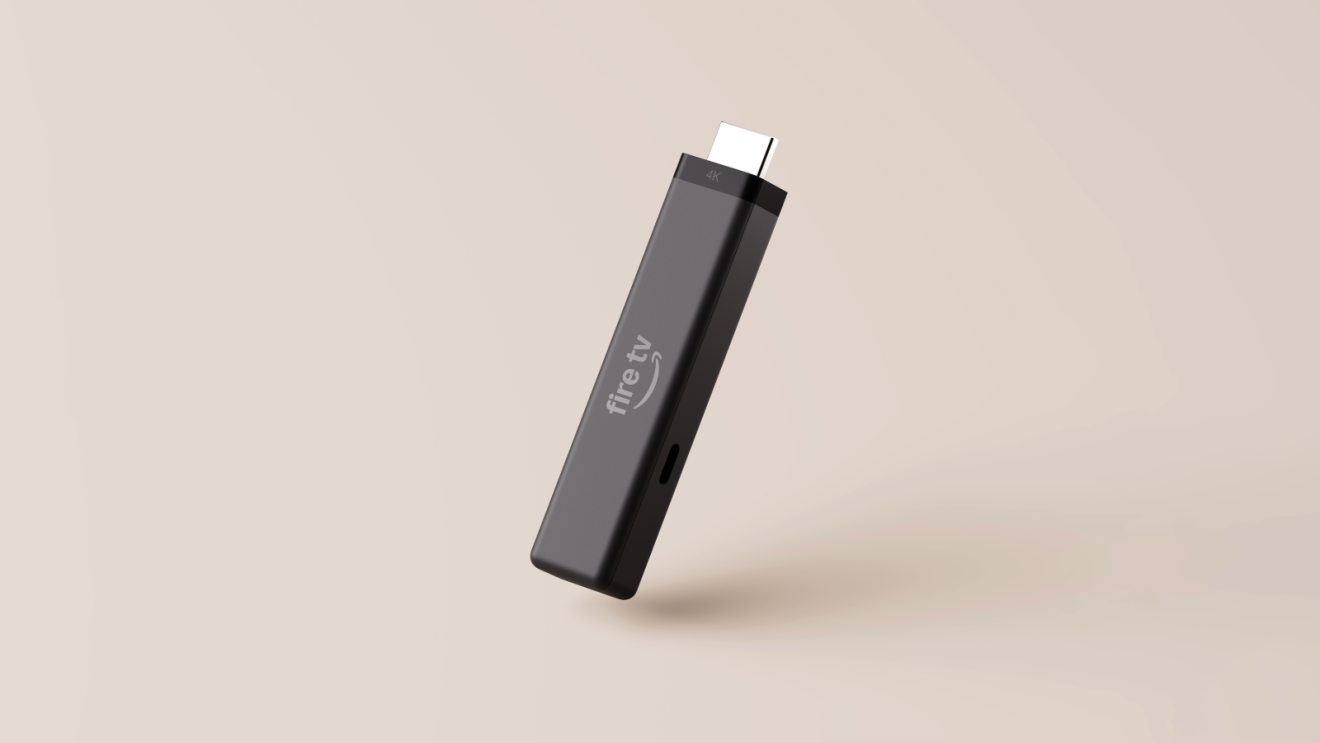
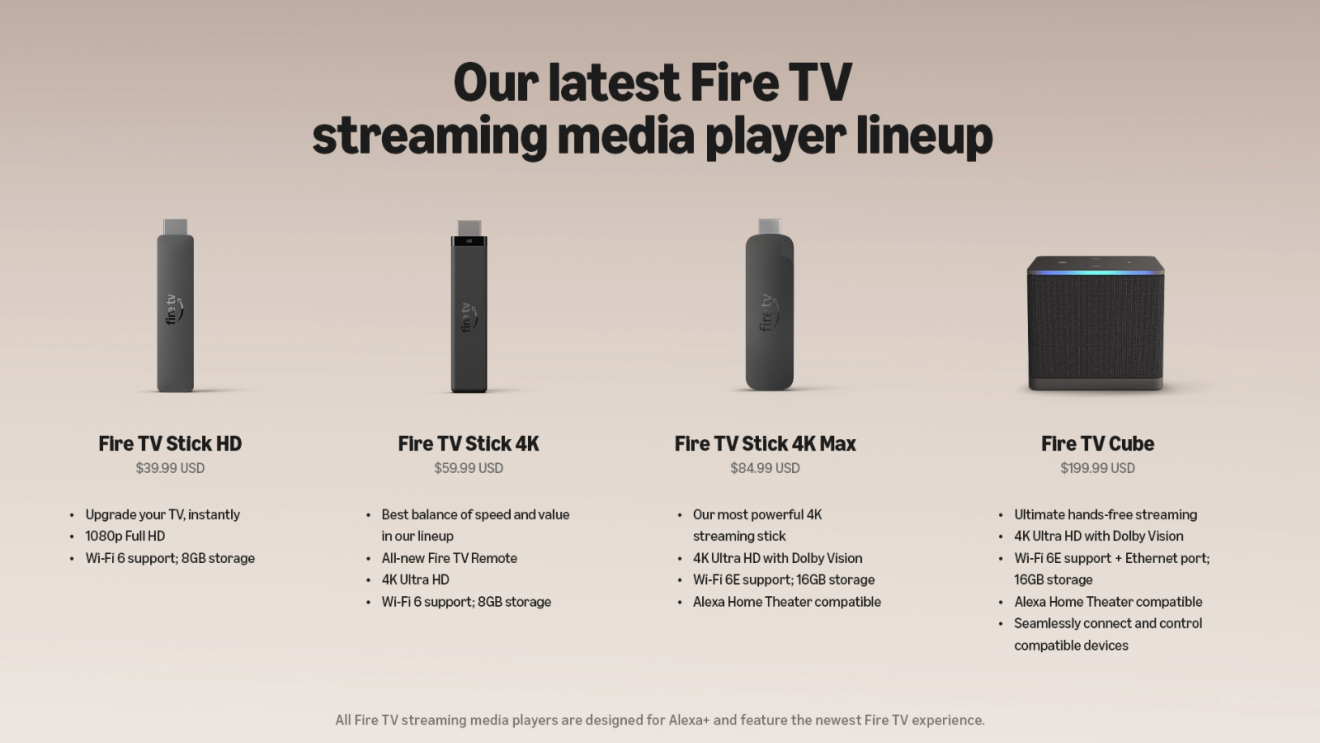
The new Fire TV Stick 4K is designed for efficiency and high-speed streaming. It features a quad-core 1.7GHz processor and 8GB of built-in storage. Connectivity has also been modernized, with support for Wi-Fi 6 and Bluetooth 5.3 (including Low Energy support).
One notable design change is its slimmer form factor, which mirrors the Fire TV Stick HD released in April. This design allows for more discreet installation behind televisions. Furthermore, Amazon has included a “Direct Power” option, allowing the stick to draw power directly from a TV’s USB port, which helps reduce cable clutter in home theater setups.
| Feature | Fire TV Stick HD | Fire TV Stick 4K | Fire TV Stick 4K Max |
|---|---|---|---|
| Resolution | 1080p | 2160p (4K) | 2160p (4K) |
| Processor | – | Quad-core 1.7GHz | – |
| Storage | – | 8GB | – |
| HDR Support | – | HDR10+, AV1 | Dolby Vision, Dolby Atmos |
| Operating System | Vega | Vega | Vega |
Note: While the new 4K model supports HDR10+ and the AV1 codec, it notably lacks the Dolby Vision support found in the higher-tier 4K Max model.
The Vega OS and the Sideloading Controversy
The most profound change is the transition from Android to the Amazon Vega OS. While Amazon has publicly stated that this move provides “flexibility” and is intended to “support creators and protect customers” from malware and fraud associated with piracy, industry analysts have noted a different strategic motivation.
Reports from The Next Web suggest that by moving to a proprietary OS, Amazon can navigate around the European Union’s Digital Markets Act (DMA). Under the DMA, designated “gatekeepers” like Apple and Google are required to allow third-party app stores and sideloading on their operating systems. However, while Amazon is a designated gatekeeper for its Marketplace and Advertising services, its operating system is not currently subject to these specific mandates. This allows Amazon to maintain a closed ecosystem—restricting software to its own store—while its competitors are legally forced to open theirs.
Alexa+ and the Era of Reasoning AI
Software-wise, the Fire TV experience is being rebuilt around Alexa+. Unlike standard voice assistants that follow rigid command structures, Alexa+ is designed with “reasoning capabilities.” This means the assistant can process multi-layered, conversational queries by drawing on a user’s watch history, current subscriptions, and even real-world context.
According to reports from BigGo Finance, the new integration allows for highly advanced interactions. For example, a user could ask, “Alexa, find shows that were nominated for the recent Emmys but got snubbed,” or “show me MCU films based on their in-universe timeline order.” The mobile app has also been enhanced, allowing users to share article links with Alexa+, which will then automatically add mentioned titles to a user’s watchlist.
The Redesigned Remote: Tactile Navigation
Amazon has clearly listened to feedback regarding the difficulty of using remotes in low-light environments. The new Fire TV Remote abandons the traditional, uniform design for an asymmetric layout. The top edge is flat and straight, while the bottom is curved and weighted, allowing users to identify the orientation of the remote by touch alone.
Key tactile improvements include:
Amazon has also teased a more premium Fire TV Remote Plus, expected to arrive as early as next year (though some reports suggest 2027). This model will reportedly feature an aluminum housing, backlit buttons, and support for a “Find My Remote” feature via Echo devices.
What It Means for You
If you are a budget-conscious streamer…
Expect significant value during the upcoming Prime Big Deal Days (October 6-7). At a promotional price of $29.99, the new Fire TV Stick 4K offers a high-performance entry point into the 4K ecosystem that is difficult to match.
If you are a tech enthusiast or power user…
Be prepared for a more restricted experience. The loss of sideloading capabilities means you will be limited to the apps available in the Amazon Appstore. If your streaming setup relies on niche, third-party applications or custom media players not officially supported by Amazon, you may find the Vega OS limiting.
If you are a home theater enthusiast…
If you demand the highest possible visual fidelity, including Dolby Vision, you should continue to look toward the Fire TV Stick 4K Max. The new standard 4K model, while fast, does not support the Dolby Vision HDR standard.
Counterpoints and Open Questions
While Amazon’s claims of increased speed are compelling, the company has not released the specific testing methodology used to arrive at the “20% to 40% faster” figure. Without transparent data, it remains difficult for independent reviewers to verify if these gains are felt in real-world usage or if they primarily apply to specific, controlled benchmarks.
Furthermore, the tension between security and user freedom remains an open question. Amazon argues that a closed system protects users from malware, but critics argue this is a move toward greater platform monopoly. As the EU continues to evaluate whether Amazon’s other services (like AWS or Azure) meet the “gatekeeper” threshold, the legal landscape for the Vega OS remains in flux.
What Happens Next
Several key milestones are on the horizon for the Fire TV ecosystem:
Frequently Asked Questions
Does the new Fire TV Stick 4K support Dolby Vision?
No. While the new Fire TV Stick 4K supports HDR10+ and the AV1 codec, it does not support Dolby Vision. If Dolby Vision is a requirement for your home theater setup, Amazon recommends the higher-end Fire TV Stick 4K Max.
Can I still sideload apps on the new Fire TV Stick 4K?
With the transition to the Amazon Vega OS, the ability to sideload applications from outside the official Amazon Appstore has been removed. Amazon states this change was made to enhance security and protect users from malware, though it effectively creates a more closed ecosystem.
How much does the new Fire TV Remote cost?
The redesigned Fire TV Remote is available for purchase separately for $14.99 in the United States. It is compatible with all Fire TV streaming media players launched from 2019 onwards, as well as Amazon Ember TVs.
What is Alexa+ and how is it different?
Alexa+ is an upgraded version of Amazon’s AI assistant that features enhanced “reasoning” capabilities. Unlike standard voice assistants, Alexa+ can handle complex, multi-part requests and can draw on your personal watch history and subscriptions to provide more contextual and conversational answers to your queries.
Amazon’s launch of the Fire TV Stick 4K and its accompanying remote marks a definitive move toward a more integrated, AI-driven, and proprietary streaming experience
References
Featured image: Image via Amazon News



One thought on “New Fire TV Stick 4K Explained: Amazon’s AI-Driven Shift”