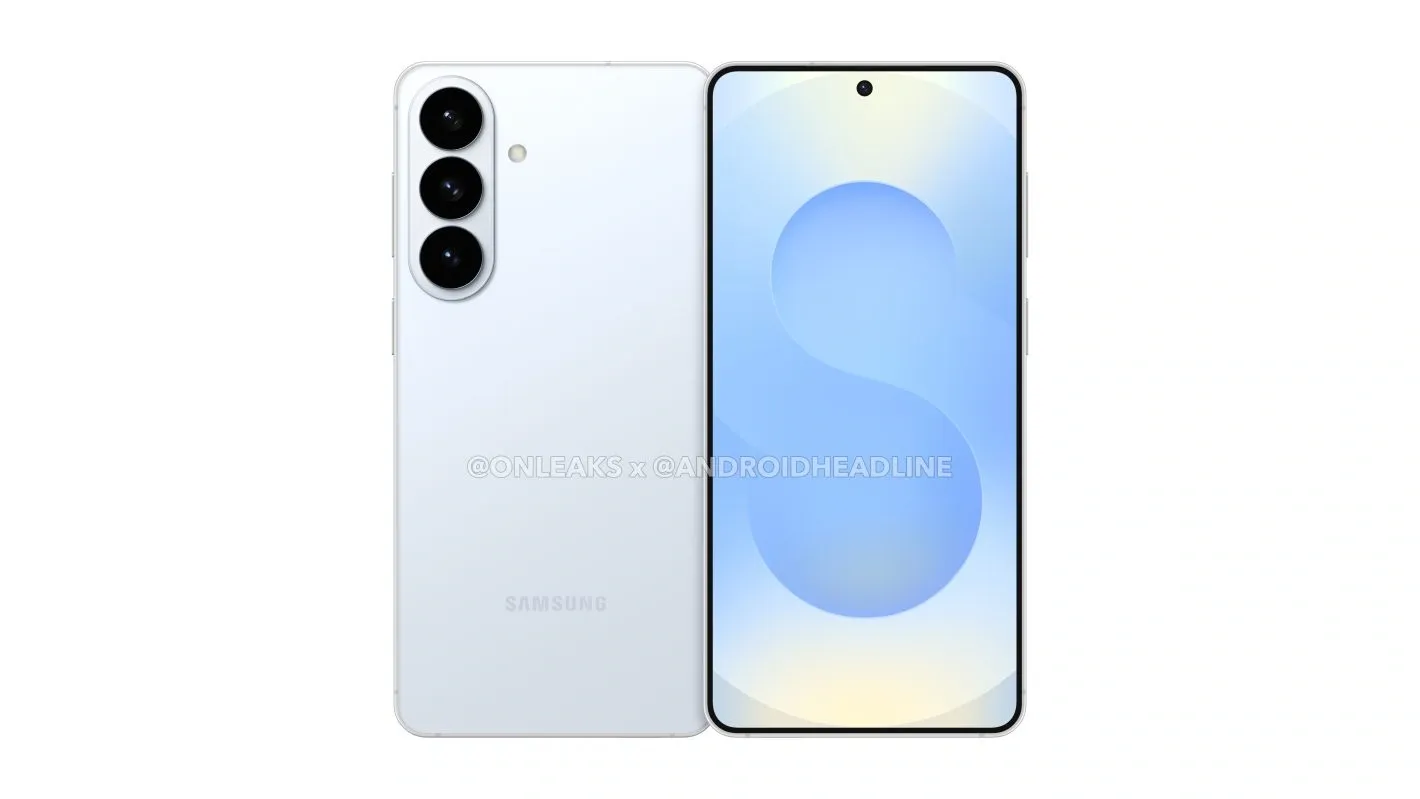
The samsung galaxy S27 series is poised to undergo a significant structural overhaul as rumors emerge of a new “Pro” model designed to bridge the existing gap between the Plus and Ultra tiers. According to recent leaks and industry analysis, Samsung is moving away from the experimental thin-form-factor models that characterized 2025, opting instead to consolidate its high-end hardware into a more cohesive four-tier lineup for 2027.
Key Takeaways
- New Tier Introduced: A rumored “Galaxy S27 Pro” may sit between the Plus and Ultra models, potentially sharing design elements with the Ultra.
- Strategic Pivot: The reported cancellation of the Galaxy S26 Edge suggests Samsung is abandoning standalone ultra-thin models in favor of integrating that technology into existing tiers.
- battery Innovation: Rumors suggest the S27 Pro could feature a larger battery than the Plus model despite having a smaller physical footprint.
- Hardware Upgrades: The base S27 is expected to feature a 2nm processor and a unified triple 50MP camera array.
- AI Expansion: Samsung’s AI ecosystem is expected to expand beyond Bixby to include Google Gemini and Perplexity AI.
- If you are a compact phone enthusiast: The Galaxy S27 Pro could be your ideal device. It promises the power and camera capabilities of the Ultra without the massive footprint, potentially solving the “small phone, bad battery” problem that has historically plagued the market.
- If you are a power user: The shift to 2nm architecture and the potential for silicon-carbon batteries mean you can expect more screen-on time and better thermal performance, even when using the device for heavy multitasking or high-end mobile gaming.
- If you are a budget-conscious flagship buyer: The rumors of a unified 50MP triple-camera array across the S27 base model suggest that even the entry-level flagship will be more capable than ever, reducing the need to overspend on the Ultra to get a “pro” camera experience.
- Late 2026: Expect more concrete leaks regarding the specific battery capacities and the exact dimensions of the Pro model.
- January or February 2027: Samsung is expected to officially unveil the series at a Galaxy Unpacked event. This will be the moment to confirm whether the Pro model exists and what its official price point will be.
- Pre-order Window: Typically following the Unpacked event, pre-orders will reveal the final regional processor configurations (Exynos vs. Snapdragon).
- www.androidcentral.com
- www.sammobile.com
- www.sammobile.com
What Happened
As Samsung prepares for its early 2027 flagship launch, a series of leaks from SamMobile and reports from Android Central have painted a picture of a company in the midst of a major strategic realignment. The traditional three-tier hierarchy—comprising the Base, Plus, and Ultra models—is expected to expand. The centerpiece of this change is the rumored Galaxy S27 Pro.
According to SamMobile, the 2027 lineup will likely consist of the Galaxy S27, the Galaxy S27+, the Galaxy S27 Ultra, and the new Galaxy S27 Pro. While early speculation suggested the Pro model would be a mid-tier device positioned between the Base and Plus models due to its rumored smaller screen size, newer reports suggest a more premium positioning. Specifically, the S27 Pro may pack a larger battery than the S27+ despite its more compact dimensions, a feat that would align it more closely with the Ultra’s performance profile.
This shift follows the reported failure of the Galaxy S25 Edge. Introduced in 2025 as a slim competitor to Apple’s rumored “iPhone Air,” the S25 Edge struggled with hardware compromises. Android Central reports that to maintain its ultra-thin profile, the device suffered from slower charging speeds and a battery capacity smaller than even the base Galaxy S25. Consequently, an independent source has indicated that the Galaxy S26 Edge has been canceled, marking the end of Samsung’s attempt to market a dedicated ultra-thin slab.
Why It Matters
This strategic shift is critical because it addresses the “middle child” problem that has long plagued Samsung’s flagship lineup. For years, the Galaxy S “Plus” model has struggled to justify its existence.
Anshel Sag, Principal Analyst at Moor Insights & Strategy, noted to Android Central that the Plus model has historically performed the worst compared to the base and flagship models. Currently, the $200 price premium for the S25 Plus ($999) over the S25 Base ($799) is often viewed by consumers as difficult to justify when the Ultra model offers such a massive leap in features.
By introducing a Pro model—or by infusing the Plus model with “Edge DNA”—Samsung is attempting to create a more logical ladder of value. If the S27 Pro can offer Ultra-adjacent features (such as advanced camera housings or superior battery technology) in a more compact form factor, Samsung can capture a segment of users who find the Ultra too large but find the Plus insufficiently upgraded.
The Technical Evolution: 2nm Chips and Silicon-Carbon Batteries
To achieve the density required for a “Pro” model that is both slim and powerful, Samsung is looking toward two major technological pillars: 2nm semiconductor manufacturing and silicon-carbon battery chemistry.
The 2nm Advantage
Both the in-house Exynos 2700 and the Qualcomm Snapdragon 8 Elite Gen 6 Pro for Galaxy are expected to be built on a 2nm process. This leap in manufacturing is essential for the S27 series, as it promises significant gains in power efficiency and thermal management. For the consumer, this means the Galaxy S27 series could potentially offer longer battery life and higher sustained performance during intensive tasks like gaming or AI processing, without increasing the physical size of the device.
Solving the Battery Dilemma
One of the most controversial rumors involves the S27 Pro’s battery. The idea of a smaller phone having a larger battery than its larger sibling is technically difficult. However, industry analysts suggest that the transition to silicon-carbon battery technology may make this possible.
Unlike traditional lithium-ion batteries, silicon-carbon anodes allow for much higher energy density. This technology was a key benchmark in the Honor Magic 8 Pro Air, which maintained a mere 6.1mm thickness while housing a substantial 5,500mAh battery. If Samsung adopts this technology for the S27 Pro, it could finally resolve the trade-off between thinness and longevity that hindered the S25 Edge.
| Feature | Galaxy S25 Base | Galaxy S25 Plus | Galaxy S25 Edge | Honor Magic 8 Pro Air | Projected Galaxy S27 Pro |
|---|---|---|---|---|---|
| Price | $799 | $999 | Premium (unspecified) | Unspecified | Unspecified |
| Primary Camera | Standard | Standard | 200MP | Triple Camera System | High-Res (Rumored) |
| Battery | Standard | Larger | Smaller than Base | 5,500mAh | Larger than Plus |
| Charging | Standard | Faster | Slower than Base | Unspecified | Fast |
| Profile | Standard | Large/Standard | Ultra-thin | 6.1mm (Ultra-thin) | Compact/Premium |

Deep Dive: A New Design Language
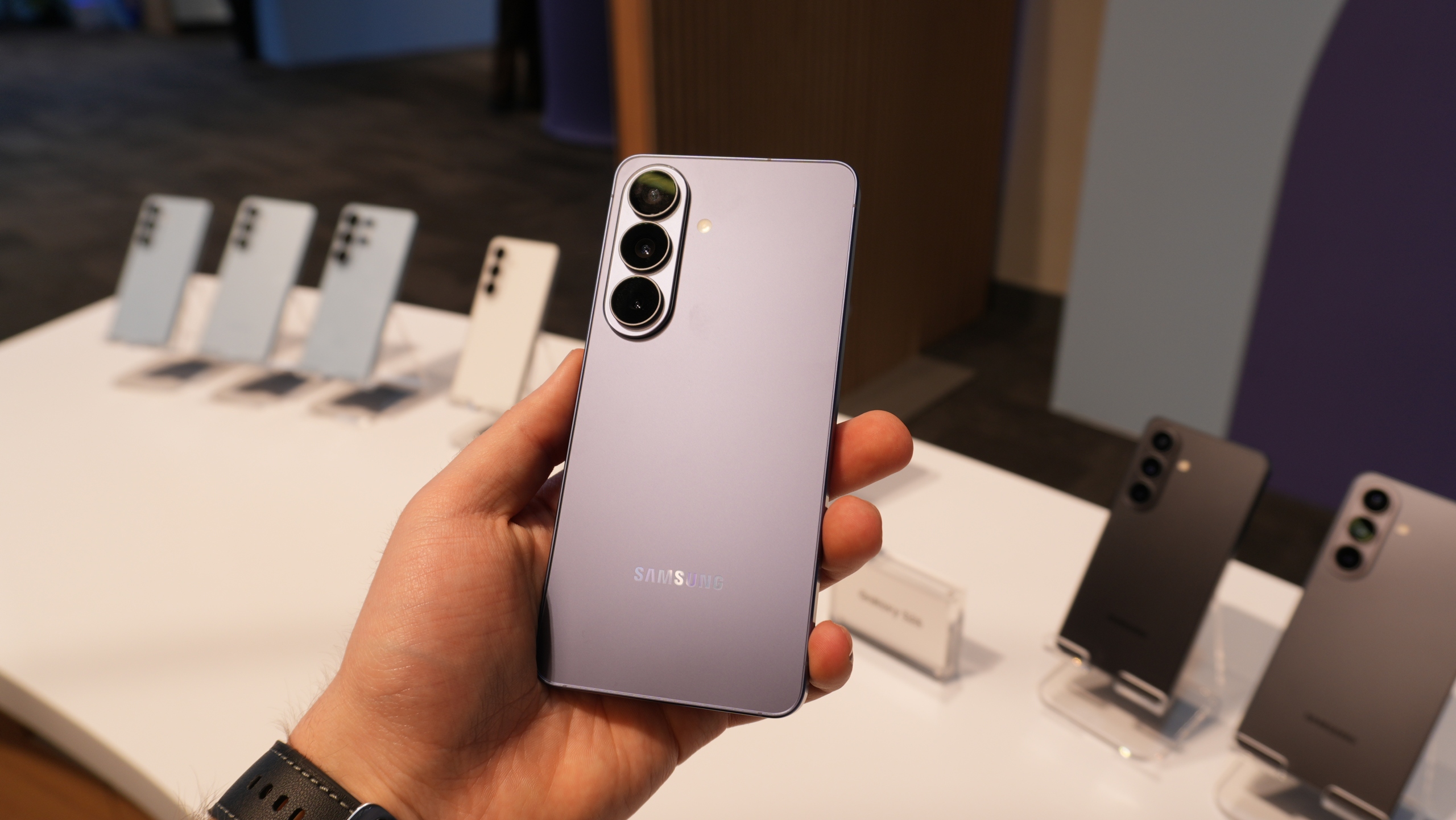
Beyond the internal hardware, the S27 series is rumored to feature a visual departure from the design language used since the Galaxy S23. SamMobile reports that while the base and Plus models may retain a traditional vertical camera layout, the Pro and Ultra models might share a new, unified camera housing design. This housing could span almost the entire width of the rear of the phone, creating a more distinctive, premium aesthetic that separates the high-end models from the entry-level flagships.
The AI Ecosystem: Beyond Bixby
Samsung is also moving to win the “intelligence war” by diversifying its AI offerings. Rather than relying solely on Bixby, the Galaxy S27 is expected to arrive with a multi-assistant ecosystem. This includes Google Gemini and Perplexity AI, allowing users to toggle between different AI personalities and capabilities via separate hotwords.
New features like “Now Brief” (for proactive, contextual suggestions) and “Now Nudges” (for surfacing relevant information) suggest that Samsung is moving toward an OS that doesn’t just respond to commands but anticipates user needs. This level of integration is intended to make the Galaxy S27 series feel fundamentally different from its predecessors, moving the competition from hardware specs to software intelligence.
What It Means for You
How these changes affect you depends on your current smartphone habits:
Counterpoints and Open Questions
Despite the excitement, there are significant risks and unanswered questions regarding Samsung’s new direction.
The Risk of Regional Fragmentation
A recurring issue for Samsung is the split between the Exynos and Snapdragon processors. While the S27 is expected to use Snapdragon in North America and China, the rest of the world may receive Exynos. This often leads to discrepancies in performance, battery efficiency, and even modem capabilities, which can frustrate a global user base.
The “Style Over Substance” Trap
As Anshel Sag pointed out regarding the S25 Edge, consumers are wary of devices that sacrifice essential functions like battery life and charging speed for the sake of aesthetics. If the S27 Pro’s rumored battery capacity does not materialize, or if the new camera housing design compromises durability, Samsung risks repeating the mistakes of the Edge line.
Unconfirmed Specifications
It is important to note that much of the S27 Pro’s identity remains speculative. The claim that a smaller device can house a larger battery than a larger device is highly unconventional and requires independent verification through official Samsung technical whitepapers once they become available.

What Happens Next
To track the development of the Galaxy S27 series, keep an eye on the following milestones:
Frequently Asked Questions
What is the rumored Galaxy S27 Pro?
The Galaxy S27 Pro is a rumored fourth tier in Samsung’s 2027 flagship lineup. It is expected to sit between the Galaxy S27 Plus and the Galaxy S27 Ultra, offering a more premium experience—including potentially better cameras and battery technology—in a more compact form factor than the Plus model.
Why was the Galaxy S26 Edge reportedly canceled?
According to reports from Android Central, the S26 Edge was canceled because the predecessor, the S25 Edge, failed to meet sales expectations. The S25 Edge was criticized for making too many hardware compromises, such as slower charging and smaller batteries, to achieve its ultra-thin design.
Will the Galaxy S27 have better AI features?
Yes. The Galaxy S27 is expected to feature an expanded AI ecosystem. This includes not only Samsung’s native Galaxy AI but also integrated support for Google Gemini and Perplexity AI, alongside new proactive features like “Now Brief” and “Now Nudges.”
When will the Samsung Galaxy S27 series be released?
While nothing is official, Samsung traditionally announces its flagship S-series during a Galaxy Unpacked event in January or February. Following the announcement, the devices typically arrive on retail shelves approximately two weeks later.
Samsung’s move toward a four-tier lineup with the Samsung Galaxy S27 series represents a calculated attempt to fix the structural weaknesses of its current flagship strategy
References
Featured image: Image via Android Central