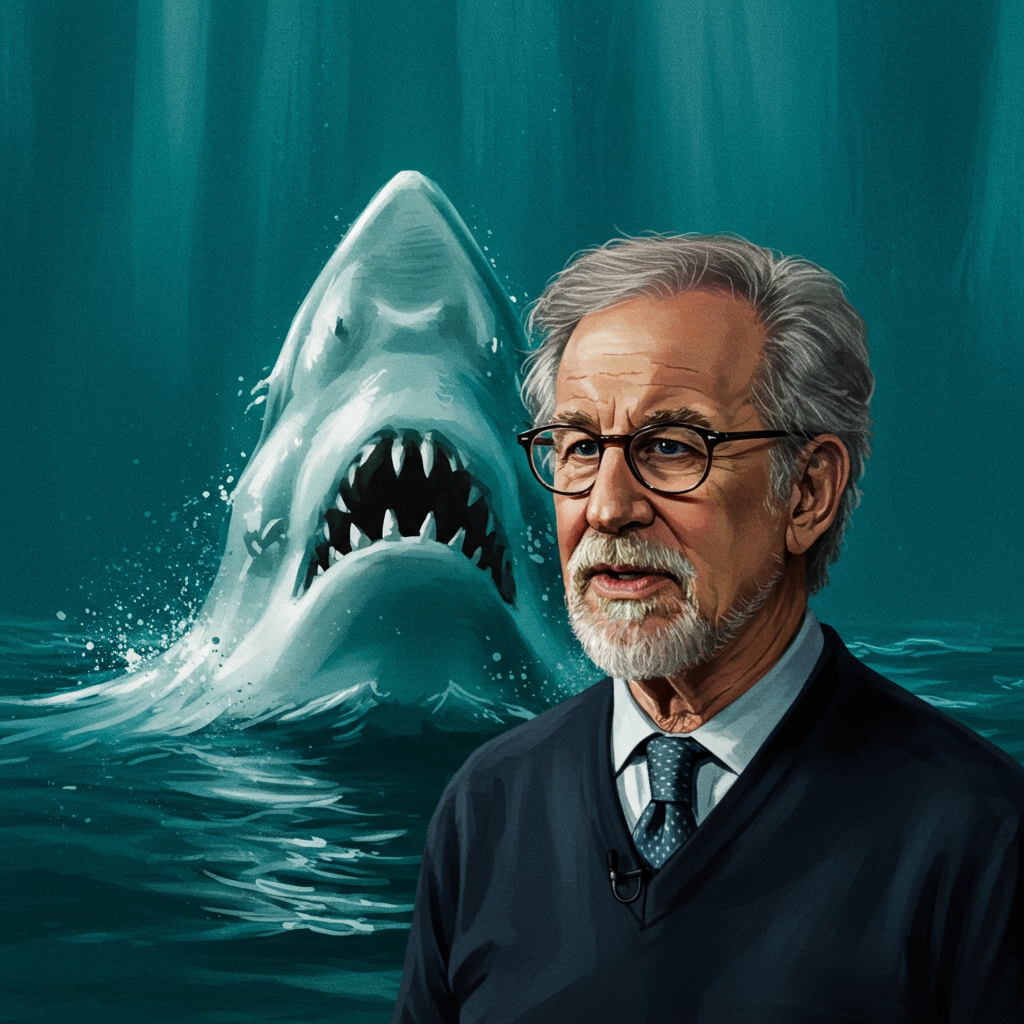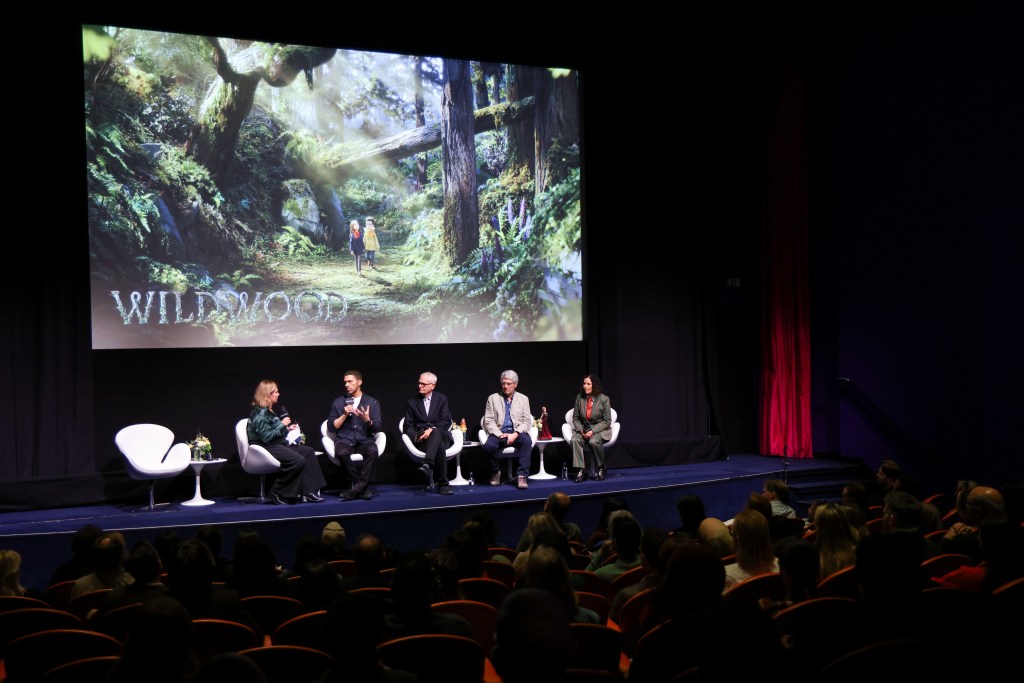
The long-awaited Laika wildwood film is finally moving toward its public debut, marking the end of a production cycle that has spanned more than a decade and a half. Following a detailed presentation at Deadline’s “Contenders London” event on October 10, 2026, director Travis knight revealed the immense scale and emotional weight of the studio’s most ambitious project to date.
Key Takeaways
- Extensive Timeline: The production of the film has spanned 16 years, beginning around the time of Barack Obama’s first presidential term.
- Thematic Maturity: In a significant departure from its family-friendly roots, the film carries a PG-13 rating to explore complex themes of grief and loss.
- Technical Rigor: The stop-motion animation process remains a grueling, manual method that Knight describes as both “painful” and uniquely beautiful.
- Creative Pedigree: The project features a high-profile team, including cinematographer Caleb Deschanel and lead voice talent Carey Mulligan.
- Upcoming Release: The film is scheduled to make its first major appearance at AFI Fest 2026.
- deadline.com
- www.theverge.com
What Happened: A Generational Production
During the “Contenders London” event held in October 2026, Travis Knight, the CEO and director of Laika, provided a rare glimpse into the mechanics of the Laika Wildwood film. What emerged was a story not just of animation, but of extreme professional endurance. According to Knight, the project has been in development for 16 years, a timeline that places its inception back in the early 2010s during the first term of the Obama administration.
Knight, who has been working on the project in various capacities since optioning the rights to Colin Meloy’s 2011 novel, explained that the delay was not due to a lack of momentum, but rather the sheer complexity of the medium. The film is based on the celebrated Wildwood book series, and Knight has expressed a personal, profound connection to the source material, noting that the story’s exploration of love and loss required a level of care that could not be rushed.
Why It Matters: The Evolution of Laika
For years, Laika has been synonymous with high-quality, family-oriented stop-motion animation, such as Coraline. However, the Laika Wildwood film represents a strategic and creative pivot for the studio. The decision to pursue a PG-13 rating is a calculated move to engage with more sophisticated, mature audiences.
This shift is significant for several reasons. First, it challenges the industry assumption that stop-motion is a medium strictly for children. Second, it allows the studio to tackle “difficult feelings” that are often sanitized in mainstream animation. Knight noted that the film aims to provide a “prism” for young audiences to process real-world emotions like loneliness, fear, and powerlessness. By moving into the PG-13 space, Laika is positioning itself as a producer of prestige animation that can compete with live-action dramas in terms of thematic depth.
The Stop-Motion Animation Process: Beauty Through Pain
The technical execution of the film is perhaps its most daunting aspect. Unlike digital animation, which relies on computer-generated imagery (CGI) and algorithms, the stop-motion animation process requires physical, microscopic adjustments to puppets and sets.
Knight offered a visceral description of this labor, telling Deadline that the process involves building thousands of tiny animations by moving objects a microscopic distance, taking a photo, and repeating the cycle. He joked that the process is so demanding it could theoretically lead to “society collapsing” before a film is finished. Despite calling it “the absolute worst way” to make a movie due to the physical and mental toll on the crew, Knight defended the medium’s tactile quality.
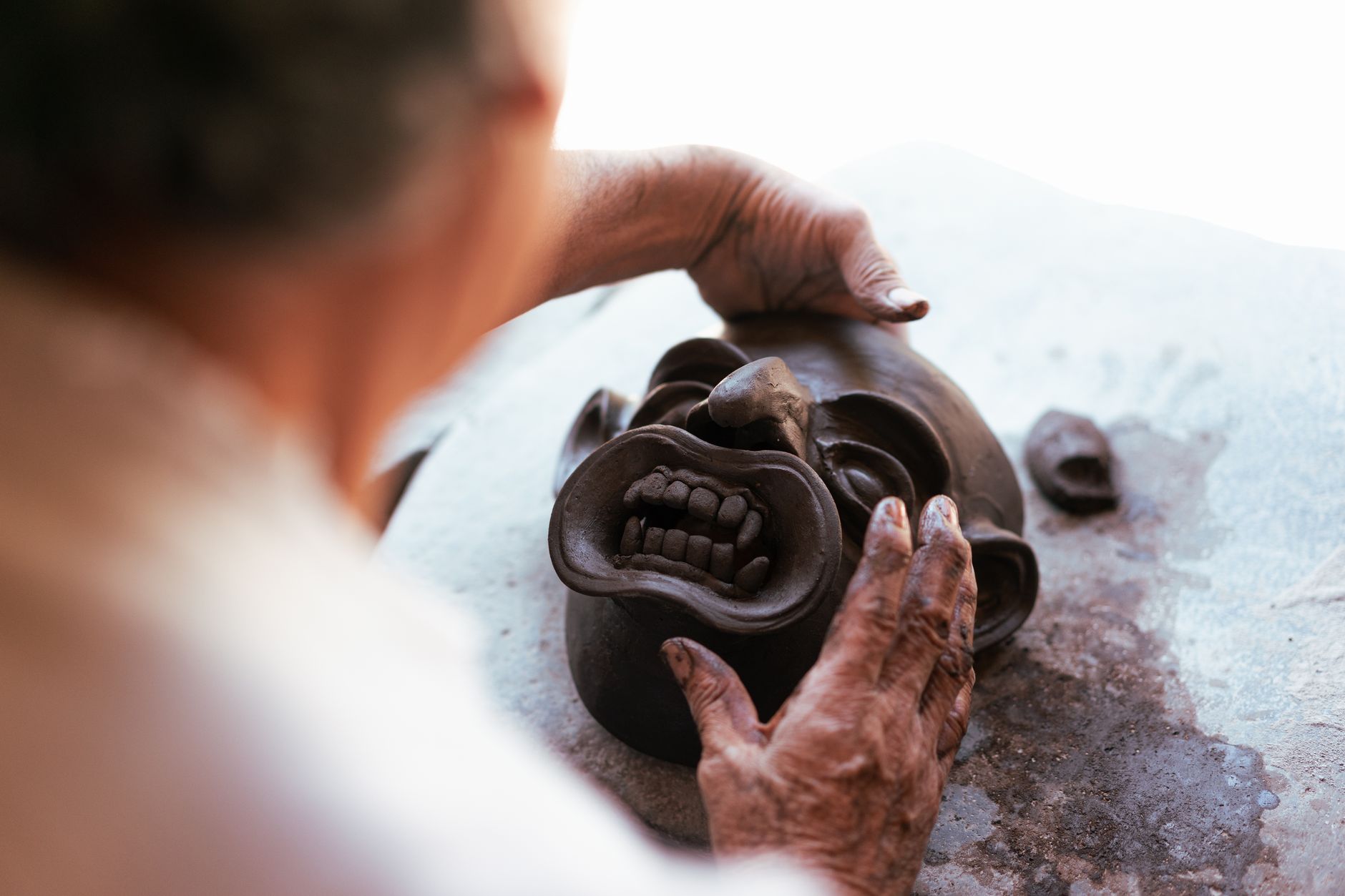
“I am a firm believer of the notion that the process of creating art leaves fingerprints on the art itself,” Knight stated. This “fingerprint” is the visible evidence of human devotion—the slight imperfections and handcrafted textures that give stop-motion a soul that digital counterparts often struggle to replicate.
Production Timeline and Milestones
| Milestone | Year/Period | Details |
|---|---|---|
| Novel Publication | 2011 | Wildwood by Colin Meloy is published. |
| Rights Acquisition | 2011 | Travis Knight options the rights for Laika. |
| Production Start | ~2011 | Work begins during Barack Obama’s first term. |
| London Event | October 10, 2026 | Knight details the film at Deadline’s Contenders. |
| Film Debut | 2026 | The film is set to open at AFI Fest. |
Key Figures and Creative Collaborators
The scale of the Laika Wildwood film is further evidenced by its veteran creative team. The studio has assembled a group of industry heavyweights to ensure the film meets its ambitious goals.
Caleb Deschanel (Cinematographer): A legendary figure in Hollywood, Deschanel has worked on iconic films such as The Godfather and Titanic. Deschanel noted that even with his extensive experience in live-action, the complexity of stop-motion was unexpected. “When I started I thought it was one thing, and then I quickly found out that it was another thing,” he remarked.
Carey Mulligan (Voice Cast): The acclaimed actress leads the voice cast, bringing a level of dramatic weight to the production.
Dario Marianelli (Composer): A veteran composer tasked with creating the film’s auditory landscape.
Deb Cook (Costume Designer): Responsible for the intricate, handcrafted clothing of the characters.
Thematic Depth: Confronting Grief and Loss
At its core, the film is an exploration of the human condition. While the setting involves magical realms and epic battle scenes—including a recurring motif involving the “murder” of vicious crows—the emotional anchor is the experience of grief.
Knight emphasized that the film does not shy away from the heavy realities of life. By utilizing a fantasy setting, the filmmakers can explore existential questions about the cost of love and the necessity of letting go. However, Knight was careful to note that the narrative is not purely dark. He explained that while the film navigates through profound sadness, it eventually arrives at a “light and joyful place”—though he stressed that this joy is “earned” through the struggle of the characters.
What It Means for You
For Animation Enthusiasts
If you are a fan of the medium, expect a return to highly tactile, handcrafted aesthetics. The Laika Wildwood film serves as a testament to the endurance of physical animation in an increasingly digital age. It promises a visual experience that feels “real” in a way that CGI cannot easily mimic.
For Parents and Young Viewers
Because of the Laika PG-13 rating, parents should be aware that this is not a standard children’s movie. While it remains a fantasy adventure, the themes of loneliness and powerlessness are handled with a level of sophistication intended for older children and adults. It is a film designed to respect the intelligence and emotional complexity of its audience.
For Industry Professionals
For those in the film and animation business, Laika’s move suggests a growing market for “prestige animation.” The success or failure of Wildwood could influence how other studios approach non-family-centric animated features.
Counterpoints and Open Questions
While the enthusiasm surrounding the project is high, several questions remain. The primary risk lies in the PG-13 rating. Can a studio known for family content successfully transition to a more mature demographic without alienating its core audience? There is always a tension between maintaining a brand identity and evolving it.
Additionally, the sheer length of the production cycle—16 years—raises questions about the sustainability of such a model. In a modern film industry driven by rapid releases and streaming cycles, can a studio survive the decade-long wait required for a single masterpiece? There is also the question of whether the “fingerprints” of the artists, while beautiful, might be perceived as technical limitations by audiences accustomed to the seamless perfection of high-budget CGI.
Frequently Asked Questions
Why did the production of Wildwood take 16 years?
The production of the Laika Wildwood film took 16 years due to the extremely labor-intensive nature of stop-motion animation. Unlike digital animation, every frame requires physical movement of puppets and sets by hand. Director Travis Knight noted that the project began around the time of Barack Obama’s first term and has been a gradual, meticulous process of building thousands of tiny animations.
Is the Laika Wildwood film appropriate for children?
The film has been given a PG-13 rating, which is a departure from Laika’s previous family-oriented films. This rating was a deliberate choice to allow the filmmakers to explore sophisticated and heavy themes such as grief, loss, and fear. While it is a fantasy adventure, parents should expect a more mature emotional tone than is typically found in children’s animation.
What is the story of Wildwood about?
Based on the 2011 novel by Colin Meloy, the film is set in a fantasy world involving magical realms and epic battles. While it features adventure and fantastical elements, the narrative focuses heavily on the emotional complexities of love, loss, and the difficult feelings experienced by young people, such as loneliness and powerlessness.
When will the movie be released?
The film is scheduled to make its first major appearance at AFI Fest 2026. A wider theatrical release date has not yet been confirmed, but the festival appearance will serve as a key indicator of its critical reception.
What Happens Next
The immediate catalyst to watch is the film’s premiere at AFI Fest 2026. This will provide the first real opportunity for critics and audiences to evaluate whether Laika’s 16-year investment and its pivot to more mature storytelling have successfully landed. Following the festival, industry analysts will be looking for news regarding a wide theatrical release and how the film performs with both traditional animation fans and the new, more mature demographic Laika is targeting.
References
Featured image: Image via Deadline