The discovery of the Dianjunus rex fungus in the forests of China’s Yunnan province has revealed a massive new species that challenges previous understandings of fungal size and evolutionary history within its phylum.
Key Takeaways
- Unprecedented Size: Dianjunus rex features reproductive structures, or stromata, that can reach 20 inches (50 centimeters) in height and weigh nearly 5 pounds (2.2 kilograms).
- New Biological Family: The species belongs to the newly identified Dianjunaceae family, which likely emerged following the Cretaceous-Paleogene extinction event.
- Phylum Record-Breaker: It is the largest known member of the Ascomycota phylum, a group that typically contains much smaller organisms like yeasts and morels.
- Evolutionary Context: Researchers suggest the fungus evolved to exploit the massive amounts of decaying organic matter left in the wake of the dinosaur extinction.
- Location of Discovery: The fungus was recorded during fungal diversity surveys in southwestern China between 2024 and 2025.
- For Conservationists and Environmentalists: This find underscores the critical need to protect high-biodiversity regions like Yunnan. If a fungus as large and distinct as D. rex has gone unnoticed until recently, it suggests that many more significant species may be at risk of extinction before they are even discovered.
- For Researchers and Biotechnologists: The unique evolutionary path of the Dianjunaceae family and the specialized reproductive mechanisms of D. rex provide new models for studying fungal growth, spore dispersal, and nutrient cycling.
- For the General Public: It highlights the complexity of the natural world and the importance of local engagement in scientific discovery. The role of a curious local resident in identifying this species demonstrates how citizen science and local knowledge can bridge the gap between everyday observation and major scientific breakthroughs.
- Ecological Mapping: Researchers will aim to determine the full geographic range of D. rex and identify its preferred micro-climates within the Yunnan province and beyond.
- Genetic Sequencing: Further genomic studies will be conducted to more precisely map the evolutionary timeline of the Dianjunaceae family and its divergence from other Ascomycota.
- Nutrient Cycling Studies: Scientists will investigate how much carbon and nitrogen D. rex contributes to the forest floor during its decomposition process.
- Toxicity Screening: Formal laboratory testing will be necessary to determine if the fungus contains any bioactive compounds or toxins that could impact human or animal health.
- www.cnn.com
The Discovery of a Fungal Giant
During extensive fungal diversity surveys conducted throughout 2024 and 2025 in the forests of southwestern China’s Yunnan province, scientists identified a specimen that stood far apart from its peers. The newly identified species, named Dianjunus rex, was formally described in the journal Frontiers in Fungal Biology on September 28.
While the scientific community is now analyzing its unique characteristics, the discovery was initially facilitated by local observations. According to Indunil C. Senanayake, an associate professor at the Kunming Institute of Botany in China and a coauthor of the study, local farmers had previously observed fleshy, fingerlike structures—known as stromata—clustered around dead trees in the region.
“However, no one noticed it as an important thing,” Senanayake told CNN in an email. The breakthrough occurred when a local resident sent photographs of the peculiar, large-scale fungus to researchers, prompting a closer investigation that revealed a species previously unknown to science.
Why the Dianjunus rex Fungus Matters
This discovery is significant not just because of the fungus’s physical dimensions, but because of what it reveals about the evolutionary resilience of decomposers. The Dianjunus rex belongs to a unique family, Dianjunaceae, which appears to have a deep historical connection to one of Earth’s most transformative biological shifts.
Genetic analysis and comparative studies conducted by the research team suggest that the Dianjunaceae family likely emerged approximately one million years after the asteroid impact that ended the Cretaceous Period. This period, roughly 66 million years ago, saw the extinction of non-avian dinosaurs and approximately 75% of all plant and animal life on Earth.
During this catastrophic era, the suppression of photosynthesis led to a massive accumulation of dead organic matter, including leaves, wood, roots, and animal carcasses. While many life forms struggled to adapt to the sudden environmental shift, decomposers—specifically fungi—found an unprecedented abundance of resources. Senanayake noted that this “banquet” of dead matter provided the ideal conditions for fungi to exploit new ecological niches, potentially driving the evolution of specialized families like Dianjunaceae.
Biological Profile and Comparative Data
To understand the scale of this discovery, one must look at its place within the phylum Ascomycota. This phylum, also known as sac fungi, is one of the most diverse groups of fungi on the planet, encompassing roughly 65,000 known species, including common organisms such as truffles, morels, and yeasts. While many ascomycetes are microscopic, Dianjunus rex represents a massive outlier.
Before this discovery, the title of the largest known ascomycete was held by Engleromyces goetzei, a bulbous brown fungus found in Kenya. The following table compares the physical characteristics of these notable species:
| Feature | Dianjunus rex | Engleromyces goetzei | Typical Ascomycetes |
|---|---|---|---|
| Location | Yunnan, China | Kenya | Global distribution |
| Maximum Dimension | 20 inches (50 cm) height | 12 inches (30 cm) diameter | Microscopic to a few inches |
| Approximate Weight | ~5 lbs (2.2 kg) | ~7 lbs (3.2 kg) | Negligible |
| Family | Dianjunaceae | Engleromycetaceae | Various |
| Primary Structure | Upright stromata | Bulbous body | Hyphae or small fruiting bodies |
The Mystery of Fungal Gigantism
One of the most pressing questions facing mycologists is why Dianjunus rex has evolved to such an extreme size when most of its relatives remain small. In many fungal species, producing large reproductive structures is considered an inefficient use of biological energy.
“Generally, ascomycetes do not produce large stromata, as it is an energy waste,” Senanayake explained.
However, the researchers have proposed a functional hypothesis for this “wasteful” expenditure. The forest floors in the habitats where D. rex thrives are often densely packed with fibrous plant material and debris. This layer of organic matter can act as a physical barrier, trapping fungal spores close to the ground and limiting their ability to travel.
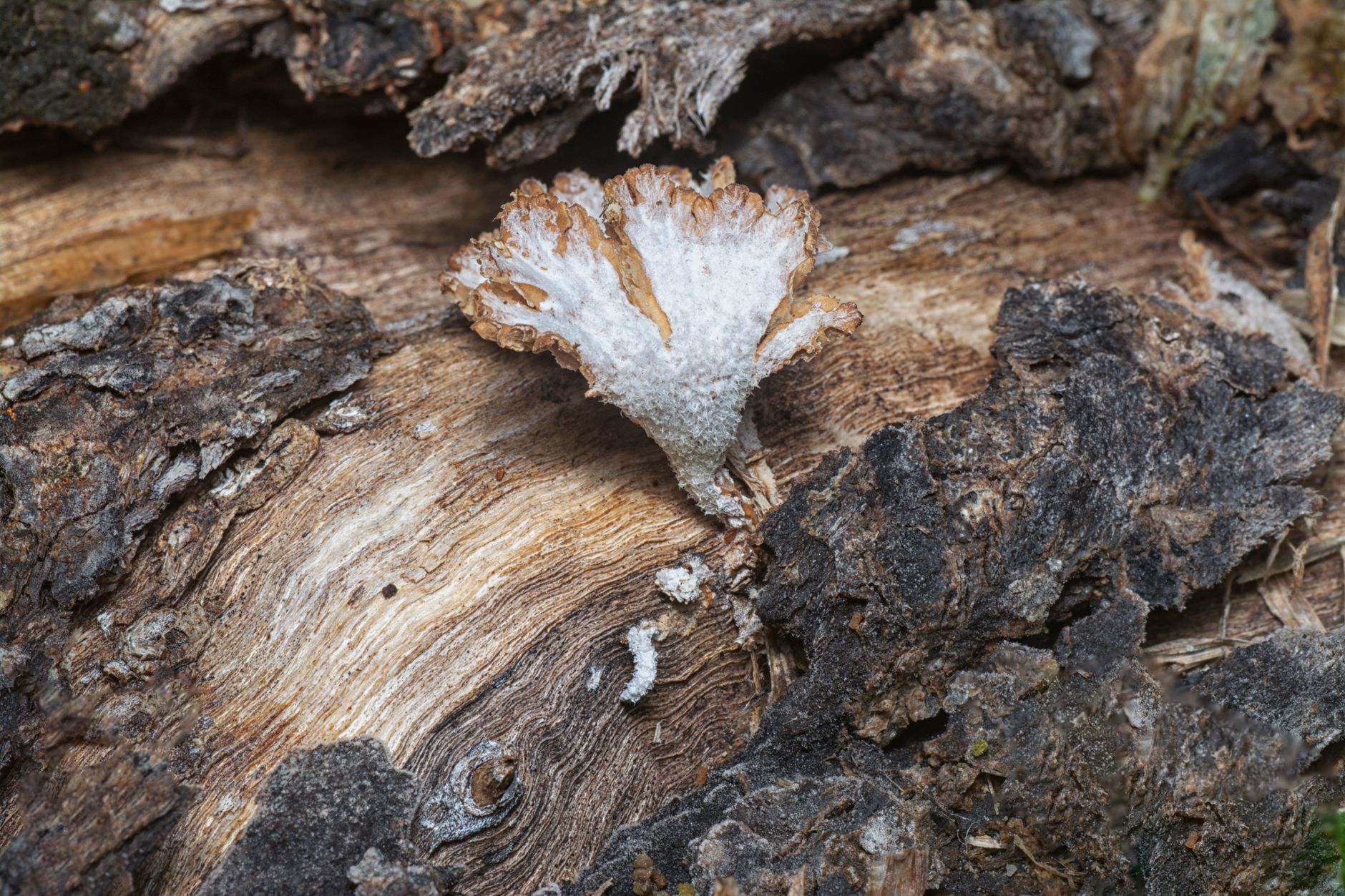
By growing its pale yellowish stromata upright—reaching heights comparable to an airplane carry-on suitcase—D. rex can elevate its spore-releasing pores above the forest floor. The upper portion of these structures contains thousands of tiny pores designed to expel spores into the air. This height likely facilitates wider spore dispersal, increasing the chances of reproductive success in a crowded and cluttered environment.
The Hidden Biodiversity of the Fungal World
The discovery of D. rex serves as a stark reminder of how little humanity understands about the kingdom of Fungi. While scientists have successfully described approximately 150,000 species of fungi, current biological estimates suggest the true number of species on Earth could range between 2 million and 13 million.
Kabir Peay, a professor of biology and Earth system science at Stanford University who was not involved in the research, emphasized the importance of these ongoing descriptions. “It’s really important that we understand what they do,” Peay said. “The first step in understanding what they do is describing them, acknowledging their existence, and then later trying to understand more details about their ecology.”
Fungi are not merely biological curiosities; they are fundamental drivers of the Earth’s carbon cycle. By breaking down organic matter, they return essential nutrients to the soil, supporting the health and nutrition of countless plant species. Without the work of decomposers, ecosystems would eventually stall under the weight of their own waste.
What It Means for You
The discovery of a new giant species like Dianjunus rex has implications across several sectors:
Counterpoints and Open Questions
Despite the excitement surrounding the discovery, several questions and risks remain unaddressed by the current research:
1. Toxicity and Safety: While some local residents in Yunnan have reportedly tasted the fungus with no ill effects, the species has not undergone formal toxicological testing. Scientists caution that “no ill effects” reported by locals does not constitute scientific proof of safety, as some toxins may have delayed effects or vary based on the individual’s health.
2. Evolutionary Drivers: While the “spore dispersal” hypothesis provides a logical reason for the fungus’s height, the exact energetic trade-offs that allow D. rex to bypass the typical ascomycete constraint against large stromata remain a subject of debate and further study.
3. Ecological Impact: It is still unknown how the presence of D. rex affects the specific host plants it grows from. While it was found growing from the roots of dying host plants, the exact symbiotic or parasitic relationship between the fungus and its host requires deeper investigation.
What Happens Next
The scientific community will likely focus on several key areas in the coming years:
Frequently Asked Questions
Is the Dianjunus rex fungus related to the Tyrannosaurus rex dinosaur?
No, there is no direct biological relationship between the fungus and the dinosaur. The name Dianjunus rex is a scientific nod to the dinosaur “king” because of the fungus’s impressive size and the fact that its family likely flourished in the environment created after the dinosaurs went extinct. The name reflects its status as a “king” among fungi.
Where exactly was this fungus found?
The fungus was discovered in the forests of Yunnan province, located in southwestern China. This region is known for its high levels of biodiversity and dense, moist forest environments, which are ideal for many types of fungal growth.
How large can a Dianjunus rex fungus grow?
The reproductive structures, known as stromata, can grow up to 20 inches (50 centimeters) tall. They are also quite heavy for a fungus, with some specimens weighing nearly 5 pounds (2.2 kilograms). This makes them significantly larger than most other members of the Ascomycota phylum.
Is it safe to eat this fungus?
While some locals have reported eating it without immediate problems, scientists have not tested the fungus for toxins. You should never consume wild fungi unless they have been professionally identified and verified as safe by a mycologist, as many species can be highly toxic.
Conclusion
The identification of Dianjunus rex is a landmark event in modern mycology. By bridging the gap between ancient mass extinction events and modern biodiversity, this “king of fungi” provides a window into how life adapts to radical environmental changes. As researchers continue to explore the forests of Yunnan, the discovery of this giant species serves as a reminder that the most significant wonders of our planet are often hidden right beneath our feet.