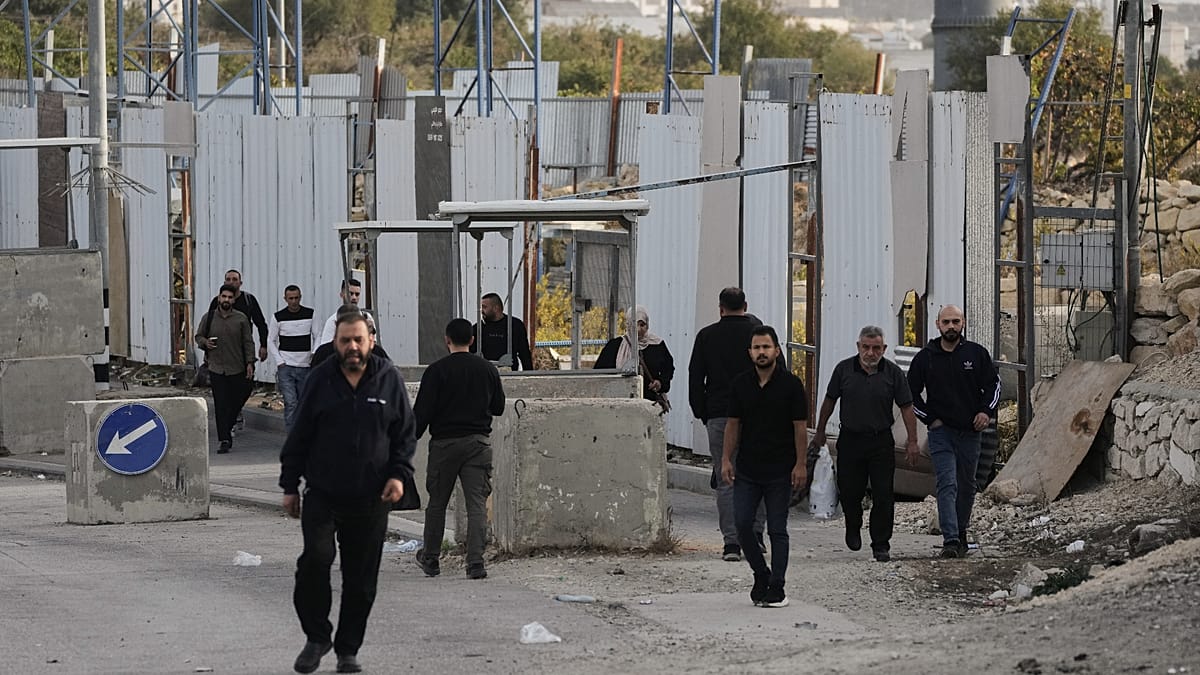
The massive middle east Policy: Why Washington is Reassessing Its Role”>israeli-regulations-stoke-palestinian-fears-of-annexation/” title=”West Bank: Urgent Israeli Regulations Fuel Apartheid Fears”>hebron demolitions launched by the Israeli military following a fatal checkpoint attack have displaced hundreds of Palestinian families, sparking intense debate over the use of collective punishment and the influence of upcoming elections on security policy.
Key Takeaways
- Triggering Incident: Two Israeli soldiers were killed and three others injured during a shooting at a checkpoint near Hebron on Friday, October 23, 2026.
- Mass Displacement: Local officials report between 150 and 250 families have been forcibly evicted, though some estimates suggest up to 1,500 individuals have been displaced.
- Physical Destruction: Significant portions of the Ein Deir Baha and Farsh al-Hawa neighborhoods have been targeted, with reports of buildings being marked for destruction and entire streets flattened.
- Political Context: The military operation is occurring just four days before Israel’s general elections, leading to allegations that the crackdown is being used as political leverage.
- Conflicting Narratives: The IDF maintains the operation targets “terrorist infrastructure,” while Palestinian authorities and activists label the actions as “collective punishment.”
- For Residents of Hebron: Expect continued movement restrictions and significant disruptions to daily life, including commerce and education. The sealing of the city means that even those not in the target zones may face long delays at foot-only checkpoints.
- For Israeli Voters: The security situation in the West Bank and the government’s handling of the Hebron crisis will likely be central themes in the election this Tuesday. The tension between security needs and the humanitarian impact of military policy is a key battleground for the upcoming vote.
- For Humanitarian Organizations: There is an immediate and growing need for food, medical supplies, and temporary shelter for the hundreds of families currently displaced. The potential for the operation to expand means that resource planning must account for a rapidly growing number of evacuees.
- For International Observers: The situation serves as a critical test of international law regarding the treatment of civilian populations during military operations in occupied territories.
- Is this Collective Punishment? Under international law, collective punishment—penalizing a group for the actions of individuals—is prohibited. Palestinian activists and local officials argue that because the families being evicted have no connection to the al-Joba brothers, the demolitions violate these principles. The IDF has not officially responded to these specific legal allegations.
- The Scope of “Terrorist Infrastructure”: The IDF claims to be targeting weapons and militant cells. However, the destruction of commercial shops and industrial sites in the Farsh al-Hawa area raises questions about whether the military is targeting actual combat capabilities or simply removing economic assets.
- The Duration of Displacement: There are conflicting reports regarding how long residents will be barred from their homes. Some families claim they were told they would be unable to return for six months to a year, a claim that has not been confirmed by the Israeli military.
- The Political Motivation: Is the timing of this operation a coincidence, or is it a calculated move to influence the Israeli electorate? The proximity to the election makes it difficult to decouple security strategy from political campaigning.
- The Israeli General Election (Tuesday, October 27, 2026): The outcome of this election will signal whether the Israeli government will move toward even more aggressive policies in the West Bank or if a new administration will seek a different approach to the Palestinian territories.
- Expansion of Military Operations: The IDF has stated that its operations will last for several days. Whether the military moves into additional neighborhoods beyond Ein Deir Baha and al-Jalada will dictate the scale of the humanitarian crisis.
- International Diplomatic Response: The Palestinian Authority has called for “urgent international action.” Watch for statements from the UN or major global powers regarding the legality of the demolitions and the displacement of civilians.
- The Status of the Palestinian Authority: With Minister Ben Gvir calling for the PA’s dismantling, any further escalation in Hebron could lead to a direct confrontation between the IDF and PA-governed areas.
- www.theguardian.com
- www.middleeasteye.net
- www.euronews.com
- www.bbc.com
What Happened in Hebron
On Friday, October 23, 2026, a violent encounter at an Israeli military checkpoint located west of Hebron fundamentally altered the security landscape of the West Bank. According to reports from Reuters and Middle East Eye, two Palestinian gunmen—identified as Ahmad and Hamouda al-Joba—opened fire on Israeli forces, resulting in a 20-minute gunfight. The confrontation left two Israeli soldiers dead and three others wounded. The two gunmen were also killed during the exchange.
In the immediate aftermath, the Israel Defense Forces (IDF), in coordination with the Shin Bet and the Border Police, launched what they described as a “precise, targeted and thorough” security operation. This crackdown quickly expanded from a search for militants to a large-scale demolition and eviction campaign. By Saturday afternoon, the city of Hebron was effectively sealed, with checkpoints blocking all major entrances and roads, forcing the city’s 200,000 to 250,000 residents to rely on foot-only access points.
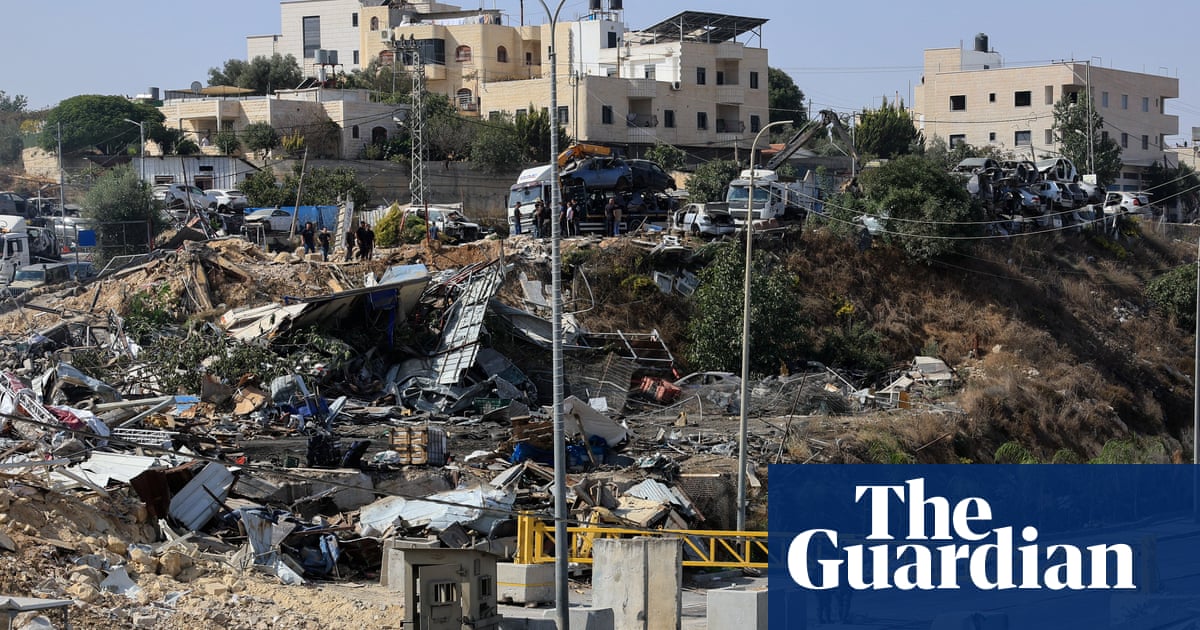
Footage shared online by local residents and reported by The Guardian shows the scale of the physical destruction. Israeli bulldozers have been seen flattening residential blocks, and many buildings in the Ein Deir Baha neighborhood have been marked with black “X” symbols, indicating they are slated for demolition.
Why It Matters: The Humanitarian and Political Stakes
The scale of the Hebron demolitions has created an immediate humanitarian crisis. The displacement is not merely a temporary security measure but a profound disruption of civilian life. Families have been forced to abandon their homes with little notice, often carrying only small personal bags containing essentials like medicine and documents.
The Human Cost of Displacement
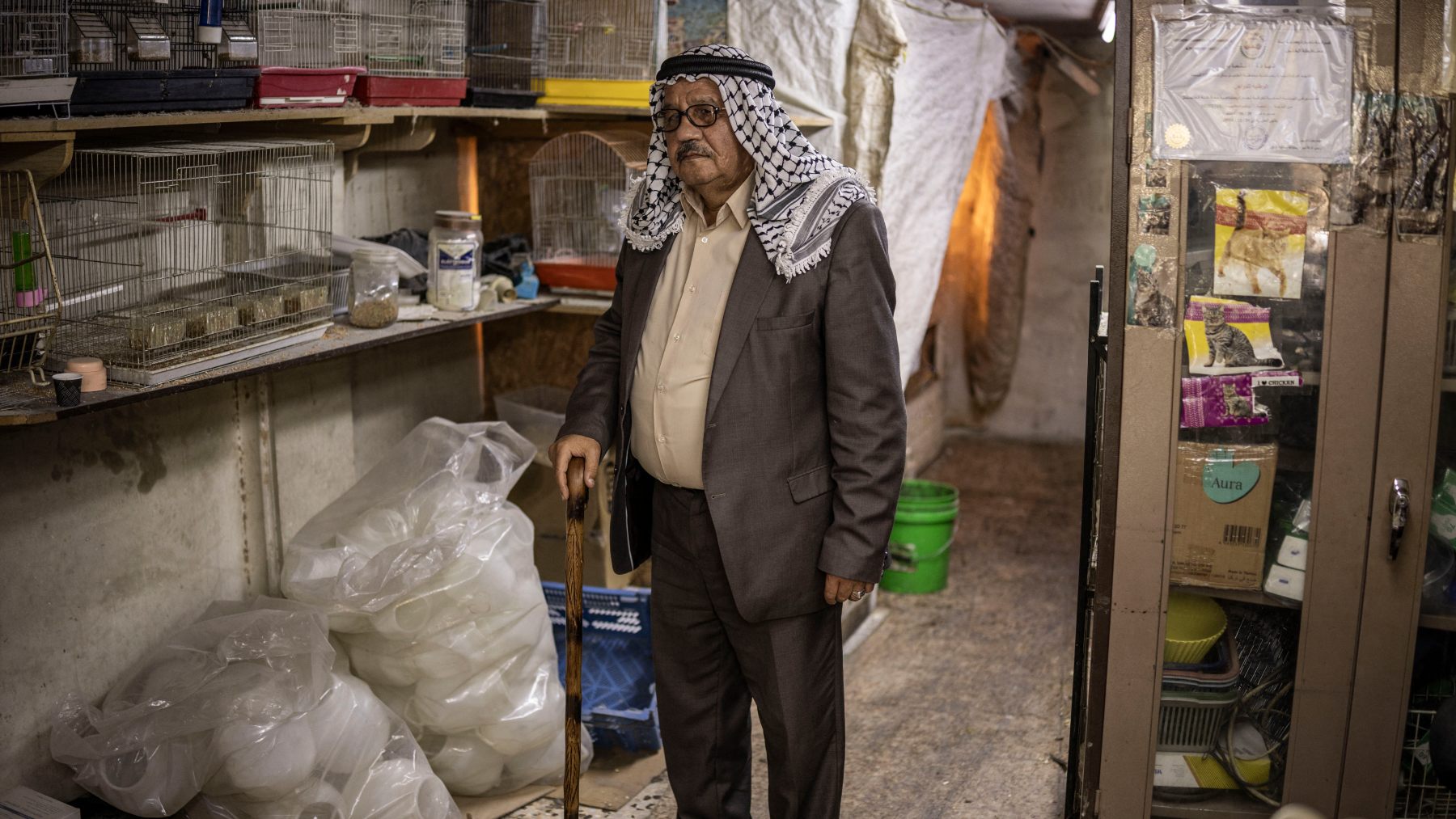
The impact on civilians has been severe, particularly for vulnerable populations. Abdul Hamid Shahada, a resident of the al-Jalada neighborhood, told Middle East Eye that his family—including 54 people, many of them children and his 79-year-old mother—was ordered to evacuate in just five minutes. He described a scene of chaos, alleging that soldiers forced residents to keep their hands behind their heads and that some neighbors’ homes were ransacked.
To manage the influx of displaced persons, the Hebron Municipality has activated an emergency response plan. Local facilities, such as the Child Happiness Centre, the Korean Centre, and various family guesthouses, are being used as makeshift shelters. However, Khaled al-Qawasmi, the Deputy Mayor of Hebron, has warned that the limited capacity of these centers could lead to a full-scale shelter crisis if the military operation continues to expand.
The Election Shadow
Perhaps most significantly, this military escalation is unfolding against the backdrop of the Israeli general election, scheduled for Tuesday, October 27, 2026. The timing has led to intense scrutiny of the Israeli government’s motivations. Prime Minister Benjamin Netanyahu, who is facing a tight race against an opposition bloc led by former military chief Gadi Eisenkot, has personally visited the site of the attack, wearing protective armor and posting videos to social media.
Critics argue the crackdown serves a political purpose. Hebron’s Mayor, Youssef al-Jaabari, suggested the operation was “driven by the elections,” aimed at securing votes from the far-right and settler populations. This sentiment is echoed by civil rights activist Issa Amro, who stated that the suffering of innocent families is being turned into “political material” for the upcoming vote.
Deep-Dive: Data and Discrepancies
Because the situation on the ground is fluid and access is restricted, various organizations have provided different figures regarding the scope of the destruction and displacement. The following table synthesizes the data reported by different sources.
| Metric | Source | Reported Value/Estimate |
|---|---|---|
| Displaced Families | Hebron Governor Khaled Dudin | ~150 families |
| Displaced Families | Hebron Mayor/Issa Amro | ~250 families |
| Displaced Families | Wafa (Palestinian News Agency) | Up to 2,500 people planned for displacement |
| Total Displaced (Individuals) | The Guardian | ~1,500 people |
| Land Destroyed (Area) | The Guardian | 35 hectares (86 acres) |
| Land Destroyed (Area) | Middle East Eye | ~7 dunums in Farsh al-Hawa |
| Israeli Casualties | Multiple Sources | 2 dead, 3 wounded |
| Suspected Attackers | Multiple Sources | 2 killed (Ahmad and Hamouda al-Joba) |
Stakeholder Perspectives and Reactions
The Hebron demolitions have drawn sharply polarized reactions from key political and local actors.
The Israeli Government and Security Forces
For the Israeli leadership, the operation is a necessary response to terrorism. Prime Minister Netanyahu has vowed to “destroy all terrorist infrastructure” and has even reviewed plans for the largest military operation in the West Bank since 1967. Finance Minister Bezalel Smotrich, a far-right official, has taken an even harder line, ordering the “immediate demolition of a wide row of illegal Arab structures” and calling for a military campaign similar to those seen in Gaza or Lebanon. National Security Minister Itamar Ben Gvir has gone further, calling for the complete dismantling of the Palestinian Authority (PA).
The IDF maintains that its actions are focused on specific neighborhoods linked to the attackers and that the operation is intended to prevent future violence by removing weapons and militants.
Palestinian Authorities and Local Leaders
Palestinian officials have condemned the scale of the response. Hebron Governor Khaled Dudin characterized the operation as “collective punishment” being imposed on civilians who had no involvement in the Friday shooting. The Palestinian Authority (PA) has called for urgent international intervention to prevent further forced displacement.
What It Means for You
The implications of this conflict depend heavily on your role in the region and the global community:
Counterpoints and Open Questions
While the Israeli government frames the operation as a targeted security necessity, several critical questions and counterpoints remain unaddressed:
What Happens Next
Several key catalysts will determine the trajectory of the situation in Hebron:
Frequently Asked Questions
Why are the Israeli military demolitions happening in Hebron?
The Israeli military launched the demolitions in response to a fatal shooting on Friday, October 23, 2026, at a military checkpoint near Hebron. Two gunmen killed two Israeli soldiers before being killed themselves. The IDF states the operation is designed to dismantle “terrorist infrastructure” and locate weapons in the neighborhoods used by the attackers.
How many people have been displaced by the operation?
Displacement figures vary depending on the source. The Hebron Governor, Khaled Dudin, estimates approximately 150 families have been displaced. The Hebron Mayor and activist Issa Amro estimate around 250 families. However, some reports, including those from The Guardian, suggest that as many as 1,500 individuals have been forced from their homes.
When are the Israeli general elections taking place?
The Israeli general elections are scheduled to take place on Tuesday, October 27, 2026. This election is occurring during a period of high tension and is expected to be heavily influenced by security issues and the government’s policies in the West Bank.
What is the current status of movement in Hebron?
The city of Hebron is currently under a comprehensive military closure. The IDF has blocked most vehicle access to the city, forcing residents and travelers to use designated foot-only checkpoints. The military expects the operation and the resulting restrictions to continue for several days.
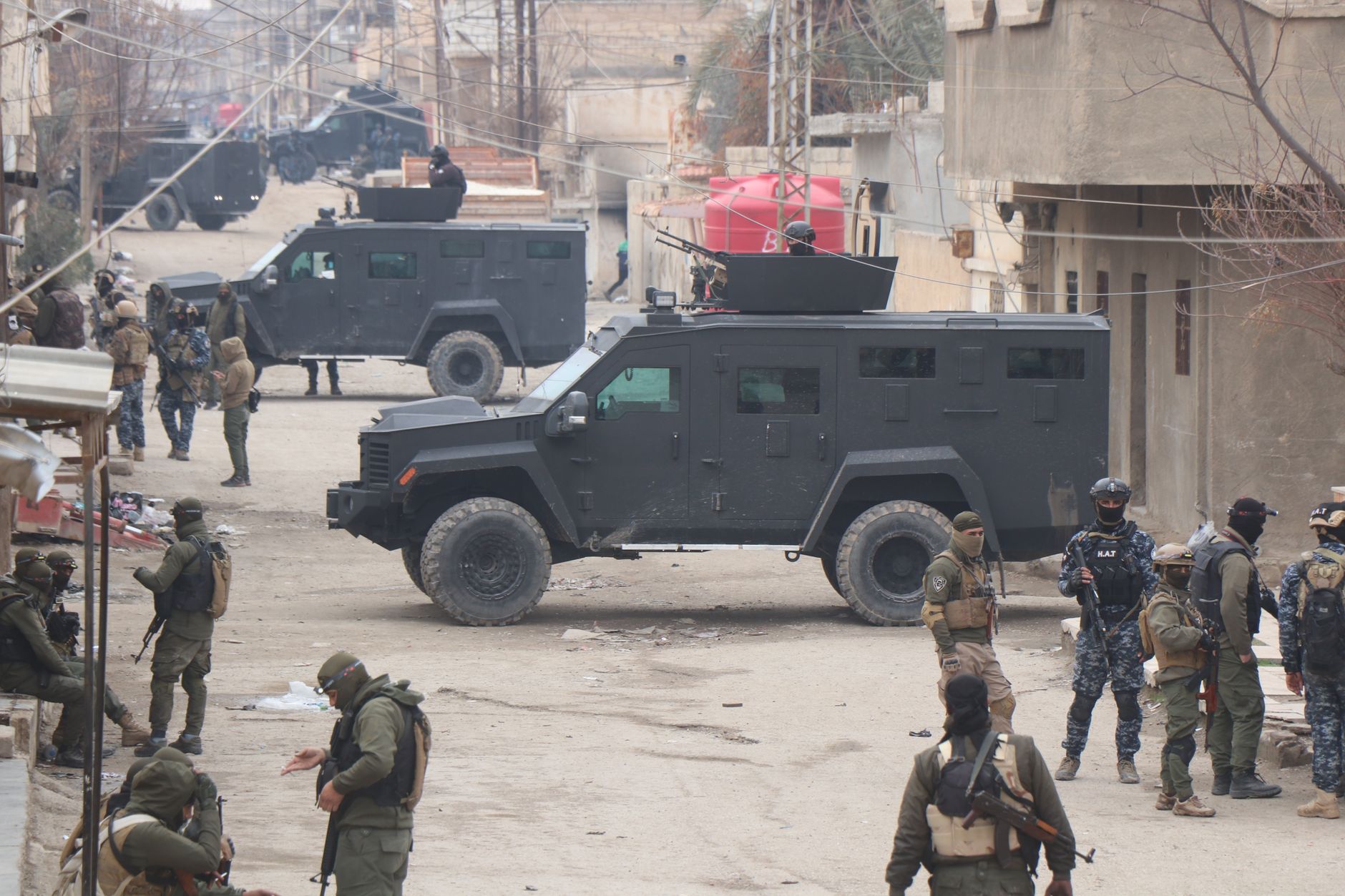
The ongoing Hebron demolitions and the resulting mass displacement represent a significant escalation in West Bank tensions
References
Featured image: Image via euronews