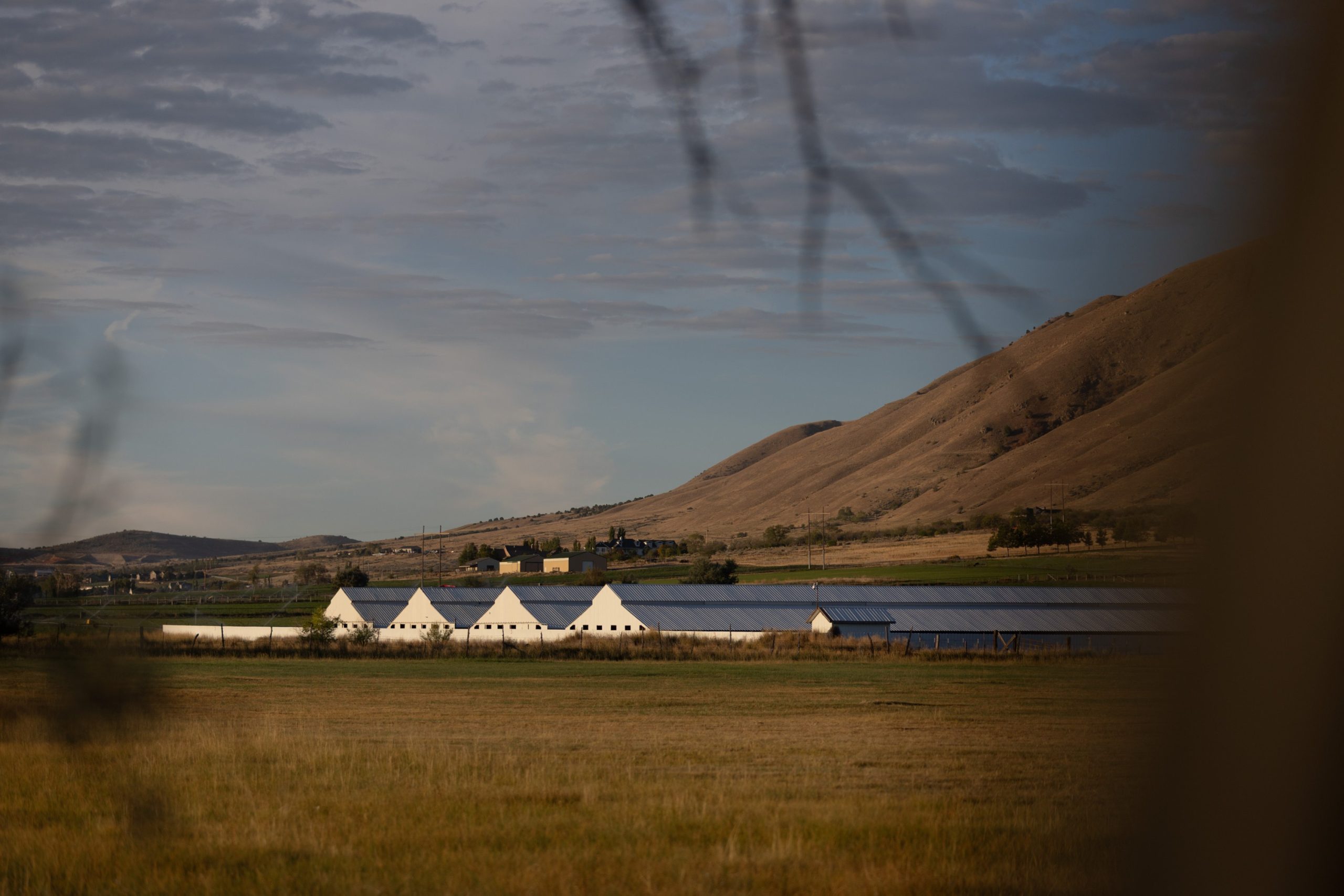
The Utah mink bird flu outbreak at C&T Fenn Farms has exposed critical gaps in both state and federal biosecurity oversight, raising urgent alarms among infectious disease experts about the potential for a human pandemic.
Key Takeaways
- Uncontrolled Outbreak: An H5N1 bird flu outbreak has been spreading at a mink farm west of Provo, Utah, for over two months.
- Regulatory Vacuum: The USDA has stated it does not regulate mink farms, leaving state officials with limited tools to mandate culling or provide vaccines.
- Pandemic Risk: Experts warn that mink act as “mixing vessels” where bird flu can reassort with human influenza, potentially creating a pandemic-capable strain.
- Economic vs. health Tension: State officials face allegations of prioritizing the economic survival of the fur industry over proactive human health monitoring.
- Legislative Catalyst: A pending U.S. Farm Bill may expand federal support for the mink industry, potentially increasing the number of animals at risk.
- For Residents of the Intermountain West: While the immediate risk of infection is low for those without direct animal contact, the lack of active monitoring for farmworkers means that a human spillover could go undetected for several days. If you live near industrial farming operations, stay informed about local health department advisories.
- For Public Health Professionals: This serves as a case study in the dangers of regulatory gaps. The Utah situation highlights the need for expanded surveillance protocols that include both animal and human health data.
- For Voters and Taxpayers: The debate over the Farm Bill is a direct link to your tax dollars. If the bill passes with mink export subsidies, federal funds will be used to support an industry that many scientists view as a significant biosecurity risk.
- For Investors in the Agricultural Sector: The volatility of the fur industry, coupled with the rising threat of avian influenza, makes mink farming a high-risk venture with increasing regulatory and social headwinds.
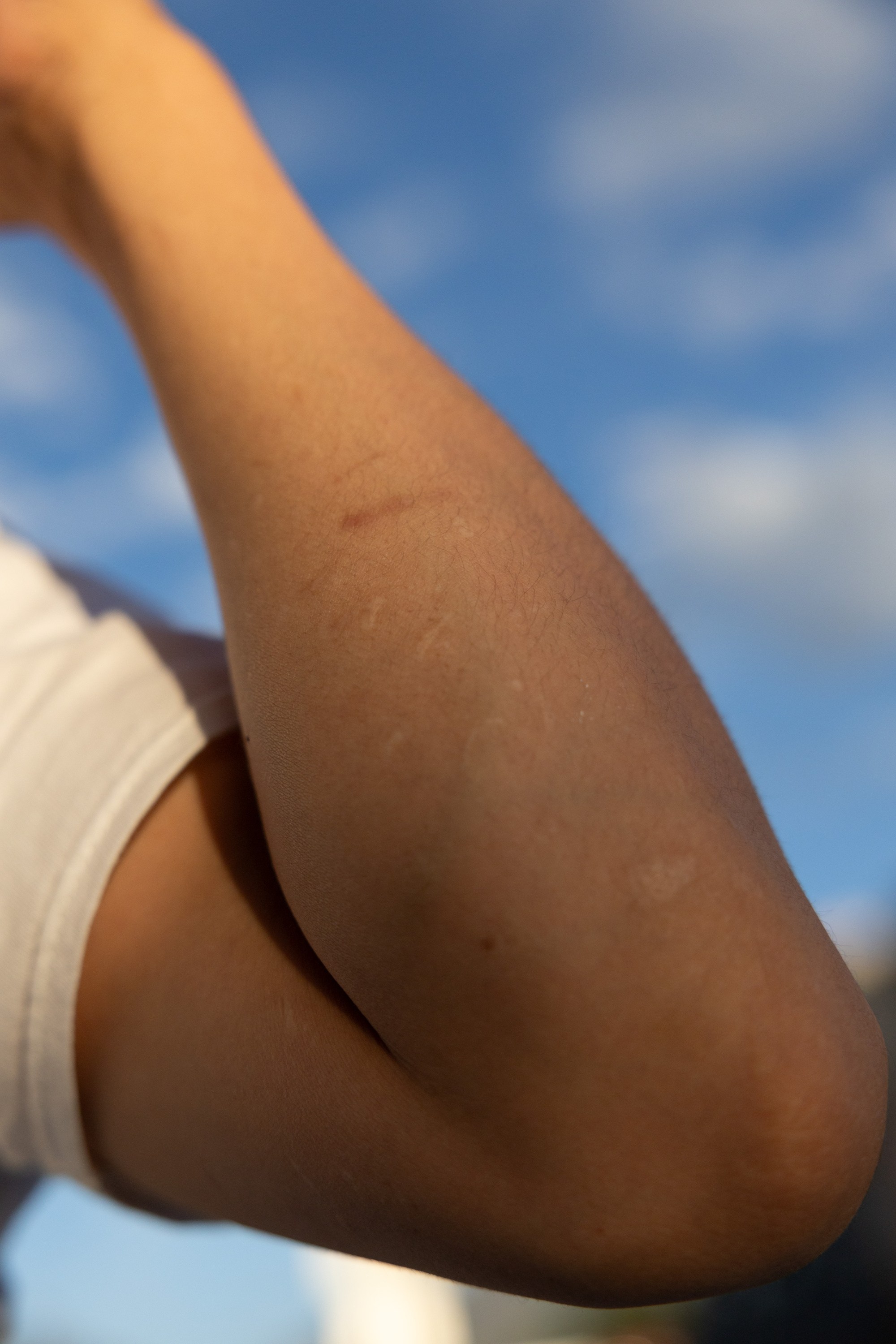
- The Symptom Discrepancy: A ProPublica reporter observed a farmworker with visibly red eyes—a symptom present in 90% of human bird flu cases. The farm owner claimed it was merely dust. Why was no formal testing conducted to rule out infection?
- The Transparency Gap: Why did state officials allegedly attempt to keep the outbreak confidential? Is the goal to protect the industry, or to prevent public panic?
- The Vaccine Question: If the USDA does not regulate mink, is there any pathway for the development of a mink-specific vaccine, or is the industry destined to remain a biosecurity loophole?
- The Mutation Rate: As John Korslund, a retired USDA official, noted, we do not yet know how much the virus has mutated since it first arrived at the farm. Are we dealing with a more virulent strain than what was initially detected?
- The Farm Bill Vote: The outcome of the U.S. Senate and House debates on the Farm Bill will dictate whether the mink industry receives a federal lifeline or faces increased scrutiny.
- Increased Surveillance: Watch for whether the Utah Department of Health or the CDC moves from passive observation to active monitoring of farmworkers.
- Genomic Sequencing Results: As more mink are tested, scientists will be looking for specific mutations that indicate the virus is becoming better adapted to mammalian hosts.
- International Policy Shifts: The U.S. may face increased pressure from global health organizations to align its fur farming regulations with the stricter standards seen in the European Union.
- www.propublica.org
- www.thinkglobalhealth.org
- www.theguardian.com
What Happened in Utah
For more than two months, a highly pathogenic avian influenza (H5N1) outbreak has been raging at C&T Fenn Farms, a mink fur operation located approximately one hour south of Salt Lake City. While bird flu outbreaks in poultry are typically met with immediate, mandatory culling and federal assistance, the situation in Utah has unfolded with a notable lack of centralized control.
According to an investigation by ProPublica, the outbreak was first identified in mid-August 2026. Since then, the virus has spread through the mink population, with the USDA dashboard confirming that at least seven captive mink in Utah have tested positive for the strain. However, the lack of a standardized federal response has left the farm owner, Chad Fenn, and state veterinarian Amanda Price in a state of uncertainty.
State veterinarian Amanda Price reportedly attempted to seek assistance from the U.S. Department of Agriculture (USDA), but federal officials informed her that they do not regulate mink farms and currently have no approved vaccines for the species. This regulatory gap has forced the Utah Department of Agriculture and Food to rely on a “verbal hold” on the farm, essentially waiting to see how the virus progresses rather than implementing the aggressive depopulation seen in other sectors.
Why the Outbreak Matters: The “Mixing Vessel” Risk
While the immediate threat to the general public may seem localized, epidemiologists warn that the biological implications of a mink-based outbreak are global. Mink are uniquely dangerous hosts for influenza due to their respiratory biology.
Jennifer Nuzzo, an epidemiology professor and director of the pandemic center at Brown University School of Public Health, explains that the risk lies in the potential for “reassortment.” This occurs when a bird flu virus and a human seasonal flu virus infect the same host simultaneously, swapping genetic material to create a new, hybrid virus that can infect humans easily.
“The most likely scenario for a pandemic is that we have a virus that reassorts with another virus,” Nuzzo said. She noted that the timing of this outbreak is particularly precarious, as it coincides with an unusually early start to the seasonal human flu season, providing more opportunities for such a genetic swap to occur.
Furthermore, mink possess lung and airway cell receptors that are remarkably similar to those found in humans. This biological proximity makes them highly susceptible to infection and, more importantly, makes them an ideal bridge for a virus to jump from birds to mammals, and eventually, to humans.
Comparative Response Strategies
To understand why the Utah situation is considered an anomaly, it is helpful to look at how other nations and industries have handled similar H5N1 threats.
| Location / Sector | Year | Primary Action Taken | Result / Outcome |
|---|---|---|---|
| Denmark (Mink) | 2020 | Mass slaughter of nearly 17 million mink | Controlled COVID-19 mutations |
| Spain (Mink) | 2022 | Culling of 50,000 mink and carcass destruction | Prevented wider H5N1 spread |
| U.S. Poultry | 2022–2026 | Mandatory culling and federal reimbursement | Contained outbreaks at high cost |
| Utah (Mink) | 2026 | “Verbal hold” and limited state monitoring | Ongoing, uncontrolled outbreak |
Deep Dive: The Regulatory and Political Landscape
The USDA and Federal Oversight
The central tension in the Utah outbreak is the lack of federal authority. Unlike the poultry industry, which is heavily regulated and supported by federal indemnity programs to encourage culling, the mink industry exists in a regulatory gray area.
Tom Peacock, an avian influenza researcher at the Pirbright Institute, expressed significant concern regarding the lack of immediate depopulation. “Every other country that I’m aware of that has had H5N1 in fur farms, depopulation has happened pretty quickly,” Peacock told ProPublica. “The fact that the first instinct wasn’t just to depopulate and figure stuff out later is very concerning to me.”
This lack of oversight has been exacerbated by shifting political priorities. Nuzzo noted that during the current administration, federal communication with disease experts has diminished. She observed that federal officials previously held regular calls with academics to discuss emerging threats, a practice that has largely ceased, potentially leaving critical gaps in early detection and response.
The Economics of the Fur Trade
For the owners of these farms, the stakes are not just biological, but existential. Chad Fenn, owner of C&T Fenn Farms, has emphasized that mandatory culling would effectively end his business and the wider Utah fur industry.
“They’re not going to do anything. They said they don’t see that there’s a need,” Fenn said, referring to federal intervention. He also defended his farm’s safety protocols, noting that his workers wear masks daily, though he personally chooses not to.
This economic pressure is being mirrored in Washington, D.C. As Congress debates the upcoming Farm Bill, there is a controversial movement to repeal a nearly 30-year ban on using federal funds to promote mink fur exports. Proponents argue this would resuscitate a declining industry, which has seen production plummet by 80% since 2015. However, critics, including Neil Vora, Executive Director of the Preventing Pandemics at the Source Coalition, argue that subsidizing the industry is a dangerous gamble.
“It’s absurd that we’re willing to gamble with the lives of millions of people just to keep an industry alive,” Vora stated.
Stakeholders and Conflicting Perspectives
The Utah outbreak has created a divide between three primary groups: public health officials, industry representatives, and state regulators.
1. Public Health Experts
Scientists like Erin Sorrell from the Johns Hopkins Center for Health Security argue that the current approach lacks a “One Health” perspective—the understanding that human, animal, and environmental health are inextricably linked. Without a leader to coordinate animal and human health responses, experts fear the virus will continue to circulate and adapt.
2. The Fur Industry
Industry representatives and farm owners argue that the risk of a pandemic is being exaggerated by animal rights activists. They view aggressive government intervention as an unnecessary threat to their livelihoods, especially when compared to the declining sales seen in the European Union, where 24 of 27 member states have already implemented bans or restrictions on fur farming.
3. State and Federal Regulators
State officials appear caught in a difficult position. Amanda Price, the Utah State Veterinarian, described the situation as “devastating” for the farmers involved, but admitted that there are “not a lot of options other than kind of sitting and waiting and seeing what happens.”
ProPublica’s investigation also suggested that state officials may be attempting to manage the outbreak quietly to avoid attracting the attention of animal rights organizations, a claim supported by public records indicating a desire to maintain confidentiality.
What It Means for You
The implications of this outbreak vary depending on your role in society:
Counterpoints and Open Questions
Despite the mounting concerns, several questions remain unanswered by both the state and federal governments:
What Happens Next
Several key developments will determine whether this outbreak remains a localized agricultural issue or evolves into a public health crisis:
Frequently Asked Questions
What is the risk of bird flu jumping from mink to humans?
The risk is considered significant by epidemiologists because mink are “mixing vessels.” They can host both avian and human influenza viruses simultaneously, allowing the viruses to swap genetic material through a process called reassortment. This could create a new strain that is highly infectious to humans. However, as of now, there is no confirmed evidence of widespread human-to-human transmission from this specific outbreak.
Why doesn’t the USDA regulate mink farms like they do poultry farms?
The USDA’s regulatory authority is often tied to specific commodity programs and funding. Because the mink industry is much smaller and less centralized than the poultry or cattle industries, it lacks the same level of federal oversight, mandatory reporting requirements, and standardized vaccine protocols. This creates a “regulatory vacuum” during outbreaks.
What are the symptoms of H5N1 in humans?
In humans, bird flu can present with various symptoms, including fever, cough, and sore throat. A key indicator, according to the CDC, is eye redness (conjunctivitis), which is reported in approximately 90% of human cases. If an individual has been in contact with sick animals and develops these symptoms, immediate medical testing is recommended.
How has the U.S. mink industry changed recently?
The U.S. mink industry has seen a massive decline, with production dropping by roughly 80% since 2015. There are currently fewer than 70 mink farms remaining in the country, with Wisconsin holding the largest number and Utah being the second largest. This decline has led to legislative efforts to use federal funds to try and revitalize the industry.
Closing Summary
The Utah mink bird flu outbreak represents more than just a localized agricultural failure; it is a symptom of a fragmented biosecurity system. As the virus continues to circulate at C&T Fenn Farms, the tension between economic preservation and pandemic prevention remains unresolved. Whether the federal government chooses to close the regulatory gap or allow the industry to expand via the Farm Bill will have profound implications for global health security in the years to come.
References
Featured image: Photo, via ProPublica, CC BY-NC-ND 3.0