
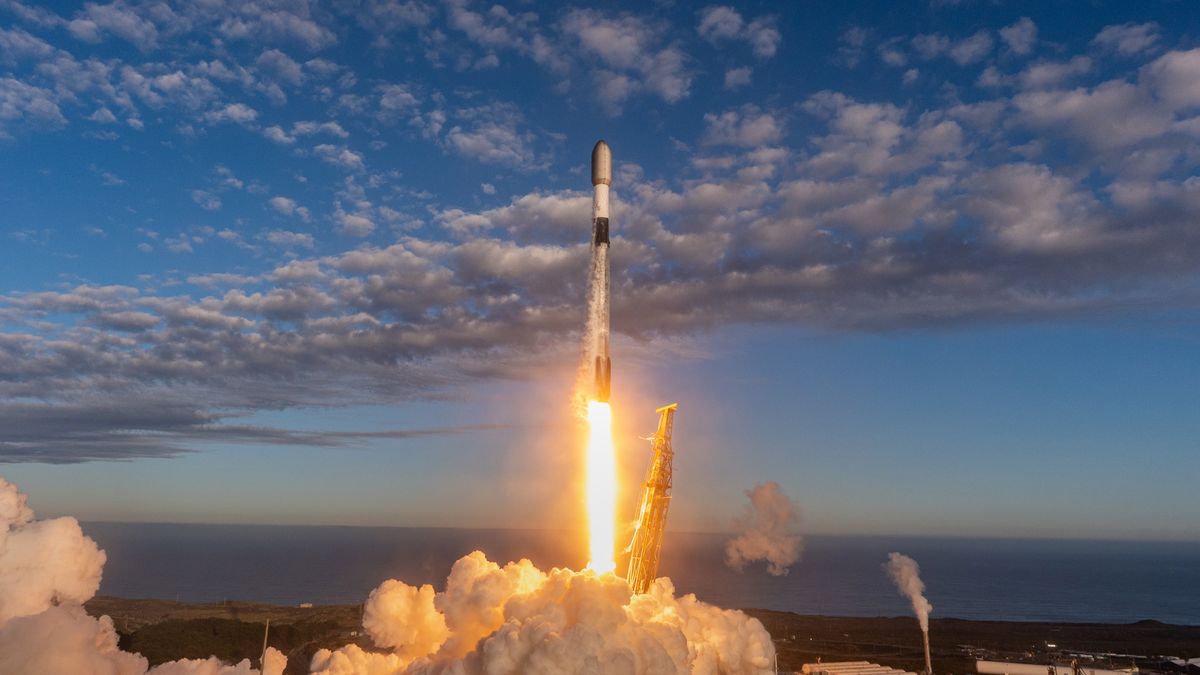
The spacex starlink launch on October 23, 2026, from Vandenberg Space Force Base in California, serves as a high-stakes demonstration of the company’s ability to maintain a massive satellite constellation while simultaneously preparing for a total strategic pivot to the starship launch system.
Key Takeaways
- Successful Deployment: SpaceX successfully delivered 27 Starlink broadband satellites into low Earth orbit (LEO) via a Falcon 9 rocket.
- Booster Milestone: The mission utilized booster B1063, which completed its 36th successful flight, reinforcing the economic viability of rapid booster reusability.
- Financial Momentum: During Q3 2026, SpaceX’s connectivity segment saw revenue hit $5.2 billion, a 22% increase over the previous quarter.
- Strategic Pivot: The company is shifting its primary focus from the Falcon 9 to the much larger Starship to accommodate the next generation of Starlink V3 satellites.
- Launch Volatility: The successful liftoff followed three consecutive attempts that were scrubbed due to technical complications and adverse weather conditions.
- The Cost of Expansion: The nearly $1 billion year-over-year increase in connectivity costs highlights the massive financial burden of maintaining a megaconstellation. Can SpaceX maintain this growth rate without reaching a point of diminishing returns?
- Regulatory and Orbital Hurdles: As the number of active satellites approaches and eventually exceeds 11,000, the complexity of managing orbital slots and ground-station processing increases. Regulators like the FCC will face growing pressure to manage space traffic and prevent orbital congestion.
- Starship Reliability: The entire future of the Starlink V3 roadmap depends on the successful, rapid-fire deployment of Starship. Any significant delays or technical failures in the Starship program could stall the evolution of the Starlink network and impact SpaceX’s revenue projections.
- The “Gap” in Hardware: Independent trackers, such as Jonathan McDowell, have noted a gap between the total number of satellites launched and those currently operational. Managing this “hardware gap”—satellites in transit, undergoing commissioning, or deorbiting—is a constant operational challenge.
- spaceflightnow.com
- www.space.com
- www.space.com
- www.basenor.com
- www.space.com
What Happened: The October 23 Mission
On Friday, October 23, 2026, SpaceX successfully executed the Starlink Group 15-15 mission, launching a Falcon 9 rocket from Space Launch Complex 4E at Vandenberg Space Force Base. The liftoff occurred at 3:48 p.m. local time in California (6:48 p.m. EDT / 2248 GMT).
This particular mission was not a straightforward success; it was the culmination of a volatile launch window that required four separate attempts. According to reports from Spaceflight Now, the first attempt on Tuesday, October 20, was scrubbed due to technical issues. The following two days saw attempts on October 21 and October 22 fail due to poor weather conditions that prevented the countdown from proceeding through critical stages, including fueling.

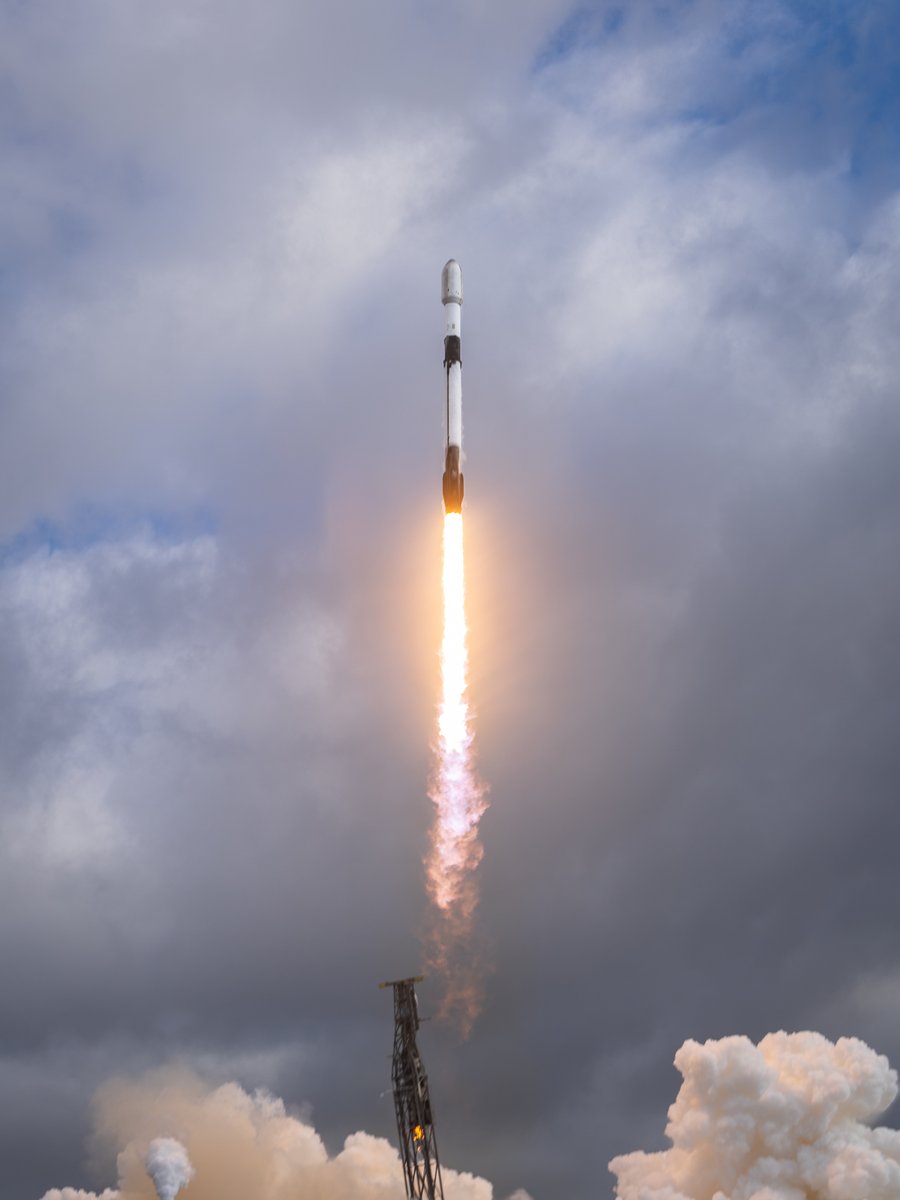
Once the rocket cleared the atmosphere, the first-stage booster, designated B1063, separated from the second stage approximately 2.5 minutes into the flight. The booster then executed a descent maneuver and successfully landed on the SpaceX droneship, A Shortfall of Gravitas, about 8 minutes and 20 seconds after liftoff. This landing marked the 36th flight for B1063, a veteran booster that previously supported NASA’s DART mission in 2021. Following the landing, the Falcon 9’s upper stage completed its orbital insertion burn, and the 27 satellites were deployed into low Earth orbit roughly 62 minutes after the initial launch.
Why It Matters: The Economics of Scale
The success of this launch is significant not just for the satellites added to the network, but for what it reveals about the massive financial engine driving SpaceX. As the company builds out its Starlink satellite constellation, the scale of its operations has reached a level of complexity and revenue generation previously unseen in the private space sector.
During a third-quarter earnings call on October 20, 2026, SpaceX leadership provided a glimpse into the sheer scale of the Starlink business. The company reported adding 1.6 million new customers during the third quarter alone. This growth has pushed Starlink’s connectivity revenue to $5.2 billion for the quarter, representing a 22% increase compared to the previous quarter.
However, this growth comes with significant capital requirements. SpaceX noted that total costs and expenses for the connectivity segment rose by $974 million year-over-year. This increase is attributed to the rapid expansion of the satellite constellation, the manufacturing and delivery of Starlink Kits, and aggressive marketing efforts to capture global market share.
Q3 2026 Starlink Financial Performance
| Metric | Q3 2026 Value | Context/Trend |
|---|---|---|
| Connectivity Revenue | $5.2 Billion | 22% increase quarter-over-quarter |
| New Customer Growth | 1.6 Million | Rapidly expanding global user base |
| Active Markets | 174 | Global reach across diverse regions |
| Connectivity Segment Costs | +$974 Million | Year-over-year increase in expenditures |
Deep Dive: The Transition from Falcon 9 to Starship
While the Falcon 9 remains the “workhorse” of the company, the recent launch highlights a broader shift in SpaceX’s operational philosophy. The company is currently managing a transition period where the Falcon 9 is being used to maintain current service levels, while the massive Starship rocket is being developed to handle the next leap in capacity.
The Limitations of Falcon 9
The current Falcon 9 launches are primarily deploying existing generations of Starlink satellites. However, SpaceX has designed a much more powerful iteration known as Starlink Version 3 (V3). These upgraded satellites are significantly larger and more capable than the current models, but they are also too massive to fit within the payload fairing of a Falcon 9 rocket.
To deploy the V3 fleet, SpaceX must rely on Starship. CFO Bret Johnsen emphasized this necessity during the Q3 earnings call, stating that the satellite roadmap is the primary driver of the connectivity segment’s capacity. Johnsen projected that Starship launches will eventually deliver over 20 times the downlink capacity of the current Falcon 9 missions.
The Reusability Revolution
The October 23 launch also underscored the extreme maturity of SpaceX’s reusability model. The use of booster B1063 for its 36th flight is a testament to the engineering breakthroughs that have allowed single boosters to fly dozens of times. In 2015, when SpaceX first began landing boosters, the industry consensus was that a few flights per booster would be the practical limit. Today, the ability to fly a booster 36 times is a primary driver behind the high launch cadence required to sustain a megaconstellation.
What It Means for You
The evolution of the Starlink network will have tangible impacts on several different groups of stakeholders:
For Consumers and Businesses
If you are a current Starlink subscriber or a business relying on satellite connectivity, expect a significant leap in service quality once the Starship satellite deployment begins in earnest. The transition to V3 satellites promises much higher downlink capacities, which could mean faster speeds and more reliable connections in high-demand areas. Furthermore, SpaceX’s plan to launch Starlink Mobile V2 satellites on Starship starting in 2027 aims to provide direct-to-device services, potentially allowing standard smartphones to connect to satellites without specialized hardware.
For the Telecommunications Industry
Traditional terrestrial cellular providers should view SpaceX’s trajectory as a direct competitive threat. SpaceX’s stated ambition is to become a “major mobile carrier” in the United States by leveraging its enhanced wireless spectrum portfolio. As Starlink moves from providing rural broadband to providing direct-to-mobile connectivity, the boundaries between satellite and terrestrial telecommunications will continue to blur.
For Investors
For those watching the aerospace and tech sectors, the key metric to monitor is the successful operationalization of Starship. While the revenue growth in the Starlink segment is impressive, the rising costs of constellation maintenance and the capital-intensive nature of Starship development represent significant risks. The company’s future valuation is heavily tied to whether Starship can deliver the promised 20x capacity increase at a sustainable cost.
Counterpoints and Open Questions
Despite the momentum, several challenges and uncertainties remain for SpaceX:
What Happens Next
SpaceX’s launch calendar remains extremely aggressive. Following the October 23 mission, the company has two additional Starlink missions scheduled from Vandenberg Space Force Base on October 25 and October 26, 2026, both expected to carry 27 satellites each. If these proceed as planned, SpaceX could add more than 80 satellites to the constellation by the end of the month.
Looking further ahead, all eyes are on the Starship program. Elon Musk has indicated that the next Starship launch is anticipated in November 2026. This mission is expected to attempt a highly ambitious “catch” of both the Starship vessel and the Super Heavy booster, a maneuver that would represent a profound technological milestone for reusable heavy-lift rocketry.
Frequently Asked Questions
How many Starlink satellites are currently in orbit?
As of late October 2026, SpaceX has more than 11,100 active Starlink satellites in low Earth orbit (LEO). This number is constantly changing due to the high frequency of new launches and the regular deorbiting of older spacecraft to maintain orbital safety.
Why is SpaceX switching from Falcon 9 to Starship?
The switch is driven by the need for much larger satellites. The next generation of Starlink satellites, known as Version 3 (V3), are too large to fit inside a Falcon 9 rocket. Starship provides the massive payload capacity required to deploy these advanced satellites, which offer significantly higher data transmission speeds.
What is the goal for the Starlink constellation size?
nElon Musk has expressed the long-term objective of assembling a massive network consisting of approximately 100,000 Starlink V3 satellites in low Earth orbit. This would provide near-total global coverage with unprecedented bandwidth capacity.
Is Starlink going to compete with mobile phone companies?
nYes, that is a major strategic goal. Through the deployment of Starlink Mobile V2 satellites on Starship, SpaceX aims to provide direct-to-device connectivity. This would allow standard mobile devices to access the Starlink network, potentially making SpaceX a major competitor in the global mobile carrier market.
Closing
The successful SpaceX Starlink launch on October 23, 2026, reinforces the company’s current dominance in the satellite internet market while highlighting the massive scale of its upcoming transition
References
Featured image: (Image credit: SpaceX) — via Space

