
The spark-explained-the-new-personal-ai-computer/” title=”NVIDIA RTX Spark Explained: The New Personal AI Computer”>lenovo Yoga 9n is setting a new precedent for high-performance, arm-based workstations, offering a level of versatility that could influence the direction of the entire laptop market as rumors of a touchscreen MacBook intensify.
Key Takeaways
- Versatile Form Factor: The Lenovo Yoga 9n is a 16-inch 2-in-1 convertible that supports clamshell, tent, and tablet modes.
- Advanced Architecture: The device utilizes Nvidia’s RTX Spark platform, which features an Arm-based processor with a powerful integrated GPU and unified memory.
- Precision Input: The laptop includes a magnetic stylus and a haptic trackpad designed to provide a Wacom-like drawing experience.
- Market Implications: The Yoga 9n’s design arrives amid speculation that apple may announce a touchscreen MacBook as early as next week.
- Display Quality: The device features a high-end OLED display, optimized for both professional creative work and media consumption.
- Clamshell Mode: The standard laptop configuration for traditional typing and productivity.
- Tent Mode: A stable, upright position that is ideal for watching movies or presenting content in a compact footprint.
- Tablet Mode: Allowing the keyboard to be moved out of the way, making the device suitable for handheld use in either landscape or portrait orientation.
- www.theverge.com
The Evolution of the Arm-Based Workstation
As of October 24, 2026, the landscape of professional computing is shifting toward Arm-based architectures, a transition highlighted by the recent testing of the Lenovo Yoga 9n. According to reports from The Verge, the Yoga 9n is built upon the Nvidia RTX Spark platform. This platform represents a significant departure from traditional x86-based workstations, opting instead for an Arm-based processor that emphasizes high efficiency and integrated power.

The RTX Spark platform is characterized by a “beefy” integrated GPU and a reliance on unified memory, a design choice that mirrors the architecture found in modern Apple silicon. By integrating the CPU and GPU more closely with shared memory, these systems can reduce latency and improve the efficiency of data-heavy tasks, such as video rendering, 3D modeling, and complex computational workflows. While many of Nvidia’s other RTX Spark-powered laptops utilize conventional clamshell designs, the Lenovo Yoga 9n distinguishes itself by merging this high-end processing power with a flexible 2-in-1 chassis.
Understanding the Lenovo Yoga 9n Versatility
The Lenovo Yoga 9n is not merely a laptop; it is a multi-modal tool designed to adapt to various professional and personal environments. The 16-inch device is engineered with a hinge that allows it to transition seamlessly between several distinct states:
This flexibility is particularly useful for users looking to integrate their laptop into a multi-monitor desk setup. By utilizing the device in tent or tablet mode alongside an external keyboard and mouse, users can effectively turn their workstation into a secondary touch-enabled display or a dedicated digital canvas.
Precision Input and the Creative Workflow
For creative professionals, the utility of a workstation is often defined by the precision of its input methods. The Lenovo Yoga 9n addresses this through two primary features: a high-quality OLED display and a sophisticated stylus system. The included stylus is magnetic, allowing it to attach securely to the lid of the device, whether it is housed in its case or used individually.
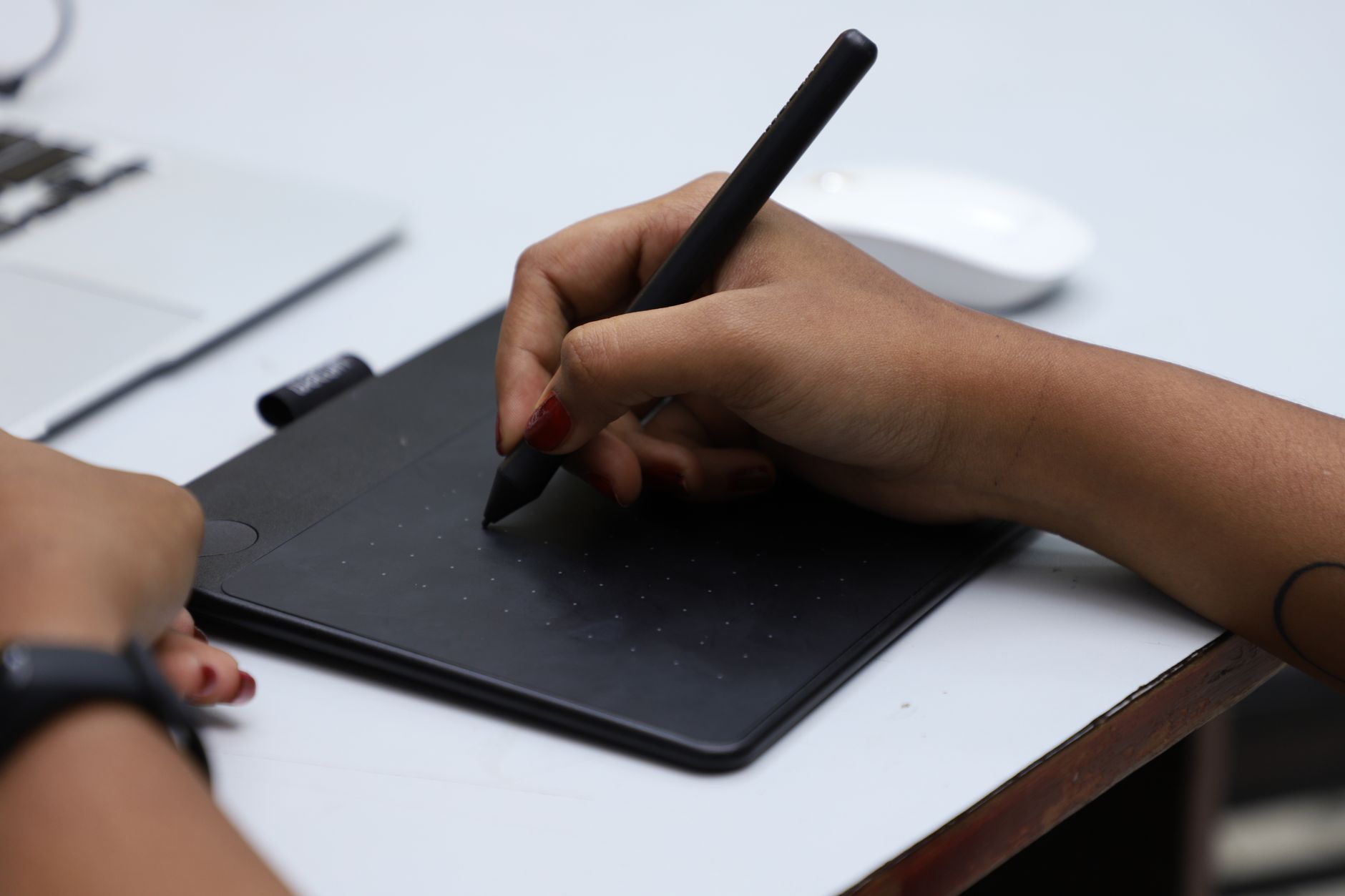
Beyond the screen, the Yoga 9n introduces a unique way to interact with the device. The haptic trackpad is designed to facilitate a “Wacom-like experience,” allowing users to perform precise drawing or note-taking tasks directly on the trackpad. This approach provides a significant advantage for artists who wish to avoid blocking their view of the OLED screen with their hands while working.
The Apple Comparison: Will the MacBook Follow?
Speculation regarding Apple’s hardware roadmap has reached a fever pitch following the performance of Arm-based competitors like the Lenovo Yoga 9n. There are widespread reports that a long-rumored touchscreen MacBook might be announced as early as next week. While the industry has long doubted Apple’s willingness to embrace the 2-in-1 convertible market, the success of high-performance Arm-based laptops is making the conversation more relevant.
Historically, Apple has maintained a strict distinction between the MacBook line and the iPad line, often citing user experience concerns regarding touch input on traditional laptop chassis. However, the Yoga 9n demonstrates that when paired with advanced architecture like Nvidia’s RTX Spark, a 2-in-1 form factor can be a highly efficient workstation rather than a mere compromise. If Apple does introduce a touchscreen MacBook, the industry will be watching to see if they adopt a convertible hinge or maintain a traditional clamshell design with touch capabilities.
What It Means for You
The emergence of high-powered 2-in-1 devices like the Lenovo Yoga 9n creates different implications for various user groups:
For Creative Professionals
If you are a digital artist, architect, or designer, the combination of an OLED display and a haptic-enabled input system offers a new way to work. The ability to switch to tablet mode for sketching, while benefiting from the unified memory of the RTX Spark platform, provides a level of mobility that was previously reserved for less powerful tablets.
For Power Users and Developers
If you rely on high-performance computing, the transition to Arm-based architectures like the RTX Spark platform is a critical development. The efficiency of unified memory means you can expect smoother performance in GPU-intensive applications, potentially reducing the need for bulky external desktop setups.
For Students and Note-Takers
The ability to use the Yoga 9n in portrait tablet mode makes it an exceptional device for reading and annotating large documents. The magnetic stylus ensures that your primary tool for note-taking is always within reach and securely stored.
Counterpoints and Open Questions
Despite the advantages, the 2-in-1 form factor is not without its critics. Some users view these devices as a “weird compromise” between the specialized strengths of a dedicated laptop and a dedicated tablet. A 16-inch device, while powerful, can be cumbersome to use in tablet mode compared to a lightweight iPad or a smaller Android tablet.
Furthermore, several questions remain regarding the long-term software optimization for Arm-based workstations. While Nvidia’s RTX Spark platform is making strides, the software ecosystem must continue to evolve to fully leverage the benefits of unified memory and integrated Arm GPUs. There is also the question of whether Apple’s rumored touchscreen MacBook will actually embrace the 2-in-1 form factor or if it will simply be a clamshell with a touch-sensitive layer, which would be a fundamentally different user experience.
What Happens Next
The tech industry is currently awaiting a major catalyst: the rumored Apple event scheduled for next week. This event is expected to provide clarity on whether Apple is finally moving into the touchscreen market.
In the interim, the market for Arm-based workstations will likely continue to expand. Watch for further updates on the Nvidia RTX Spark ecosystem and how other manufacturers respond to Lenovo’s integration of high-end 2-in-1 versatility with professional-grade Arm architecture. The competition between the Windows-based Arm ecosystem and Apple’s proprietary silicon is entering a new, more versatile phase.
Frequently Asked Questions
What is the Nvidia RTX Spark platform?
The Nvidia RTX Spark platform is an Arm-based computing architecture designed for high-performance workstations. It features a powerful integrated GPU and utilizes unified memory to enhance the efficiency of data-intensive tasks, making it a competitor to Apple’s silicon in the professional laptop market.
How does the Lenovo Yoga 9n differ from other laptops?
Unlike most professional workstations that use a traditional clamshell design, the Lenovo Yoga 9n is a 16-inch 2-in-1 convertible. This allows it to function as a laptop, a tent for media, or a tablet for drawing and note-taking, all while running on the high-performance RTX Spark platform.
Can you use the Lenovo Yoga 9n for professional drawing?
Yes. The device is equipped with an OLED display and includes a magnetic stylus. Additionally, it features a haptic trackpad that is designed to provide a “Wacom-like experience,” allowing for precise input without the user’s hand obstructing the screen.
Is Apple making a touchscreen MacBook?
While there are strong rumors that Apple may announce a touchscreen MacBook next week, this has not been officially confirmed by Apple. The industry is currently speculating on whether the device will be a traditional clamshell or a 2-in-1 convertible.
Summary
The Lenovo Yoga 9n represents a significant intersection of high-performance Arm architecture and versatile hardware design. By combining the Nvidia RTX Spark platform with a 16-inch 2-in-1 chassis, Lenovo has created a workstation that challenges the traditional boundaries between laptops and tablets, all while the industry awaits Apple’s next move in the touchscreen space.
References
Featured image: Photo by Sommart Sopon on Pexels