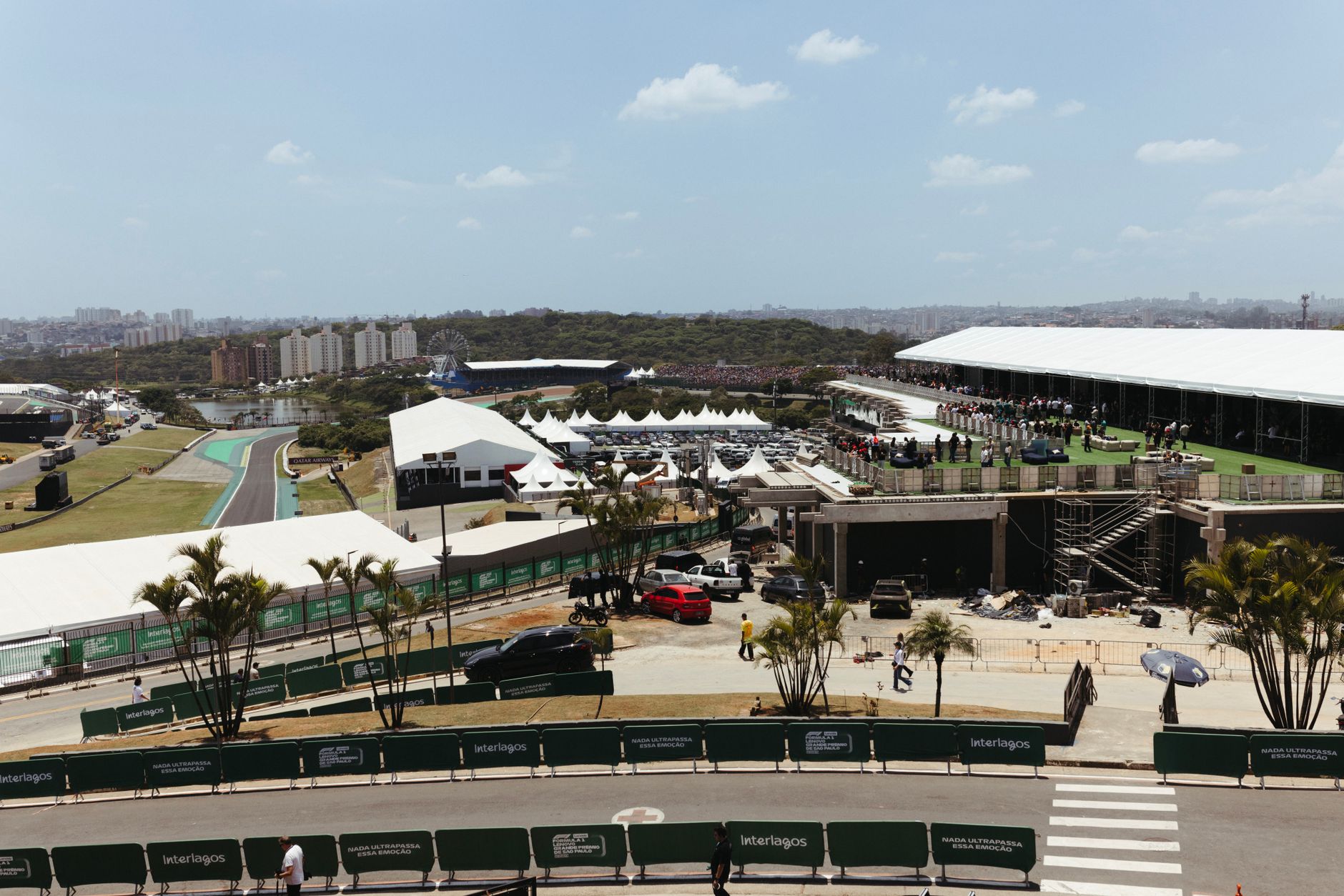
The US Grand Prix FP1 session concluded with Charles Leclerc setting the benchmark at a challenging and physically demanding Circuit of the Americas (COTA) in Austin, Texas.
Key Takeaways
- Charles Leclerc topped the first practice session with a time of 1m36.052s, narrowly beating Max verstappen.
- Track conditions at COTA proved difficult, with high bumpiness and heat causing significant handling issues for several drivers.
- Williams struggled significantly, with both Alex Albon and Carlos Sainz reporting poor car behavior and lock-ups.
- Mercedes showed competitive potential through rookie kimi antonelli and George Russell, despite technical feedback regarding understeer.
- The FIA conducted specific Power Unit software testing at the end of the session to refine low-grip mode protections.
- Red Bull’s Max Verstappen reported unusual steering friction during his run.
- If you are a Ferrari supporter, expect continued strength in qualifying, provided the team can manage tire degradation on the bumpy surface.
- If you are following the championship battle, watch closely how Red Bull resolves the steering and handling issues reported by Verstappen.
- If you are interested in technical developments, pay attention to the FIA’s software updates, as these could impact power delivery in low-grip scenarios.
- Setup Stability: Whether Williams can resolve the bouncing issues reported by Albon.
- Steering Reliability: If Red Bull can fix the non-linear steering feedback reported by Verstappen.
- FIA Implementation: How the new Power Unit software protections affect car behavior in subsequent sessions.
- Tire Management: How the C2, C3, and C4 compounds hold up under the 40°C track temperatures during longer stints.
- www.autosport.com
What Happened in Austin
As the US Grand Prix FP1 session commenced under sunny skies, the atmosphere at the Circuit of the Americas was immediately defined by high temperatures. With an air temperature of 27°C and a track temperature reaching 40°C, teams had to manage significant thermal loads from the outset. The session began with Franco Colapinto leading the field onto the circuit, marking the start of a session characterized by technical experimentation and driver frustration.
Charles Leclerc eventually claimed the top spot, posting a 1m36.052s lap. He managed to edge out Max Verstappen by a margin of just 0.084s. The session was not without its drama, as the bumpy nature of the Austin circuit led to numerous track limit violations. Drivers such as Esteban Ocon, Ollie Bearman, and Liam Lawson all saw laps deleted due to excursions at Turn 12 and Turn 19, the latter of which proved particularly treacherous.
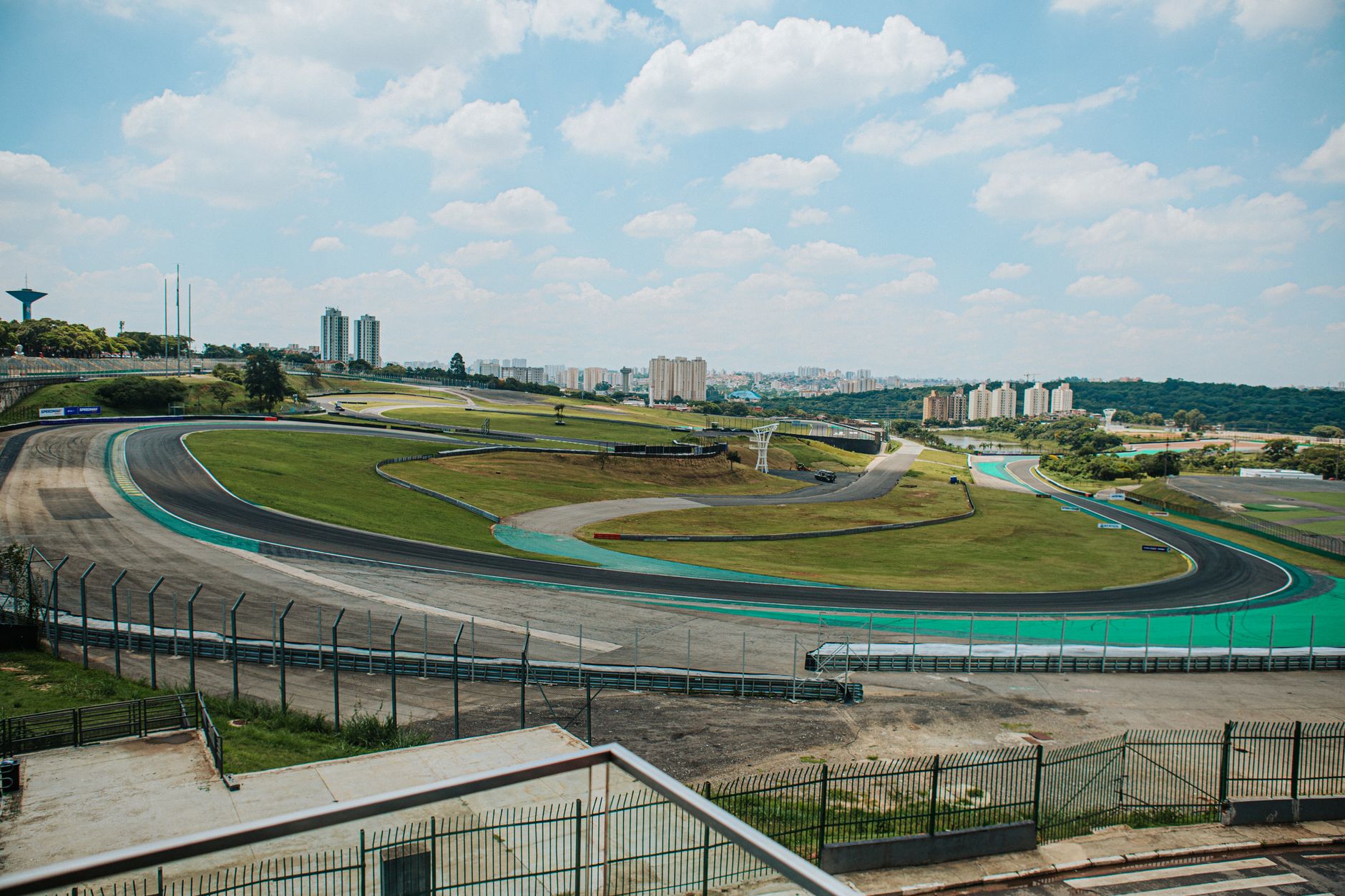
Early in the session, Max Verstappen showed strength on soft tires, briefly clocking a 1m35.860s, though the lap was complicated by a wide exit at Turn 19. Mercedes also made early headlines through rookie Kimi Antonelli, who found himself on medium tires unexpectedly but still managed to secure a top-five position. As the session progressed, teams shifted toward longer runs to evaluate tire degradation and ride-height adjustments necessitated by the circuit’s unique topography.
FP1 Top 5 Results
| Position | Driver | Team | Time (s) | Gap to Leader |
|---|---|---|---|---|
| 1 | Charles Leclerc | Ferrari | 1:36.052 | — |
| 2 | Max Verstappen | Red Bull | 1:36.136 | +0.084 |
| 3 | Lando Norris | McLaren | 1:36.297 | +0.245 |
| 4 | George Russell | Mercedes | ~1:36.500 | < 0.500 |
| 5 | Kimi Antonelli | Mercedes | 1:36.513 | +0.461 |
Why It Matters: Technical Challenges and Track Surface
The significance of this session lies in the technical hurdles presented by the Austin circuit. COTA is notoriously bumpy, a factor that became evident as cars began to struggle with stability through the high-speed sections. Alex Albon experienced significant bouncing through the Esses, which ultimately contributed to a lock-up at Turn 12. Similarly, Carlos Sainz found the Williams FW48 “horrendous to drive,” with his performance dropping to 19th as the team worked to address the car’s handling.
Furthermore, the session served as a critical testing ground for the FIA. According to an official statement from the FIA, the governing body utilized the end of FP1 to run simulations for Power Unit software refinements. This testing involved cars running in a “low grip mode” at Turn 15 to test additional software protections. This move follows recent efforts to address low power setting issues experienced during the Malaysia weekend.
Driver Feedback and Mechanical Concerns
The feedback from the cockpit highlighted several mechanical and aerodynamic concerns that teams must address before qualifying. Max Verstappen reported to his race engineer, Tom Hart, that the steering wheel felt non-linear, stating, “The steering wheel feels weird, when I turn left there’s friction.” This type of feedback is critical for Red Bull as they attempt to refine the car’s setup for the high-speed demands of the Texas circuit.
George Russell also reported issues with the Mercedes car, noting, “Check front wing, something’s happened. Something felt weird during the high speed and I suddenly got loads of understeer.” These reports suggest that while the Mercedes cars are showing competitive pace—with Antonelli posting a time within 1.2s of the Ferraris on hard tires—they are still grappling with aerodynamic stability.
Deep Dive: Team Performance and Strategic Shifts
The Ferrari and Red Bull Duel
Ferrari demonstrated strong early pace, with Leclerc consistently finding time on both medium and soft compounds. The Monegasque driver’s ability to manage the car through the bumpy sectors allowed him to maintain a narrow lead. In contrast, Red Bull appears to be in a phase of fine-tuning. While Verstappen was close to the lead, the steering issues and the difficulty in navigating Turn 19 suggest that the Red Bull package may require further adjustments to handle the track’s aggressive surface.
Mercedes’ Youthful Surge
Mercedes utilized the session to explore updates and evaluate their driver lineup. Kimi Antonelli provided a significant boost to the team’s morale, demonstrating that he could operate within the top five, even when operating on different tire compounds than his teammates. His ability to stay within 0.461s of Leclerc on a session where track limits were a major issue indicates a high level of adaptability.
The Williams Struggle
For Williams, the session was a struggle for stability. Both Albon and Sainz faced difficulties with the FW48, which appeared to suffer from significant bouncing and poor adhesion in high-speed corners. The team spent much of the session working on the front of the cars to mitigate these issues. The combined-cornering and “three-wheeling” tendencies of the car remain a primary concern for the engineers as they head into the higher-stakes sessions.
What It Means for the Weekend
For fans and stakeholders, the results of US Grand Prix FP1 suggest a weekend defined by technical precision and physical endurance.
Counterpoints and Open Questions
While the session provided valuable data, several questions remain unanswered. First, is the early pace set by Ferrari and Mercedes truly representative of race pace? The use of different tire compounds—specifically the Pirelli C2, C3, and C4—means that the current leaderboard may not reflect how the cars will behave over a full race distance in the Texas heat.
Additionally, the issue of track limits remains a contentious point. With multiple drivers losing laps at Turn 12 and Turn 19, there is a question of whether the circuit’s boundaries are too narrow for the current generation of high-downforce cars, or if drivers are being overly aggressive in their search for time.
What Happens Next
The focus now shifts to Free Practice 2 (FP2), where teams will move away from single-lap qualifying simulations and toward long-run race simulations. Key milestones to watch include:
Frequently Asked Questions
Who led the US Grand Prix FP1 session?
Charles Leclerc of Ferrari led the first practice session at the Circuit of the Americas, posting a fastest time of 1m36.052s. He was followed closely by Max Verstappen, who finished just 0.084s behind.
What were the main technical issues reported by drivers?
Drivers reported several issues, including significant car bouncing at Williams, understeer at Mercedes, and non-linear steering friction in the Red Bull of Max Verstappen. The track’s bumpiness was a recurring theme for all teams.
Why was the FIA testing software at Turn 15?
The FIA conducted tests at Turn 15 to refine Power Unit software for low-grip modes. This is part of an ongoing effort to ensure additional software protections are in place, following issues seen in previous racing weekends.
How did the weather affect the practice session?
The weather was warm and sunny, with an air temperature of 27°C and a track temperature of 40°C. These high temperatures required teams to carefully manage tire temperatures and engine cooling.
Closing Summary
The US Grand Prix FP1 session established a high bar for performance, with Ferrari showing early dominance. However, the technical challenges posed by the bumpy Austin track and the high thermal loads suggest that the upcoming sessions will be a battle of engineering adaptability. As teams move into qualifying and race preparations, the ability to manage both mechanical stability and software-driven power delivery will be the deciding factor.
References
Featured image: Photo by Jonathan Borba on Pexels