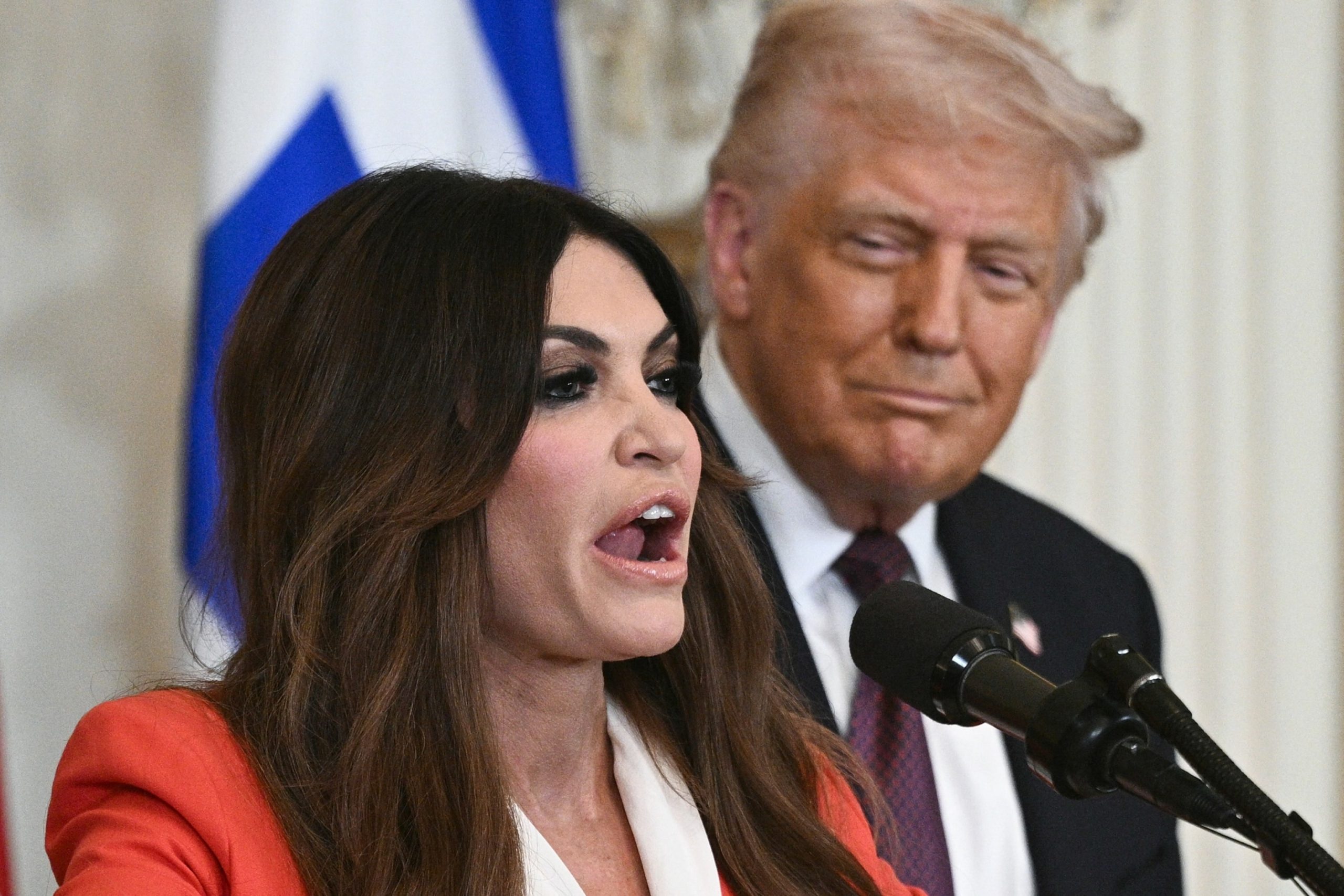
The Kimberly Guilfoyle ambassador controversy has escalated significantly following President Donald Trump‘s announcement on Monday, October 12, 2026, that his administration is “looking at” the potential dismissal of the U.S. Ambassador to Greece. The decision comes in the wake of serious allegations involving financial impropriety and potential “pay-to-play” conduct, centered on a request for a $100,000 wire transfer to settle a personal credit card bill.
Key Takeaways
- Potential Dismissal: President Donald Trump stated the administration is “not happy” and is considering firing Kimberly Guilfoyle from her post in Greece.
- Pay-to-Play Allegations: Businessman Eric deters alleges Guilfoyle requested $100,000 to pay a personal American Express bill in exchange for political assistance.
- Evidence Under Scrutiny: Deters has provided text messages and documents to news outlets, while The Wall Street Journal has reported on audio recordings involving Greek businessmen.
- Official Investigation: The State Department’s Office of Inspector General (OIG) has launched an investigation into the ethics concerns.
- Legal Defense: Guilfoyle’s legal counsel disputes the authenticity of the evidence, claiming the funds sought were for legitimate, pre-existing professional engagements.
- Diplomatic Friction: The scandal has emerged during a high-profile diplomatic visit to Athens by Secretary of State Marco Rubio.
- For Voters and Citizens: This case serves as a litmus test for government accountability. The outcome will signal whether the administration prioritizes ethical standards and the rule of law over political loyalty.
- For Foreign Policy Professionals: The situation highlights the heightened scrutiny and personal risks associated with high-profile diplomatic appointments. It underscores the importance of strict adherence to ethics guidelines regarding personal finances.
- For Political Observers: The decision to retain or fire Guilfoyle will be a key indicator of how the Trump administration handles internal scandals and whether it is willing to distance itself from controversial figures to protect institutional credibility.
- The OIG Investigation: The findings of the State Department’s Inspector General will be the primary driver of any formal disciplinary action.
- The White House Decision: President Donald Trump must decide if the political damage of keeping Guilfoyle outweighs the potential backlash of firing her.
- Secretary Rubio’s Response: As the Secretary of State, Rubio’s stance on the matter—once he has more information—will signal the State Department’s internal position.
- Legal Proceedings: Should the investigation find evidence of criminal conduct, the matter could move from an administrative dismissal to a legal prosecution.
- www.cbsnews.com
- abcnews.com
- www.washingtonpost.com
What Happened
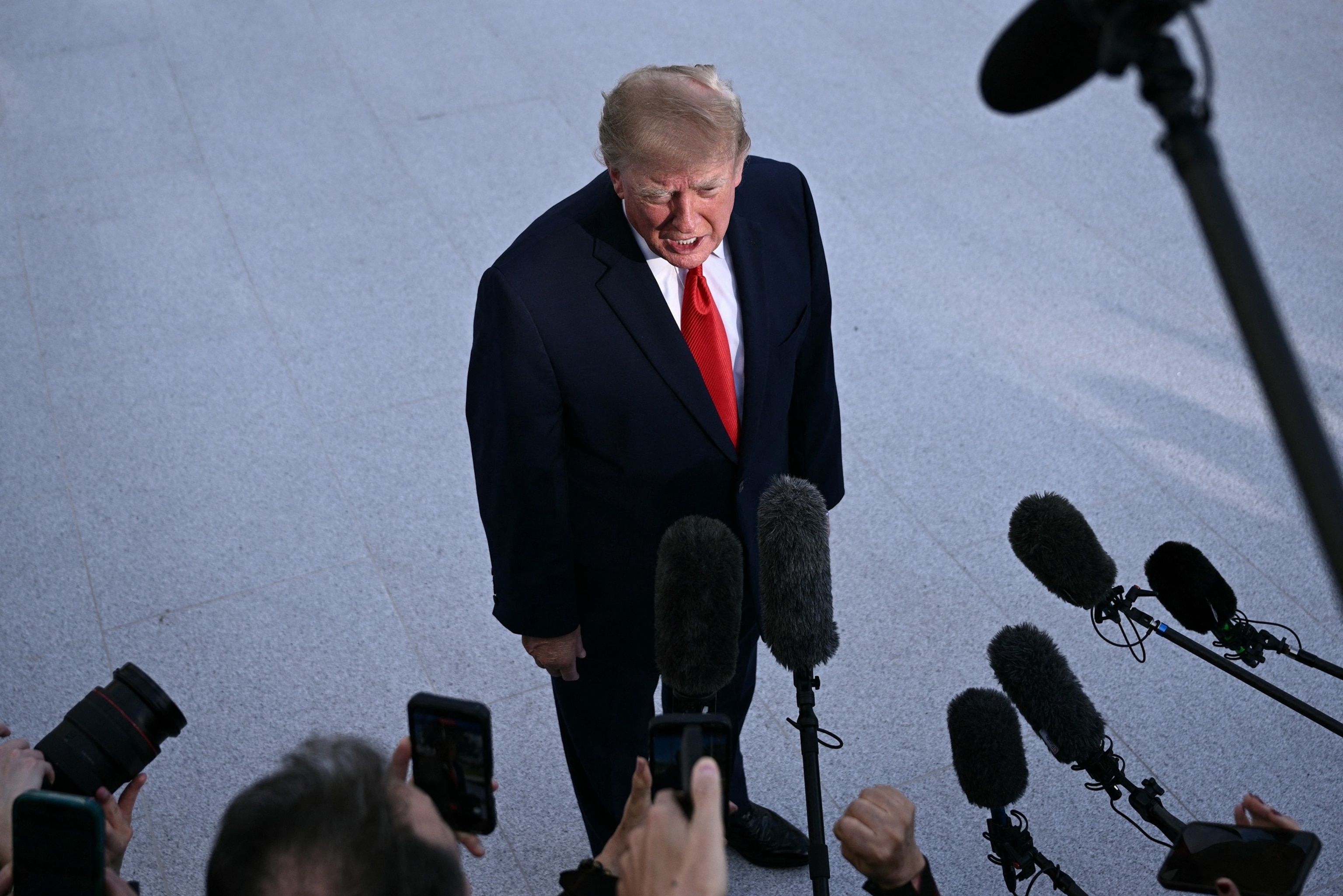
On Monday, October 12, 2026, while departing the White House for a campaign rally in Ohio, President Donald Trump addressed reporters regarding the growing scandal surrounding Kimberly Guilfoyle. When asked about the future of the U.S. Ambassador to Greece, the President stated, “Well, we’re looking at it. Yeah, we’re not happy.”
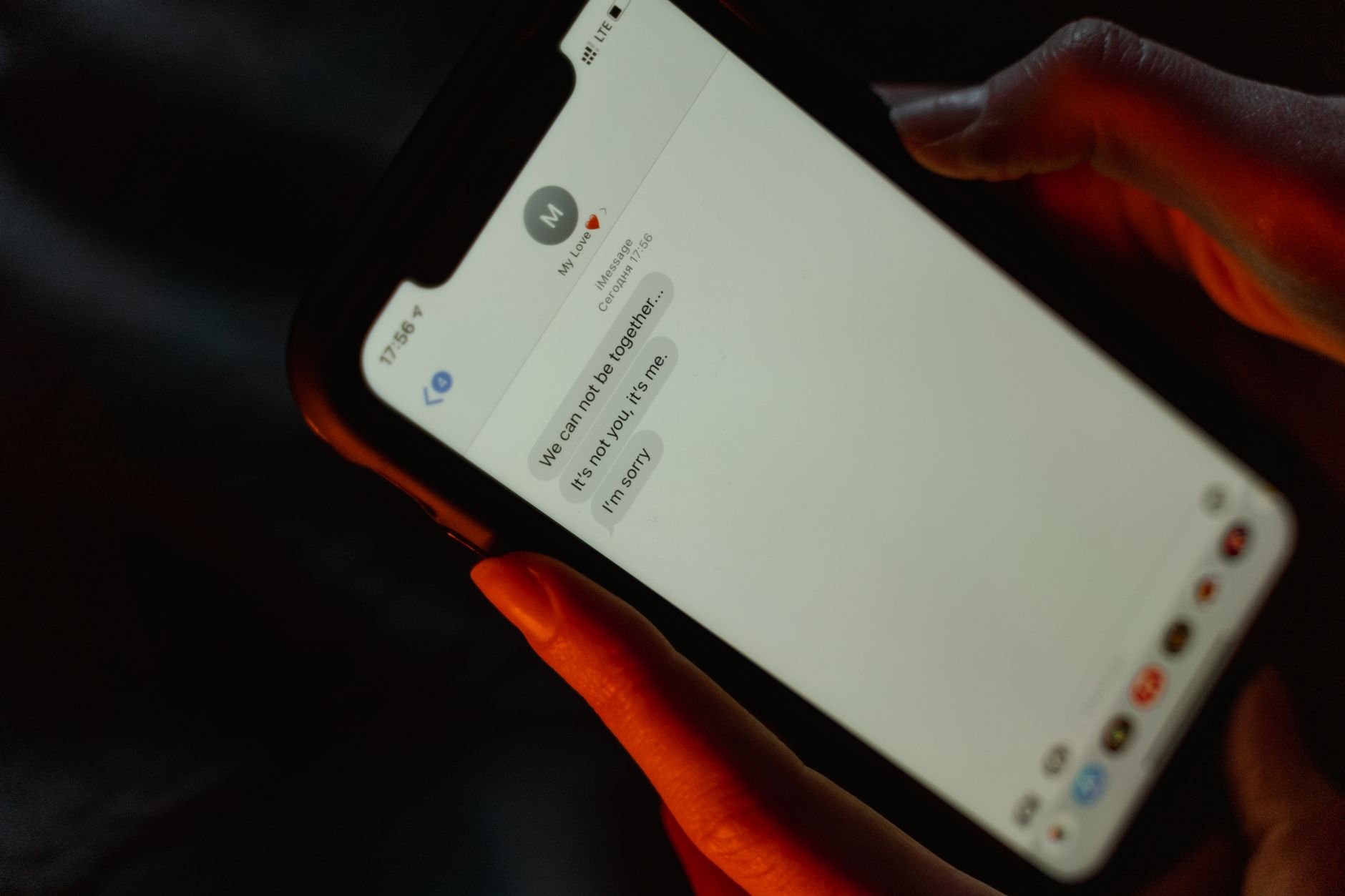
The controversy was ignited by Eric Deters, a Trump supporter and former congressional candidate, who provided documents, emails, and text messages to The Washington Post and CBS News. Deters alleges that during the period surrounding Guilfoyle’s Senate confirmation in July 2025, she solicited a $100,000 wire transfer to cover her personal American Express account. According to the text messages provided by Deters, Guilfoyle allegedly wrote, “It won’t show up anywhere if you wire money to American Express that’s all it will show … Please,” and in another instance, “Honey please I need you to get this done for me today.”
Deters, who has supported the trump administration since 2016, claims he declined the request, noting he could not make the payment “without getting a divorce.” He further characterized the interaction as “all quid pro quo,” suggesting that the financial favor was linked to her ability to navigate the administration and her Senate confirmation process.
Adding to the complexity, The Wall Street Journal published reports over the weekend regarding the existence of audio recordings. These recordings allegedly feature Guilfoyle discussing travel benefits provided by Greek businessmen and encouraging foreign interests to engage with specific tycoons, including John Catsimatidis, the President and CEO of Gristedes.
Why It Matters
The Kimberly Guilfoyle ambassador controversy is not merely a personal scandal; it strikes at the heart of diplomatic integrity and the vetting process for presidential appointees. If the allegations of “pay-to-play” are substantiated, it suggests that access to high-level U.S. officials and the confirmation process itself may have been leveraged for personal financial gain.
For the U.S. State Department, the scandal creates immediate internal and external friction. The investigation by the Office of Inspector General (OIG) places the department under intense scrutiny. Furthermore, the timing of the allegations—occurring as Secretary of State Marco Rubio conducts a diplomatic mission in Athens—threatens to overshadow critical U.S.-Greek relations and may signal instability in American foreign policy leadership in the Mediterranean.
The Allegations: Pay-to-Play and Personal Expenses
The core of the investigation rests on whether Kimberly Guilfoyle used her position, or the promise of her position, to solicit funds for personal use. Deters claims he paid Guilfoyle $300,000 in speaking fees while simultaneously seeking her assistance with tax matters and the extradition of an Ohio doctor charged with insurance fraud who had fled to Pakistan. This intersection of personal payments and requests for government assistance forms the basis of the “pay-to-play” accusation.
Guilfoyle’s legal team has countered these claims. According to a statement released via The Associated Press on Sunday, October 11, 2026, her lawyers maintain that the funds discussed were related to legitimate, pre-existing professional engagements and speaking appearances that occurred prior to her nomination and remained unpaid. They have explicitly disputed the authenticity of the text messages provided by Deters.
The WSJ Report: Audio Recordings and Foreign Influence
While the Deters allegations focus on domestic political donors, the report from The Wall Street Journal introduces a potential international dimension. The reported audio recordings suggest a pattern of behavior where Guilfoyle may have accepted travel benefits from Greek business interests.
Specifically, the reports allege that Guilfoyle discussed how these businessmen funded her travel and, more critically, that she used her diplomatic influence to encourage foreign governments to conduct business with specific individuals. This raises questions about whether the interests of the United States were being balanced against the interests of private foreign entities—a direct violation of the ethical standards expected of an ambassador.
Timeline of the Controversy
To understand the current crisis, it is necessary to look at the timeline of Guilfoyle’s tenure and the emergence of these claims:
July 2025: Kimberly Guilfoyle undergoes her Senate confirmation hearing.
September 2025: Guilfoyle is officially confirmed as the U.S. Ambassador to Greece.
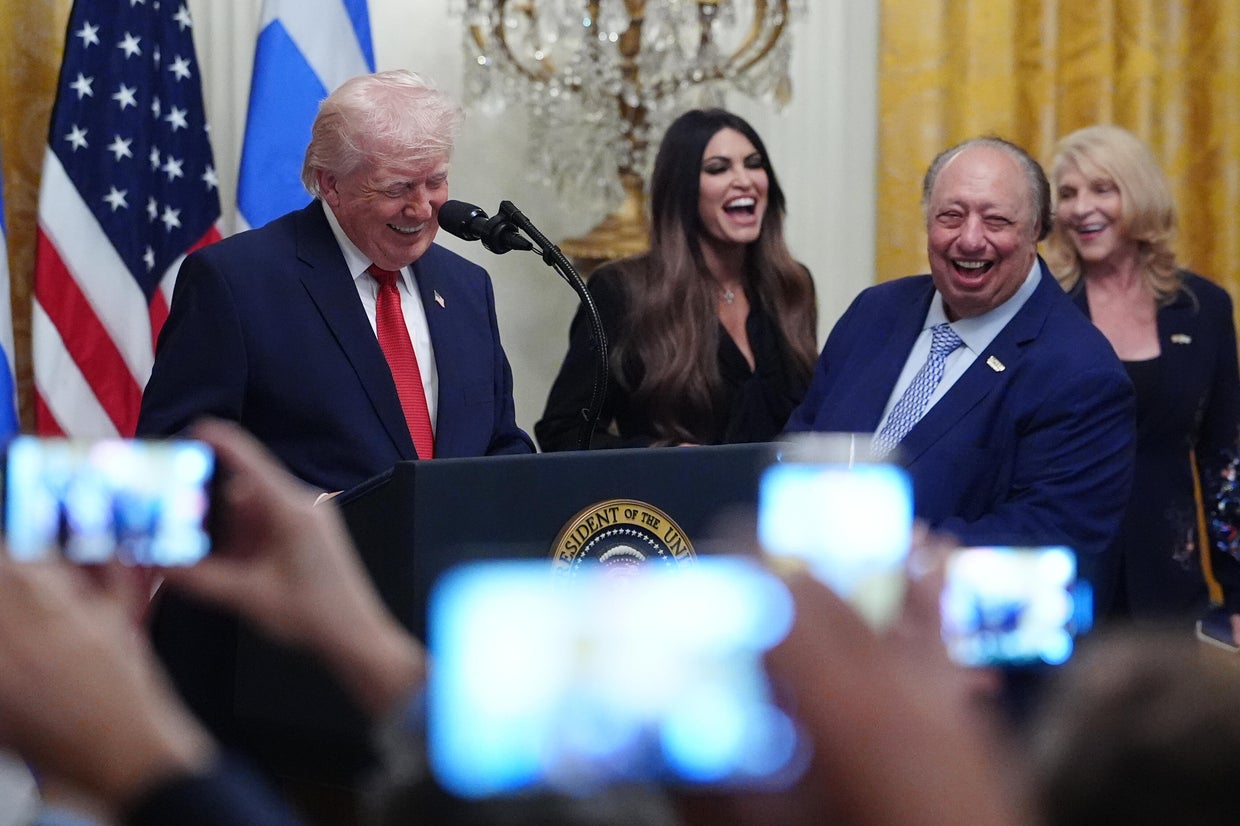
March 24, 2025: (Contextual) Guilfoyle participates in a Greek Independence Day celebration at the White House.
Late September 2026: The Wall Street Journal publishes reports regarding audio recordings of Guilfoyle.
Last Week (Relative to Oct 12): Secretary of State Marco Rubio conducts a high-profile visit to Athens, Greece.
Last Week (Relative to Oct 12): Eric Deters provides text message screenshots to CBS News.
Sunday, October 11, 2026: Guilfoyle’s lawyers release a statement defending her actions.
Monday, October 12, 2026: President Donald Trump publicly states he is “looking at” firing the Ambassador.
Key Figures and Stakeholders
The following table outlines the primary individuals and organizations involved in the current situation:
| Stakeholder | Position/Reaction |
|---|---|
| President Donald Trump | Expressing dissatisfaction; actively considering termination of employment. |
| Kimberly Guilfoyle | Seeking legal advice; disputing evidence via counsel; consulting administration aides. |
| Eric Deters | Accuser; former lawyer and Trump donor; alleging corruption and quid pro quo. |
| Trump Administration Aides | Reported to be expressing “displeasure” regarding the allegations. |
| Marco Rubio (Sec. of State) | Refusing to comment on the immediate allegations while in Athens.
| U.S. Embassy in Greece | Issued a statement of support, stating the Ambassador remains committed to integrity. |
| State Department OIG | Conducting an investigation into potential ethics violations. |
Profile of the Accuser: Eric Deters
Central to this controversy is Eric Deters, whose own professional history has been a point of scrutiny. Deters is a former lawyer and conservative media personality who has been a supporter of the Trump administration since 2016. However, his legal career has been marked by significant disciplinary actions.
According to records, Deters’ law license was suspended in 2012 following actions in multiple cases, including improper solicitation. In 2021, the Kentucky Supreme Court refused to reinstate his license, citing what it described as a “notorious propensity” for frivolous litigation. Deters has also attempted to enter the political arena, running for Governor of Kentucky in 2023 and for Kentucky’s 4th Congressional District in 2024, losing in both primary elections.
While Deters’ credibility is being challenged by Guilfoyle’s legal team, his provision of digital evidence—including text messages and emails—has forced the administration to take the allegations seriously.
Diplomatic and Political Implications
The potential removal of a high-ranking ambassador during a period of active diplomatic engagement carries heavy consequences.
1. U.S.-Greece Relations: The U.S. Embassy in Greece has issued a statement to The Wall Street Journal asserting that Guilfoyle’s “career in and out of public service is guided by deep and abiding values.” However, if the Ambassador is removed amid corruption charges, it could create a leadership vacuum in Athens at a time when Secretary Marco Rubio is attempting to strengthen bilateral ties.
2. Political Integrity: The scandal threatens to fuel criticisms regarding the vetting and appointment process for political appointees within the Trump administration. If an ambassador can allegedly solicit personal funds from donors in exchange for political access, it undermines the perceived legitimacy of the entire diplomatic corps.
3. Administrative Stability: The fact that the President is “looking at” firing an appointee who serves at his pleasure—meaning she can be removed without congressional approval—suggests a period of internal volatility as the White House weighs the political cost of her continued service against the damage caused by the investigation.
What It Means for You
Depending on your role in society, the outcome of the Kimberly Guilfoyle ambassador controversy may have different implications:
Counterpoints and Open Questions
While the allegations are serious, several factors remain unconfirmed or contested, presenting significant risks to any immediate conclusion:
The Authenticity of Evidence: The most significant counterpoint is the dispute raised by Guilfoyle’s legal counsel regarding the text messages. If the digital evidence is found to be manipulated or taken out of context, the “pay-to-play” narrative could collapse.
The Nature of the Payments: If the $300,000 paid by Deters is proven to be for legitimate, documented speaking engagements, the allegation of a bribe or quid pro quo becomes much harder to sustain.
The Scope of the Audio Recordings: It remains unclear exactly what was said in the Wall Street Journal-reported audio recordings. There is a distinction between discussing travel benefits and actively soliciting improper influence.
The OIG Findings: Until the State Department’s Office of Inspector General concludes its investigation, the allegations remain unproven. The administration faces the risk of a wrongful termination claim if they act before the investigation provides definitive proof of misconduct.
What Happens Next
Several catalysts will determine the resolution of this crisis:
Frequently Asked Questions
What are the specific allegations against Kimberly Guilfoyle?
Kimberly Guilfoyle is accused of engaging in “pay-to-play” conduct. Specifically, businessman Eric Deters alleges she requested $100,000 to pay a personal American Express bill in exchange for political influence or assistance during her Senate confirmation process. Additionally, there are allegations involving audio recordings of her discussing travel benefits provided by Greek businessmen.
Who is Eric Deters?
Eric Deters is a Trump supporter, a former congressional candidate in Kentucky, and a former lawyer. His law license was suspended in 2012 and was denied reinstatement by the Kentucky Supreme Court in 2021. He is the primary accuser in the current controversy, having provided text messages and documents to news organizations.
Can the President fire an ambassador without a reason?
Yes. As a presidential appointee, an ambassador serves at the pleasure of the President. This means the President has the authority to remove them from their post at any time, without requiring congressional approval or a formal finding of legal misconduct.
What is the role of the State Department’s Inspector General?
The Office of Inspector General (OIG) is an independent unit within the State Department tasked with investigating allegations of fraud, waste, abuse, and misconduct. In this case, the OIG is examining whether Kimberly Guilfoyle violated ethical standards or federal laws during her tenure.
References
Featured image: Image via ABC News