
The Kelly clarkson Brooklyn beef escalated into a high-stakes social media confrontation this October 2026, pitting the multi-platinum singer against a local Brooklyn Heights novelty shop over a $15,000 singing bird automaton.
Key Takeaways
- The Catalyst: Kelly Clarkson accused employees at Art of Play of judging her ability to afford a high-end item during a visit to their Brooklyn store.
- The Discrepancy: While Clarkson pointed to a $15,000 price tag on a bird named “Molly,” the store claimed the specific item was a permanent display piece and not for sale.
- The Escalation: The dispute moved from a single tweet on Saturday to a full-scale public back-and-forth involving Instagram stories and detailed rebuttals from both sides.
- The Resolution Attempt: Art of Play clarified that they had offered Clarkson a different, $2,000 German-made automaton, which they claim she did not stay to consider.
- The Scale: The store expressed concern over being “attacked” by Clarkson’s massive following, noting the impact of celebrity-driven scrutiny on small businesses.
- The Display vs. Sale Conflict: The store maintains that “Molly” is a functional part of their shop’s atmosphere and is fixed to the wall. Clarkson, however, saw a price tag, which in a retail setting typically signals availability.
- The Value of the Item: The $15,000 price tag acted as a lightning rod. To a customer, a price tag is an invitation to negotiate or purchase; to a curator, it may simply be an indicator of value for an item that is part of a permanent collection.
- The Communication Gap: The two parties describe the same interaction in vastly different ways. Clarkson describes a condescending encounter, while the store describes an attempt to accommodate a request for an unavailable item.
- It has not been independently verified whether the employee actually used the specific phrasing Clarkson attributed to them.
- The exact duration of the interaction remains unknown, making it difficult to confirm if Clarkson truly “did not stick around” to see the $2,000 alternative.
- Sales Data and Reviews: Whether Art of Play sees a long-term dip in foot traffic or a surge in “supportive” visits from the Brooklyn community.
- Social Media Activity: Whether Clarkson addresses the store’s clarification or if the topic fades from the digital news cycle.
- Brand Sentiment: How celebrity news outlets and pop culture commentators continue to frame the story—either as a consumer rights issue or a celebrity entitlement issue.
- www.thecut.com
What Happened
The dispute began on Saturday, October 10, 2026, when Kelly Clarkson took to her X (formerly Twitter) account to express her frustration following a trip to Art of Play, a novelty shop located in the upscale Brooklyn Heights neighborhood. Clarkson stated she had driven to the store specifically to browse their collection, noting that the shop “looked really rad” and that she had several items in mind for purchase.
However, the experience took a negative turn when Clarkson claimed an employee looked at her “as if I couldn’t afford it” and subsequently suggested she find something “comparable” instead. In a blunt post, Clarkson wrote, “Wow, dude. You’re an idiot and just lost a huge sale,” signaling the start of a viral controversy.
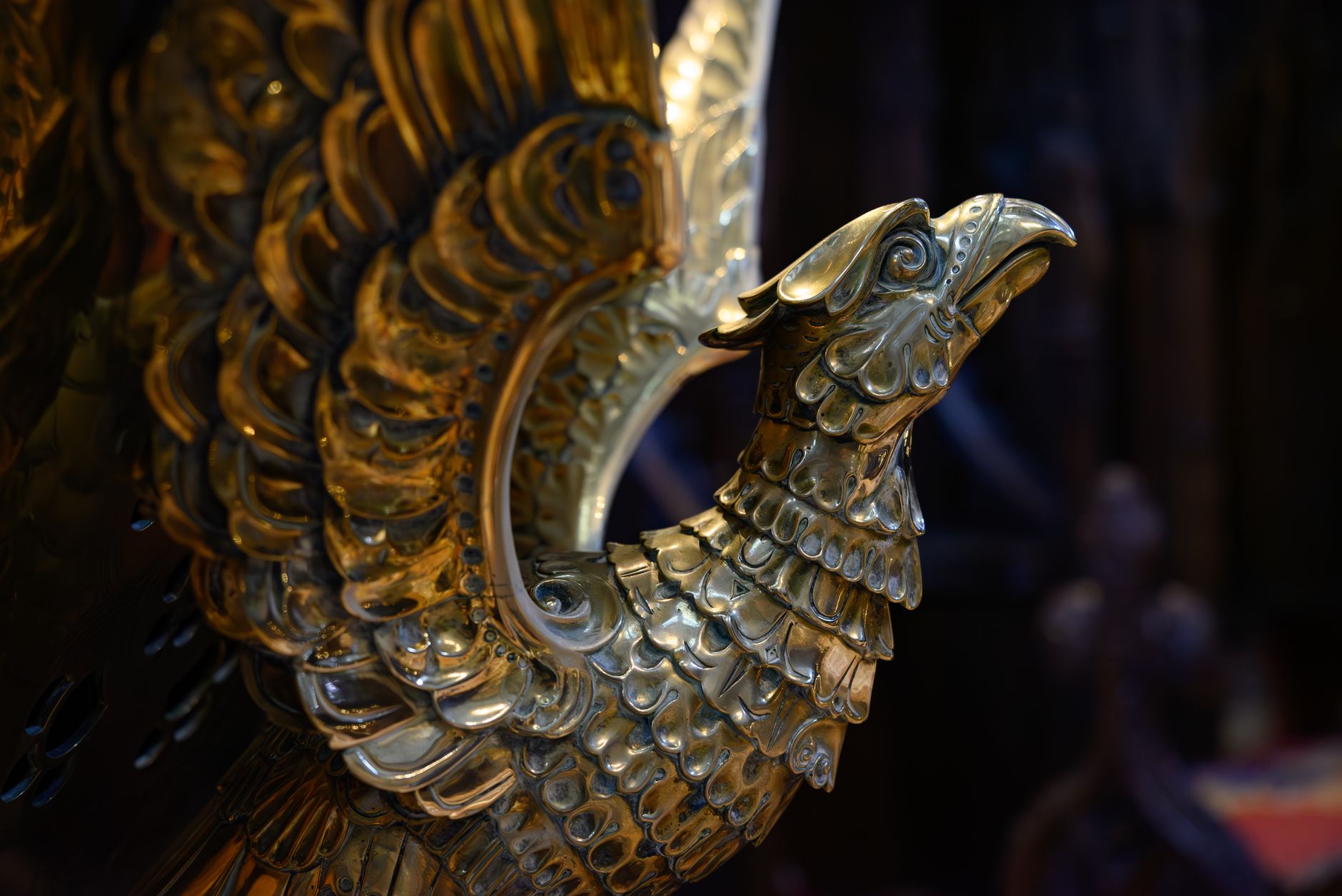
By Sunday, the owners of Art of Play—twin brothers Dan and Dave Buck and Adam Rubin—issued a public statement to address the allegations. The store clarified that Clarkson had inquired about a specific item named “Molly,” a one-of-a-kind singing and dancing bird automaton used in the shop’s magic shows. According to the store, “Molly” is permanently attached to the wall and is not an item available for retail purchase. The business expressed shock at the sudden influx of attention, stating, “Imagine our surprise when our small local business was suddenly attacked by 8 million people who have never visited our store.”
Clarkson did not accept this explanation. On Monday, October 12, she returned to X and shared Instagram stories accusing the shop of dishonesty. To support her claim, she posted a photograph of the bird in question, which featured a visible $15,000 price tag attached to the wall. Clarkson alleged that the interaction was far more condescending than the store’s statement suggested, claiming the employee “elevator eyed” her while stating the item was for sale but at a high price point.
Why It Matters
The Kelly Clarkson Brooklyn beef is more than just a celebrity disagreement; it highlights the volatile intersection of massive social media influence and the vulnerability of small, local businesses. When a celebrity with a following of millions expresses dissatisfaction, the resulting “digital pile-on” can have immediate and lasting consequences for a niche retailer.
For Art of Play, the stakes involve reputation management and the ability to survive a sudden wave of negative publicity. For Clarkson, the incident touches on the sensitive issue of how high-profile individuals are perceived and treated in retail environments, specifically regarding assumptions about wealth and class.
The Mechanics of the Dispute: “Molly” and the Price Tag
At the heart of the conflict lies a fundamental misunderstanding—or a disagreement over intent—regarding the item known as “Molly.” The tension is fueled by three distinct factors:
Deep-Dive: Stakeholder Perspectives and Reactions
As the feud progressed, both sides utilized their respective platforms to frame the narrative. The following table summarizes the conflicting positions held by the primary stakeholders in the Kelly Clarkson Brooklyn beef.
| Stakeholder | Primary Claim | Supporting Evidence/Action |
|---|---|---|
| Kelly Clarkson | Was judged for her perceived wealth and lied to about item availability. | Posted a photo of the $15,000 price tag on X/Instagram. |
| Art of Play | The item was a non-sale display piece; they attempted to offer an alternative. | Issued statements via social media; cited the availability of a $2,000 alternative. |
| The Artist | Created the original “Molly” automaton and has a “twin” available. | The store noted the artist would part with a similar bird for $15,000. |
| The Public | Divided between supporting the celebrity and defending the small business. | Online comments and reposted supportive messages on Instagram. |
The Store’s Clarification and the “Twin” Bird
Following the backlash, Art of Play released a further clarification to provide more context regarding the $15,000 figure. The store explained that while the specific “Molly” unit is attached to the wall, the Seattle-based artist who created the piece has a nearly identical version. According to the store, the artist indicated a willingness to sell this “twin” bird for $15,000.
Furthermore, the shop defended its customer service by stating they had offered Clarkson a different singing bird automaton. This alternative, produced by a traditional clockmaking shop in Germany, was reportedly available for immediate purchase at a cost of approximately $2,000. The store’s statement noted, “She did not stick around long enough to see it,” suggesting that the interaction ended abruptly before a compromise could be reached.
What It Means for You
The fallout from the Kelly Clarkson Brooklyn beef offers several lessons for different groups of people:
For Small Business Owners
If you operate a niche or luxury retail business, this incident serves as a case study in social media crisis management. A single interaction with a high-profile individual can escalate into a global conversation within hours. Having clear signage for “display only” items and maintaining a calm, documented response strategy is essential when facing a sudden influx of digital scrutiny.
For Consumers and Fans
When witnessing celebrity-led controversies involving local businesses, it is important to look for the full context. As seen in this case, the presence of a price tag does not always guarantee an item is for sale, and the “truth” of an interaction often exists in the gap between two different perspectives.
For High-Net-Worth Individuals
For those who frequent high-end boutiques, the incident underscores the importance of clear communication with staff. Misunderstandings regarding item availability or price can quickly spiral into public disputes that may impact both the customer’s and the merchant’s brand.
Counterpoints and Open Questions
While both sides have presented their versions of events, several questions remain unanswered, and there are valid criticisms to be leveled at both parties.
Was the price tag misleading?
Critics of Art of Play argue that placing a $15,000 price tag on an item that is “permanently attached to the wall” and not for sale is poor retail practice. In a standard shopping environment, a price tag is a clear indicator of availability. If an item is for display purposes only, the absence of a “not for sale” disclaimer near the price could lead to the exact type of confusion experienced by Clarkson.
Was the service condescending?
Conversely, critics of Clarkson suggest that the celebrity’s reaction may have been disproportionate. While being “elevator eyed” is an unpleasant experience, the store maintains they were attempting to provide a comparable, more affordable option. The question of whether the employee’s tone was truly condescending or simply professional remains a matter of subjective interpretation.
The Unconfirmed Details:

What Happens Next
As of mid-October 2026, neither Kelly Clarkson nor Art of Play has issued a formal apology. The situation currently sits in a state of stalemate, with both parties standing by their original statements.
Observers should watch for the following signals:
Frequently Asked Questions
What is the “Molly” bird mentioned in the dispute?
“Molly” is a one-of-a-kind singing and dancing bird automaton created by a Seattle-based artist. It is a highly specialized mechanical piece used by Art of Play for their in-store magic shows. While the original “Molly” is attached to the shop’s wall and is not for sale, a nearly identical “twin” bird exists that was reportedly available for $15,000.
How much did the singing bird automaton cost?
The price mentioned in the dispute varies depending on the specific item. The unique “Molly” automaton featured a $15,000 price tag, though the store claimed this was for a similar version of the bird. The store also offered a different, German-made singing bird automaton for approximately $2,000.
Who owns Art of Play?
Art of Play is a novelty shop located in Brooklyn Heights, owned by twin brothers Dan and Dave Buck and Adam Rubin.
Why was Kelly Clarkson angry at the store?
Kelly Clarkson expressed anger because she felt the store employees judged her based on her perceived ability to afford a high-priced item. She claimed an employee was condescending and suggested she find something “comparable” after she inquired about a bird with a $15,000 price tag.
Closing
The Kelly Clarkson Brooklyn beef remains a polarizing moment in recent pop culture, serving as a reminder of how quickly a retail misunderstanding can transform into a global debate
References
Featured image: Photo by Gốm sứ Cương Duyên on Pexels