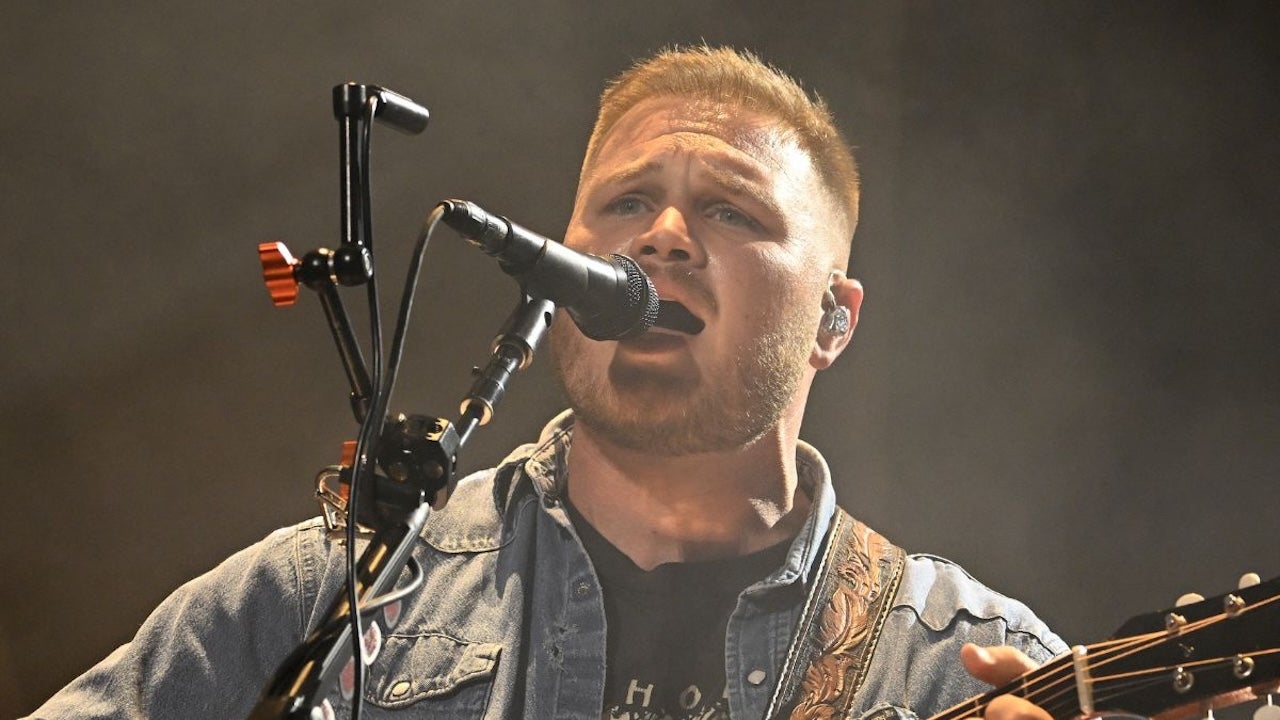
Zach Bryan Gillette Stadium became the center of a massive debate over political expression and corporate control on Friday, October 2, 2026, when the Grammy-winning country singer performed while wearing a “Free Palestine” T-shirt. The visual protest occurred at the Foxborough, Massachusetts, venue owned by NFL owner Robert Kraft, serving as a direct and highly visible act of solidarity with rapper macklemore, who was recently removed from Ed Sheeran’s “Loop” tour following similar political statements.
Key Takeaways
- Visual Protest: Zach Bryan wore a black “Free Palestine” shirt during his sold-out performance at Gillette Stadium on October 2, 2026.
- Industry Tension: The incident highlights a growing conflict between high-profile musical artists and major stadium owners regarding political messaging.
- The Macklemore Precedent: The gesture follows the removal of Macklemore from Ed Sheeran’s tour after he made pro-Palestinian remarks at MetLife Stadium in September 2026.
- Venue Ultimatum: Robert Kraft reportedly led a movement among stadium owners to pressure tour promoters to remove Macklemore from upcoming dates.
- Financial Response: In a complex turn of events, both Robert Kraft and Ed Sheeran have committed $2 million each to humanitarian aid in the region.
- Artist Solidarity: The controversy has led to a chain reaction, with artists like Finneas withdrawing from major tours in protest of perceived censorship.
- Macklemore’s European Tour: The performance and reception of the “Free Palestine Tour” in Dublin, Paris, and London will provide data on the commercial viability of politically driven, independent tours.
- Future Gillette Stadium Bookings: It remains to be seen if Robert Kraft will allow other artists with similar political leanings to perform at Gillette Stadium, or if the venue will implement stricter content guidelines.
- Contractual Shifts: Watch for changes in how Messina Touring Group and other major promoters draft contracts regarding political expression and venue requirements.
- Further Artist Solidarity: Whether more high-profile artists will follow the lead of Finneas and Zach Bryan in using their platforms for visual or professional protest.
- pagesix.com
- www.thewrap.com
- m.economictimes.com
- deadline.com
What Happened: A Night of Political Symbolism
On the evening of October 2, 2026, as thousands of fans gathered for Zach Bryan’s “With Heaven on Tour” stop at Gillette Stadium, the atmosphere was charged with more than just musical anticipation. The 30-year-old singer, known for hits like “Something in the Orange,” stepped onto the stage wearing a black T-shirt emblazoned with the words “FREE PALESTINE” and “AN APPEAL TO HEAVEN.”
This was not an isolated gesture. According to reports from TMZ, members of Bryan’s band also displayed support for the Palestinian cause, including guitarist Noah Le Gros, who wore a green Palestine-branded soccer jersey. The performance, which was a sold-out event, served as a silent but unmistakable rebuttal to the recent decisions made by venue owners and tour promoters regarding political speech.
This act of defiance at a Kraft Group-owned venue is significant because of the recent history involving Macklemore. Just weeks prior, in early September 2026, Macklemore (Benjamin Haggerty) performed at MetLife Stadium in New Jersey as an opening act for Ed Sheeran. During that set, he wore a keffiyeh and delivered a speech regarding the humanitarian crisis in Gaza, specifically citing the bravery of student activists at Columbia University.
Following that MetLife performance, the tour faced immediate repercussions. Macklemore alleged that Robert Kraft had contacted Ed Sheeran with an ultimatum: if Macklemore remained on the tour, the tour would be barred from playing at several major venues, including Gillette Stadium. Shortly thereafter, Macklemore was officially dropped from the remainder of the “Loop” tour.
Why It Matters: The Battle for the Stage
The events at Gillette Stadium represent more than just a disagreement between a singer and a stadium owner; they signal a fundamental shift in the power dynamics of the global touring industry. For decades, major concert venues have functioned as commercially neutral spaces. However, the recent friction between Macklemore, Zach Bryan, and Robert Kraft suggests that the stage is increasingly becoming a contested site for political activism.
The Economics of De-platforming
For touring artists, the stakes are incredibly high. A single political statement can lead to the loss of multi-million dollar contracts, the cancellation of stadium dates, and the alienation of venue owners who control access to massive audiences. As Macklemore noted in an Instagram post on September 24, 2026, there is a perceived struggle between the “collective awakening” of the public and the “power of billionaires that try to censor that call.”
Conversely, for venue owners like Robert Kraft, the priority is often brand stability and the prevention of what they characterize as divisive or offensive rhetoric. Kraft defended the decision to bar Macklemore from Gillette Stadium in a statement to Al Jazeera, noting that the rapper’s history of “antisemitic rhetoric and imagery” would have crossed a line that the venue was unwilling to permit.
A Chain Reaction of Solidarity
The fallout from the Macklemore removal was not limited to the rapper himself. The industry saw a significant wave of solidarity from other high-profile musicians. Finneas, the musician and brother of Billie Eilish, made the professional decision to withdraw from the remaining seven dates of Ed Sheeran’s tour. In a statement regarding his withdrawal, Finneas said, “Artists must not be silenced when they speak up for the oppressed. I stand with Palestine and its people.”
Other performers, including Aaron Rowe and Lukas Graham, as well as Sheeran’s backing band, Beoga, also reportedly dropped out of the tour. This exodus suggests that for a segment of the modern music industry, the professional risk of staying on a tour is outweighed by the moral cost of remaining silent.
Deep-Dive: Stakeholder Perspectives and Data
The conflict involves several key players, each with distinct motivations and justifications. The following table outlines the positions of the primary stakeholders involved in the recent controversy.
| Stakeholder | Primary Position | Key Action or Statement |
|---|---|---|
| Macklemore | Humanitarian advocacy for Gaza | Launched the sold-out “Free Palestine tour“; claimed censorship by billionaires. |
| Robert Kraft | Maintaining venue neutrality/preventing antisemitism | Barred Macklemore from Gillette Stadium; committed $2M to humanitarian aid. |
| Ed Sheeran | Maintaining tour stability and professional neutrality | Attributed the removal of Macklemore to the tour promoter, Messina Touring Group. |
| Zach Bryan | Visual solidarity with the Palestinian cause | Wore a “Free Palestine” shirt at a Kraft-owned venue during a sold-out show. |
| Messina Touring Group | Managing tour logistics and venue requirements | Acted as the intermediary between owners and artists; attempted to prevent political speeches. |
The Humanitarian Pivot
One of the most complex aspects of this controversy is the massive influx of charitable funding from both sides of the political divide. While the rhetoric has been sharp, the financial response has been significant.
Robert Kraft announced that he would commit $2 million to aid in the region to combat the humanitarian crisis, a move he stated was prompted by a conversation with Ed Sheeran. Similarly, Macklemore has also donated millions to non-profits aiding Gaza. This suggests that while the political and social lines are hardening, both the corporate entities and the individual artists are utilizing their significant financial resources to address the underlying humanitarian issues, albeit through different lenses.
The Symbolism of “Appeal to Heaven”
An interesting detail noted by researchers and observers is the inclusion of the phrase “AN APPEAL TO HEAVEN” on Zach Bryan’s shirt. According to the National Park Service, this slogan and the associated “Pine Tree” flag are historical references to the American Revolutionary campaign and George Washington’s Continental Army. By incorporating this specific phrasing, Bryan may be subtly invoking themes of individual liberty and resistance against perceived overreach, adding a layer of historical and political depth to his visual protest.
What It Means for You
The ongoing tension between artists and venue owners has practical implications for various groups within the music and entertainment ecosystem.
For Fans and Concertgoers
If you are a frequent attendee of major stadium tours, expect the political landscape of live music to become increasingly unpredictable. The era of the “politically neutral” stadium show may be waning. Fans may find themselves choosing between supporting their favorite artists and navigating the political stances of the venues that host them. Furthermore, the success of Macklemore’s independent “Free Palestine Tour” suggests that fans are increasingly willing to follow artists who take a stand, even if it means bypassing traditional tour structures.
For Touring Artists and Musicians
For emerging and established artists alike, the “Macklemore effect” serves as a cautionary tale. The risk of being de-platformed by major promoters or venue owners is a tangible professional threat. However, the reaction from artists like Finneas demonstrates that there is a growing movement of solidarity that can provide alternative career paths and support networks. Musicians must now weigh the value of their political voice against the potential loss of access to the world’s largest commercial stages.
For Venue Owners and Investors
For stakeholders in the live entertainment industry, the challenge lies in balancing brand neutrality with the increasing political engagement of talent. As stadium owners face pressure from both sides—those demanding the suppression of certain rhetoric and those demanding the freedom of expression—the legal and contractual frameworks governing tours may require significant revision to address political speech clauses.
Counterpoints and Open Questions
While the narrative of “censorship versus activism” is prominent, there are significant counterpoints and unresolved questions that complicate the situation.
The Question of Definition: A central point of contention is the definition of the speech itself. Robert Kraft has characterized Macklemore’s rhetoric as “antisemitic,” whereas Macklemore frames his actions as a humanitarian necessity. This fundamental disagreement on the nature of the speech makes mediation extremely difficult. Is the restriction of certain messages a matter of preventing hate speech, or is it a form of corporate censorship of political dissent?
The Role of Promoters: Ed Sheeran has publicly distanced himself from the decision to drop Macklemore, placing the responsibility on the Messina Touring Group. This raises questions about the true power held by tour promoters. Are they merely logistical coordinators, or have they become the primary arbiters of what is politically acceptable on a global tour?
The Economic Viability of Independent Tours: While Macklemore’s new tour has seen immediate success, the ability of an artist to bypass the major stadium infrastructure is not guaranteed for everyone. Can the “direct-to-fan” model truly replace the massive scale and revenue of a traditional stadium tour for the majority of performers?
What Happens Next
Several key developments will serve as indicators of how this conflict evolves:
Frequently Asked Questions
Why was Macklemore removed from the Ed Sheeran tour?
Macklemore was removed from the “Loop” tour following a performance at MetLife Stadium where he made pro-Palestinian remarks. According to reports, venue owners, led by Robert Kraft, allegedly issued an ultimatum to the tour promoter, Messina Touring Group, stating that Macklemore would not be permitted to perform at their venues if he remained on the lineup.
What did Zach Bryan wear at Gillette Stadium?
During his performance on October 2, 2026, Zach Bryan wore a black T-shirt that read “FREE PALESTINE” and “AN APPEAL TO HEAVEN.” Members of his band also wore clothing expressing support for the Palestinian cause, including a green soccer jersey worn by guitarist Noah Le Gros.
Who owns Gillette Stadium?
Gillette Stadium is owned by the Kraft Group, which is headed by NFL owner Robert Kraft. The stadium is located in Foxborough, Massachusetts.
Is Macklemore’s new tour successful?
Yes. Following his removal from the Ed Sheeran tour, Macklemore announced the “Free Palestine Tour,” which includes dates in Dublin, Paris, and London. The tour has reportedly “sold out immediately.”
As the music industry grapples with these shifting boundaries, the intersection of celebrity, commerce, and conscience remains one of the most volatile frontiers in modern entertainment. Whether this leads to more controlled, neutral stages or a new era of unapologetic artist activism will depend on the decisions of the stakeholders currently standing at the center of the storm.
References
Featured image: Image via TheWrap