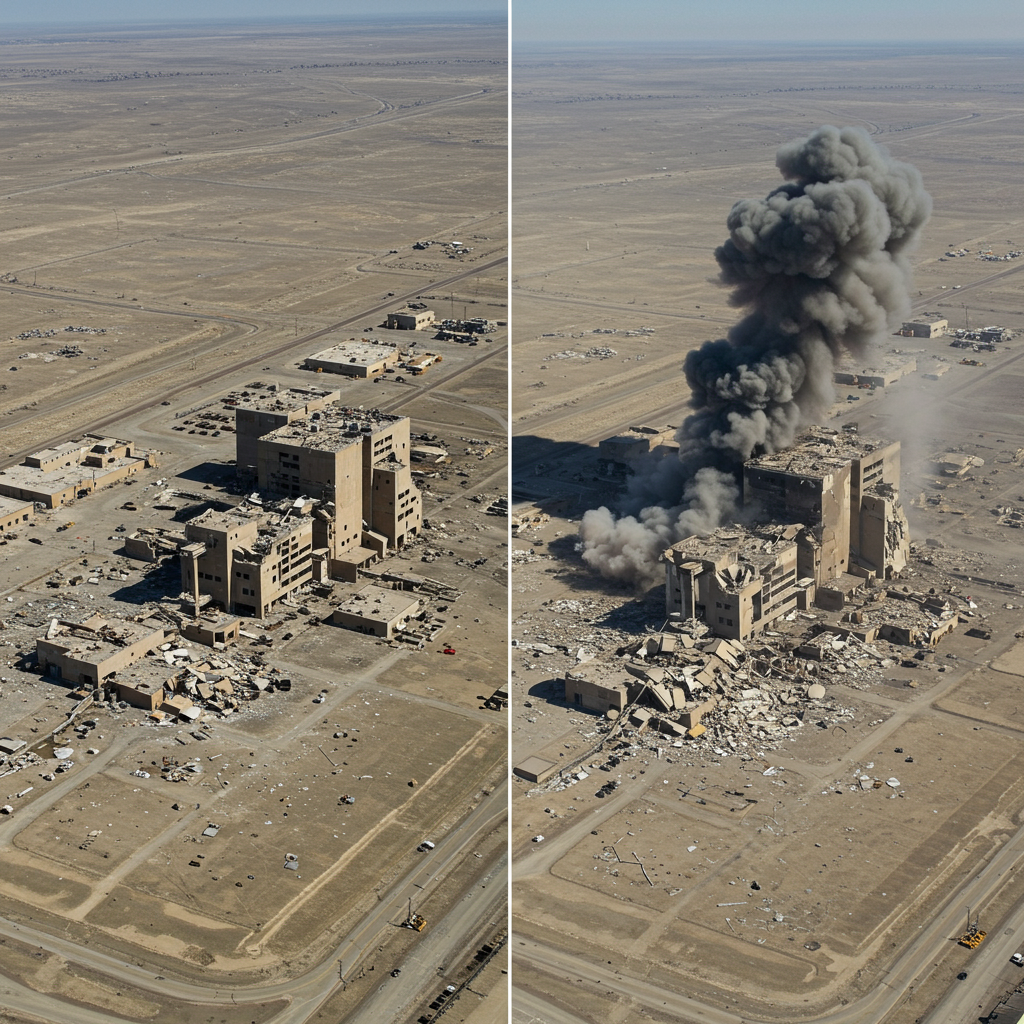
On October 1, 2026, Russian President Vladimir putin issued a chilling Putin global conflict warning during his keynote address at the Valdai Forum in Moscow, cautioning that the international community is rapidly approaching a “point of no return.”
Key Takeaways
- Escalation Risks: Putin warned that the “logic of escalation” could lead to a catastrophic and unexpected use of weapons of mass destruction (WMD).
- Western Involvement: The Russian President characterized Western technical assistance to Ukraine as “direct participation” in the ongoing conflict.
- Economic Impact: Ukrainian strikes on Russian oil refineries have reportedly cost the Russian economy approximately 1% of its GDP.
- Strategic Red Lines: Russia has established a critical security boundary regarding the Kaliningrad enclave, threatening the use of “full spectrum” weaponry if the territory is threatened.
- Geopolitical Shift: Putin predicted a period of frequent international instability as Western hegemony continues to decline.
- Energy Volatility: With the ongoing focus on refinery strikes and the 1% GDP impact, energy markets should expect continued instability. Any escalation involving Kaliningrad or direct Western participation could lead to sudden spikes in oil and gas prices.
- Defense Sector: The increased focus on surveillance and “full spectrum” readiness suggests sustained demand for defense technologies and intelligence-gathering tools.
- Escalation Management: The primary challenge will be managing the “logic of escalation.” Diplomats must find ways to provide support to Ukraine without triggering the “point of no return” that Putin has warned about.
- Red Line Verification: International bodies will need to closely monitor the Kaliningrad region to prevent accidental triggers of the “full spectrum” threat.
- Geopolitical Uncertainty: The forecast of frequent international conflicts suggests that the era of relative global stability is being replaced by a period of high-risk behavior by various states. This may lead to increased economic inflation and shifts in international alliances.
- What constitutes a “threat” to Kaliningrad? Putin did not specify whether a threat is defined by military movement, economic sanctions, or political shifts, leaving a dangerous amount of ambiguity.
- How will the West respond to the “direct participation” claim? If Western nations continue to provide deep-strike technology, will they accept the label of combatants, or will they escalate their own defensive postures?
- Is the 1% GDP figure accurate? While Putin provided this number, independent economic analysts have yet to verify the exact impact of refinery strikes on the overall Russian economy.
- Increased Activity in the Baltic Sea: Any buildup of naval or air presence near Kaliningrad will be a primary signal of heightened tension.
- Western Response to the “Direct Participation” Rhetoric: Watch for how NATO and EU leaders address the claim that technical support equals combat involvement.
- Intelligence Reports on Surveillance: Reports of Russian intelligence activity near European weapon manufacturing plants may indicate that the “monitoring” phase is transitioning into an active operational phase.
- Economic Data from Russia: Continued tracking of Russia’s GDP and energy output will reveal the true efficacy of the Ukrainian refinery strikes.
- en.vijesti.me
- timesofindia.indiatimes.com
What Happened: The Valdai Forum Address
During a high-profile speech delivered on the evening of October 1, 2026, at the Valdai Forum in Moscow, President Vladimir Putin delivered a grim assessment of the current global security landscape. The address, which lasted through the evening, served as both a strategic forecast and a warning to Western powers.
Putin centered his remarks on the volatility of modern international relations, suggesting that the window for traditional diplomacy is narrowing. He argued that the current global trajectory is defined by “arrogance and overconfidence” among major powers, a mindset he believes is driving the world toward a cycle of retaliatory measures that may soon become irreversible.
According to the reports from the forum, Putin specifically highlighted the unpredictable nature of modern conflict. He challenged the global assumption that weapons of mass destruction (WMD) will remain sidelined in modern warfare, stating that the world must operate under the reality that their use is a possibility that must be actively avoided to prevent a planetary catastrophe.
Why It Matters: The Logic of Escalation
The significance of this speech lies in the explicit identification of a “fatal point of no return.” In geopolitical terms, this suggests that the mechanisms currently in place to de-escalate conflicts—such as hotlines, diplomatic channels, and international treaties—may no longer be sufficient to counter the rapid speed of modern military and technological escalation.
Putin’s warning regarding the “logic of escalation” refers to a process where each side responds to perceived aggression with increasingly severe measures, creating a feedback loop that eventually bypasses traditional control mechanisms. If this threshold is crossed “very quickly and unexpectedly,” as Putin cautioned, the result could be a conflict that no single nation can contain.
The Strategic Red Lines and WMD Risks
The most pressing concern for international security analysts is Putin’s direct mention of WMDs. By stating, “Can we be sure that these weapons will never be used? Of course we can’t,” the Russian President is signaling a shift in Moscow’s rhetorical stance. This is not merely a deterrent; it is an acknowledgment that the risk of nuclear or other mass-destruction events is an active variable in current military planning.
| Factor | Details from Valdai Address | Strategic Implication |
|---|---|---|
| Escalation Risk | “Fatal point of no return” | Potential for rapid, unplanned WMD use |
| Western Role | Technical support for deep strikes | Re-categorization of West as active combatants |
| Economic Cost | 1% reduction in Russian GDP | Energy infrastructure is a primary battlefield |
| Strategic Red Line | Kaliningrad security | Threat of “full spectrum” weaponry |
Deep-Dive: The Ukraine Conflict and Western Involvement
A significant portion of the address was dedicated to redefining the boundaries of the war in Ukraine. Putin sought to bridge the gap between Ukrainian military action and Western technical capability. He asserted that Ukraine’s ability to conduct deep-strike operations—targeting targets deep within Russian territory—is entirely dependent on technical assistance from Western nations.
By making this claim, Putin is effectively attempting to categorize Western allies not as supporters of Ukraine, but as “direct participants” in the conflict. This redefinition has massive legal and military implications. If Moscow views the provision of technology as an act of combat, it may justify targeting the source of that technology, including facilities within Europe or the United States, under the guise of self-defense.
Economic Warfare: The 1% GDP Impact
Beyond the military theater, Putin addressed the economic dimensions of the war. He noted that Ukrainian attacks on Russian oil refineries have achieved specific objectives, estimating that these strikes have cost the Russian economy approximately 1% of its GDP.
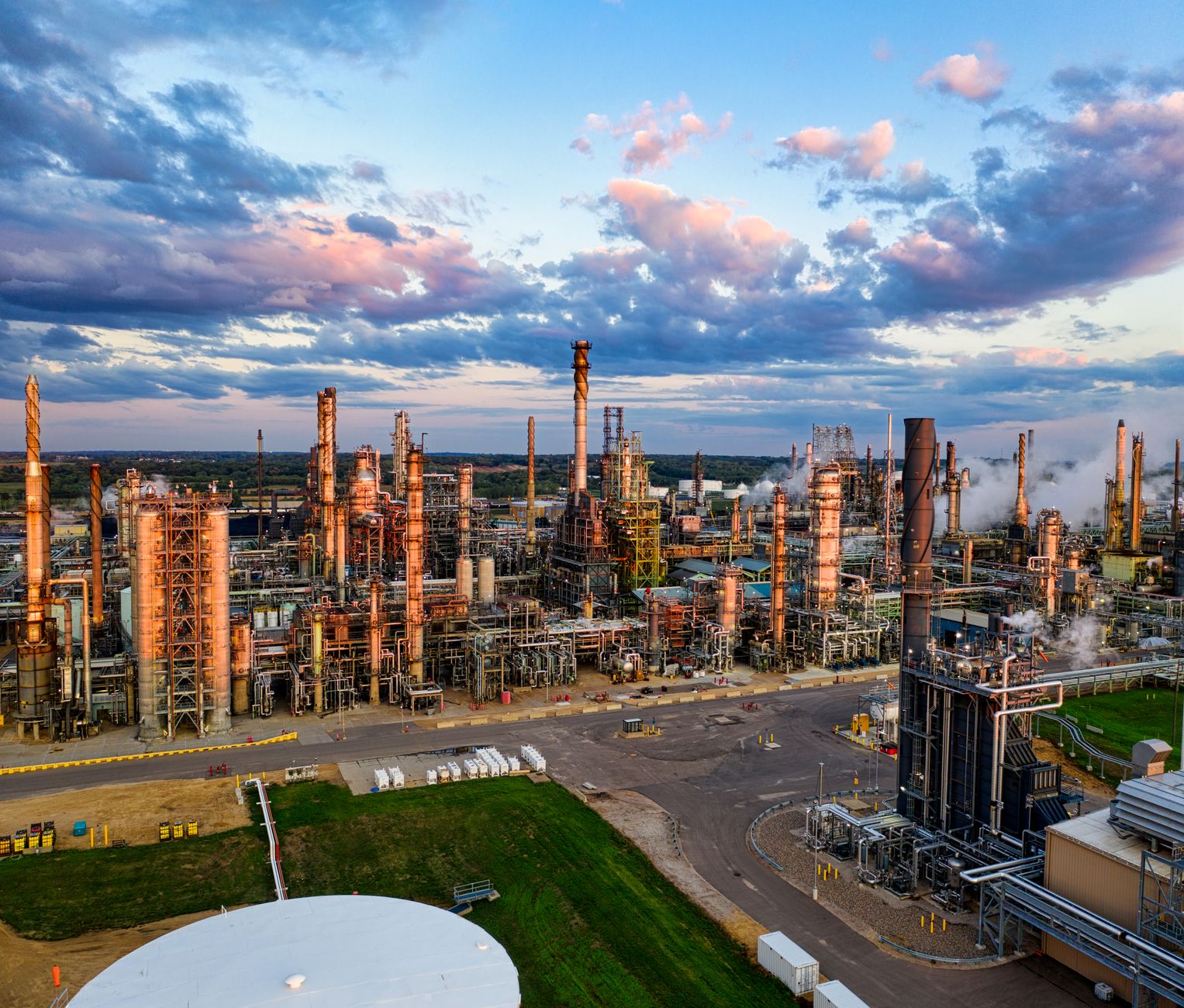
While a 1% impact may seem manageable in isolation, in the context of a national economy, this represents a significant loss of revenue and industrial capacity. Putin noted that while Russia has responded in kind, the global impact has been nuanced; for instance, sanctions on Russian oil have limited the effectiveness of Russian diesel on the global market, creating a complex web of economic retaliation and counter-retaliation.
Analysis: The Kaliningrad Red Line
Perhaps the most specific and dangerous warning issued during the forum concerned the Kaliningrad enclave. As a Russian territory located on the Baltic Sea, detached from the main body of Russia, Kaliningrad is a highly sensitive strategic location.
Putin established a clear “red line” regarding this territory, stating that if Kaliningrad were to be threatened, Russia would not hesitate to utilize its “full spectrum” of available weapons. In military terminology, “full spectrum” is often understood to include conventional, non-conventional, and nuclear capabilities. This statement serves as a direct warning to NATO and other regional actors that any perceived threat to the enclave’s sovereignty could trigger a massive military response.
Furthermore, Putin addressed the issue of foreign weapon manufacturing. While he clarified that Russia is not currently planning to strike factories abroad that produce weapons for Ukraine, he emphasized that these facilities are under “strict surveillance” by Russian military and intelligence services. This suggests an increase in Russian intelligence operations targeting European and Western industrial sites, signaling that the battlefield is expanding into the industrial heartlands of the West.
What It Means for You
The implications of Putin’s Putin global conflict warning extend far beyond the borders of Russia and Ukraine. Different sectors of society should prepare for varying levels of volatility:
For Investors and Financial Markets
For Policymakers and Diplomats
For the General Public

Counterpoints and Open Questions
While Putin’s warnings are presented as strategic forecasts, they also serve as a tool for domestic and international messaging. Critics of the Kremlin argue that these “red lines” are often used to justify further aggression or to demand concessions from the West.
Several questions remain unanswered by the Valdai Forum address:
What Happens Next
Moving forward, the international community should watch for several key indicators that will signal whether the “point of no return” is approaching:
Frequently Asked Questions
What did Vladimir Putin mean by the “point of no return”?
Putin used this term to describe a threshold in international conflict where the “logic of escalation” becomes self-sustaining. He suggested that once a certain level of retaliatory measures is reached, the momentum of the conflict becomes so great that diplomacy can no longer stop it, potentially leading to the use of weapons of mass destruction.
How has the war in Ukraine affected the Russian economy?
According to Putin, Ukrainian attacks on Russian oil refineries have cost the Russian economy approximately 1% of its GDP. This impact is a result of the disruption to energy production and the subsequent economic fallout from targeting critical infrastructure.
Why is Kaliningrad considered a “red line” for Russia?
Kaliningrad is a strategic Russian enclave located on the Baltic Sea, separated from the rest of Russia. Because of its location and its importance for Russian military projection in Europe, Putin stated that any threat to this territory would be met with Russia’s “full spectrum” of weaponry, which implies the potential use of nuclear weapons.
Does Putin believe the West is part of the war?
Yes. Putin claimed that because Ukraine relies on Western technology to conduct deep-strike operations within Russian territory, the West is effectively a “direct participant” in the conflict rather than just a provider of aid.
Summary
The address at the Valdai Forum marks a significant escalation in the rhetorical warfare between Russia and the West. By warning of a “point of no return” and establishing explicit red lines around Kaliningrad and Western technology, Vladimir Putin has signaled that the current era of conflict is entering a more volatile and unpredictable phase. As the global order shifts, the risk of rapid, unplanned escalation remains a central concern for international security.
References
Featured image: Photo by Werner Pfennig on Pexels