
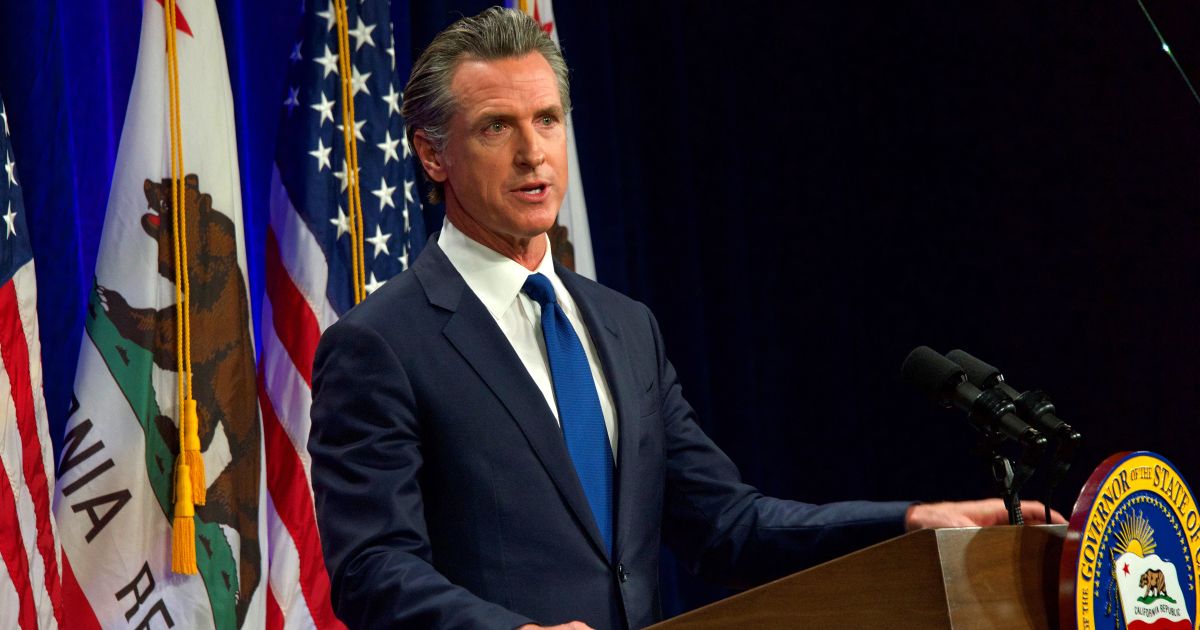
The california child marriage ban is now official after Governor Gavin Newsom signed landmark legislation on September 30, 2026, establishing 18 as the absolute minimum age for marriage and domestic partnerships in the state.
Key Takeaways
- Total Prohibition: California has eliminated all previous exceptions, meaning minors can no longer marry with parental consent or judicial approval.
- Effective Date: The new laws, Assembly Bill 1267 and Assembly Bill 2534, are set to take effect on January 1, 2027.
- Closing Loopholes: The legislation specifically targets legal loopholes that previously allowed marriage to serve as a defense against statutory rape charges.
- Statewide Milestone: California becomes the 18th state in the U.S. to prohibit child marriage without any exceptions.
- Protections for Survivors: A companion bill, AB 2534, classifies forced marriage as a form of abuse under the state’s Domestic Violence Prevention Act.
- Statutory Rape Exemptions: Prior to this law, marriage could be used as a “legal workaround” for statutory rape. In 19 states, including California, marriage provided a legal defense or exemption for sexual activity between a spouse and a minor. AB 1267 voids this exemption for future marriages.
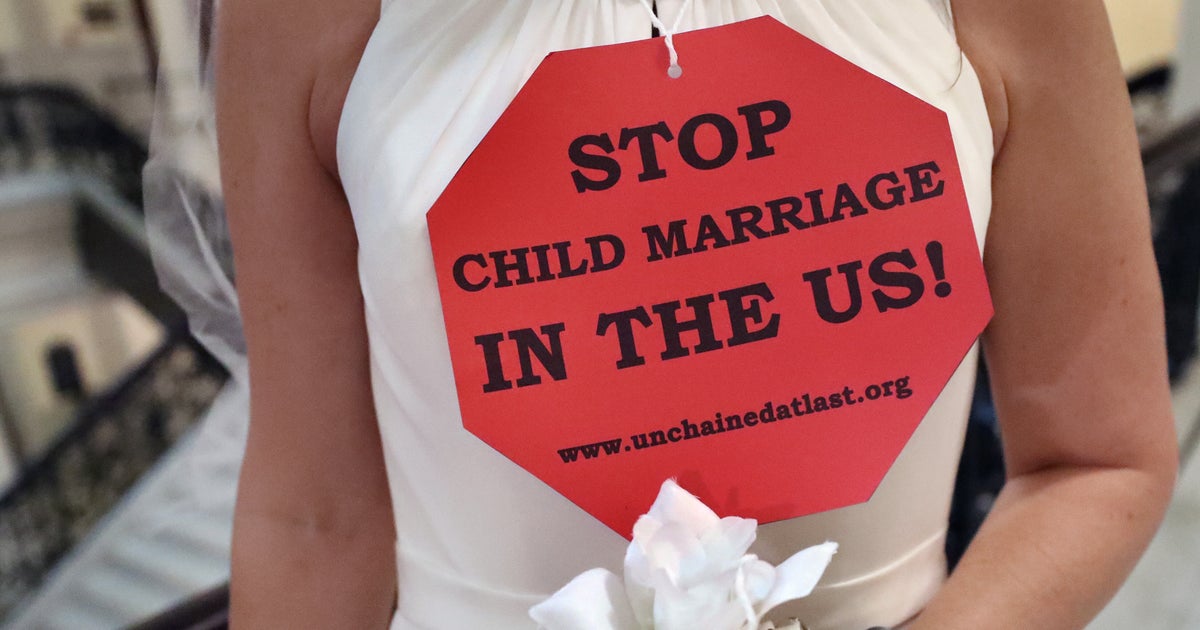
- Human Trafficking: Advocates, including Fraidy Reiss, founder of Unchained At Last, have warned that the lack of a minimum age creates a pathway for human trafficking. Adults could theoretically use California’s former laws to bring foreign child spouses into the U.S. under the guise of marriage.
- Lack of Legal Agency: Minors in marriages often face immense hurdles in seeking help. They may struggle to hire independent attorneys, file for divorce, or obtain protection from domestic abuse due to their legal status and dependency on their spouse or family.
- Access to spousal health care benefits.
- Legal standing for medical decision-making.
- Financial stability through shared assets.
- Sierra Leone: Passed the Prohibition of Child Marriage Act 2024, which penalizes those who facilitate child marriages.
- Colombia: Banned such marriages in November 2024.
- Bolivia: Removed all exceptions in September 2025.
- www.bbc.com
- <a href="https://www.huffpost.com/entry/california-outlaws-child-marriagen6abe629ee4b0ecc03a1f267e”>www.huffpost.com
- www.lawcommentary.com
- equalitynow.org
- www.npr.org
What Happened: A Landmark Legislative Shift
On Wednesday, September 30, 2026, Governor Gavin Newsom signed two critical pieces of legislation aimed at dismantling the legal framework that allowed minors to enter into marriages and domestic partnerships. The primary measure, Assembly Bill 1267 (AB 1267), authored by Assemblymember Gail Pellerin, sets a strict minimum age of 18 for any such unions. This move effectively repeals the long-standing provisions that permitted minors to wed if they obtained written consent from a parent or guardian and received the approval of a judge.
Alongside the marriage ban, Newsom signed AB 2534, which provides a vital new layer of protection for both minors and adults facing forced marriage. This second bill expressly defines forced marriage as a form of abuse under California’s Domestic Violence Prevention Act, allowing victims to seek court-ordered restraining orders against those attempting to coerce them into marriage.
For activists and survivors, the signing represents the end of a decade-long struggle. As Gail Pellerin noted following the signing, the momentum for this change was driven by the lived experiences of those who were forced into unions before they were developmentally or legally capable of consenting. “Because of them, California children are safer,” Pellerin stated.

Why It Matters: The Scale of the Issue
The significance of this ban is underscored by the sheer volume of underage marriages that have occurred in the state and across the nation. According to estimates from the nonprofit Unchained At Last, approximately 35,000 minors—the vast majority of whom were girls—entered into marriages in California between the years 2000 and 2021.
On a national scale, the numbers are even more staggering. Data compiled by advocacy groups indicates that more than 314,000 minors were legally married in the United States during that same 21-year period. A significant portion of these marriages involved children as young as 10 years old, often with adult men.
Beyond the raw numbers, the ban addresses several systemic dangers:
Voices of Survival: The Human Cost of Loopholes
The movement to pass the California child marriage ban has been fueled by the testimonies of survivors who have turned their trauma into advocacy. During the bill signing, several prominent figures shared how the previous laws failed them.
Courtney Stodden, a well-known advocate who was 16 when she married actor Doug Hutchison, described the legislative victory as a moment of profound clarity. “Governor Newsom’s action today made clear to me and to survivors of child marriage everywhere that we should never have been expected to carry this burden,” Stodden said. She expressed hope that this change would prevent other children from realizing the law failed to protect them as it did her.
Sara Tasneem, a survivor and lobbyist, described the feeling of seeing the bill reach fruition as “surreal” after a nine-year marathon of advocacy. Tasneem, who was forced into marriage as a child, emphasized that the new law is a critical step toward ensuring the next generation is not subjected to similar harms. “I’m just grateful that kids cannot get married after January 1, 2027 in California,” she noted.
Brittany Bee, another survivor, highlighted the inherent impossibility of consent in these situations. “People have the audacity to tell me that I made a choice—kids, they can’t consent,” Bee stated, adding that the law sends a message of hope that children may finally be free from systemic violence.
The Legal Landscape: A Fragmented Nation
While California is a leader in this movement, it remains part of a deeply fragmented legal landscape across the United States. As of late 2026, California is the 18th state to implement an absolute ban on child marriage. However, 32 other states still maintain legal loopholes that allow minors to marry under specific conditions, such as parental or judicial consent.
In fact, the legal protections vary so wildly that some states have almost no minimum age requirements at all. Currently, Mississippi and New Mexico are identified as the only two states with no statutory minimum age for marriage.
Comparison of Marriage Age Laws
| Jurisdiction | Legal Status | Minimum Age Requirements |
|---|---|---|
| California (Effective 2027) | Prohibited | 18 (No exceptions) |
| Sierra Leone | Prohibited | 18 (No exceptions) |
| Mississippi | Permitted | No statutory minimum age |
| New Mexico | Permitted | No statutory minimum age |
| 32 Other U.S. States | Permitted | Varies (Parental/Judicial consent allowed) |
Counterpoints and Open Questions: The Debate Over Protections
Despite the widespread support from human rights organizations, the push for a total ban has not been without controversy. Some civil liberties and reproductive rights organizations have raised concerns about the potential unintended consequences of removing all exceptions.
ACLU California Action has been a notable voice of caution, arguing that a blanket ban might inadvertently harm the very people it seeks to protect. Their primary concern is that by removing the legal option of marriage, young people in abusive or unplanned pregnancy situations might be driven “further underground.”
According to the ACLU, marriage can sometimes provide essential legal benefits to young parents, such as:
Opponents argue that for a pregnant or parenting teenager, the ability to marry could provide a legal framework to access social services and stability. They fear that without this option, vulnerable youth might enter unregulated, “underground” relationships where they are even harder for social workers and law enforcement to reach.
Furthermore, some lawmakers, particularly in states like Missouri, have characterized such bans as government overreach. State Rep. Dean Van Schoiack has argued that these restrictions interfere with parental authority and strip away liberties that families currently possess.
Global Context: A Human Rights Imperative
The struggle in California is part of a much larger global movement. The United Nations has officially labeled child marriage a “human rights violation,” citing its role in interrupting education, causing early pregnancy, and increasing the risk of domestic violence. The U.N. has set a global goal to end child marriage by the year 2030.
Since 2021, several nations have moved to align their laws with international standards by setting the minimum age at 18 with no exceptions. These include:
However, the global community also faces the challenge of enforcement. In India, despite national laws forbidding child marriage, research from the Young Lives program indicates that the practice persists due to deeply ingrained cultural factors, poverty, and social customs like the dowry system. In India, at least 1.5 million girls are estimated to marry before age 18 each year, often in secret to avoid legal repercussions.
What It Means for You
The implementation of AB 1267 and AB 2534 will change the legal landscape for several specific groups:
For Parents and Guardians
Effective January 1, 2027, parents will no longer have the legal authority to consent to a marriage or domestic partnership for a child under the age of 18. Even with judicial approval, such unions will no longer be legally recognized in California.
For Legal and Social Service Professionals
Lawyers and social workers will see a shift in how they handle cases involving minors in domestic situations. The classification of forced marriage as a form of abuse under the Domestic Violence Prevention Act provides new tools for intervention, including the ability to seek restraining orders to protect minors from intended spouses or those facilitating the marriage.
For Minors and Young Adults
Minors will gain a clear legal boundary that prevents them from being legally tied to adults through marriage. This is intended to ensure that their legal status remains that of a minor, providing them with better access to independent legal counsel and protections against exploitation.
What Happens Next
The passage of the California law is expected to act as a catalyst for further legislative action. Advocates are now turning their attention to the federal level, where the Child Marriage Prevention Act has been introduced by U.S. Rep. Gwen Moore and Senators Dick Durbin, Brian Schatz, and Kirsten Gillibrand.
This federal bill aims to push all 50 states toward a nationwide minimum marriage age of 18. While the federal bill has faced its own set of criticisms—specifically regarding provisions for federal grants and spousal visa requirements—it represents the next major battleground in the effort to end the practice in the United States.
Frequently Asked Questions
When does the California child marriage ban actually take effect?
While Governor Newsom signed the legislation on September 30, 2026, the new laws (AB 1267 and AB 2534) will not officially go into effect until January 1, 2027. Until that date, existing laws regarding parental and judicial consent still apply.
Does this law affect people who are already married?
The legislation is designed to prevent new marriages and domestic partnerships from occurring under the old rules. It does not retroactively annul existing marriages, but it ensures that no new legal unions can be formed involving anyone under 18.
Why was the ban controversial in some states?
Opposition typically comes from two sides: some lawmakers argue it is an intrusion into parental rights and personal liberties, while some civil rights groups argue that a total ban might remove legal protections (like healthcare access and stability) for teenagers who are already pregnant or parenting.
What is the difference between AB 1267 and AB 2534?
AB 1267 is the primary law that sets the minimum marriage and domestic partnership age at 18. AB 2534 is a protective measure that defines forced marriage as a form of domestic violence, allowing victims to seek legal protection through the courts.
As California moves toward the January 2027 implementation date, the focus shifts to the remaining 32 states where child marriage remains legal, and the ongoing debate over whether a federal standard is the necessary next step to protect children nationwide.
References
Featured image: Image via Law Commentary



One thought on “California Child Marriage Ban: Why the New Law Matters”