
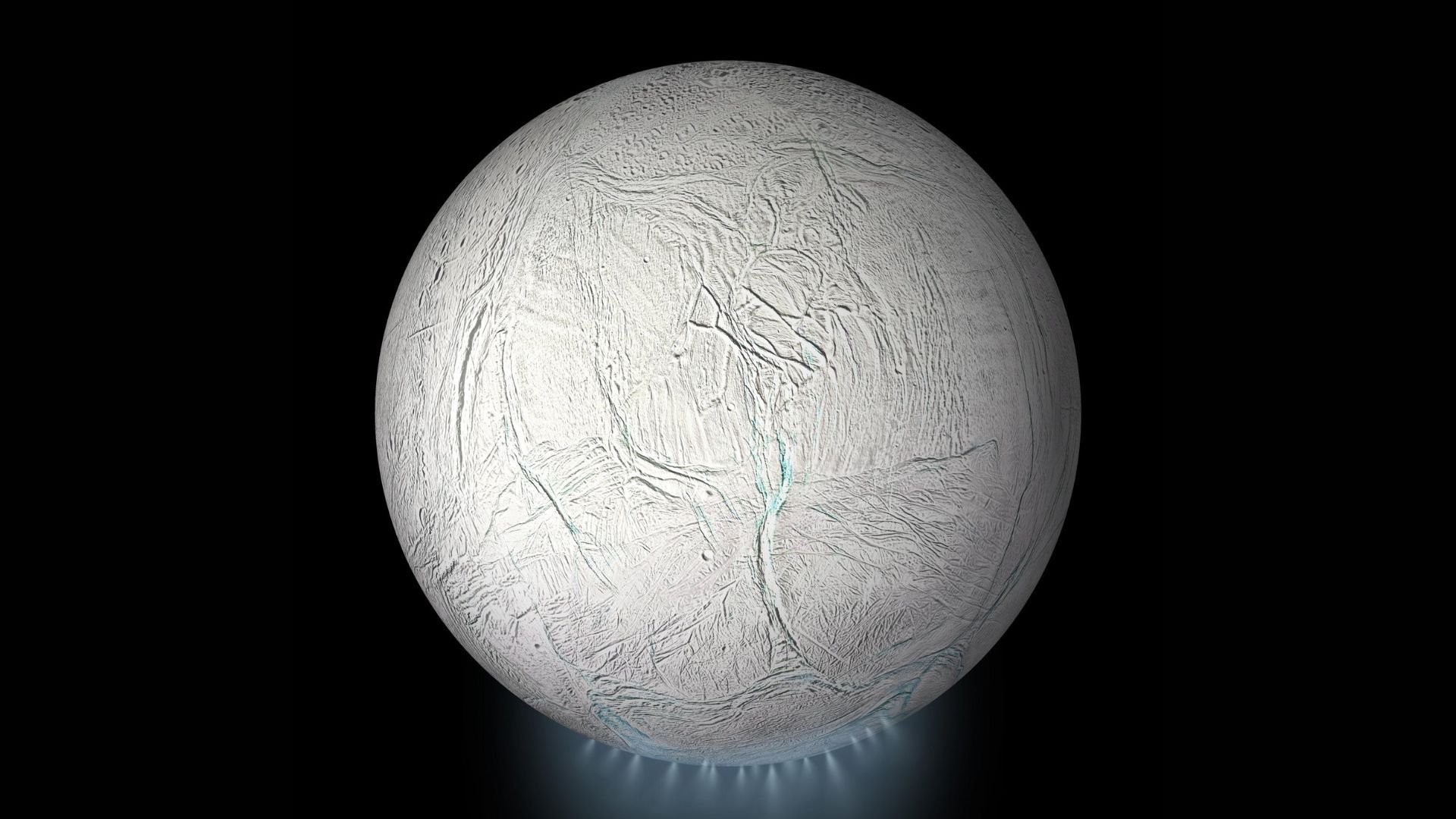
New <a href="https://news.quantosei.com/2026/05/09/fungal-strains-in-space-spark-worry/” title=”Space Fungi Threat: Unkillable Strains Endanger Alien Life Hunt”>enceladus habitability research suggests that Saturn’s icy moon may not only support microbial life but also possesses a unique mechanism to make that life significantly easier for future spacecraft to detect. Two distinct studies published in the journal Science Advances have fundamentally shifted the scientific perspective on Enceladus, transforming it from a distant mystery into a highly accessible target for astrobiology.
Key Takeaways
- Natural Sampling: Enceladus’s plumes act as a “natural laboratory,” sorting and concentrating chemical components into individual ice grains through a process of slow freezing and fragmentation.
- Proven Habitability: Laboratory simulations demonstrated that Earth-based methanogens, specifically Methanothermococcus okinawensis, can survive and thrive in the alkaline, low-$CO_2$ conditions of Enceladus’s ocean.
- Simplified Detection: Because the moon’s plumes concentrate salts and organic compounds into distinct particles, future missions can identify biosignatures using existing technology without needing to drill through kilometers of ice.
- Contamination Risks: Parallel research on the Moon highlights the critical need for planetary protection, as microbes can survive in “survivable niches” in extreme lunar environments.
- Future Missions: The findings provide a strong scientific mandate for upcoming exploration, including the European Space Agency’s (ESA) L4 mission.
- Initial Precipitation: Phosphates are the first to precipitate as the droplets begin to cool at relatively warmer temperatures.
- Secondary Precipitation: Carbonates follow the phosphates as the temperature drops further.
- Final Concentration: Sodium and potassium chlorides form last, as the remaining brine becomes increasingly concentrated.
- For Space Enthusiasts: The dream of finding alien life has moved from the realm of science fiction to a tangible scientific objective. The “detectability” factor means that the next generation of space telescopes and probes are being designed with a much clearer target in mind.
- For Science Policy and Funding: These studies provide the empirical evidence needed to justify the high costs of missions like the ESA‘s L4. It proves that we are not just looking for a needle in a haystack, but rather looking for concentrated “needles” that the moon itself is handing to us.
- For Future Explorers: The research on lunar contamination serves as a cautionary tale. As we move toward permanent bases on the Moon and eventually Mars, the protocols for biological containment will become as critical as the life-support systems themselves.
- Sampling Precision: While the plumes concentrate chemicals, will future spacecraft be able to capture enough individual ice grains to provide a statistically significant sample?
- The Role of Radiation: While the plumes protect some material, how much does cosmic radiation degrade the organic compounds before they can be analyzed?
- The Complexity of Life: While a single species of methanogen survived in a lab, could a complex, multi-species ecosystem survive the dynamic conditions of a subsurface ocean?
- ESA L4 Mission Development: The European Space Agency will continue to refine the design of its mission to Enceladus, likely incorporating advanced particle analyzers designed to catch the concentrated ice grains identified by Postberg.
- NASA Lunar Characterization: Following the findings of Prabal Saxena and Andrew Needham, NASA is expected to prioritize the chemical characterization of lunar South Pole sites before human or heavy robotic presence is established, aiming to create a “biological baseline.”
- Advanced Laboratory Simulations: Researchers will likely attempt to simulate even more complex ocean chemistries, including the presence of various heavy metals and varying levels of hydrothermal activity, to further refine our understanding of microbial limits.
- www.space.com
- www.thebrighterside.news
- www.sciencedaily.com
- gizmodo.com
What Happened: A Dual Breakthrough for Astrobiology
In a series of findings that have revitalized the search for life beyond Earth, researchers have addressed the two most significant hurdles in planetary exploration: habitability and detectability. While scientists have long known that Saturn’s icy moon, Enceladus, contains a subsurface ocean, the question of whether that ocean could sustain life—and whether we could actually find evidence of it—remained largely theoretical.
Recent research led by Frank Postberg, a professor at Freie Universität Berlin, has provided a potential answer to the detection problem. By re-examining data from NASA’s Cassini spacecraft, Postberg’s team discovered that the plumes of water erupting from the moon’s south pole are not merely chaotic sprays of liquid, but organized delivery systems for chemical information.
Simultaneously, a second study involving planetary scientist Nozair Khawaja at the same institution focused on the biological potential of the moon. By recreating the extreme geochemical environment of the Enceladus ocean in a laboratory, the team proved that certain types of Earth-based microbes could not only endure the harsh conditions but actually adapt their metabolism to survive.
Why It Matters: The End of the “Drilling Problem”
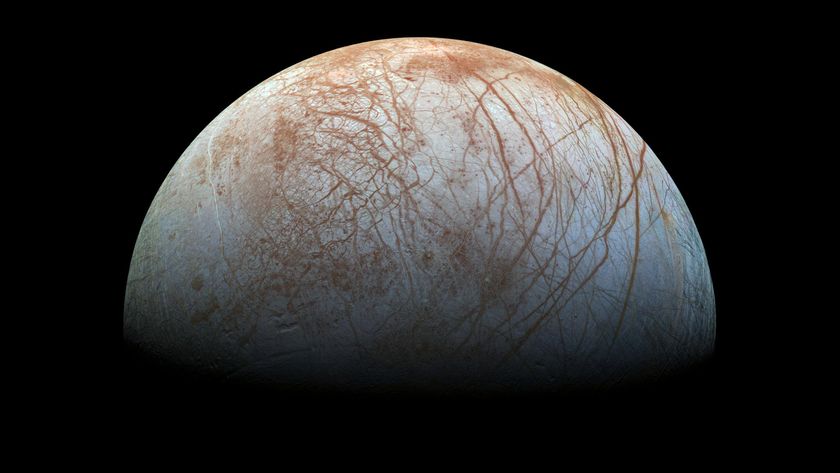
For decades, the primary obstacle to studying the oceans of icy moons like Enceladus or Jupiter’s Europa has been the sheer thickness of the ice shells. To reach the liquid water, a spacecraft would traditionally need to land and deploy complex, high-energy drilling equipment capable of penetrating many kilometers of frozen crust. This requirement significantly increases the cost, weight, and technical risk of any mission.
However, the new Enceladus habitability research suggests that we may not need to drill at all. Because the moon’s plumes eject material directly into space, the moon effectively does the hard work of sampling its own ocean.
“Enceladus actually does a lot of the work for us in preparing samples for analysis that usually take a lot of effort in chemical labs on Earth,” Frank Postberg stated. He noted that the oceanic constituents are separated from one another and concentrated into individual ice particles, which could allow future missions to identify biosignatures “relatively easy with already available technology.”
Deep Dive: The Plume Concentration Mechanism
To understand how Enceladus prepares these samples, scientists looked at the behavior of water droplets as they transition from a liquid state to a solid state in the vacuum of space. Previous scientific consensus assumed that water droplets ejected from the moon would freeze almost instantaneously, creating a uniform mixture of ice and minerals.
Postberg’s team, utilizing Cassini data and laboratory experiments, demonstrated that the freezing process is actually much slower than previously theorized. As these droplets—which may initially be tens or hundreds of micrometers wide—travel upward through icy vents, they undergo a process of chemical “segregation.”
The Three-Stage Precipitation Process
As the droplets cool, different chemical compounds precipitate at different temperatures, creating a layered internal structure within each microscopic grain:
As these partially frozen droplets accelerate and collide with the walls of the moon’s icy fractures, they shatter into tiny, micrometric fragments. This results in a plume filled with chemically distinct ice grains, each acting as a concentrated capsule of a specific oceanic component. A spacecraft flying through the plume would not encounter a diluted soup, but rather a collection of high-strength, individual chemical signatures.
Deep Dive: Microbial Survival in Extreme Alkalinity
While the plume mechanics explain how we might find life, the second study addresses whether life could actually exist there. The subsurface ocean of Enceladus is believed to be highly alkaline, with a pH ranging between 10 and 11, and contains very low levels of carbon dioxide.
To test this, researchers introduced Methanothermococcus okinawensis into a simulated Enceladus environment. This specific microbe is a methanogen—an organism that thrives near deep-sea hydrothermal vents on Earth, such as those found in the Okinawa trough between Japan and Taiwan. Unlike most life forms, methanogens do not require sunlight or oxygen; instead, they convert hydrogen and carbon dioxide into methane gas.
To the researchers’ surprise, the microbes did more than just survive. They actively grew and produced methane by utilizing hydrogen generated through water-rock reactions in the simulated ocean.
“This was really a surprise to us,” Nozair Khawaja said in a statement. “This was an experiment for which we did not expect such a successful outcome.” The study highlighted the microbes’ ability to adapt their metabolism to the extremely low concentrations of carbon dioxide available in the simulated environment.
The Broader Context: The Challenge of Extraterrestrial Contamination
As humanity prepares to send more sophisticated missions to these distant worlds, the research into microbial survival in space takes on a new dimension of urgency. While the Enceladus studies focus on finding life, a separate study published in Science Advances on August 19, 2026, highlights the risks associated with the life we carry with us.
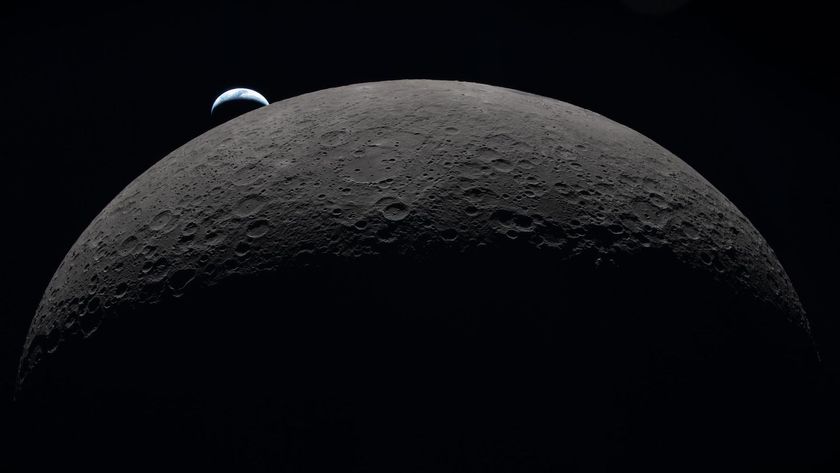
Led by Prabal Saxena of NASA‘s Goddard Space Flight Center, this research investigated how Earth-based microbes might survive in the extreme, shadowed environments of the Moon’s South Pole. The findings suggest that “survivable niches” exist—ranging from massive crater floors to tiny pockets the size of an astronaut’s boot print—where microbes could remain alive for at least one Earth day.
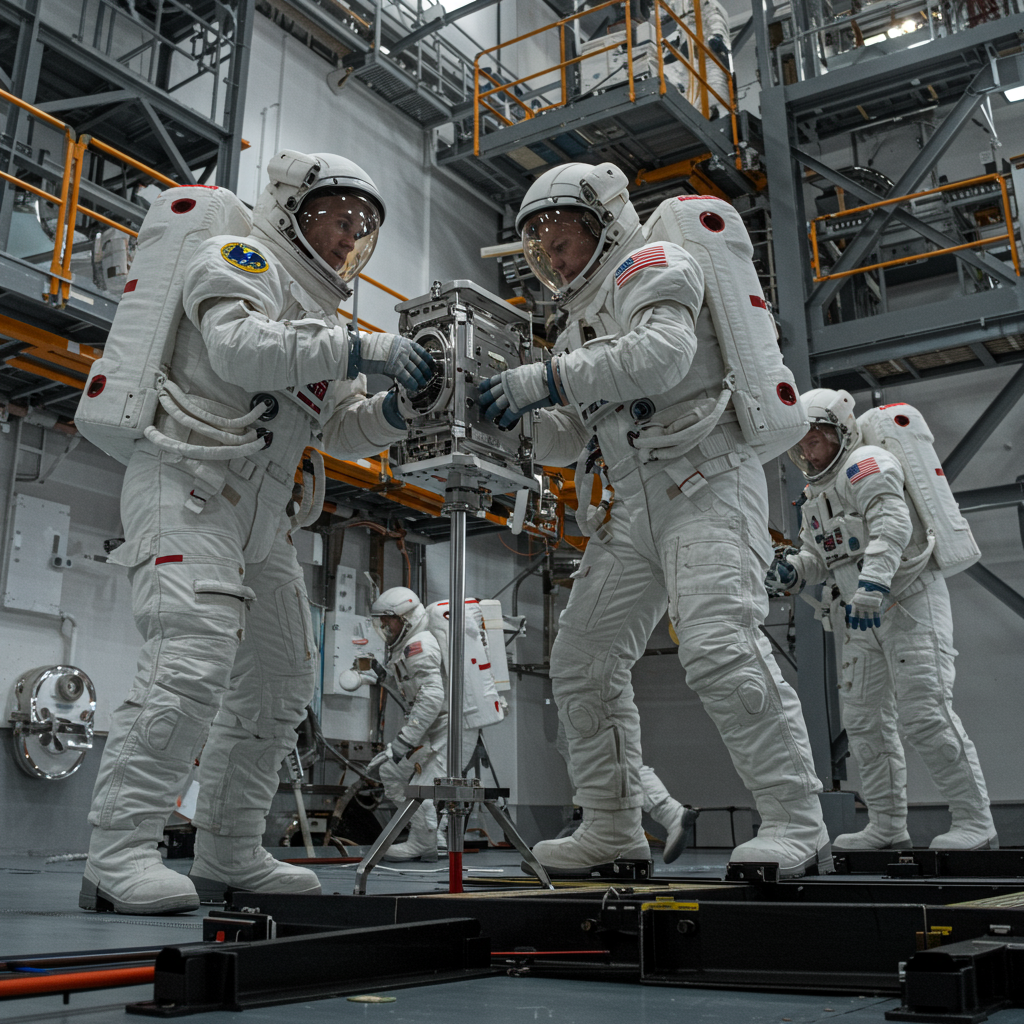
This discovery introduces a significant complication for the search for pristine extraterrestrial life. If human explorers or even unsterilized robotic landers introduce Earth microbes into these niches, it could lead to biological contamination, making it difficult for scientists to distinguish between indigenous alien life and “microbial hitchhikers” from Earth.
Comparing Mission Contamination Risks
| Feature | Robotic Missions | Crewed Missions |
|---|---|---|
| Primary Sterilization Method | High-heat treatment (>400°F) | Limited/Non-existent for humans |
| Contamination Source | Manufacturing/Launch environments | Human skin, breath, and habitats |
| Scientific Impact | Low to moderate risk | High risk of compromising pristine chemistry |
| Mitigation Strategy | Stringent clean-room protocols | Characterization of sites prior to arrival |
What It Means for You
For the general public and the scientific community alike, these findings represent a pivot point in our understanding of the solar system.
Counterpoints and Open Questions
Despite the optimism, the scientific community remains cautious. It is vital to distinguish between habitability and existence. The fact that an environment can support life does not mean that life has actually taken hold there. The Enceladus studies prove that the moon is a viable candidate for life, but they do not provide evidence that life is currently present.
Furthermore, several technical questions remain:
What Happens Next
As the scientific community digests these findings, several key milestones are on the horizon:
Frequently Asked Questions
Does this mean life has been found on Enceladus?
No. The research proves that Enceladus has the chemical ingredients for life and that the environment could support certain types of microbes. It also proves that we have a way to find life if it exists. However, no actual biological organisms have been detected on the moon itself.
How do the plumes make life easier to find?
Instead of a uniform mixture of water and salt, the plumes undergo a process called chemical segregation. As water droplets freeze slowly in space, different chemicals (like phosphates and carbonates) separate into distinct layers. When these droplets shatter, they create individual ice grains that are highly concentrated with specific chemicals, making them much easier for spacecraft instruments to identify.
What kind of microbes were used in the study?
The study used Methanothermococcus okinawensis, a type of methanogen found near hydrothermal vents on Earth. These organisms are unique because they don’t need oxygen or sunlight; they thrive by converting hydrogen and carbon dioxide into methane, which mimics the conditions thought to exist in Enceladus’s ocean.
Why is the Moon’s South Pole a concern for contamination?
Research shows that certain microbes, like the fungus Aspergillus niger, can survive in protected “niches” at the lunar South Pole for at least a day. This means that if astronauts or unsterilized robots land there, they could accidentally introduce Earth life, which might contaminate the very environments scientists are trying to study.
Summary of Enceladus Discoveries
To understand how far we have come, it is helpful to look at the timeline of discoveries made by the Cassini mission and subsequent research:
| Year | Discovery | Significance |
|---|---|---|
| 2015 | Silica nanoparticles detected | Provided evidence of active hydrothermal activity |
| 2017 | Molecular hydrogen ($H_2$) detected | Indicated water-rock reactions are occurring |
| 2018 | Macromolecular organic compounds | Confirmed the presence of complex organic building blocks |
| 2023 | Abundant phosphates found | Demonstrated the presence of a key ingredient for DNA and cell membranes |
| 2026 | Plume concentration & microbial survival | Proved the moon is both habitable and easily detectable |
As we look toward the next decade of space exploration, the focus is shifting from merely reaching these worlds to understanding the profound biological and chemical truths they hold. The work being done at Freie Universität Berlin and NASA suggests that the answers to one of humanity’s oldest questions—are we alone?—may be floating just above the surface of a distant, icy moon.
References
Featured image: Image via Space
One thought on “Enceladus Habitability Research: Why Finding Life is Easier”