
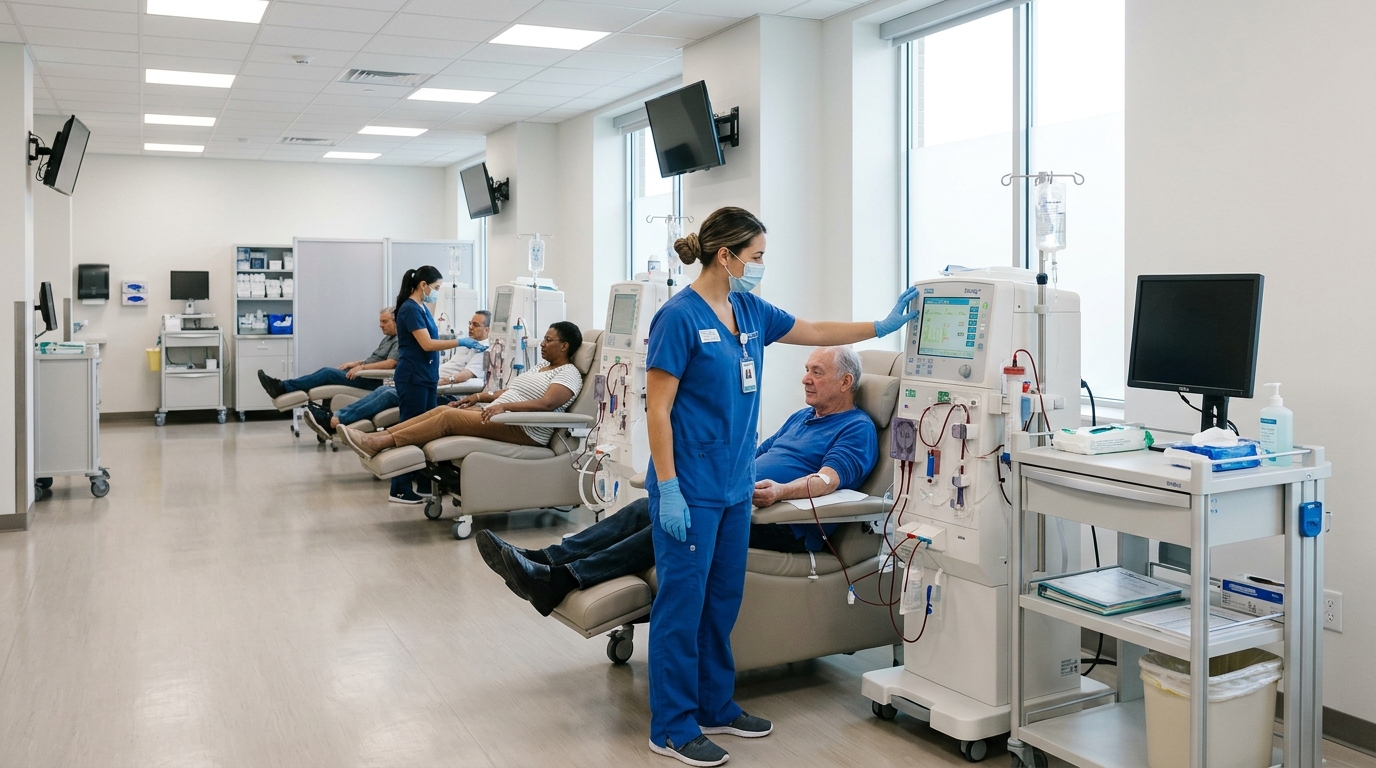
Navigating the complexities of a Novi dialysis center requires an understanding of both the life-sustaining necessity of the treatment and the rigorous standards that must be upheld for patient safety. When a facility such as the one located near Grand River Avenue and Beck Road faces an investigation following reports of patient deaths and hospitalizations, it naturally raises significant alarm within the medical community and among those who rely on these services daily. In my years of observing medical infrastructure, I have learned that the intersection of clinical necessity and operational safety is where the most vital protocols reside. Understanding what actually happens behind these closed doors is essential for any patient or family member seeking peace of mind.
Quick Summary
The Novi dialysis center underwent a mandatory, precautionary closure on June 25, 2026, following a cluster of medical incidents.
Investigations by local police and the Michigan Department of Health and Human Services (MDHHS) found no evidence of criminal conduct.
Third-party audits of water filtration systems and biomedical equipment were conducted to ensure operational integrity.
The facility was cleared to resume operations on July 2, 2026, after these audits confirmed that safety benchmarks were being met.
Patients were successfully diverted to neighboring clinics during the closure to ensure continuous, life-sustaining treatment.
Direct Answer: Is the Facility Safe?
If you are wondering whether the Novi dialysis center is currently safe, the short answer is that, based on the formal investigations conducted by state health departments and independent third-party auditors, the facility has been cleared for operation. The temporary closure was a safety-first maneuver designed to allow for an exhaustive review of internal systems. These investigations concluded that the facility met all necessary clinical safety benchmarks. The adverse events—specifically one death and several hospitalizations—did not stem from equipment malfunction or contamination of the water supply, which are the most common points of failure in dialysis care. Consequently, the center was cleared to return to its standard operational schedule under ongoing state monitoring.
The Mechanics of Dialysis Safety
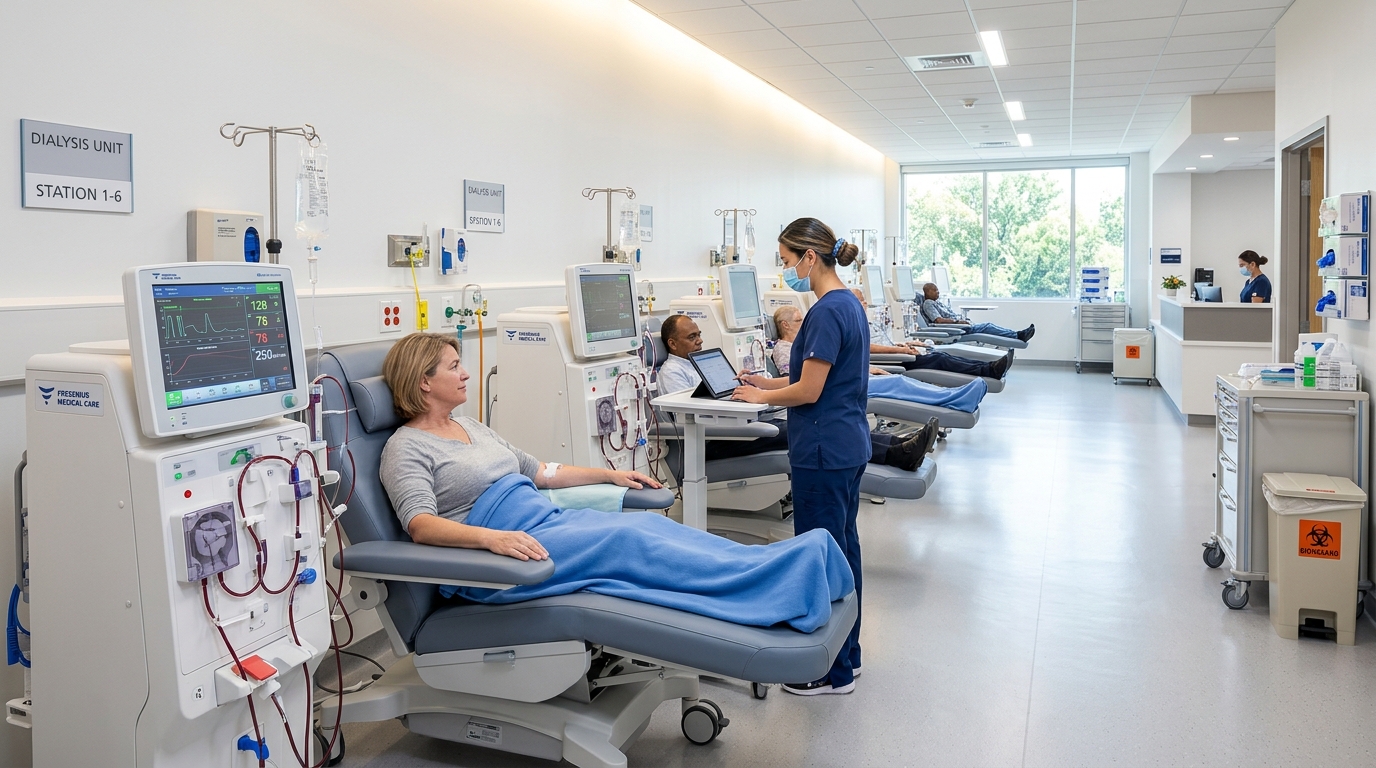
Dialysis is essentially an external mechanical kidney, and in my experience, the precision required for this process cannot be overstated. A dialysis machine must remove waste products and excess fluid from the blood while simultaneously maintaining electrolyte balance. This process relies on two pillars: water quality and machine performance. When I tour facilities, I always look for the maintenance logs; a clean, well-documented machine is usually a sign of a high-functioning team.
Water Quality and Filtration
Water used for dialysis is not merely tap water; it must be purified to an extreme degree. The water undergoes reverse osmosis and deionization to remove microscopic contaminants that, if introduced directly into a patient’s bloodstream, could lead to rapid systemic inflammation or infection. During the investigation in Novi, these filtration systems were the primary focus. Experts assessed the entire loop, from the intake valves to the dialyzer, ensuring that the water quality met the stringent standards set by federal healthcare guidelines.
Biomedical Equipment Calibration
Beyond water, the machines themselves are subject to significant wear and tear. A dialysis unit runs for thousands of hours annually, circulating a patient’s entire blood volume multiple times per session. The audit focused on the structural integrity of these units, checking pressure sensors, flow meters, and alarm systems. The conclusion that the equipment was operating within normal parameters provides a baseline of assurance that the mechanical aspects of the treatment are reliable. When I have watched these units operate, the constant hum and the precision of the pressure monitors are the heartbeats of the clinic; if these indicators are off, the entire session is at risk.
The Role of Regulatory Oversight
When incidents occur, the role of agencies like the Michigan Department of Health and Human Services (MDHHS) is to prevent a broader contagion of risk. The closure of the Novi clinic was not a punitive measure but an investigative one. In many cases of medical oversight, the public misunderstands these closures as a confirmation of guilt. However, from a policy standpoint, a temporary closure is the safest path to verify that no latent hazards exist. This ‘precautionary model’ is the industry standard for high-risk medical environments.
Who Should Choose This Center (And Who Should Not)
Choosing a dialysis facility is a deeply personal medical decision that should be made in close consultation with your nephrologist. Not every clinic is the right fit for every patient, and understanding your own risk tolerance is vital.
This Facility Is Ideal For:
Patients who require proximity to the Novi/Grand River area for ease of transport. The logistical burden of dialysis is massive, and being close to home is a major factor in patient health.
Individuals who prioritize facilities that have recently undergone deep-dive, third-party safety audits, effectively resetting their safety baseline. The recent scrutiny has left this facility with very little room for error.
Patients who prefer a location integrated into a larger, regulated regional network where, in the event of a closure, contingency care at nearby locations is readily available.
You Might Want to Skip This If:
You are currently experiencing high levels of anxiety regarding the facility’s history and would feel more comfortable with a provider that has not been the subject of a recent public health investigation.
Your specific medical comorbidities require a level of specialized intensive care that is only available at a hospital-based outpatient unit rather than a standalone clinic. Sometimes the sheer volume of a patient’s needs makes a hospital-adjacent setting the safer, more prudent choice.
Analyzing Cost and Value
In the United States, dialysis is almost universally covered by Medicare, regardless of age, which significantly mitigates the direct ‘out-of-pocket’ cost for patients. However, the ‘value’ of a center is measured in continuity of care and the quality of the support staff. While the financial cost remains stable across most DaVita locations due to insurance standardization, the true value lies in the facility’s ability to minimize hospital readmissions. Before this incident, the Novi location had to prove it could provide this level of care; the recent audit has essentially forced the clinic to demonstrate its compliance, which can serve as a quality control benefit for patients moving forward. I have found that clinics forced to update their protocols often end up with better-trained staff than those that have flown under the radar for years.
Common Mistakes to Avoid
Ignoring the Signs of ‘Dialysis Disequilibrium’
One of the most common mistakes patients make is failing to report subtle shifts in how they feel during or after treatment. While it is normal to feel tired, symptoms such as severe headache, confusion, or muscle twitching can indicate that the dialysis process is moving too quickly for the body’s chemistry to adjust. Always communicate these to the nursing staff immediately. I once saw a patient try to ‘tough it out’ through a headache, only to realize later it was a sign of a significant electrolyte imbalance that could have been avoided with a simple change in the machine’s flow rate.
Relying Solely on Facility Reputation
Another mistake is choosing a clinic based entirely on online reviews or historical reputation. Instead, look at the facility’s most recent survey results from regulatory bodies. Facilities like the one in Novi are legally required to report their compliance records. Don’t be afraid to ask the administrator directly about the outcome of their most recent clinical survey. Reputation is a lagging indicator; current, concrete data is a leading indicator. I’ve been to centers with five-star reviews that were actually missing key safety compliance paperwork, and that is a risk I would never take.

Understanding the Patient Experience
One of the aspects of dialysis care that is rarely talked about is the emotional toll of a clinical environment. If the staff at a center feels rushed or if the environment is chaotic, it affects the patient’s stress levels, which in turn impacts blood pressure and physical outcomes. A good center should feel organized, quiet, and predictable. During my visits to various clinical sites, the difference between a facility that feels like a factory and one that feels like a care center often comes down to the leadership in the room. When you walk into a clinic for your tour, notice if the nurses are focused and whether they seem to have enough time to actually listen to the patients. This intangible aspect of the patient experience is just as vital as the quality of the water filtration system.
The Role of Personal Advocacy
Being a patient in the modern healthcare system means you must be your own advocate. Whether you are at a large chain like DaVita or a smaller, independent center, the rules remain the same: keep records, ask questions, and don’t assume that ‘no news is good news.’ If your numbers are trending in a direction you don’t understand, speak up. I once had a patient who tracked his own blood pressure and weight fluctuations in a small journal; when he brought that data to his nephrologist, it allowed them to adjust his medication far more effectively than if he had just relied on the clinic’s records alone. That kind of agency is empowering and often leads to better health outcomes.
Frequently Asked Questions
Is the Novi dialysis center safe to return to?
Yes, the facility has undergone independent third-party audits and was cleared by state and local health officials to resume operations. The investigation concluded that there was no criminal conduct and no mechanical or systemic failure that would endanger future patients. The facility is under continued regulatory observation, which provides an additional layer of safety for patients.
What should I do if I am worried about my previous treatments?
If you were a patient at the facility during the period in question, it is recommended that you reach out to your primary nephrologist. Keep your medical records from your dialysis sessions and any emergency room visits organized. If you continue to feel concerned, you are entitled to request an explanation from the center’s clinical manager regarding your specific treatment logs. Your peace of mind is an essential component of your health.
Why was the facility closed if nothing was wrong?
Health departments use ‘precautionary closures’ to freeze an environment for investigation. When a death or a cluster of illnesses occurs in a clinical setting, it is standard protocol to stop operations until investigators can rule out environmental factors—such as water supply contamination—that could impact other patients. It is a protective, rather than punitive, action. It allows the authorities to do a full sweep without the risk of adding new variables to the environment.
Will this impact my insurance or billing?
Dialysis treatments are largely standardized in terms of coverage. The temporary closure and subsequent reopening do not change your coverage status or the billing procedures associated with your insurance plan. If you encounter any billing anomalies, you should contact the patient advocate at your clinic, who is trained to help you navigate these administrative challenges. Your coverage should remain stable and uninterrupted throughout this process.
Conclusion
The reopening of the Novi dialysis center serves as a reminder of the intense scrutiny applied to life-critical medical facilities. While the events of June 2026 were undoubtedly challenging for the families involved, the comprehensive, transparent investigation provides a level of data-backed confidence for returning patients. By undergoing external audits and maintaining clinical contingency plans, the facility has reaffirmed its operational integrity. For patients, the path forward involves staying informed, keeping an open dialogue with medical providers, and trusting the regulatory oversight that monitors these essential centers. My recommendation is to focus on your personal care plan, maintain your scheduled appointments, and do not hesitate to ask for facility-specific quality reports if you have ongoing concerns. Remember, you are a partner in your own healthcare, and your voice is the most important one in the room.



2 thoughts on “Novi Dialysis Center: A Complete Guide to Patient Safety”