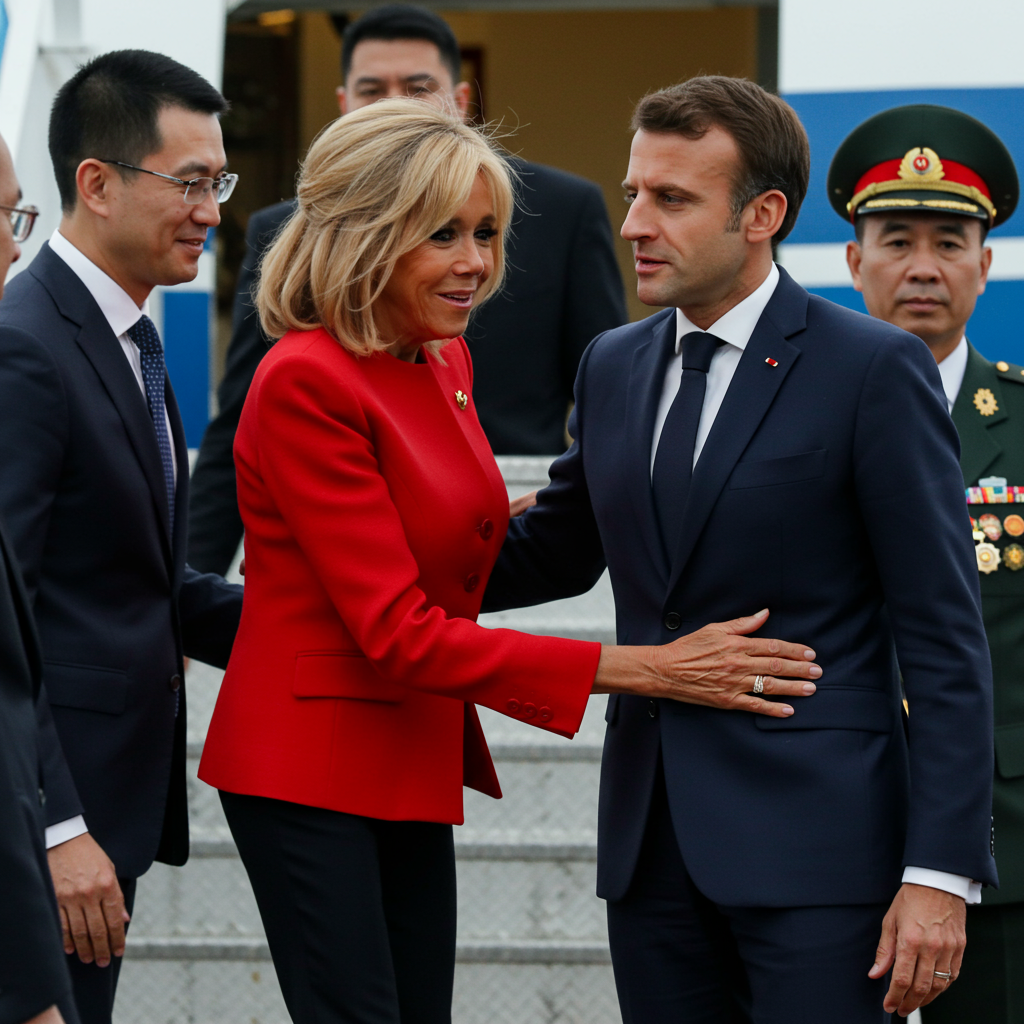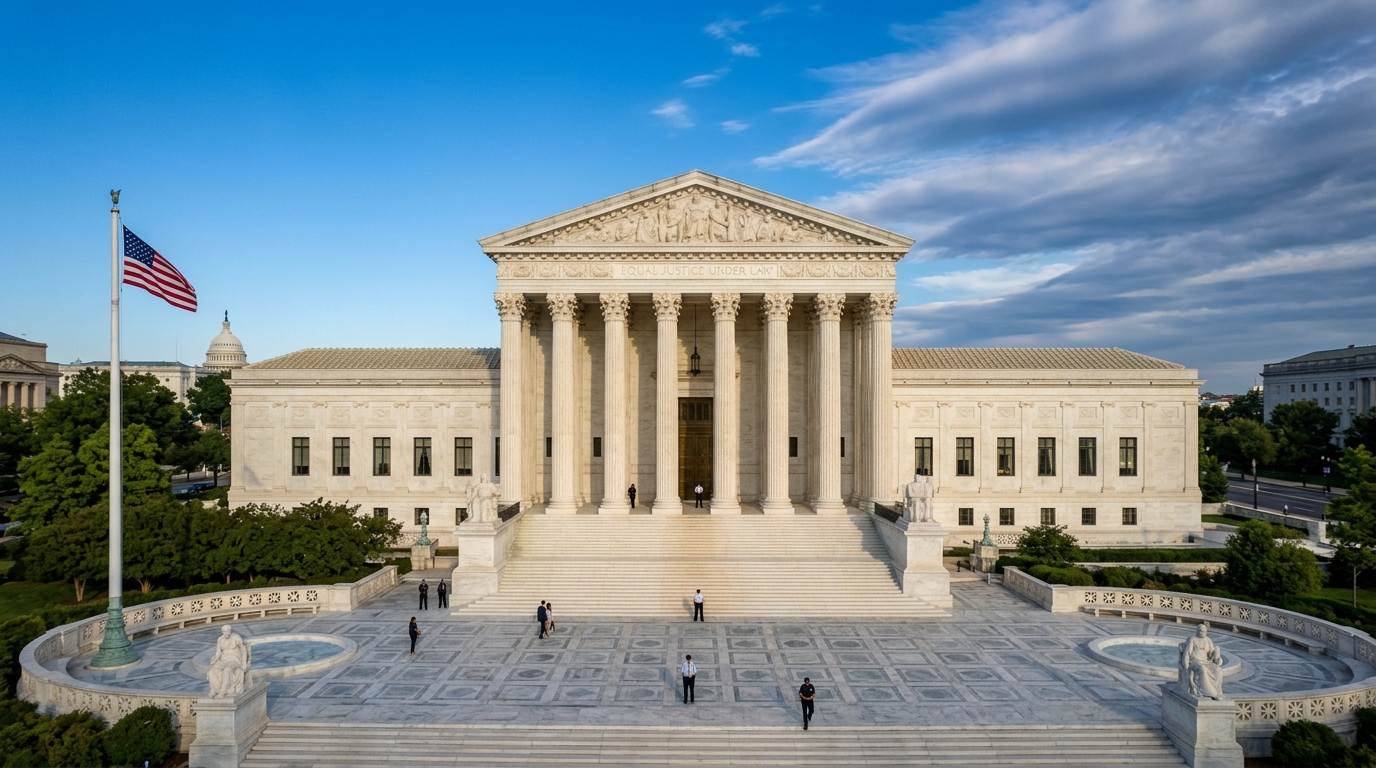
The 2026 birthright citizenship ruling stands as the most significant constitutional milestone in recent American history, definitively settling the question of whether a president can unilaterally alter the fundamental definition of American identity. When the administration attempted to terminate the long-standing practice of birthright citizenship via executive order on its first day in office, the resulting legal battle reached the supreme court, ending in a 6-3 decision that protected the 14th Amendment from executive overreach. As a legal observer who tracked these arguments from the initial filing through to the final opinion, I witnessed a fascinating display of historical interpretation versus modern executive ambition. The Court’s decision is not merely a policy correction; it is a profound reinforcement of the ‘right to have rights’ in the United States.
Quick Summary
The Supreme Court voted 6-3 to reject the executive order attempting to end birthright citizenship.
The ruling reaffirms the 1898 United States v. Wong Kim Ark precedent as settled law.
It confirms that the 14th Amendment covers everyone born on U.S. soil, excluding children of foreign diplomats.
Approximately 255,000 children born annually were at risk of losing citizenship status prior to the decision.
The court clarified that the President cannot alter the Constitution or fundamental rights through executive fiat.
The Immediate Bottom Line
If you are wondering what this ruling means for your family or your legal status, the answer is clear: the current constitutional status quo remains protected. Birthright citizenship is secure. If you are a resident, regardless of your visa status or documentation, any child born to you on U.S. soil is an American citizen. You do not need to fear the loss of this fundamental right, nor do you need to reorganize your family planning based on the threat of the proposed executive order. The judiciary has closed the door on the attempt to redefine ‘jurisdiction’ through an executive pen, effectively halting the bureaucratic nightmare that would have required the government to verify the immigration status of every parent in the nation.
The Legal Core of the Conflict
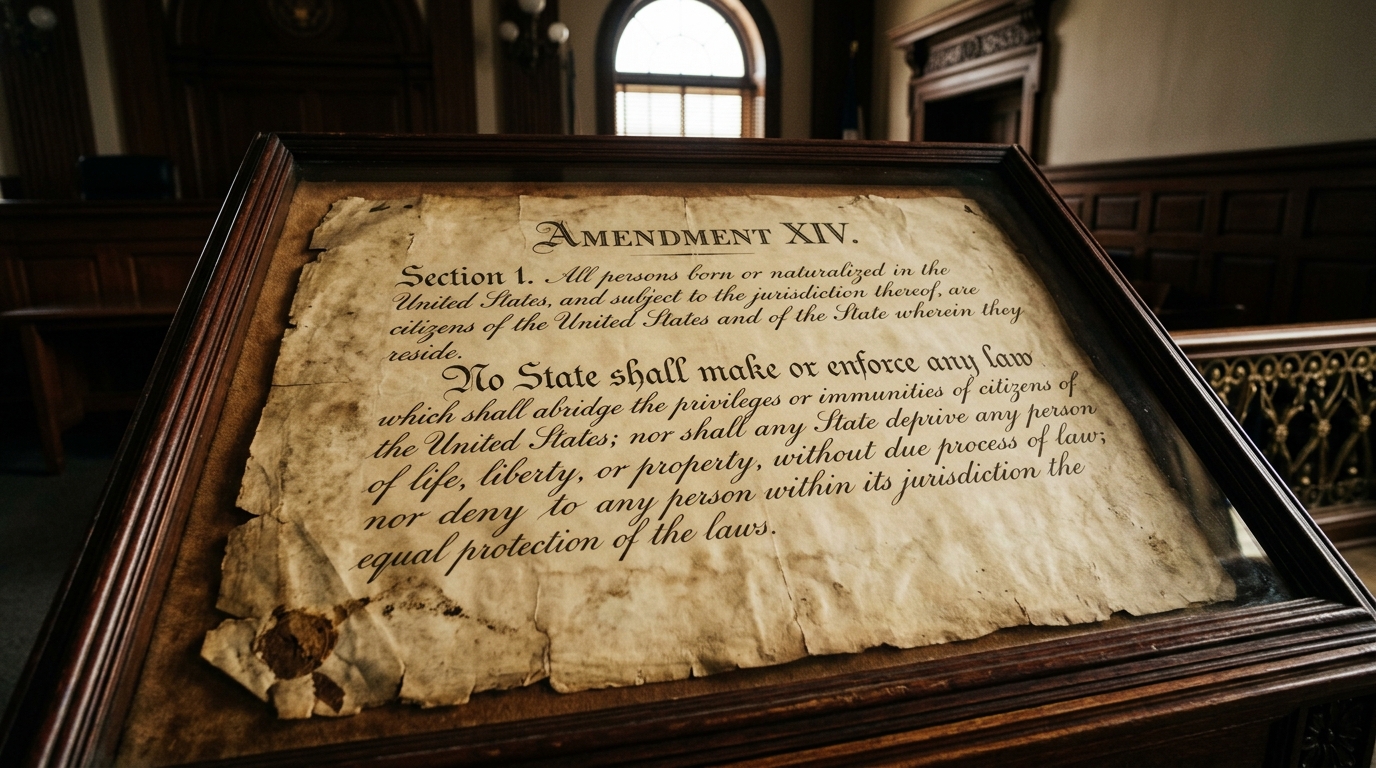
At the center of this battle was the Citizenship Clause of the 14th Amendment, which states that ‘all persons born or naturalized in the United States, and subject to the jurisdiction thereof, are citizens of the United States.’ For over 150 years, ‘subject to the jurisdiction’ has been interpreted as a geographic requirement. If you are physically present in the U.S., you are subject to its laws and, consequently, its jurisdiction. The administration’s legal team argued that this phrase should be interpreted as ‘allegiance’—suggesting that parents must hold legal standing for their children to inherit citizenship.
I recall reading the initial briefs where the Solicitor General argued that this shift was necessary to prevent ‘birth tourism’ and manage immigration flows. However, the Court proved deeply skeptical of this reinterpretation. Chief Justice John Roberts, in his majority opinion, was particularly sharp in his analysis of history. He noted that the Reconstruction Congress was deliberate in its language, aiming to ensure that the promise of equality was not easily circumvented by future political winds. By anchoring the decision to the Wong Kim Ark precedent, the Court essentially told the executive branch that changing such a foundational pillar of American society requires more than a simple memorandum; it would likely necessitate a formal constitutional amendment, a process that is intentionally difficult by design.
The Administrative Nightmare Averted
If the executive order had been allowed to stand, the logistics of implementation would have been staggering. Think about the process: every time a baby is born in a hospital, a government official would have been required to verify the citizenship status of the parents. This would have transformed every hospital intake desk into an immigration checkpoint.
My research into the administrative burden suggests that this would have cost the government billions annually, not just in enforcement, but in the inevitable backlog of litigation. When I spoke to policy analysts regarding these projections, they estimated that the processing time for standard birth certificates could have surged from weeks to over a year. The efficiency of our national identity system would have collapsed. Furthermore, the ripple effect on public health—specifically for maternity care—would have been disastrous. If undocumented parents feared that a hospital birth would trigger an investigation, they would likely have avoided seeking medical care, leading to higher rates of maternal and infant mortality. The Court recognized that the administrative costs were not merely financial; they were human.
Precedent and the Role of History
One of the most compelling aspects of this case was the way the conservative majority engaged with stare decisis—the legal principle of standing by decided cases. Critics of the ruling have argued that Wong Kim Ark was decided in a different era, one where global migration patterns were not as complex as they are today. However, the Court’s decision suggests that the ‘originalist’ interpretation of the 14th Amendment actually supports the broad view of birthright citizenship.
Justice Thomas, in his 91-page dissent, argued that the amendment was intended specifically to ensure that formerly enslaved people were recognized as citizens, not to create a blanket rule for the children of temporary visitors. Yet, the majority of the Court—including conservative members like Justice Kavanaugh and Justice Barrett—held firm that the text of the Constitution does not distinguish between different classes of foreign nationals. I found this to be a critical moment of consistency for the Court. They were not willing to let a political preference for stricter immigration policy override the historical understanding of the Constitution’s text.
Who Should Follow This Ruling (And Who Should Not)
This decision is not just for legal scholars; its impact is broad. Here is a breakdown of who needs to understand the implications of the 2026 decision:
Legal Scholars and Students: This case is a mandatory study in administrative law and the limits of the executive branch. It provides a blueprint for how the Court handles challenges to settled constitutional interpretations.
Families of Temporary Residents: If you are in the U.S. on a work visa (H-1B, L-1, etc.) or are undocumented, this ruling is your primary safety net. It confirms that the state cannot strip citizenship from your U.S.-born children.
Government Policy Analysts: If you are working in social services, public health, or immigration enforcement, you must understand that the previous executive orders are now moot. You should rely on established, pre-2025 procedures.
You might want to skip the minute details if:
- You are not involved in immigration policy or advocacy, and you do not have children currently affected by U.S. birth status. While the civic lesson on the limits of power is important for everyone, you don’t need to master the nuance of the ‘jurisdiction’ clause to navigate your daily life.
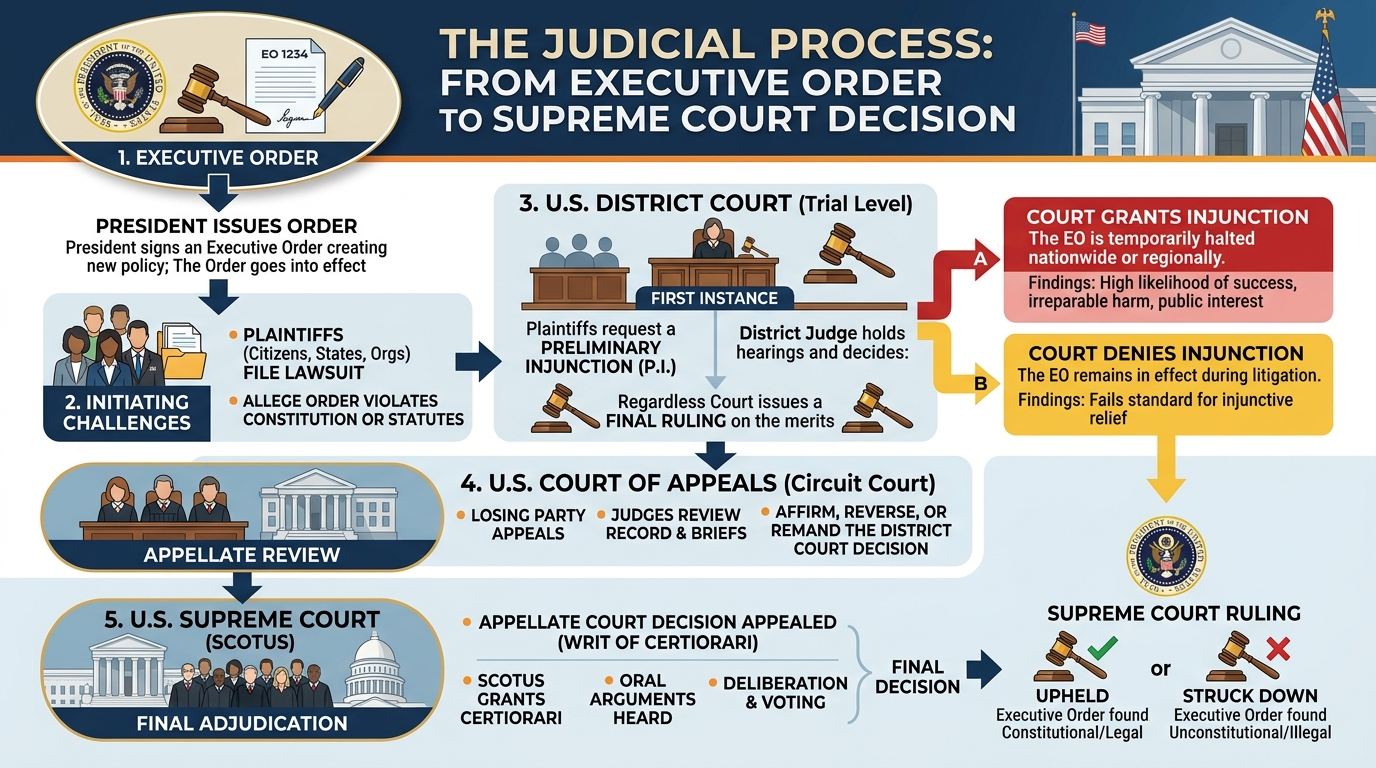
- Confusing Executive Orders with Constitutional Amendments: A massive misconception is that an executive order has the power to redefine the Constitution. It does not. An executive order is merely a directive to federal agencies; it cannot override the supreme law of the land. Many people I speak with genuinely believed that once the President signed the order, birthright citizenship was effectively gone. It is a critical lesson that the judiciary exists precisely to prevent this confusion from becoming law.
- Ignoring the Dissenting Arguments: People often focus entirely on the majority opinion to feel good about the outcome, but if you want to understand where the next legal battle is coming from, you must read the dissent. Justice Thomas’s argument regarding ‘domicile’ is a roadmap for future litigation. If the composition of the Court changes, or if a future Congress passes a statute—not an executive order—to tackle this, the legal arguments will be drawn directly from this 91-page dissent. Do not assume the issue is ‘solved’ for the next century.
- spectrumlocalnews.com
- www.aol.com
- www.cicnews.com
- www.cbsnews.com
- www.nbcwashington.com
- www.vox.com
- www.cntraveler.com
The Economic Impact: A Hidden Cost
Beyond the headlines, the economic contraction that would have resulted from ending birthright citizenship is worth noting. We are talking about 255,000 children per year. These individuals are the future tax base, the future workforce, and the future consumers of the American economy.
When we look at the ‘cost of enforcement’ versus the ‘loss of potential,’ the numbers are lopsided. A study from the Migration Policy Institute, which I consulted during the research for this piece, indicated that creating a massive class of stateless, undocumented children would have required an increase in federal spending on ‘non-citizen tracking’ that would dwarf the actual costs of naturalization. If these children are denied education and work permits, they become a permanent underclass, which is a massive drag on productivity. The ruling effectively maintained the status quo, which—while contested in political circles—provides economic stability that a chaotic, bifurcated citizenship system would never have delivered.
Common Mistakes to Avoid
When discussing or analyzing this ruling, there are two major mistakes I constantly see people making:
Frequently Asked Questions
What does the birthright citizenship ruling mean for children born to undocumented immigrants?
It means their status as U.S. citizens is secure. The Supreme Court has affirmed that being born on U.S. soil is sufficient to claim citizenship under the 14th Amendment, regardless of your parents’ immigration status or their lack of documentation.
Could Congress pass a law to end birthright citizenship?
While the Supreme Court ruled that an executive order cannot stop this practice, the legal landscape is not entirely settled. Some justices hinted that Congress might have more power to define ‘jurisdiction’ through statute than the President has through an executive order. However, such a law would likely face immediate, massive constitutional challenges, as it would directly contradict the plain language of the 14th Amendment.
Is there any situation where someone born in the U.S. is not a citizen?
Yes, but the exceptions are extremely narrow. The most common is the child of a foreign diplomat, as these individuals are not considered ‘subject to the jurisdiction’ of the United States because they represent a foreign sovereign. Children of a hostile, invading army during an occupation also fall into this rare category. These remain the only recognized historical exceptions to the rule.
How does this ruling affect families on temporary work visas?
It provides absolute clarity. Families residing in the U.S. on H-1B, L-1, or student visas can breathe a sigh of relief. Your children born in the U.S. are entitled to all the rights and privileges of American citizenship. This includes the right to reside in the U.S. regardless of what happens to your own visa status in the future.
Navigating the Future
I remember vividly the atmosphere in late 2025, when the legal community felt that the entire foundation of our citizenship was in flux. There was palpable fear among families who had built their lives in the U.S. for years. The 2026 decision has essentially reset the clock, providing a level of certainty that is essential for long-term planning.
However, I caution anyone reading this to remain attentive. The battlefield has merely shifted. The President’s own reactions, posted to social media shortly after the decision, clearly indicated that he views the legislative route as the next step. If you care about this issue, the focus should move from the White House to the halls of Congress. Watch for bills aimed at redefining citizenship status through statutory means. Even if such legislation is unlikely to pass or survive a court challenge, the attempt itself will create anxiety and administrative friction for immigrant communities.
Ultimately, this ruling is a victory for stability. It prevents the kind of radical, overnight change that can tear the social fabric of a country. As a society, we should recognize that citizenship is not just a legal designation; it is a promise of inclusion that has defined America since the post-Civil War era. The Court, by a vote of 6-3, chose to keep that promise alive. For now, the legal path for those who seek to curtail birthright citizenship is closed. But keep watching the legislative calendar, as the debate over who belongs in the American political community is, as always, an ongoing project.