In a critical period of heightened tensions, Pakistan is intensifying its diplomatic efforts to revive stalled peace talks between the United States and Iran. The ongoing conflict has severely impacted global energy markets and led to a devastating human cost across the Middle East. As leaders navigate complex demands and entrenched positions, Islamabad’s role as a mediator becomes crucial in preventing further escalation and fostering regional stability. This renewed push for dialogue follows a series of diplomatic movements and setbacks, highlighting the urgent need for a breakthrough.
Pakistan’s Pivotal Mediation Role
Pakistan has emerged as a key player in attempts to de-escalate the volatile US-Iran conflict. Islamabad’s leaders are actively working to bridge significant gaps between Washington and Tehran, following an indefinite ceasefire extension by President Trump at Pakistan’s behest. This extension aimed to provide a window for diplomatic maneuvers.
The Diplomatic Dance: Envoy Movements and Canceled Talks
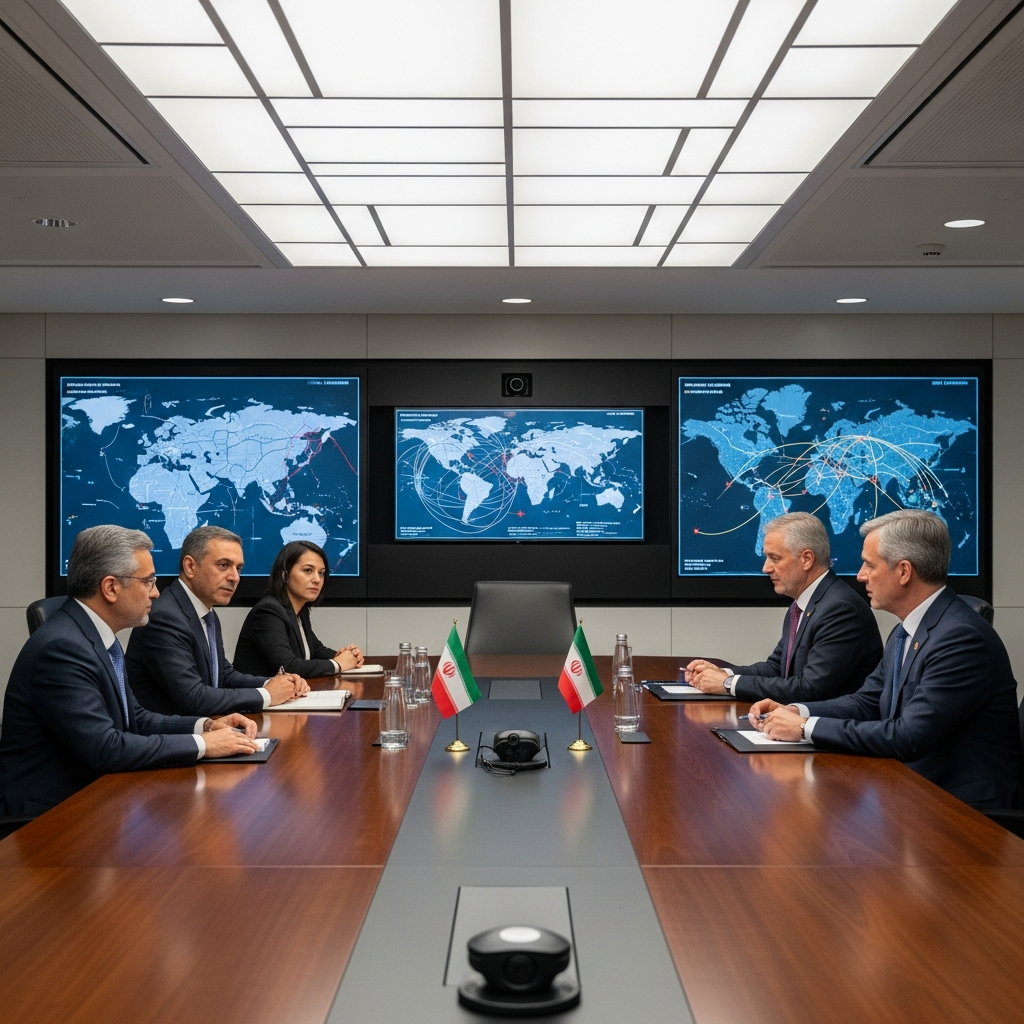
Recent developments saw Iranian Foreign Minister Abbas Araghchi embark on a crucial diplomatic tour, visiting Pakistan, Oman, and Russia. His mission focused on facilitating a potential second round of ceasefire negotiations. Initially, a second round of talks was anticipated in Islamabad, but US envoys canceled their travel plans for the weekend of April 26, 2026. Despite this setback, Pakistani officials confirmed that indirect talks continue, underscoring Islamabad’s persistent commitment to mediation. Araghchi’s brief return to Islamabad and subsequent departure for Russia highlights the intensity and complexity of these high-stakes discussions.
Iran’s Non-Negotiable Demands: Lifting the Blockade
A central point of contention in any prospective dialogue is Iran’s firm demand for the removal of the US blockade on its ports. Iranian President Masoud Pezeshkian explicitly communicated this stance to Pakistani Prime Minister Shehbaz Sharif. He emphasized that the US “should first remove operational obstacles, including the blockade,” before a new round of negotiations can commence. This condition underscores Iran’s position that the current economic pressure must ease to create an environment conducive to productive talks.
Strait of Hormuz: A Bottleneck of Conflict
The Strait of Hormuz, a vital global shipping route, lies at the heart of the dispute. Prior to the conflict, it facilitated one-fifth of the world’s oil and liquefied natural gas (LNG) traffic. Iran asserts sovereignty over the strait, which it shares with Oman, claiming the right to control passage and potentially levy tolls on non-hostile ships. Washington, conversely, demands unrestricted freedom of navigation.
Since the war’s outset in February 2026, Iran has effectively closed the strait through reported attacks and mine-laying, drastically reducing shipping traffic by 95 percent. The US responded by imposing its own naval blockade on Iranian ports, further exacerbating the maritime standoff. The strategic importance of this waterway means any resolution will require significant concessions regarding its control and accessibility.
Deep-Rooted Sticking Points Threatening Lasting Peace
The path to a comprehensive peace deal is fraught with several critical points of friction. These issues represent fundamental disagreements that have historically fueled animosity between the two nations. Analysts like Rob Geist Pinfold of King’s College London suggest these gaps appear “insurmountable” in the short term.
The Nuclear Impasse: Enrichment and Accusations
A major hurdle is Iran’s nuclear program. The US and Israel demand a complete cessation of uranium enrichment, despite the absence of concrete evidence that Iran is pursuing nuclear weapons. Iran steadfastly maintains its enrichment activities are for peaceful civilian purposes, citing its rights under the 1970 Treaty on the Non-Proliferation of Nuclear Weapons (NPT).
While Iran adhered to the 2015 JCPOA, limiting enrichment to 3.67 percent, Trump unilaterally withdrew the US from the agreement in 2018. Despite US intelligence director Tulsi Gabbard testifying in March 2025 that Iran “is not building a nuclear weapon,” the IAEA estimated Iran possessed 440kg of 60-percent enriched uranium by April 2025 – a purity level close to weapons grade. Iranian President Pezeshkian has unequivocally affirmed Iran’s right to enrichment, challenging any attempts by the US to deny this.
Lebanon’s Front: Israel and Hezbollah in Focus
Iran is also demanding that any ceasefire extend to Lebanon, calling for an end to Israel’s offensive against Hezbollah and its invasion of southern Lebanon. This conflict intensified following the killing of Supreme Leader Ali Khamanei. While Israel initially resisted, it eventually agreed to a 10-day truce after direct Israel-Lebanon talks. However, this truce is now reportedly “teetering” amid renewed hostilities between Israeli forces and Hezbollah, Iran’s most powerful regional ally. The interconnectedness of these regional conflicts makes a holistic peace deal incredibly challenging.
Evolving US Demands and Iran’s Firm Stance
The landscape of US demands has shifted throughout the conflict. Before the war, Washington and Israel insisted on severe restrictions on Iran’s ballistic missile program, a demand Iran consistently rejected as non-negotiable. Interestingly, since the ceasefire, the US has not publicly raised the ballistic missile issue in negotiations, despite Iran’s continued use of them.
Similarly, while President Trump previously expressed a desire for “regime change” in Tehran and claimed success after Khamanei’s killing, experts like Salar Mohandesi of Bowdoin College argue that the fundamental structures of the Islamic Republic remain intact. Furthermore, the war has arguably strengthened the hardline Islamic Revolutionary Guard Corps (IRGC). Despite Trump’s recent claims that Iran had agreed to cease support for its proxy groups (Hezbollah, Houthis, Iraqi groups), Iran’s Ministry of Foreign Affairs vehemently rejected any such agreement.
The Broader Landscape: War’s Devastating Impact
The conflict between the US, Israel, and Iran, which began on February 28, 2026, has had far-reaching consequences beyond the immediate battlefields. Its impact spans economic disruption, humanitarian crises, and a significant military buildup across the region.
Economic Repercussions and Energy Security
The effective closure of the Strait of Hormuz has sent ripples through the global economy. To stabilize energy prices and expedite supply to US ports, President Trump issued a 90-day extension to the Jones Act waiver, allowing non-American vessels to transport oil and natural gas. This measure, following an initial 60-day waiver, proved successful in increasing supply to US ports. As a result, Brent crude oil prices retreated to around $104 a barrel, down from over $107, which was nearly 50% higher than when the war began. Despite this, the disruption underscores the fragility of global energy security amid ongoing hostilities.
Human Cost of Conflict in the Middle East
The human toll of the war has been tragic and widespread. At least 3,375 people have been killed in Iran. Renewed fighting between Israel and Hezbollah has claimed over 2,290 lives in Lebanon. In Israel, 23 people have died, alongside more than a dozen in Gulf Arab states. The conflict has also resulted in the deaths of 15 Israeli soldiers in Lebanon and 13 US service members across the region. These figures paint a grim picture of the devastating impact on civilian populations and military personnel alike.
Prospects for Peace: An Uphill Battle
The immediate prospects for a comprehensive deal remain dim. Iran’s top negotiator, Mohammad Bagher Ghalibaf, conceded that while “conclusions” were reached on some issues, a final agreement was “far from” reality. Experts generally agree that merely extending the ceasefire is a more realistic short-term outcome than achieving a full peace deal.
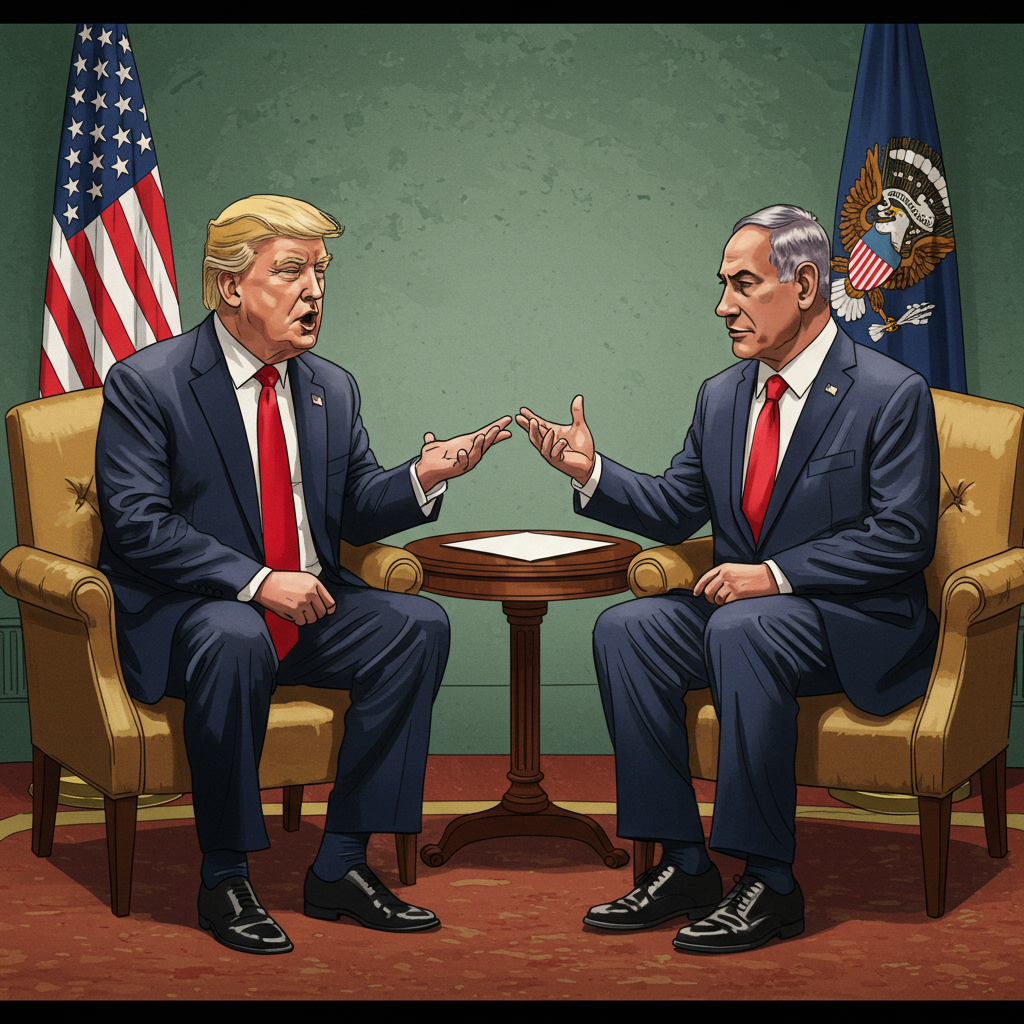
President Trump faces pressure to transform what some perceive as a “disastrous defeat” into a diplomatic victory. However, Iran shows little willingness to compromise on core strategic issues like its missile program, support for regional allies, and its right to uranium enrichment. The crucial role of Pakistan’s mediation efforts will be to find common ground amidst these profound disagreements, potentially preventing a full-scale return to the “US-Israel war on Iran.”
Frequently Asked Questions
What are the main obstacles preventing a peace deal between the US and Iran?
Several critical issues hinder a comprehensive agreement. Iran demands the lifting of the US naval blockade on its ports as a prerequisite for talks. Disputes over the Strait of Hormuz, including its sovereignty and freedom of navigation, remain central. Additionally, the US insists on zero uranium enrichment from Iran, which Iran maintains is for civilian purposes. The conflict in Lebanon involving Israel and Hezbollah, an Iranian ally, also complicates negotiations, with Iran pushing for a ceasefire extension there.
How is Pakistan attempting to mediate between the US and Iran?
Pakistan is actively engaging in shuttle diplomacy and hosting discussions to bridge the significant gaps between the US and Iran. Its leaders have sought to revive peace talks, with Iranian Foreign Minister Abbas Araghchi visiting Islamabad as part of a diplomatic tour. While direct US envoys canceled their trip for a planned second round of talks, Pakistani officials confirm that indirect discussions are still ongoing. Pakistan’s army chief has also visited Tehran for talks, underscoring the country’s proactive role in facilitating dialogue.
What are the geopolitical and economic implications if US-Iran negotiations fail?
A failure in negotiations risks further escalation of the “US-Israel war on Iran,” with severe geopolitical and economic consequences. Militarily, tensions could intensify in crucial waterways like the Strait of Hormuz, further disrupting global shipping and energy supplies. Economically, increased instability would likely drive up global oil prices and create significant market uncertainty. The conflict’s human cost, already substantial with thousands of fatalities, would tragically continue to mount across Iran, Lebanon, Israel, and other Gulf states, destabilizing the entire Middle East.