Three powerful nations – Spain, Brazil, and Mexico – have collectively pledged increased humanitarian assistance to Cuba. This significant commitment comes amidst escalating tensions with the United States, specifically due to a severe US oil embargo and stark threats of invasion from President Donald Trump. The move underscores a growing global progressive solidarity aiming to alleviate a deepening humanitarian crisis on the Caribbean island.
A United Front in Barcelona: Leftist Leaders Convene
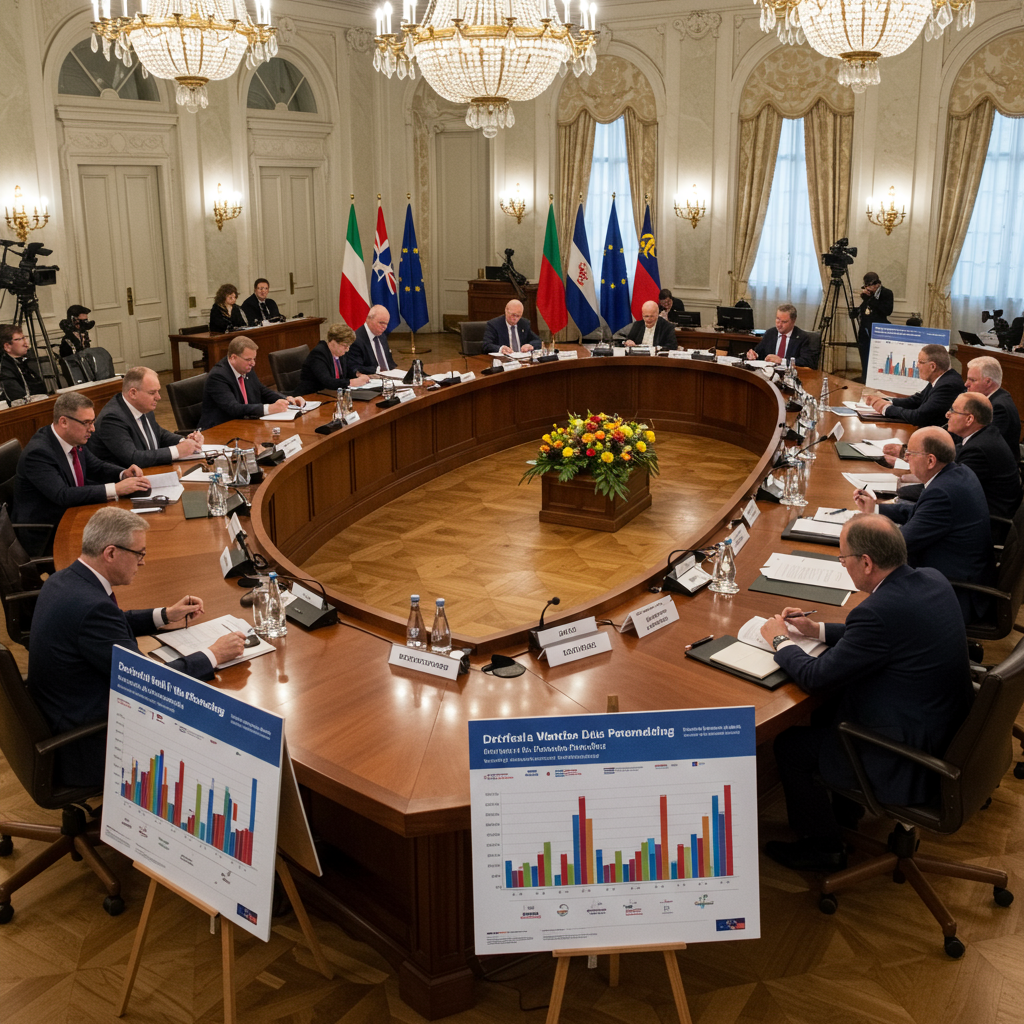
The decisive pledge followed a high-profile summit of leftist leaders in Barcelona, Spain. Hosted by Spanish Prime Minister Pedro Sanchez, the gathering united prominent figures including Brazilian President Luiz Inacio Lula da Silva and Mexico’s President Claudia Sheinbaum. Their joint statement, issued late Saturday, explicitly called for diplomatic dialogue and strongly cautioned against any military intervention in Cuba. It also emphasized the fundamental right of the Cuban people to determine their own future without external interference.
Leaders Rally Against Global Far-Right
This international assembly, dubbed the “IV Meeting in Defense of Democracy” and the inaugural “Global Progressive Mobilization,” served as a crucial platform to champion multilateralism and democratic principles. Leaders from around the world voiced strong opposition to the rising influence of the global far-right. Attendees included South Africa’s Cyril Ramaphosa, Colombian President Gustavo Petro, and German Vice Chancellor Lars Klingbeil. Even New York City’s socialist Mayor Zohran Mamdani and Senator Bernie Sanders contributed video messages, highlighting the widespread concern over global political shifts.
Sanchez’s Stance: Multilateralism vs. US Policy
Spanish Prime Minister Pedro Sanchez, a vocal critic of President Trump, used the summit to articulate a firm defense of international law and institutions. He condemned “attacks against the multilateral system” and the “dangerous normalization of the use of force.” Sanchez’s position aligns with his past actions, notably his refusal to allow US forces to use Spanish bases for military operations against Iran and his opposition to increasing Spain’s military spending as demanded by Trump. He asserted that the global far-right’s “time is running out,” attributing their decline to “tariffs and wars” and their “embrace of climate change denial, of xenophobia, or sexism.” Despite Trump’s critiques on Truth Social regarding Spain’s economy and NATO contributions, Spain has maintained one of Europe’s fastest-growing economies under Sanchez’s leadership since 2018.
Cuba’s Humanitarian Crisis: The US Blockade’s Impact
Cuba is grappling with a severe humanitarian crisis, directly attributed by the three allied nations to the longstanding US blockade. This economic pressure has led to widespread shortages and significant hardship for the Cuban populace. The recent oil embargo imposed by the Trump administration has further exacerbated the situation, resulting in massive, nationwide blackouts across the island.
Trump’s Threats and Oil Embargo
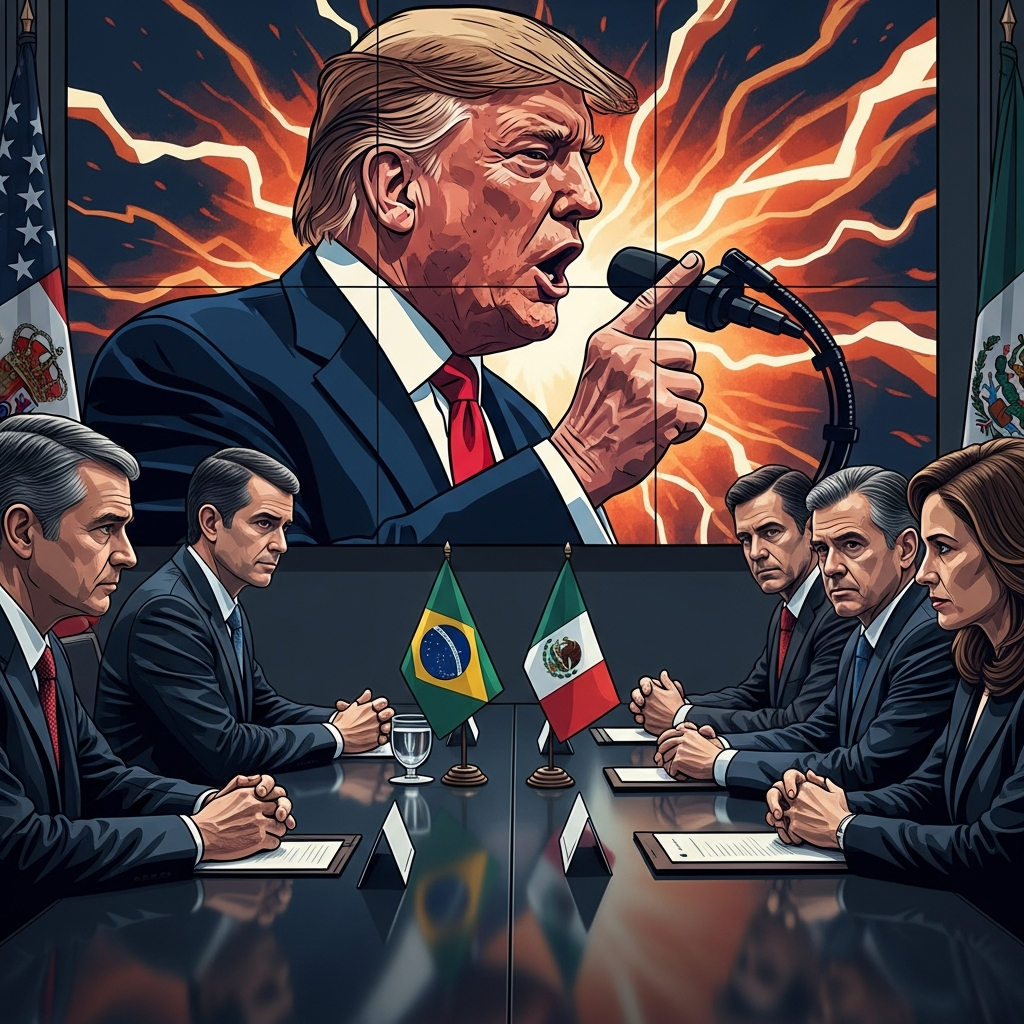
The US President has repeatedly issued threats, including the possibility of invading Cuba. Reports indicate that since launching a war against Iran on February 28, Trump had also “floated the idea of ‘taking’ Cuba.” These aggressive postures, coupled with the stringent oil blockade, have pushed Cuba to the brink, prompting international humanitarian appeals. The concerted aid effort from Spain, Brazil, and Mexico is a direct response to these pressures, aiming to mitigate the crisis and assert a multilateral counter-stance to US unilateralism.
Understanding the Broader US Aid Freeze
The Trump administration’s approach to Cuba aligns with a broader strategy of recalibrating US foreign aid. In a significant move, the US Supreme Court, in September 2025, permitted the administration to freeze over $4 billion in foreign aid previously approved by Congress. This decision, driven by a conservative majority, argued that the president’s foreign affairs conduct outweighed potential harm to aid recipients. Liberal justices dissented, citing concerns over the “power of the purse” and the constitutional principle of “separation of powers.”
Since his return to office, Trump’s White House has consistently criticized aid programs as wasteful or misaligned with US objectives. Secretary of State Marco Rubio has been instrumental in dismantling USAID, the world’s largest international aid agency, by merging its programs with the State Department. This drastic reduction in foreign assistance has drawn severe warnings from humanitarian organizations, with a UCLA study projecting an additional 14 million global deaths by 2030 due to these cuts. Such policies underscore a fundamental shift in US foreign policy, with significant global consequences that progressive leaders like those at the Barcelona summit aim to counter.
Mending Diplomatic Ties: Spain and Mexico
The Barcelona summit also served a crucial diplomatic purpose for Mexico. President Claudia Sheinbaum, making her inaugural visit to Spain since taking office in October 2024, played a key role in advocating against US military action in Cuba. Her presence was pivotal in mending strained relations between Spain and Mexico, which had been tense since 2019 when Mexico requested an apology for historical abuses during Spanish colonization.
Spanish King Felipe VI had previously acknowledged “a lot of abuse” during colonial conquests. Despite past frictions, Sheinbaum insisted there had never been a “diplomatic crisis,” signaling a renewed and strengthened bond between the two nations. This diplomatic rapprochement provides a robust foundation for their collaborative efforts on international issues, including aid to Cuba.
The Ideological Divide: Left vs. Right Rallies
The Barcelona summit’s progressive agenda starkly contrasted with simultaneous right-wing gatherings elsewhere. This ideological split highlights the deepening political polarization on a global scale.
Contrasting Gatherings Across Europe
On the same Saturday, exiled Venezuelan opposition leader Maria Corina Machado attended a rally of right-wing supporters in Madrid, notably declining a meeting with Prime Minister Sanchez. Meanwhile, prominent far-right leaders from across Europe converged in Milan. Thousands of attendees demonstrated against irregular immigration and the European Union. These right-wing rallies, occurring shortly after Hungarian populist Viktor Orban’s electoral defeat to a pro-EU candidate, underscore a persistent and active conservative movement advocating for nationalist agendas. German Vice Chancellor Lars Klingbeil, at the Barcelona summit, succinctly captured this dynamic: “The far right is international, so we must be too,” emphasizing the urgent need for international progressive solidarity to counter these movements.
Global Implications and Future Outlook
The joint pledge by Spain, Brazil, and Mexico marks a significant geopolitical statement. It showcases an emerging alliance of progressive nations prepared to challenge what they perceive as aggressive, unilateral US foreign policy. This act of solidarity with Cuba, framed within a broader defense of multilateralism and democratic values, could set a precedent for future international responses to similar geopolitical challenges. The humanitarian aid initiative aims to provide immediate relief while asserting a long-term commitment to self-determination and dialogue over intervention.
Frequently Asked Questions
Why are Spain, Brazil, and Mexico increasing aid to Cuba?
Spain, Brazil, and Mexico are boosting aid to Cuba primarily due to a severe humanitarian crisis on the island. They attribute this crisis to a prolonged US blockade, which has recently intensified with an oil embargo imposed by President Donald Trump. This embargo has led to widespread power outages and shortages. The three nations aim to provide relief and counter what they view as aggressive US policies, including threats of invasion, by promoting dialogue and self-determination for the Cuban people.
What was the significance of the Barcelona summit for leftist leaders?
The Barcelona summit, hosted by Spanish Prime Minister Pedro Sanchez, was a crucial gathering for leftist leaders globally. It served as a platform to collectively defend multilateralism and democracy against the rising influence of the far-right. The summit facilitated a joint pledge to aid Cuba, symbolizing a united progressive front against US unilateralism and challenging the global political shift towards nationalism. It also provided an opportunity to strengthen diplomatic ties, such as those between Spain and Mexico.
How has the US foreign aid freeze impacted global humanitarian efforts?
The US foreign aid freeze, initiated by the Trump administration and upheld by the Supreme Court in September 2025, has had significant negative impacts on global humanitarian efforts. Over $4 billion in approved aid was withheld, leading to concerns about the US government’s commitment to international development and stability. Organizations like USAID have been restructured and effectively dismantled, raising alarms from researchers and humanitarian groups. A UCLA study projected an additional 14 million global deaths by 2030 due to these cuts, highlighting dire consequences for global public health and people in developing countries.
Conclusion
The unified commitment from Spain, Brazil, and Mexico to boost humanitarian aid for Cuba represents a powerful statement of international solidarity. Emerging from a critical summit of leftist leaders in Barcelona, this initiative directly challenges the US blockade and threats against Cuba, which are seen as exacerbating a severe humanitarian crisis. By championing multilateralism and self-determination, these nations are not only providing crucial assistance but also asserting a progressive vision for global governance that stands in stark contrast to unilateral and nationalist approaches. This collective action underscores a pivotal moment in international relations, signaling a robust defense of humanitarian principles and diplomatic engagement over military intervention and economic pressure.