El Salvador has just implemented a groundbreaking and highly controversial legal shift. President Nayib Bukele recently signed constitutional reforms allowing life prison sentences for individuals as young as 12. This move, which applies to serious crimes like homicide, femicide, rape, and gang membership, marks a significant departure from previous laws. Critics warn these reforms are the latest step in Bukele’s aggressive “war on gangs,” raising serious human rights concerns.
A Drastic Change to Juvenile Justice in El Salvador
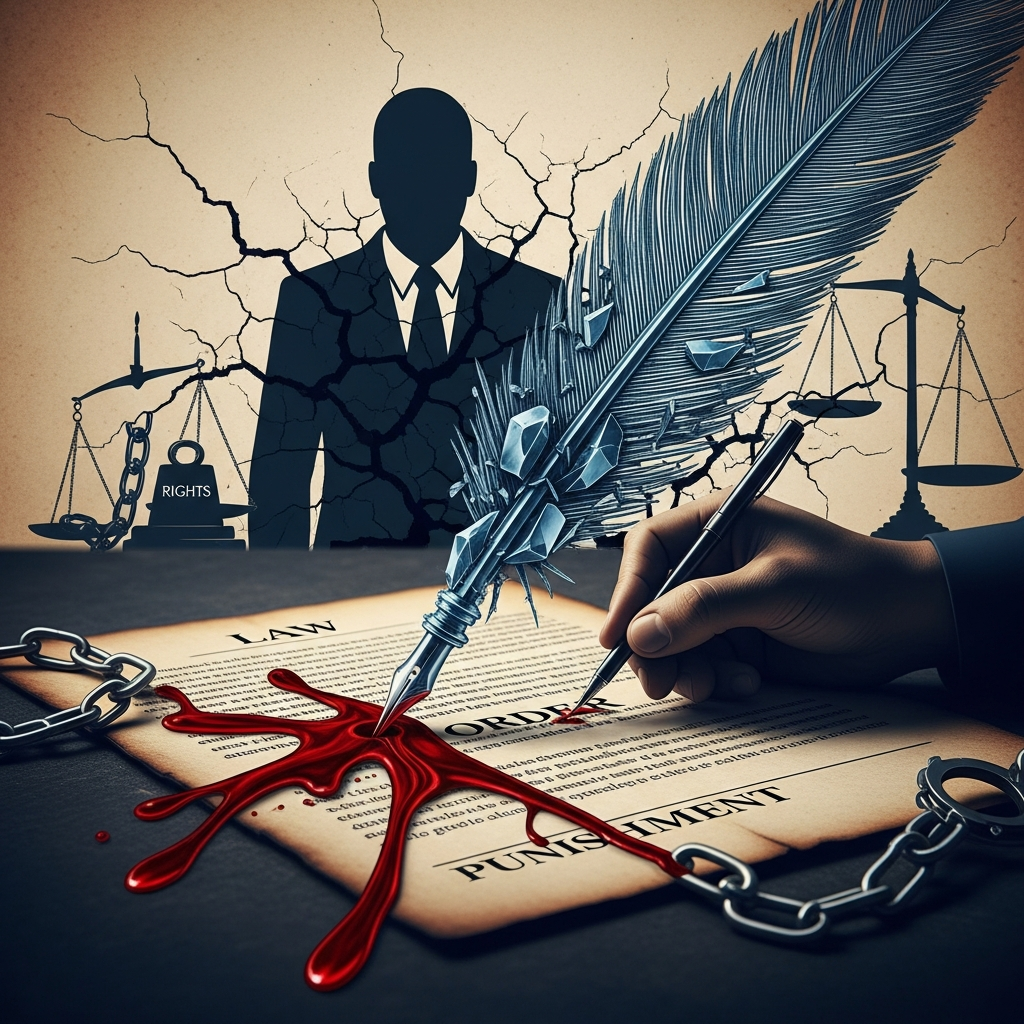
President Nayib Bukele’s administration has fundamentally altered El Salvador’s justice system with new constitutional reforms. Effective April 26, these changes permit life imprisonment for those as young as 12. This drastic measure targets individuals convicted of or complicit in severe offenses. These crimes include homicide, femicide, rape, and participation in gang activities. The Legislative Assembly, dominated by Bukele’s party, passed these reforms last month. They were actively pushed by his cabinet.
Previously, El Salvador imposed a maximum 60-year sentence for adults. Youth offenders faced even shorter terms. The new reforms introduce specialized criminal courts to handle these cases. They also include a provision for mandatory review of life terms. This review would occur decades into a sentence. The timing depends on the convict’s age and the crime’s gravity. This overhaul represents a stark shift in the nation’s approach to youth crime.
How the New Sentencing Applies
The scope of the new sentencing guidelines is broad. It encompasses youths involved in the most heinous crimes. Specifically, children aged 12 and older can now face life in prison. This applies if they are found guilty of:
Homicide
Femicide
Rape
Active gang membership or complicity
This expansion of judicial power over minors is unprecedented in modern Salvadoran history. It underscores the government’s tough stance on crime.
Bukele’s Expanding “War on Gangs”
These sentencing changes are not isolated. They are an integral part of President Bukele’s ongoing “war on gangs.” This campaign began in 2022 following a surge in gang violence. Bukele declared a “temporary” state of emergency then. However, this emergency status has since become a permanent fixture. It has been extended repeatedly over the past four years. Under this state of emergency, core constitutional rights have been suspended. The government has detained a staggering number of people.
Around 91,650 individuals have been arrested in El Salvador. This represents over 1% of the country’s entire population. Critics describe these detentions as arbitrary. Many prisoners are held on vague charges. Evidence is often minimal. Mass trials have become common, and lawyers frequently struggle to locate their clients. Government officials have made a chilling promise. They vow that detained gang members “will never return” to the streets. President Bukele himself claims less than 10% of those arrested have been released.
A Controversial Crackdown with Dual Impacts
The widespread crackdown has drawn intense scrutiny from human rights organizations. Accusations of abuses and arbitrary detentions are rampant. For instance, one mass trial saw alleged gang members receive sentences totaling hundreds of years. Despite these significant concerns, the policies have had a dramatic effect. El Salvador, once plagued by one of the world’s highest homicide rates, has seen a sharp decline in murders. This outcome has bolstered President Bukele’s popularity to soaring levels both domestically and internationally. His administration prioritizes perceived security over civil liberties.
Erosion of Democratic Checks and Balances
Beyond the “war on gangs,” Bukele’s administration faces criticism for undermining democratic institutions. His government, along with its allies, has pushed through numerous constitutional reforms. These changes concentrate power within the executive branch. Last year, one highly contentious reform eliminated presidential term limits. This paves the way for Bukele to remain in power indefinitely. Such moves weaken the traditional checks and balances crucial for a healthy democracy.
Bukele’s perceived alliance with figures like former U.S. President Donald Trump has seemingly emboldened his administration. It has intensified efforts to target political opponents. Critics, activists, and journalists often face immense pressure. They are increasingly forced to choose between exile and imprisonment. This pattern raises serious questions about the future of free speech and political dissent in El Salvador.
Documented Human Rights Violations
Human rights organizations have consistently documented cases of arbitrary detentions for years. One prominent group even filed a formal complaint. This complaint went before the Inter-American Commission on Human Rights. It asserted that the vast majority of individuals imprisoned under the state of emergency were arbitrarily detained. President Bukele, however, publicly denies these claims. The international community continues to monitor the situation closely. The balance between public security and fundamental rights remains a global point of contention in El Salvador.
Frequently Asked Questions
What specific constitutional reforms allow life sentences for minors in El Salvador?
The recent constitutional reforms, signed by President Nayib Bukele and effective April 26, permit life prison sentences for individuals as young as 12. These changes were passed by the Legislative Assembly, which is controlled by Bukele’s party. The reforms apply to serious crimes including homicide, femicide, rape, and gang membership. They also establish new criminal courts and include a provision for mandatory review of life terms after several decades, depending on the convict’s age and the severity of their crimes.
How do these new sentencing laws relate to President Bukele’s “war on gangs”?
These new sentencing laws are a direct extension of President Bukele’s aggressive “war on gangs,” initiated in 2022. Following a surge in gang violence, a “temporary” state of emergency was declared, which has since been repeatedly extended. This crackdown has suspended constitutional rights and led to the detention of over 91,650 people, or more than 1% of El Salvador’s population. The introduction of life sentences for minors underscores the government’s intensified efforts to combat gang-related crime, aiming to deter youth involvement.
What are the main criticisms and human rights concerns surrounding Bukele’s reforms and crackdowns?
Critics, including human rights organizations, accuse Bukele’s government of widespread human rights abuses and arbitrary detentions. Concerns include prisoners being held on vague charges with little evidence, mass trials where lawyers lose track of clients, and the suspension of constitutional rights under the prolonged state of emergency. Critics also point to the weakening of democratic checks and balances, the elimination of presidential term limits, and the targeting of political opponents and journalists as alarming developments that undermine El Salvador’s fragile democracy.
The Future of Justice in El Salvador
El Salvador stands at a pivotal moment. President Bukele’s bold legislative actions aim to eradicate gang violence. These efforts have indeed dramatically reduced homicide rates. Yet, they come at a significant cost. The new life sentences for minors, coupled with the ongoing state of emergency, highlight a deepening national debate. This debate pits security against civil liberties and democratic norms. The reforms solidify Bukele’s firm grip on power. They reshape El Salvador’s legal landscape for generations. The international community, human rights advocates, and Salvadoran citizens alike will continue to grapple with the profound implications of these changes on justice and freedom.