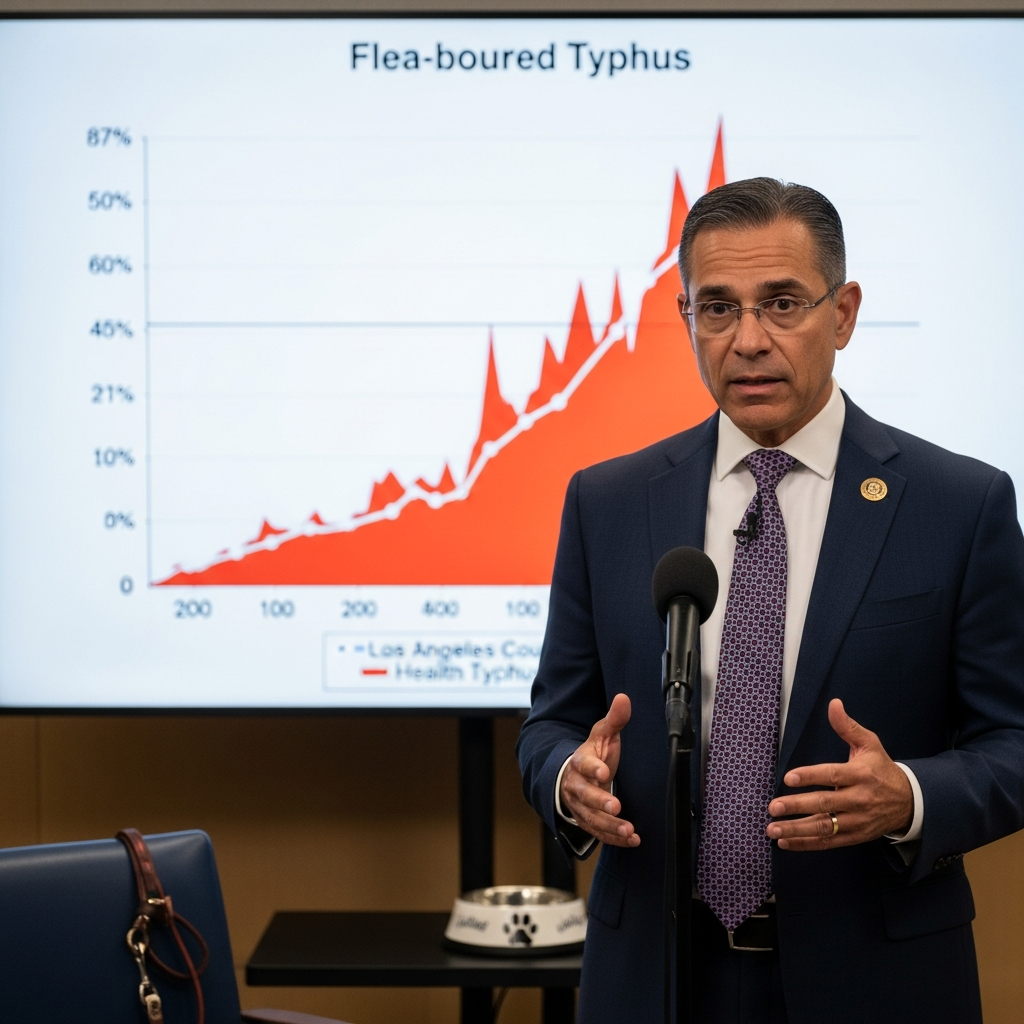
Southern California faces a critical public health alert as Los Angeles County reports an unprecedented surge in flea-borne typhus infections. Health officials are sounding the alarm, revealing a record 220 cases in the past year, marking a concerning escalation in this serious, yet preventable, disease. This widespread increase underscores the urgent need for residents, especially pet owners, to understand the risks and implement effective prevention strategies to safeguard their families and communities from this escalating threat.
Los Angeles Grapples with Record Typhus Outbreak
Los Angeles County public health officials have confirmed an alarming rise in flea-borne typhus, with 220 cases identified last year. This figure represents a significant jump from 187 cases recorded two years prior and a concerning increase since 2021. Such numbers highlight a persistent and growing threat, prompting health authorities to issue strong warnings and emphasize preventative measures. Public health data indicates that nearly 9 out of 10 people infected with typhus required hospitalization, underscoring the severe impact this disease can have on individuals and healthcare systems.
Understanding Flea-Borne Typhus: The Silent Threat
Flea-borne typhus, also known as murine typhus, is an infectious disease caused by the bacterium Rickettsia typhi. This illness isn’t spread directly from person to person. Instead, it’s transmitted to humans through infected fleas. These tiny parasites pick up the bacteria after biting infected animals such as rats, opossums, and stray cats. Once a flea is infected, it doesn’t transmit the disease through its bite directly. Instead, transmission occurs when infected flea feces are rubbed into cuts, scrapes, or mucous membranes (like the eyes) during scratching. This indirect method often means people may not realize the exact source of their infection until symptoms appear.
The Alarming Trend: Why Cases Are Rising in L.A.
The consistent increase in typhus cases across Los Angeles County is a significant public health concern. Starting from 141 cases in 2021, rising to 171 in 2022, and despite a slight dip to 124 in 2023, the numbers rebounded sharply last year. This upward trend suggests a confluence of environmental and urban factors. Typhus cases typically peak during late summer and fall, a period when warmer temperatures naturally boost flea activity and reproduction cycles. Urbanization also plays a role, bringing humans and their pets into closer contact with wildlife hosts. Increased interactions with stray animals and rodents, often found in densely populated areas, create more opportunities for fleas to transfer from infected hosts to humans or their pets, leading to broader exposure.
Who is Most at Risk? Everyone Needs to Be Aware
While the disease can affect anyone, public health data reveals a broad age range among those infected in Los Angeles, spanning from 1-year-olds to 85-year-olds. This highlights that no one is entirely immune. However, certain groups face a higher risk of contracting flea-borne typhus. Individuals who live outdoors or in housing experiencing significant infestations of rats or other rodents face substantially elevated risks due to increased exposure to infected fleas and their animal hosts. Moreover, any pet owner, regardless of their living situation, can inadvertently bring infected fleas into their homes, making vigilance crucial for all residents of Los Angeles County.
Identifying Typhus Hot Spots Across L.A. County
Although cases of flea-borne typhus have been reported throughout Los Angeles County, public health authorities identified specific localized outbreaks last year. These significant clusters of infection were observed in central Los Angeles, the coastal city of Santa Monica, and the unincorporated community of Willowbrook, which is situated near Compton. Recognizing these hot spots is vital for targeted public health campaigns and heightened awareness in these areas. Residents and healthcare providers within these zones should be especially proactive in implementing preventative measures and recognizing potential symptoms.
Essential Strategies to Protect Yourself and Your Pets
Preventing flea-borne typhus relies heavily on diligent flea control and minimizing contact with potential wildlife carriers. Often, people are exposed when infected fleas hitch a ride indoors on pets or other animals. These disease-carrying fleas commonly infest stray animals, rodents, and various wildlife. Fortunately, several straightforward precautions can significantly reduce your risk of exposure to this growing health threat.
Comprehensive Flea Control for Your Beloved Pets
Your pets are often the primary bridge for fleas entering your home environment. Year-round flea control is paramount, even during cooler months when flea activity might seem to wane. Consult your veterinarian for the most effective, safe, and appropriate flea prevention products for your specific pet. These can include topical treatments, oral medications, and specialized collars. Regular grooming and routinely checking your pet for fleas, especially after outdoor excursions, adds another crucial layer of protection. Maintaining a clean indoor environment, including vacuuming regularly and washing pet bedding in hot water, also helps control existing flea populations effectively.
Limiting Wildlife Interactions on Your Property
Wildlife, such as opossums, raccoons, and stray cats, are primary carriers of infected fleas. Taking proactive steps to deter these animals from your property is crucial for preventing typhus transmission.
Secure Trash Bins: Always ensure the lids of your outdoor trash cans are tightly closed. This prevents wildlife from rummaging for food, which invariably attracts them to your yard and home.
Avoid Feeding Strays: Do not feed or pet stray animals. While tempting, providing food encourages them to remain on your property, significantly increasing the risk of flea transfer.
Block Entry Points: Inspect your home and property thoroughly for any potential entry or hiding points for rodents and wildlife. Seal cracks, repair broken screens, and trim back overgrown vegetation that can provide shelter or easy access.
Pet Food Management: Avoid leaving pet food bowls outdoors, particularly overnight. This acts as an irresistible invitation for various types of wildlife to visit your property.
Recognizing and Treating Flea-Borne Typhus Symptoms
Understanding the symptoms of flea-borne typhus is crucial for early detection and prompt medical treatment. If you or someone you know develops these symptoms, seeking immediate medical attention can prevent severe illness and hospitalization.
Key Symptoms to Watch For
Symptoms of flea-borne typhus typically emerge within one to two weeks after becoming infected. They can often mimic other common viral illnesses, making early diagnosis challenging without specific awareness of potential exposure. Be vigilant for the following indicators:
Fever: Often high, persistent, and can be accompanied by chills.
Headache: Can range from moderate to severe.
Chills: Frequently accompanies the onset of fever.
Body Aches: Generalized muscle and joint pain is common.
Rash: A characteristic rash usually appears a few days into the illness, often on the chest, back, and sides of the body, though it can spread.
Importance of Early Diagnosis and Treatment
Flea-borne typhus is a treatable condition that responds well to specific antibiotics. Early diagnosis is key to preventing the progression to severe illness and potential hospitalization. If left untreated, the disease can lead to serious complications affecting various organ systems, though it is uncommon. While fatalities from flea-borne typhus are rare, they have unfortunately occurred in Los Angeles County; in 2022, three adults with underlying health conditions died from the disease. Therefore, if you experience any of the symptoms mentioned, do not delay in contacting your healthcare provider immediately. Be sure to inform them about any potential flea exposure or recent animal contact, especially if you reside in or have recently visited affected areas of Los Angeles.
Frequently Asked Questions
What exactly is flea-borne typhus, and how is it spread to humans?
Flea-borne typhus is an infectious disease caused by the bacterium Rickettsia typhi*. It’s primarily spread to humans by infected fleas, which acquire the bacteria from biting wild animals like rats, opossums, and stray cats. Humans don’t get sick from the flea’s bite directly. Instead, infection occurs when flea feces, containing the bacteria, are rubbed into an open wound like a cut or scrape on the skin, or get into the eyes, often during scratching. This indirect transmission highlights why preventing flea bites and contact with flea waste is so important.
Where have the most significant typhus outbreaks occurred in Los Angeles County?
While cases of flea-borne typhus can appear anywhere in Los Angeles County, public health officials identified three major localized outbreaks recently. These significant areas included central Los Angeles, the popular coastal city of Santa Monica, and the community of Willowbrook, which is an unincorporated neighborhood situated near Compton. Residents in these specific regions are advised to be particularly vigilant with preventative measures and monitor for symptoms due to the increased localized risk.
What are the most effective ways to protect my pets and home from typhus-carrying fleas?
Protecting your pets and home involves a multi-pronged approach. For pets, use veterinarian-approved, year-round flea control products. Keep your home meticulously clean by regularly vacuuming and washing pet bedding in hot water. To deter wildlife that carry fleas, secure trash bins tightly, avoid feeding stray animals, block potential entry points for rodents and wildlife into your property or home, and never leave pet food outside, especially overnight. These combined steps significantly reduce the chances of fleas entering your living spaces and transmitting the disease.
Conclusion: Stay Vigilant, Stay Safe
The recent surge in flea-borne typhus cases in Los Angeles County serves as a powerful reminder of the importance of public health awareness and proactive prevention. While the record numbers are concerning, the good news is that this serious disease is largely preventable through simple yet consistent efforts. By taking diligent steps to control fleas on your pets, managing wildlife interactions around your home, and remaining aware of the symptoms, you can significantly reduce your risk and contribute to the health and safety of your community. Don’t underestimate the small threat of a flea; your vigilance is your best defense against this growing public health challenge. If symptoms arise, prompt medical consultation is critical for effective treatment and recovery.