The war in Iran, now deep into its second month, has ignited an urgent energy crisis across Europe, sending shockwaves through global markets. What began as US and Israeli airstrikes on February 28, 2026, has escalated into a multi-front conflict with profound economic and geopolitical consequences. As critical energy flows from the Middle East are disrupted, European nations are grappling with soaring prices and tightening supplies. The European Commission is calling for drastic conservation measures, while experts warn of an impending economic impact comparable to the COVID-19 pandemic or the initial phase of the Ukraine war.
Escalation and Devastating Global Impact
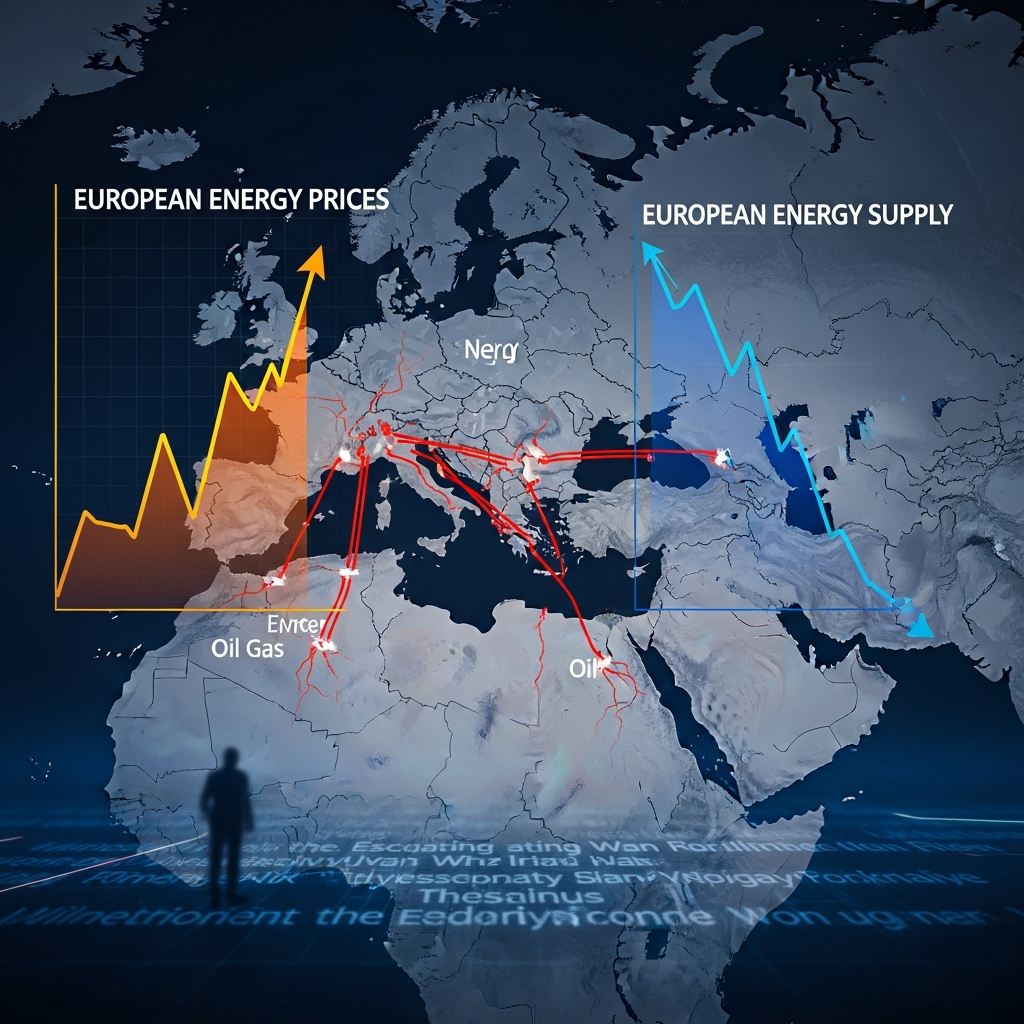
The conflict’s rapid intensification has plunged the global energy sector into turmoil. Since late February, oil and gas prices have surged by as much as 70%. Iran’s retaliatory missile and drone attacks have targeted energy-rich Gulf countries and, critically, led to the blocking of the Strait of Hormuz. This vital waterway normally facilitates the transit of 20% of global oil and gas tankers. The disruption has already cost European taxpayers an additional €3 billion ($3.4 billion) in fossil fuel imports within the first ten days alone, with projections from the Bruegel think tank indicating a potential €100 billion increase in European gas import costs over the next year if gas prices double.
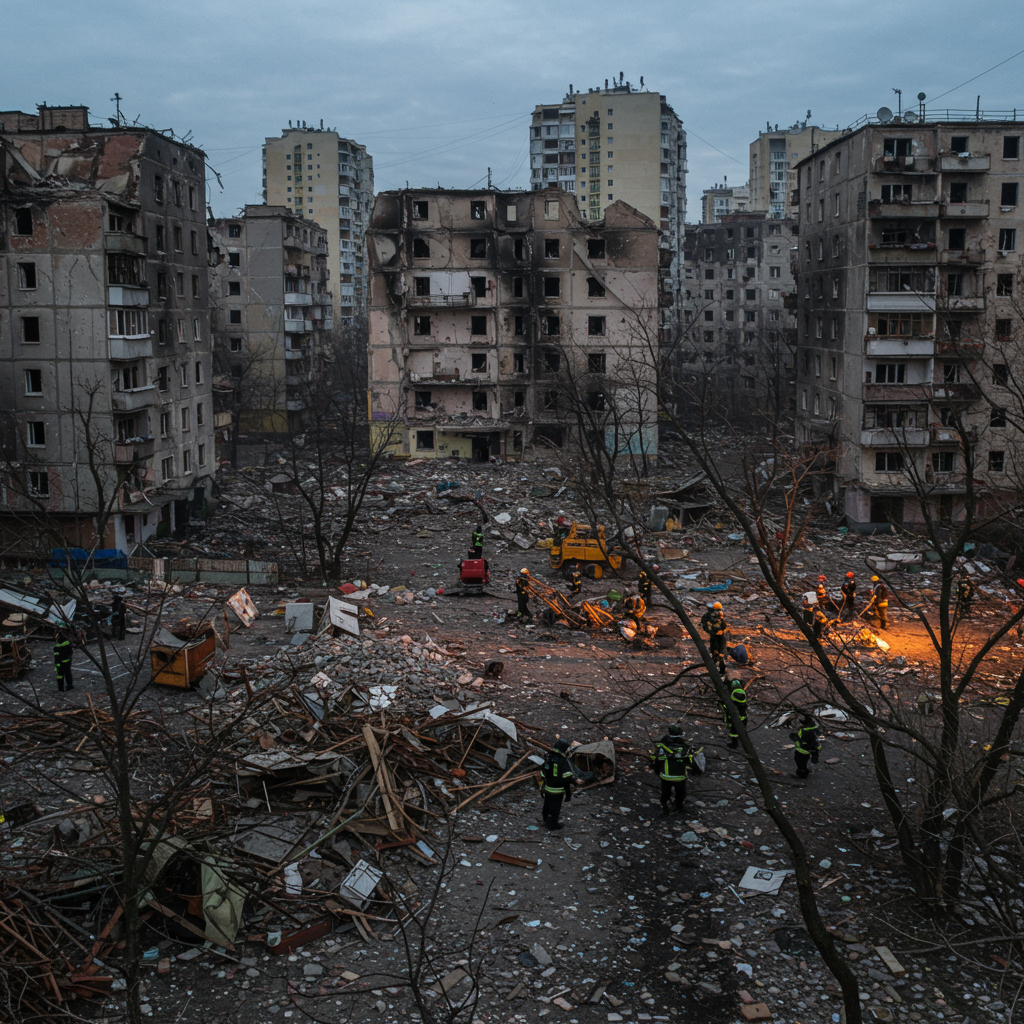
The military landscape has been brutal. US and Israeli “Operations Roaring Lion and Epic Fury” targeted key Iranian infrastructure, including command centers, Revolutionary Guard posts, and missile sites. The killing of Iran’s Defense Minister, Ayatollah Ali Khamenei, in an Israeli aerial strike further escalated tensions. Iran has responded with ballistic missile attacks across the Middle East, striking Gulf nations and US military bases, leading to casualties among both IDF soldiers and US troops. Israeli forces, in turn, have launched extensive operations in Lebanon, displacing over a million people and targeting Hezbollah infrastructure.
The Strait of Hormuz: A Chokepoint Under Siege
The Strait of Hormuz has emerged as the conflict’s most critical flashpoint. Iranian military officials have asserted “full control” over the Persian Gulf and the Strait, effectively holding the global economy hostage. Shipping traffic through the strait has dwindled to a trickle. Brent crude, the international benchmark, remains stubbornly above $100 a barrel, a 40% jump since the war’s onset.
International efforts to reopen the strait are underway, with Britain convening a virtual meeting of over 40 countries. However, US President Donald Trump has urged dependent nations to “Go to the strait and just take it,” a stance criticized by French President Emmanuel Macron. Meanwhile, Gulf neighbors like the UAE have faced direct attacks, including drone strikes on oil facilities and missile impacts near airports, underscoring the region’s precarious security situation. Kuwait and Saudi Arabia have also reported intercepting Iranian attacks, with significant damage to fuel depots and power lines.
Europe’s Alarming Energy Vulnerability
Europe’s initial complacency regarding the Strait of Hormuz—having imported only 8% of its liquefied natural gas (LNG) from Qatar via the chokepoint before the war—has dissolved. The conflict, compounded by an attack on Qatar’s Ras Laffan energy complex, a key global natural gas source, now highlights the continent’s profound energy vulnerability. Repairs to the complex could take months or even years.
Energy Commissioner Dan Jorgensen cautioned that “nobody knows how long the crisis will be, but… it will not be short.” This protracted uncertainty is exacerbated by fierce competition for diminishing global supplies. Lead energy analyst Ana Maria Jaller-Makarewicz notes that LNG cargoes are already being diverted to Asia, as Asian nations outbid Europe for crucial resources. Despite recent efforts to diversify energy imports, particularly from the US and Norway, European supply is now constrained, especially with the scheduled phaseout of Russian LNG by 2027.
Economic Ripples and Industry Strain
The economic fallout extends far beyond inflated gas prices. German Chancellor Friedrich Merz warned that the economic impact could rival the severity of the COVID-19 pandemic. Experts predict that the crisis will hurt industry, spike inflation, reduce demand, and increase food prices. Energy-intensive sectors such as steel, cement, and fertilizer are particularly vulnerable. Fertilizers Europe, a lobby group, has already called for EU assistance to safeguard “food security” amidst threats to supply chains.
The ripple effect is also anticipated across manufacturing industries, including chemicals, plastics, aluminum, and glass. Even the aviation sector faces challenges, with reports of Lufthansa considering grounding flights due to rising fuel costs and dropping demand.
Europe’s Response: Conservation vs. Long-Term Solutions
In response to the escalating crisis, the European Commission is urging its over 400 million citizens to drastically reduce energy consumption. Recommendations include flying and driving less, working from home, utilizing public transport, increasing car sharing, and adopting efficient driving practices, mirroring advice from the International Energy Agency.
However, experts argue that individual conservation is only part of the solution. The debate around policy responses is intense:
Return to Russian Energy? Belgian Prime Minister Bart De Wever suggested normalizing relations with Russia for cheaper energy. However, EU Energy Commissioner Jorgensen emphatically rejected this, stating the EU would “not import one molecule” of Russian energy.
Price Caps and Subsidies? Some propose price caps on gas and subsidies for vulnerable industries. However, Alexander Roth of the Bruegel think tank cautions against price caps, calling them a “mistake.” While offering short-term relief, they “weaken price signals that drive efficiency, demand reduction and clean-energy investment,” potentially delaying the transition away from fossil fuels.
- Investing in Renewables: Analysts like Jaller-Makarewicz advocate for “concrete steps,” such as reducing heating in public buildings and boosting investments in local green industries like heat pumps. Roth suggests offering tax reductions on electricity instead of gas subsidies, which would encourage consumers to embrace electrification options like electric cars and heat pumps.
- www.dw.com
- laist.com
- www.jpost.com
- www.wsmv.com
- www.dw.com
The Bruegel report underscores that the Iran war has once again exposed Europe’s energy fragility, urging policymakers to “seize the opportunity to deploy renewable energies and electrification technologies even faster.” Spain, with its heavy investment in wind and solar, has seen stabilized energy prices, contrasting sharply with gas-reliant Italy, which has experienced significant price hikes.
Geopolitical Dynamics and the Path Forward
The conflict has also complicated regional diplomacy. While Gulf states initially pursued “360-degree diplomacy”—engaging both the US and Iran—recent attacks have undermined this strategy. The appointment of Mojtaba Khamenei as Iran’s new supreme leader signals continuity in hard-line policy, yet some experts believe his established profile might allow for the long-term political management of relations.
US President Trump’s public rhetoric has added to the international tension, with threats to “bring them back to the Stone Ages” and calls for other nations to secure the Strait of Hormuz themselves. This inconsistent messaging has drawn sharp criticism from European leaders.
The sheer scale of destruction, from the damaged Ras Laffan complex to ongoing assaults on critical infrastructure, suggests a long and arduous recovery. The EU’s emergency meetings underscore the global concern. This crisis is not merely about energy prices; it’s a stark reminder of Europe’s interconnectedness with volatile regions and the urgent imperative to accelerate its transition to a resilient, sustainable energy future. The stakes are immense, impacting not just economic stability but also food security and global supply chains.
Frequently Asked Questions
What is the primary cause of Europe’s current energy crisis?
Europe’s current energy crisis stems primarily from the escalating war in Iran, which began with US and Israeli airstrikes on February 28, 2026. This conflict has severely disrupted critical energy flows from the Middle East, most notably through Iran’s blocking of the Strait of Hormuz, a vital chokepoint for global oil and gas tankers. Attacks on key energy infrastructure, such as Qatar’s Ras Laffan complex, further exacerbate supply constraints, leading to soaring prices and reduced availability of fossil fuels.
Which specific regions and chokepoints are most affected by the Iran war’s energy disruptions?
The Strait of Hormuz is the most critically affected chokepoint, with Iran’s effective blockade severely curtailing global maritime traffic. The Middle East, particularly the energy-rich Gulf nations (Saudi Arabia, UAE, Bahrain, Kuwait), is experiencing direct impacts from retaliatory attacks. Europe faces significant consequences due to its reliance on global energy markets and competition with Asian countries for dwindling liquefied natural gas (LNG) supplies, despite efforts to diversify imports from the US and Norway.
What strategies is the EU considering to mitigate the long-term impacts of the energy crisis?
The EU is exploring several strategies, including urging citizens to conserve energy by reducing travel and working from home. Policymakers are debating options like price caps on gas and subsidies for energy-intensive industries, though experts caution against price caps due to their potential to hinder efficiency and renewable energy investment. A strong consensus is emerging around accelerating investments in renewable energies and electrification technologies, such as heat pumps and electric cars, coupled with tax reductions on electricity to encourage adoption and reduce reliance on fossil fuels.
The multifaceted crisis demands immediate action alongside a robust, long-term strategy. Europe’s reliance on fossil fuels has been laid bare, prompting an undeniable call for an accelerated pivot towards renewable energy sources and enhanced energy independence. The choices made today will shape not only Europe’s economic future but also its role in a rapidly evolving geopolitical landscape.