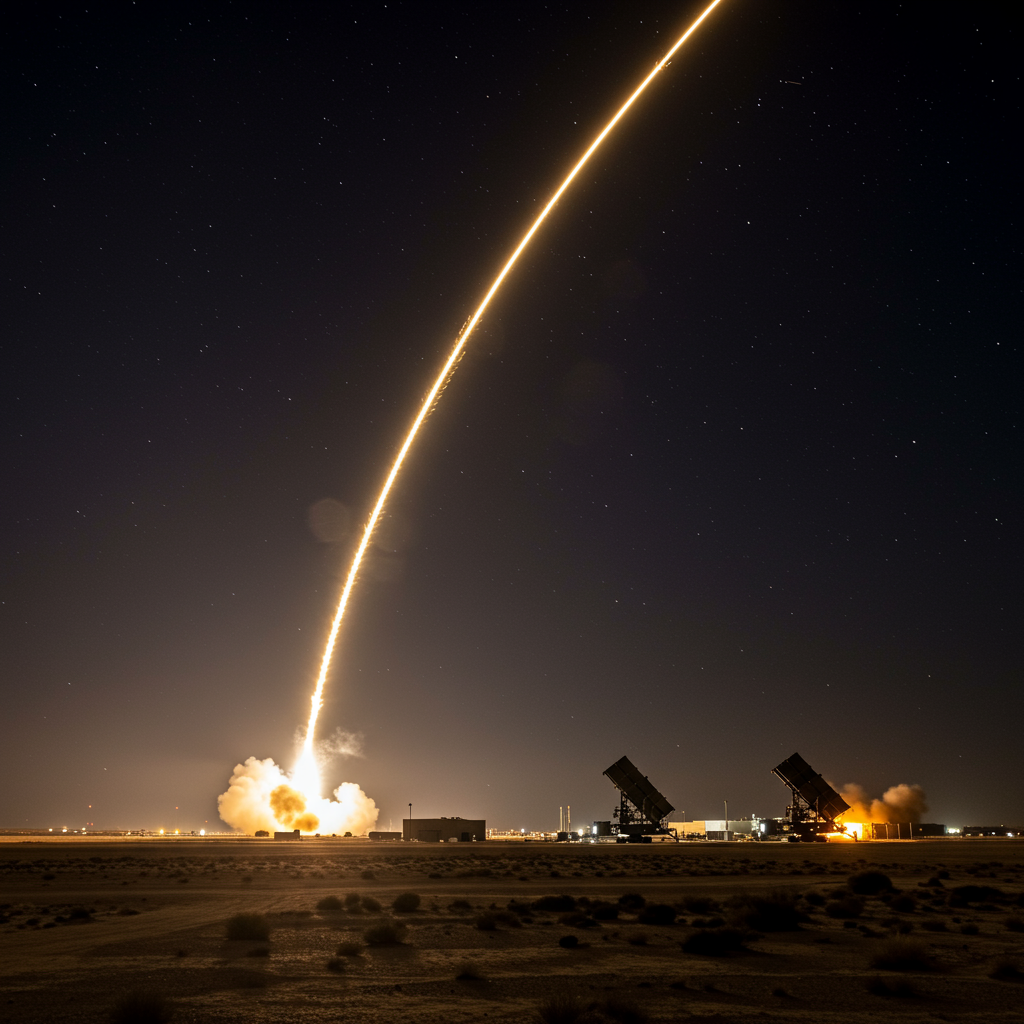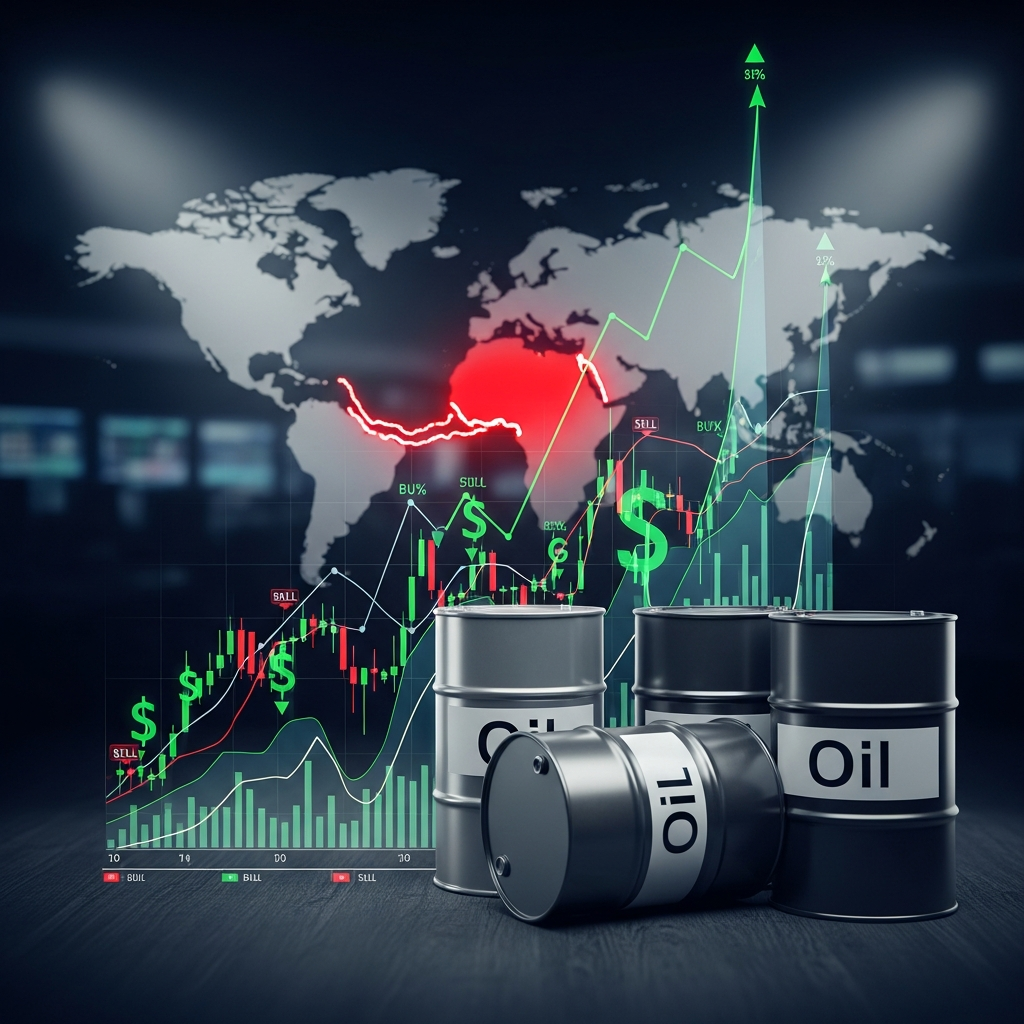
The global energy landscape is currently grappling with unprecedented volatility, as international oil prices soar to alarming new highs. A primary catalyst for this dramatic surge is the effective closure of the Strait of Hormuz, a vital maritime chokepoint. This critical waterway, through which roughly one-fifth of the world’s daily oil supply typically transits, has been brought to a standstill amidst escalating geopolitical tensions. As markets absorb the shock of this disruption, a sense of urgency mounts globally, with the Trump administration actively seeking international cooperation to restore stability and reopen the Strait.
The Strait of Hormuz: A Critical Bottleneck in Global Energy
The Strait of Hormuz is not just a shipping lane; it is the jugular vein of global oil trade. Bordered by Iran, Oman, and the United Arab Emirates, its strategic importance cannot be overstated. Recent events have seen Iran effectively halt traffic through the Strait, a move widely understood as retaliation for prior military strikes by the United States and Israel. This dramatic action has triggered what the International Energy Agency (IEA) has starkly labeled as the “largest disruption to global energy supplies in history.”
Data from the United Kingdom Maritime Trade Operations (UKMTO) center vividly illustrates the severity of the crisis. Before the conflict, an average of 138 commercial vessels traversed the Strait daily. Since the war began on February 28, this number has plummeted to no more than five transits per day. The perilous environment is further underscored by UKMTO reports of at least 16 commercial vessels attacked in the region. This severe constriction of supply has sent immediate shockwaves through energy markets worldwide, directly impacting consumers and businesses alike.
Oil Markets in Turmoil: Escalating Prices and Economic Fallout
The financial repercussions of the Hormuz closure have been swift and severe. Brent crude, the international benchmark for oil prices, surged dramatically. On Sunday, it topped $106 a barrel, marking a significant 3 percent rise, before slightly easing to $104.63 a barrel by Monday. This represents an astonishing increase of over 40 percent since the war’s commencement. Such rapid price escalation has directly translated into higher fuel costs for consumers globally, igniting widespread fears of a significant slowdown in the global economy.
Experts are sounding the alarm regarding the broader economic impact. The investment bank Goldman Sachs has predicted that these elevated oil prices will likely lead to increased inflation, hinder economic growth, and potentially drive up the unemployment rate by the end of the year. Analysts from Oxford Economics caution that extreme volatility in crude oil markets is here to stay, largely due to the absence of any clear timeline for de-escalation of the conflict or the reopening of the Strait of Hormuz. Prior to the conflict, Brent crude traded below $70, highlighting the profound shift in market dynamics. Economists warn that sustained oil prices above $80 a barrel could easily trigger broader inflation and potentially precipitate a global recession.
Trump’s Shifting Stance and Diplomatic Hurdles
In response to the crisis, US President Donald Trump has actively called upon other nations, including China, Japan, France, and the UK, to form a coalition. The aim is to deploy naval assets to secure and reopen the Strait of Hormuz. However, this appeal has been met with a largely “muted response.” Notably, Japan and Australia have publicly stated they have no immediate plans to send ships to the critical waterway. Trump underscored the gravity of the situation in an interview with The Financial Times, warning of a “very bad” future for NATO if his proposal was met with a negative or absent response.
The administration’s public rhetoric surrounding oil prices has seen a significant shift. Previously, President Trump often boasted about low gas prices, even citing figures around $2.30 a gallon in his State of the Union address. However, following the conflict’s escalation and the subsequent rise in energy costs, he has pivoted to a different narrative. Trump now suggests that high oil prices are a positive for the U.S., asserting that “The United States is the largest Oil Producer in the World, by far, so when oil prices go up, we make a lot of money.” This change in messaging has occurred as the national average gas price surged over 50 percent, reaching $3.60 a gallon, according to AAA.
The Geopolitical Chessboard: Iran’s Resolve and US Actions
Iran’s decision to effectively close the Strait of Hormuz is a direct response to the US and Israeli strikes against the country. This escalatory measure underscores the volatile nature of the Middle East conflict. Despite the limited international backing for a naval coalition, the Trump administration remains resolute in its stated intention to secure the Strait. President Trump has repeatedly affirmed his willingness to deploy the US Navy to escort commercial shipping through the waterway if necessary.
However, administration officials have indicated that full-scale warship deployments will be delayed until Iran’s military capacity has been further degraded, though they anticipate such operations to commence soon. This nuanced position has at times been complicated by seemingly contradictory statements from the President and his Energy Secretary. For instance, while one official falsely claimed a US Navy escort had already occurred, the Energy Secretary acknowledged the “significant disruption” in short-term gas prices but emphasized the long-term benefits of an Iran that “no longer poses a threat.” These mixed messages contribute to the overall market uncertainty surrounding the Strait of Hormuz.
Mitigation Efforts and an Uncertain Future
In an effort to mitigate the rapidly rising fuel costs, the Trump administration announced plans to release 172 million barrels from strategic oil reserves, in coordination with other countries. However, experts like Joe Brusuelas, chief U.S. economist at RSM, caution that such a move would likely only “slow rather than stop rising oil prices,” offering a “temporary salve” at best. The White House is also reportedly considering waiving Jones Act requirements, which mandate the use of U.S.-flagged ships for domestic transport, to ensure the free flow of vital energy and agricultural products.
While OPEC+ has announced a modest production increase of 206,000 barrels per day for April, the effectiveness of this measure in buffering prices is heavily contingent on the resumption of safe shipping traffic through the Strait of Hormuz. Despite the U.S. being the world’s largest oil producer, its domestic gas prices remain highly susceptible to global oil supply shocks. The Strait of Hormuz closure undoubtedly remains the most critical bottleneck causing the current price spike, and a clear or immediate solution for its safe and consistent reopening has yet to materialize. This prolonged shipping disruption maintains significant pressure on energy markets globally.
Impact on the American Consumer and Political Landscape
The surge in gas prices has placed an unexpected and growing burden on millions of Americans. With the national average pump price for regular gasoline climbing sharply, reaching $3.630 per gallon by mid-March, up from $2.940 just a month prior, consumers are feeling the pinch. This dramatic increase marks the largest price spike since Russia’s invasion of Ukraine in 2022.
Politically, these rising costs present a considerable challenge for President Trump and his Republican allies, especially with crucial midterm congressional elections approaching. While the White House is closely monitoring public reaction, an NBC News survey revealed that a majority of registered voters disapprove of Trump’s handling of the Iran conflict and believe military action should have been avoided. Democrats are actively leveraging these “cost of living” concerns in their outreach to voters, criticizing the administration for escalating hostilities and contradicting promises of lower prices. As truck driver Billy Jean Wright succinctly put it, “The gas prices are going up. Our food industry is going up. Everything is going up, and we can’t survive over here.” The economic realities of the conflict are clearly weighing heavily on the American populace.
Frequently Asked Questions
Why are global oil prices rising so dramatically?
Global oil prices are soaring primarily due to the effective closure of the Strait of Hormuz, a critical waterway responsible for a significant portion of the world’s oil supply. This closure, initiated by Iran as retaliation for US and Israeli strikes, has created an unprecedented shipping disruption. The resulting severe constriction in global energy supplies has caused Brent crude, the international benchmark, to jump over 40 percent since the conflict began, fueling widespread economic uncertainty and higher fuel costs worldwide.
What is the Trump administration doing to address the Strait of Hormuz closure?
The Trump administration is attempting to address the closure of the Strait of Hormuz through a multi-pronged approach. President Trump has publicly appealed to allies like China, Japan, France, and the UK to form a coalition and deploy naval forces to secure the Strait. Additionally, the administration has affirmed its willingness to deploy the US Navy to escort commercial shipping, though actual deployment is reportedly pending further degradation of Iran’s military capacity. To mitigate rising fuel costs, the U.S. also plans to release 172 million barrels from strategic oil reserves.
How do rising oil prices impact the average consumer and the global economy?
Rising oil prices have a significant impact on both average consumers and the global economy. For consumers, the most immediate effect is a sharp increase in gas prices at the pump, making daily commutes and transportation costs more expensive. This inflationary pressure extends beyond fuel costs, potentially leading to higher prices for goods and services as production and shipping expenses increase. For the global economy, sustained high crude oil prices risk slowing economic growth, driving inflation, increasing unemployment, and potentially triggering a recession, as warned by institutions like Goldman Sachs.
Conclusion
The current surge in global oil prices, driven largely by the ongoing closure of the Strait of Hormuz, represents a profound challenge to both international stability and the global economy. While the Trump administration seeks to navigate this complex geopolitical landscape through diplomatic appeals and the threat of military intervention, the path to reopening this vital waterway remains fraught with uncertainty. Consumers worldwide are already feeling the direct impact of escalating fuel costs, with broader economic ramifications, including heightened inflation and the specter of a recession, looming large. As the conflict in the Middle East continues to unfold, monitoring developments in this critical region will be paramount for understanding future energy stability and economic health.