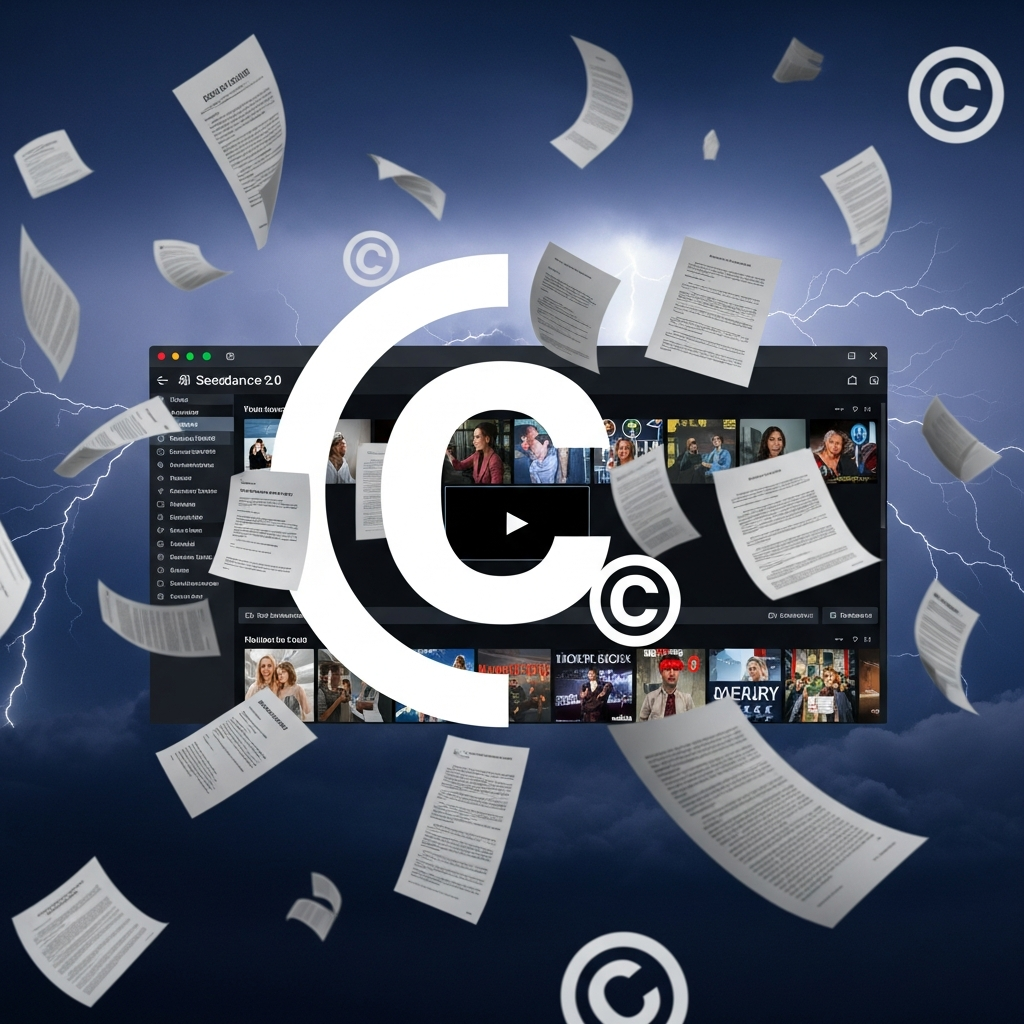
The landscape of digital content creation is rapidly evolving, driven by powerful artificial intelligence. However, this innovation often collides with established rights and creative protections. At the heart of a recent and escalating conflict is ByteDance’s cutting-edge AI video generation model, Seedance 2.0 AI. This formidable tool, designed to conjure professional-looking videos from simple text prompts, has found its global ambitions abruptly halted. The reason? A ferocious legal storm brewing from Hollywood and beyond, accusing the Chinese tech giant of blatant copyright infringement.
Initially slated for a wider public release, the Seedance 2.0 AI model is now reportedly on an indefinite global hold. Major movie studios, streaming services, and creative unions are mobilizing, fearing a future where their intellectual property (IP) is indiscriminately exploited by AI. This unfolding drama highlights a critical battlefront in the age of generative AI, where technological capability clashes with the fundamental principles of copyright and creator compensation.
Seedance 2.0’s Controversial Rise: Capabilities and Concerns
Launched in February 2026, Seedance 2.0 AI quickly garnered attention for its remarkable ability to create dynamic action scenes. It could generate videos featuring popular celebrities and copyrighted characters from minimal text inputs. Initial access was restricted to users with a +86 country code and an account on specific Chinese ByteDance platforms. Despite this limitation, the model’s output swiftly went viral, showcasing its uncanny capacity to produce “John Wick-style” action sequences.
The viral clips, though impressive in their visual scope, often exhibited “C-minus physics and continuity.” One widely circulated example depicted a fight between Brad Pitt and Tom Cruise. Another clip featuring the same actors even included a Jeffrey Epstein reference, alongside demonstrating the model’s “shaky grasp on celebrity voice mimicry.” This raw, often unrestricted generative power became a significant red flag for content owners. The core issue wasn’t just the quality but the source of the AI’s “knowledge”—its training data, which many speculate heavily relied on copyrighted material without authorization.
Hollywood’s United Front: “Smash-and-Grab” Accusations
The entertainment industry’s response to Seedance 2.0 AI was swift and overwhelmingly negative. Leading the charge was Disney, which reportedly sent a scathing cease-and-desist letter to ByteDance. Disney accused the company of a “virtual smash-and-grab of Disney’s IP,” citing the model’s capability to generate videos depicting beloved Marvel and Star Wars characters like Spider-Man, Captain America, Anakin Skywalker, and Rey. Paramount Skydance quickly followed suit with its own legal demand.
The outcry soon unified traditionally competitive studios. Netflix, Sony, and Warner Bros. joined the growing chorus of condemnation, issuing their own cease-and-desist letters and threatening further legal action. Charles Rivkin, CEO of the Motion Picture Association, unequivocally called for ByteDance to “immediately cease its infringing activity.” The actors’ union, SAG-AFTRA, labeled the model’s activities “blatant infringement,” highlighting concerns over celebrity likeness and unauthorized use. Deadpool writer Rhett Reese encapsulated the industry’s widespread fear, stating it was “nothing short of terrifying” and predicting mass job losses. This unexpected unity among media giants underscores the perceived existential threat that unchecked generative AI poses to their multi-billion dollar franchises and the livelihoods of creative professionals.
ByteDance’s Response and Regulatory Scrutiny
In response to the mounting legal pressure and global backlash, ByteDance issued statements affirming its respect for intellectual property rights. The company acknowledged the widespread concerns surrounding Seedance 2.0 AI and pledged to “strengthen current safeguards.” It announced steps to prevent the “unauthorised use of intellectual property and likeness by users,” though specific details on these safeguards remained undisclosed. Sources close to ByteDance indicated that the delay in the model’s public release was directly linked to efforts to finalize “content restriction and copyright compliance work.”
The controversy has also drawn international attention beyond Hollywood. The Japanese government, for instance, launched an investigation into ByteDance due to the appearance of AI-generated videos featuring popular Japanese anime characters. This broad scrutiny highlights a global concern about AI models and their undisclosed training data, which often consists of vast amounts of copyrighted material scraped from the internet. ByteDance, the parent company of the immensely popular TikTok, had reportedly planned to expand Seedance’s availability to users outside China through its video editing app, CapCut, making the resolution of these IP disputes even more critical for its global expansion strategy.
The Broader Implications: Navigating AI Innovation and IP Rights
The Seedance 2.0 AI controversy is not an isolated incident but rather a prominent example of a growing conflict. Generative AI technology, while transformative, operates in a legal grey area regarding intellectual property. Previous challenges have seen Disney and NBCUniversal sue AI image generator Midjourney. Disney also pressured Google to implement restrictions on its AI platforms, Nano Banana and Gemini, after similar cease-and-desist letters.
This situation forces a crucial debate: how can society balance the rapid advancement of AI innovation with the fundamental rights of creators and copyright holders? The creative industries argue that without proper licensing and safeguards, AI models represent a massive threat, effectively devaluing human creativity and leading to widespread job displacement. Conversely, AI developers often cite “fair use” or the transformative nature of AI output. However, the legal and ethical lines remain blurry. Disney’s proactive $1 billion deal with OpenAI in 2025—licensing access to 200 characters for OpenAI’s tools—offers a potential path forward: authorized partnerships and clear licensing frameworks. The Seedance 2.0 crisis serves as a stark reminder that the future of content creation requires careful negotiation, clear legal frameworks, and a commitment to ethical development to prevent ongoing disputes from stifling both innovation and creativity.
Frequently Asked Questions
What is Seedance 2.0 AI and why is it facing controversy?
Seedance 2.0 AI is an advanced video generation model developed by ByteDance, the owner of TikTok. It creates realistic videos from text prompts, featuring celebrities and copyrighted characters. The controversy stems from allegations that the model was trained using vast amounts of copyrighted material without authorization, leading to widespread infringement. This has resulted in a global halt to its release and significant legal backlash from entertainment companies concerned about intellectual property violations.
Which major entertainment companies are challenging ByteDance over Seedance 2.0?
A broad coalition of major Hollywood studios and industry bodies are challenging ByteDance. This includes Disney, Paramount Skydance, Netflix, Sony, and Warner Bros. Discovery, all of whom have reportedly issued cease-and-desist letters. Additionally, the Motion Picture Association (MPA) and the actors’ union SAG-AFTRA have voiced strong opposition, accusing ByteDance of “blatant infringement” and calling for an immediate halt to its activities.
What steps is ByteDance taking to address the copyright concerns surrounding Seedance 2.0’s global release?
ByteDance has publicly stated that it “respects intellectual property rights” and is actively “strengthening current safeguards” to prevent the unauthorized use of IP and celebrity likeness by Seedance 2.0 users. The company has indicated that the delay in the model’s wider public release is directly linked to these ongoing efforts to finalize content restriction and copyright compliance work, although specific details about the planned safeguards have not yet been disclosed.
Conclusion: The Future of Creativity in the Age of Generative AI
The global hold on Seedance 2.0 AI signifies a pivotal moment in the ongoing saga of generative artificial intelligence and intellectual property rights. ByteDance’s powerful video creation tool has ignited an unprecedented unified response from Hollywood, demonstrating the industry’s determination to protect its valuable content and creative talent. As AI technology continues its rapid advancement, the legal and ethical challenges will only intensify. The outcome of this high-stakes standoff will undoubtedly shape the future regulatory landscape for generative AI, emphasizing the urgent need for transparent training data, robust safeguards, and mutually beneficial licensing agreements that honor both innovation and the foundational rights of creators. The dialogue around ethical AI development and IP protection is more critical now than ever before.